 EN
ENIn a major clinical advancement for hereditary blood disorders, Charité – Universitätsmedizin Berlin has successfully administered the gene-editing medication Exagamglogene Autotemcel within standard medical care. The 19-year-old patient, named Mohammad, became the first individual in Germany to receive this groundbreaking therapy for severe beta-thalassemia following its official regulatory approval. Known commercially as Exa-cel, this therapeutic intervention represents the world’s first conditionally approved drug based on CRISPR gene-editing technology. The infusion was administered in May in the presence of Nobel laureate Prof. Emmanuelle Charpentier. Four months after receiving the single dose of edited cells, the patient no longer requires blood transfusions and has successfully transitioned into a normal daily routine.
The Burden of Beta-Thalassemia and Oxygen Starvation
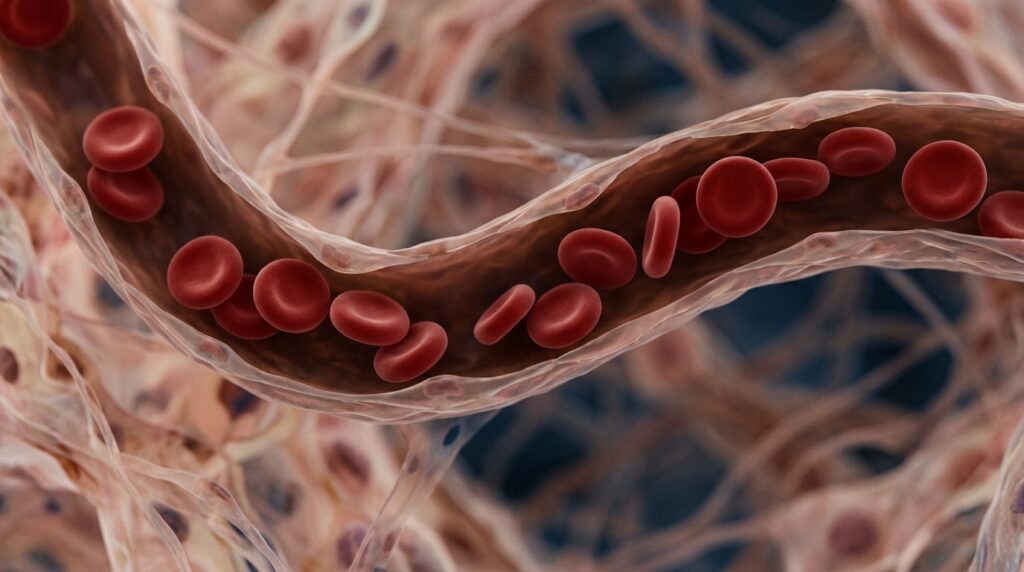
Beta-thalassemia is a severe congenital blood disorder that, without comprehensive medical intervention, poses a continuous threat to human life. The disease is caused by a specific genetic defect that impairs the synthesis of beta-globin chains, which are essential structural components of adult hemoglobin. Hemoglobin resides within red blood cells and functions as the primary vehicle for transporting oxygen from the lungs to every organ and tissue across the human body. When beta-globin production is impaired, tissues suffer from severe oxygen starvation, leaving cells without the necessary fuel for basic metabolic functions.
Symptoms typically manifest during the first months of an infant’s life, leading to profound chronic anemia. Affected individuals experience debilitating fatigue, persistent pain, delayed physical growth, and cognitive developmental challenges. If left untreated, children born with severe forms of beta-thalassemia often do not survive past early childhood. According to global epidemiological data, approximately 60,000 children are born with severe beta-thalassemia worldwide every year.
The permanent lack of adequate oxygen places an overwhelming physiological strain on the cardiovascular system and internal organs. Over time, compensatory mechanisms fail, resulting in progressive organ dysfunction and significant reductions in quality of life. While the genetic cause of this condition has been understood for decades, translating that knowledge into a direct targeted repair mechanism has remained one of medicine’s most challenging goals until now.
Limitations of Standard Therapy and Age Restrictions

For decades, the standard medical care for managing severe beta-thalassemia has relied on lifelong blood transfusions administered every three weeks. While these regular transfusions temporarily restore red blood cell counts and alleviate acute anemia, they inevitably cause severe secondary complications. The most critical risk is systemic iron overload, as the human body lacks a natural pathway to excrete excess iron introduced through foreign blood. This cumulative iron toxicity damages vital organs, particularly the heart, liver, and endocrine glands, requiring continuous life-long chelation therapy.
The only established curative approach has historically been allogeneic hematopoietic stem cell transplantation. This procedure replaces the patient’s defective blood-forming system with healthy stem cells from a matched donor. However, finding a fully compatible donor remains a formidable challenge for many families. Furthermore, allogeneic transplantation carries substantial risks of severe life-threatening complications, including graft-versus-host disease and severe graft rejection.
Medical eligibility for allogeneic stem cell transplantation is also strictly constrained by age. As explained by PD Dr. Lena Oevermann, senior physician at the Department of Pediatrics specializing in Oncology and Hematology at Charité and head of the hemoglobinopathy program, allogeneic transplantation is generally limited to patients under 14 years of age due to the steep increase in complication risks in older individuals. The 19-year-old patient Mohammad had already exceeded this critical age threshold, leaving him without standard curative options until the advent of gene editing.
First Post-Approval CRISPR Therapy at Charité
The molecular tool known as CRISPR-Cas9 was first described in 2012 by Prof. Emmanuelle Charpentier and her colleague Prof. Jennifer Doudna, an achievement recognized with the 2020 Nobel Prize in Chemistry. Building on this discovery, CRISPR Therapeutics—co-founded by Emmanuelle Charpentier, Dr. Rodger Novak, and Shaun Foy—partnered with Vertex Pharmaceuticals to develop Exagamglogene Autotemcel. Prof. Heyo K. Kroemer, Chief Executive Officer of Charité, emphasized that applying this technology in regular clinical care just 14 years after its initial discovery marks an unprecedented milestone in modern medicine.
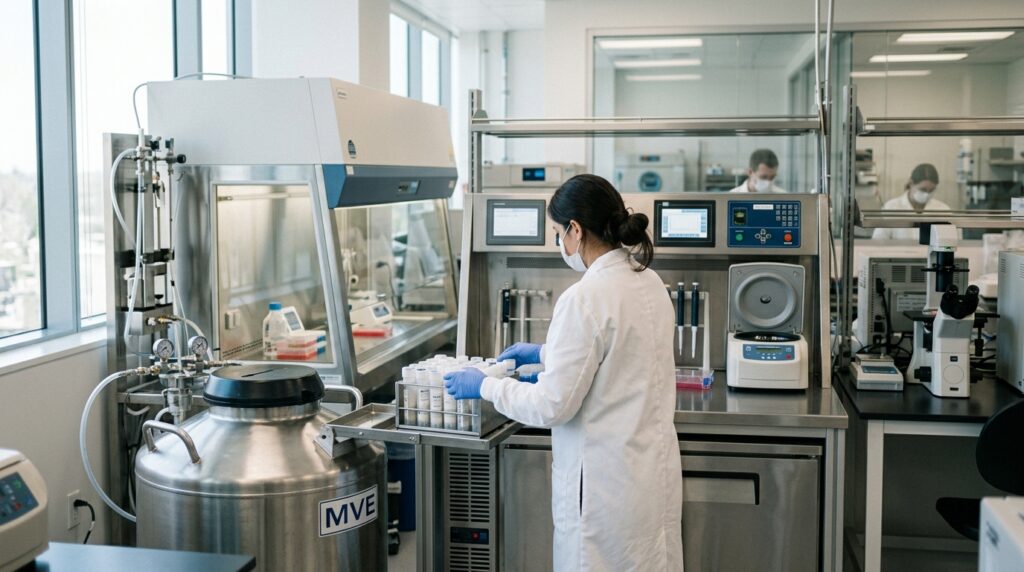
The treatment course with Exa-cel is a multi-step cellular therapy spanning approximately 12 months. Physicians at Charité initially administered medication to mobilize the patient’s blood stem cells from the bone marrow into the bloodstream, filtering them via an apheresis machine. The harvested cells were dispatched to specialized manufacturing laboratories in the Netherlands, where CRISPR-Cas9 was used to reactivate the gene responsible for gamma-globin production. Gamma-globin is a subunit of fetal hemoglobin, which is naturally produced during fetal development to capture oxygen efficiently in the womb but normally shuts down shortly after birth.
Following chemo-conditioning at Charité to prepare space within the bone marrow, Mohammad received an infusion of over 900 million of his own genetically edited stem cells on May 28. Over the subsequent weeks, these cells engrafted in his bone marrow and began producing functional red blood cells. Within 40 days, fetal hemoglobin accounted for 85 percent of his total hemoglobin level, bringing his overall hemoglobin into the normal range. According to PD Dr. Lena Oevermann, four months post-infusion, the patient remains completely independent of blood transfusions, his immune system has fully recovered, and his overall health is excellent.
Treatment Course, Patient Outlook, and Safety Requirements

European regulatory authorities granted conditional approval for Exa-cel in 2024 for treating eligible patients with transfusion-dependent beta-thalassemia or severe sickle cell disease. Because of the complexity of the procedure, administration is restricted to certified specialized medical centers, with Charité becoming the first qualified site in Germany. Under the terms of the conditional approval, all treated patients participate in a mandatory 15-year follow-up registry to continuously monitor long-term safety and efficacy.
For international patients considering evaluation at specialized German university hospitals, understanding the complete treatment pathway is essential. The process requires extended hospital stays and intensive preparatory steps, including chemo-conditioning to clear host bone marrow cells. This conditioning phase carries short-term side effects such as painful mucosal inflammation, as well as known risks regarding fertility and liver function, all of which are thoroughly evaluated and discussed prior to initiation.
The successful application of CRISPR-based therapeutics marks a transformative shift for individuals living with severe hemoglobin disorders. The outcome observed at Charité demonstrates that a single administration of modified autologous cells can eliminate lifelong dependence on donor blood. Patients seeking expert consultations in Germany should ensure comprehensive medical records are provided to allow multidisciplinary medical teams to assess individual eligibility for cellular gene therapy protocols.
Source: Exagamglogene Autotemcel erstmals nach Zulassung in Deutschland eingesetzt