 EN
A collaborative clinical study conducted by researchers at Justus-Liebig-Universität Gießen in Germany and Universität Helsinki in Finland has demonstrated promising therapeutic results for patients with aspartylglucosaminuria, a rare genetic metabolic disorder. Published in the medical journal Nature Communications, the investigation evaluated the efficacy of Betain, commercially known as Cystadane®, in restoring metabolic function in affected children. Aspartylglucosaminuria has long lacked targeted therapeutic options, leading to progressive developmental delay and cognitive impairment. The clinical findings indicate that oral administration of Betain significantly improves metabolic markers, reduces toxic metabolite accumulation, and enhances cognitive and physical performance. This breakthrough provides new hope for families seeking advanced diagnostic and therapeutic strategies in specialized German metabolic centers.
Understanding Aspartylglucosaminuria and Current Care Standard

Aspartylglucosaminuria represents a rare inherited lysosomal storage disorder caused by deficient activity of the enzyme aspartylglucosaminidase. Under normal physiological conditions, this essential enzyme breaks down specific complex sugar-protein complexes within cellular lysosomes. When the enzyme is inactive or structural variants impair its stability, non-degraded metabolic byproducts gradually accumulate inside tissues throughout the central nervous system and body. Over time, this progressive cellular storage disrupts neurodevelopment, causing affected individuals to experience delayed speech development, cognitive decline, motor impairment, and behavioral challenges.
Diagnosing metabolic disorders of this complexity requires highly specialized biochemical analyses and advanced molecular genetic testing. Medical centers in Germany routinely utilize sophisticated mass spectrometry, enzymatic assays, and targeted genetic sequencing to identify specific metabolic defects in pediatric patients. Early recognition remains a critical clinical priority, as metabolic accumulation begins in infancy despite clinical symptoms often remaining subtle during early childhood. Comprehensive neurological evaluation, including neuroimaging and developmental assessments, helps specialists track disease progression and differentiate aspartylglucosaminuria from other neurodevelopmental conditions.
Until recently, clinical management for individuals diagnosed with aspartylglucosaminuria was strictly supportive and focused on symptom mitigation. Standard care protocols encompassed speech therapy, occupational interventions, physical therapy, and pharmacological management for associated neurological symptoms. While supportive therapies significantly improve daily quality of life and functional independence, they do not address the underlying enzymatic deficiency or stop metabolite accumulation. Consequently, researchers and metabolic specialists across Europe have continually searched for disease-modifying therapies that can directly stabilize or reactivate the deficient enzyme.
The ongoing search for targeted metabolic interventions has led specialized German hospitals to integrate advanced translational research into clinical practice. Specialized pediatric metabolic units provide comprehensive multidisciplinary care, offering international families access to precise diagnostic evaluations and structured long-term monitoring. By combining advanced neuroimaging protocols, such as quantitative magnetic resonance imaging, with comprehensive neuropsychological testing, specialized clinics monitor cellular health and neurological function over extended therapeutic periods. This rigorous clinical framework creates an optimal environment for evaluating novel therapeutic strategies like pharmacological chaperones.
Clinical Trial Findings and the Molecular Role of Betain
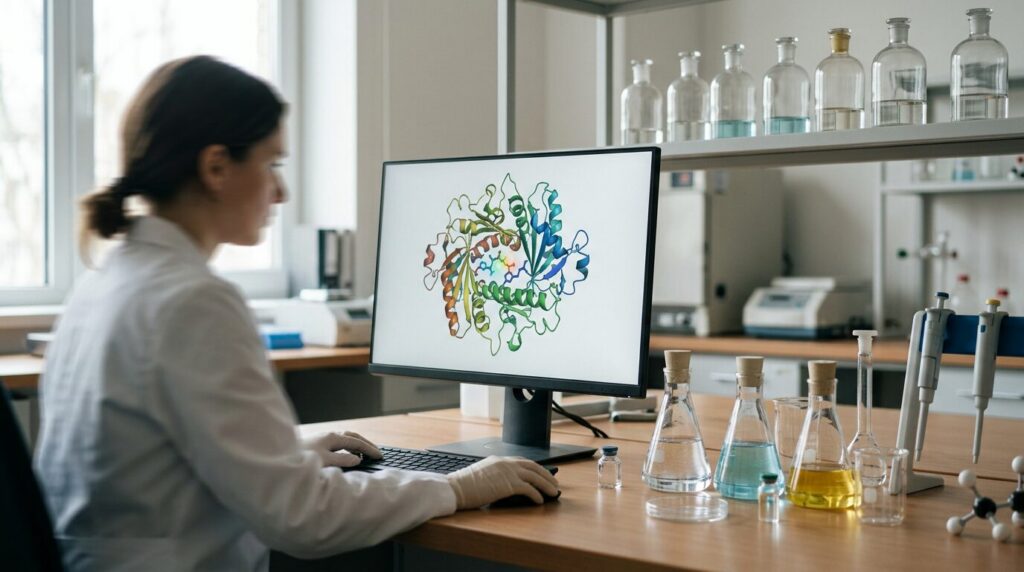
The recent clinical trial led by researchers at Justus-Liebig-Universität Gießen and Universität Helsinki evaluated Betain, marketed under the brand name Cystadane®, as a novel targeted intervention. In this study, published in Nature Communications, Betain functioned as a pharmacological chaperone—a specialized molecular helper designed to assist mutant proteins. The compound binds directly to the structurally compromised aspartylglucosaminidase enzymes produced by the body, enabling them to refold into their proper functional conformation. By restoring partial enzymatic stability, Betain allows the body’s own enzymes to resume their vital metabolic role in clearing accumulated compounds.
The clinical trial closely monitored 21 pediatric patients carrying a specific gene variant of aspartylglucosaminidase over an extensive period of 48 months. Throughout this long-term observation, researchers performed comprehensive metabolic and neurological assessments to measure the systemic impact of Betain administration. Laboratory analysis revealed a clear increase in serum enzyme activity among treated children during the course of therapy. Simultaneously, the concentration of toxic disease-related metabolic waste products excreted in urine decreased by nearly 70 percent. These biochemical improvements demonstrated that restoring enzyme structure significantly cleared systemic metabolic burden.
In addition to laboratory biomarkers, the research team documented meaningful improvements in neurodevelopmental and brain imaging parameters. Neuropsychological evaluations demonstrated measurable progress in verbal comprehension, information processing speed, and adaptive behavior in daily life activities. High-resolution magnetic resonance imaging scans showed a visible reduction in pathological iron accumulation within specific brain regions affected by the disease process. Prof. Dr. Ritva Tikkanen from the Biochemisches Institut am Fachbereich Medizin at Justus-Liebig-Universität Gießen emphasized that Betain, administered conveniently as an oral powder, represents an efficient, well-tolerated, and cost-effective approach to metabolic optimization.
The sustained biological and functional gains observed over the four-year study highlight the therapeutic potential of molecular chaperone therapy. The remarkable reduction in cerebral iron deposition is particularly significant, as iron overload in basal ganglia structures correlates with neurodegenerative progression in metabolic disorders. Participating children demonstrated enhanced ability to engage in educational and social activities, marking a clear functional shift. These combined biochemical, radiological, and clinical findings validate pharmacological chaperones as a viable strategy for inherited metabolic diseases.
Clinical Implications and Future Directions for Patients

For international families seeking advanced treatment options in Germany, these published findings offer valuable insights into emerging therapeutic paradigms for rare metabolic conditions. Although Betain is an established therapeutic agent, its specific application as a pharmacological chaperone in aspartylglucosaminuria represents a refined approach requiring careful medical supervision. Specialized university medical centers in Germany possess the necessary clinical expertise and diagnostic infrastructure to perform precise genetic profiling and baseline metabolic testing before initiating targeted therapies. Families consulting metabolic specialists can discuss whether individual genetic variants are suitable for chaperone-based intervention.
The oral powder formulation of Betain provides a practical advantage for long-term clinical management in pediatric populations. Because the medication is well tolerated and easily administered, it offers a realistic pathway toward manageable, lifelong metabolic support without invasive delivery methods. However, lead researcher Prof. Dr. Ritva Tikkanen notes that further scientific investigations are required to establish long-term clinical protocols. Ongoing research must determine how extended therapy influences cognitive trajectory into adolescence and adulthood.
A central question currently facing metabolic researchers is whether initiating therapy during early infancy can prevent neurological damage before irreversible clinical symptoms develop. Early screening and presymptomatic identification may allow clinicians to preserve normal brain development by stabilizing enzyme activity prior to metabolic waste accumulation. Future clinical protocols will aim to establish optimal dosing strategies and track patient cohorts over longer observational windows. German metabolic research centers continue to pioneer these investigational protocols, offering families comprehensive long-term care plans.
When planning a medical journey to Germany for rare disease consultation, patients and caregivers should prepare specific medical documentation for specialist review. Detailed genetic reports, prior neuroimaging scans, and metabolic laboratory results enable German metabolic experts to evaluate therapeutic candidacy efficiently. Open communication with treating physicians regarding potential clinical trial enrollment, baseline enzyme monitoring, and tailored rehabilitation strategies ensures a coordinated approach. As chaperone research advances, university clinics in Germany remain at the forefront of translating innovative biochemical discoveries into compassionate, individualised patient care.