 EN
The Department of Urology at Universitätsklinikum Carl Gustav Carus Dresden has expanded its surgical robotics capacity by introducing a second DaVinci Xi robotic system into routine clinical operation. This development enables the medical team to increase the overall volume of minimally invasive procedures while broadening the spectrum of urological conditions treated with robotic assistance. With more than 20 years of experience in surgical robotics and over 4,500 completed robotic operations, the center is preparing to establish robotic kidney transplantation in the first half of 2027, building upon its established robotic living kidney donation program.
Urological Conditions and the Need for Surgical Precision
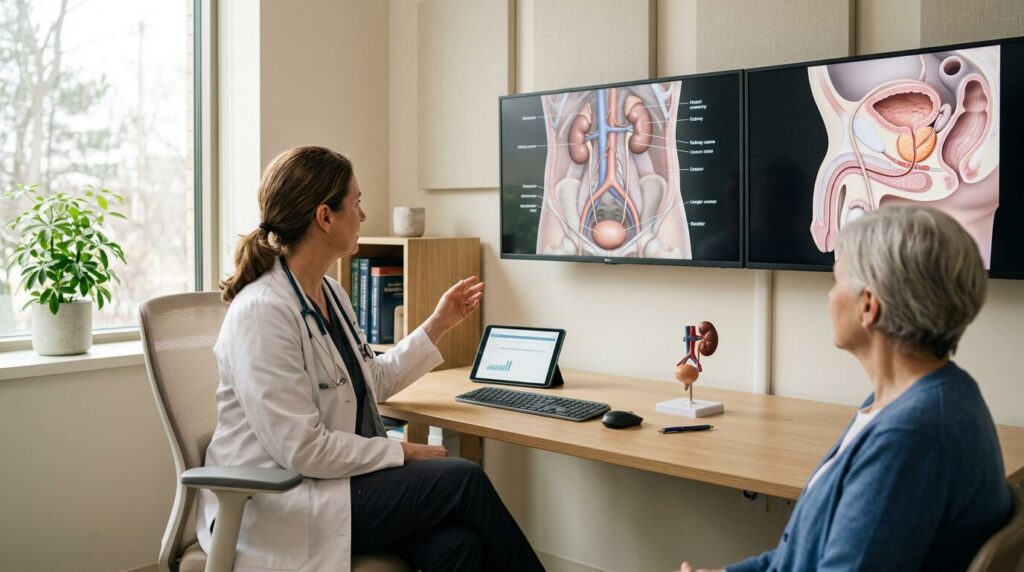
Urological pathologies encompass a wide spectrum of acute and chronic conditions affecting the urinary tract and male reproductive organs, ranging from complex anatomical abnormalities to malignant tumors. Malignancies such as prostate cancer and renal cell carcinoma represent a substantial proportion of clinical cases, requiring surgical interventions that thoroughly excise tumor tissue while preserving vital surrounding nerve bundles and blood vessels. In addition, structural defects, ureteral strictures, and functional urinary disorders severely impair patient quality of life and often necessitate delicate reconstructive procedures.
For patients with end-stage renal disease, kidney transplantation remains the most effective definitive treatment, restoring metabolic balance and removing the burden of long-term dialysis. However, surgical procedures involving pelvic and retroperitoneal organs are inherently complex due to deep anatomical access and dense vascular structures. Traditional open surgeries in these areas typically require substantial incisions, which can lead to pronounced postoperative pain, prolonged hospital stays, and extended recovery periods.
The rising complexity of cases, particularly among patients with multi-organ comorbidities, underscores the need for operative approaches that minimize tissue trauma without compromising clinical thoroughness. The urology department in Dresden manages nearly 5,000 inpatient and approximately 1,000 day-patient cases annually. Supported by more than 30 physicians and over 70 nursing staff members, the clinical team regularly manages high-complexity cases demanding tailored surgical techniques.
Advancements in Robotic Urology Infrastructure in Dresden
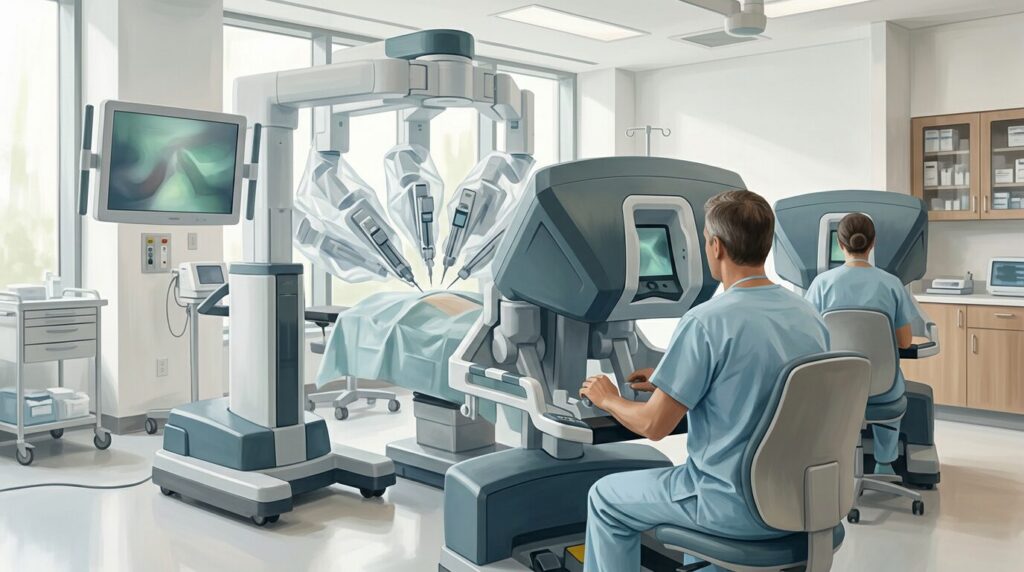
Robot-assisted surgery has established a central role in modern German urology. Robotic systems function as master-slave platforms where surgical instruments are controlled directly by experienced surgeons. The technology translates physical hand movements into high-precision micro-movements, filtering out natural hand tremor and providing high-definition three-dimensional visual feedback, which allows surgeons to work comfortably within tight anatomical boundaries.
Universitätsklinikum Carl Gustav Carus Dresden has utilized robotic surgical technology for over two decades, performing more than 4,500 procedures. To maintain high clinical standards, the department previously relied on a single DaVinci Xi platform implemented in late 2021, supported over the past three years by a HUGO robotic system. However, clinical routine demonstrated that the HUGO system was used almost exclusively for prostate procedures, highlighting the need for a more universally applicable setup.
To achieve maximum flexibility across all urological indications, the department replaced the specialized arrangement with a second DaVinci Xi system. Prof. Uwe Platzbecker, Medical Director of Universitätsklinikum Dresden, emphasized that patient benefit remains the paramount metric for applying robotic technology, as it assists surgical teams in delivering gentle and precise treatment for complex conditions. Department Director Prof. Christian Thomas noted that operating two universal platforms allows for expanded surgical capacity and more individualized patient care.
In the current year alone, the department has already completed 419 robotic operations, primarily for prostate and kidney cancer. This high procedural volume highlights the reliance on robotic systems for delicate oncological resections where tissue preservation impacts functional outcomes. Nevertheless, Prof. Christian Thomas stresses that overall surgical success depends fundamentally on the seamless collaboration between the medical and nursing staff.
Expanding Treatment Scope and Guidance for Patients

The addition of the second DaVinci Xi system facilitates significant growth in reconstructive and functional urology. These fields focus on repairing urinary tract strictures, restoring organ function, and performing intricate anatomical revisions. The enhanced visualization and wrist-articulated instrument mobility offered by the robotic platform allow surgeons to execute complex reconstructions with greater precision.
A major upcoming milestone is the planned establishment of robotic kidney transplantation in the first half of 2027. As one of the prominent transplantation centers in eastern Germany, the hospital has already successfully integrated robotic living kidney donor nephrectomy into its surgical spectrum. Managing Senior Physician Dr. Juliane Putz, responsible for kidney transplantation within the urology department, stated that extending robotic techniques to recipient transplantation is an essential step to maintain high quality standards while advancing minimally invasive procedures.
For international patients considering treatment in Germany, the expansion of dual robotic systems provides improved surgical scheduling and reduced waiting times. When consulting with urological specialists, prospective patients should inquire about the suitability of robotic techniques for their specific diagnosis, the operative team’s experience with dual-system setups, and expected recovery timelines.
Care at Universitätsklinikum Dresden is enhanced by close interdisciplinary collaboration across clinical departments and integration with the Nationales Tumorzentrum (NCT) Dresden. This network ensures that patients diagnosed with urological malignancies benefit from comprehensive diagnostic evaluations, tumor board reviews, and research synergies available at only a select few specialized tumor centers in Germany.