 EN
In October 2026, the Deutsche Gesellschaft für Gynäkologie und Geburtshilfe e.V. published an update to the S3-Leitlinie on the diagnosis and treatment of benign uterine diseases. This updated clinical guideline establishes unified standards for medical practice in German hospitals, covering both organ-preserving therapies and surgical procedures such as hysterectomy. For women experiencing symptoms like abnormal bleeding, pelvic pain, or reproductive challenges, these guidelines outline modern, evidence-based care options that prioritize individual patient preference and quality of life. Understanding these clinical recommendations helps international patients navigate their therapeutic choices when seeking expert gynecological care in Germany.
Benign Uterine Conditions and Their Impact on Women’s Health
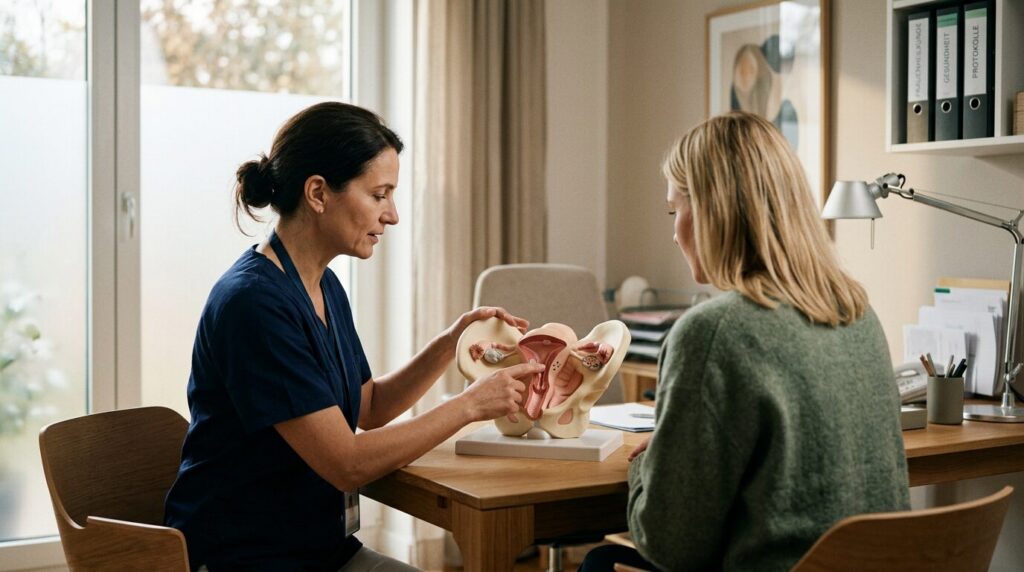
Benign uterine disorders represent a wide spectrum of non-cancerous conditions that affect women across different stages of life. Common diagnoses include uterine fibroids, which are benign muscular tumors known as myomas, as well as endometrial polyps and benign thickenings of the uterine lining. Other frequent conditions encompass endometriosis, adenomyosis, uterine prolapse, urinary incontinence, chronic pelvic inflammation, congenital malformations of the uterus or cervix, and a tendency toward recurrent pregnancy loss. Although these conditions are non-malignant, their physical impact can significantly impair a patient’s daily life, personal relationships, and overall well-being.
Symptoms associated with benign uterine diseases often overlap, which can make initial clinical recognition complex. Patients frequently report severe menstrual pain in the lower abdomen, heavy or irregular uterine bleeding, chronic pelvic pressure, and uncomfortable abdominal fullness. Difficulties during sexual intercourse, painful urination, and chronic pelvic discomfort are also widely documented. In many cases, these conditions contribute directly to fertility issues or involuntary childlessness, placing emotional stress on affected women and their families.
Because symptoms vary widely depending on the size, location, and nature of the tissue changes, early and comprehensive evaluation is essential. Women experiencing persistent pelvic discomfort or reproductive difficulties benefit from structured diagnostic approaches that differentiate harmless structural variations from conditions requiring active medical intervention. Recognizing the underlying cause of symptoms allows healthcare providers to tailor treatments to the specific medical and personal needs of each woman.
Diagnostic Standards and Modern Therapies in German Hospitals
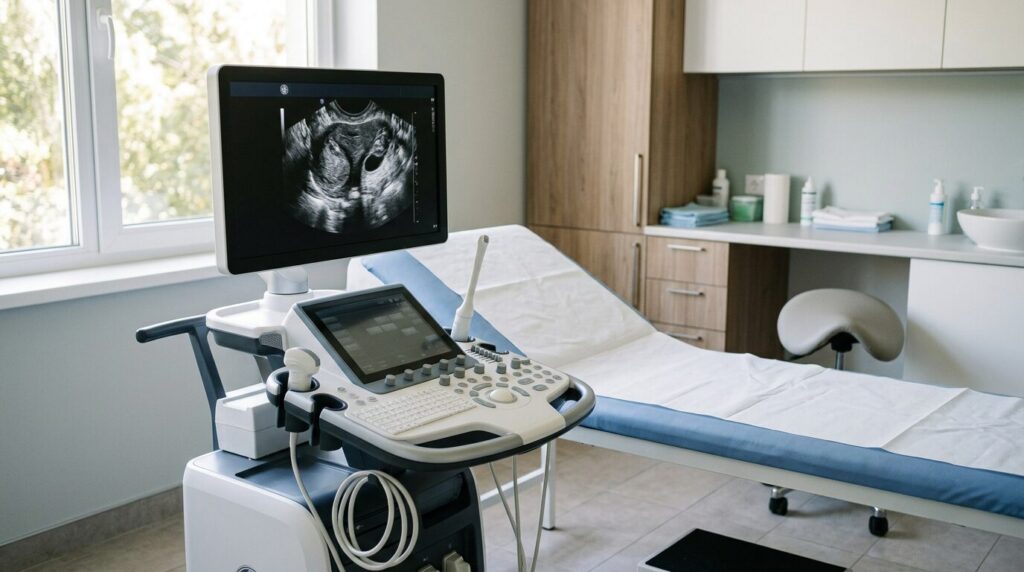
In modern German gynecological clinics, accurate diagnosis relies on a sequence of precise imaging and laboratory methods. The primary routine investigation for suspected uterine conditions is transvaginal ultrasound, which provides detailed real-time images of the pelvic organs. When clearer visualization is needed, specialists utilize advanced techniques such as three-dimensional 3D-Ultraschall, magnetic resonance imaging MRT, or contrast-enhanced ultrasound of the uterine cavity. Pelvic MRT is specifically recommended prior to interventional radiological procedures, before complex surgeries, or whenever there is any suspicion of malignant transformation.
Pathological examination plays an equally crucial role in confirming diagnoses and ruling out malignancy. When endometrial thickening or suspicious lesions are identified during a procedure such as curettage, complete tissue analysis and microscopic evaluation are conducted. Tissue samples obtained from hysterectomy specimens—whether performed for prolapse, genetic predispositions, obstetric indications, multiple fibroids, or structural anomalies—undergo detailed histopathological review. This rigorous diagnostic chain ensures that every patient receives a definitive diagnosis before initiating long-term therapy.
Modern therapeutic strategies in Germany emphasize organ-preserving options whenever clinically feasible. Pharmacological management of fibroids and bleeding disorders includes progestins, hormonal or levonorgestrel-releasing intrauterine devices, hemostatic agents, anti-inflammatory drugs, and GnRH analogs. Surgical removal of myomas can be considered to improve pregnancy rates in women seeking to preserve fertility. Furthermore, surgical procedures range from minimally invasive laparoscopic, vaginal, and robot-assisted hysterectomy to traditional open abdominal surgery, supported by structured perioperative care protocols like ERAS Enhanced Recovery After Surgery to accelerate healing and shorten hospital stays.
Key Innovations in the Updated S3 Clinical Guideline

The revised S3-Leitlinie, titled "Diagnostik und Therapie von benignen Erkrankungen der Gebärmutter," brings updated clinical recommendations to gynecological care in Germany. Prof. Dr. med. Thomas Dimpfl from Klinikum Kassel, who served as a guideline coordinator, emphasized that the choice of specific surgical methods must rely on participatory decision-making between the patient and the surgeon. This process requires thorough consideration of the advantages and disadvantages of each technique, the informed wishes of the patient, and the clinical expertise of the operating surgeon.
Surgical planning and post-operative management receive enhanced focus in the updated text. The guidelines dictate that pre-operative discussions must thoroughly address treatment alternatives, potential side effects, and expected outcomes while respecting the patient’s individual situation. Prof. Dr. Ingolf Juhasz-Böss from Universitätsklinikum Freiburg, also a guideline coordinator, highlighted the inclusion of the ERAS Enhanced Recovery After Surgery protocol. Implementing ERAS across clinical disciplines reduces post-operative hospital stays and accelerates recovery without increasing complication rates, readmission rates, or overall medical costs, ultimately enhancing patient satisfaction and quality of life.
Regarding infectious and inflammatory conditions of the uterus, the guideline provides distinct protocols for non-pregnancy-associated and pregnancy-associated infections. Prof. Dr. Markus Hübner from Universitätsklinikum Freiburg explained that non-pregnancy-associated infections require clinical examination, cervical swabs, transvaginal ultrasound, and potentially endometrial biopsy, with combination antibiotic therapy targeting common pathogens such as Chlamydia and Gonococci. Sexual partners should also be tested and treated accordingly. For pregnancy-associated bacterial inflammation, the guideline recommends broad-spectrum antibiotics or a single intrapartum dose of Azithromycin to prevent bacterial endometritis and maternal sepsis.
What the Updated Guidelines Mean for Patients Seeking Care in Germany

For international patients traveling to Germany for gynecological treatment, the updated S3-Leitlinie provides reassurance of standardized, high-quality care based on the latest scientific evidence. Because guidelines establish clear clinical pathways while remaining non-binding recommendations, German specialists adapt every treatment plan to the patient’s specific diagnostic profile and personal preferences. Patients can expect detailed pre-operative consultations that present both organ-sparing medical therapies and surgical choices in a transparent manner.
The updated guidelines give significant weight to holistic aspects of care, including chronic pelvic pain, fertility goals, and psychosomatic factors. In cases of chronic lower abdominal pain, German clinics offer multimodal treatment concepts that integrate physical therapy, exercise, and tailored cognitive behavioral therapy to address anxiety or depression that might affect recovery. Special consideration is also given to sexual function and psychological well-being, ensuring that patients are fully informed about how surgical interventions or conservative treatments might impact their long-term sexual and emotional health.
When preparing for a consultation at a German medical center, patients are encouraged to actively engage in the decision-making process. Useful questions to discuss with the attending specialist include asking whether organ-preserving options or conservative drug therapies are suitable for their condition, what minimally invasive surgical methods are recommended, and how the ERAS recovery protocol will be applied to their surgical plan. By fostering open dialogue with their care team, patients can feel confident that their treatment strategy balances clinical efficacy, safety, and personal life goals.
Source: Deutsche Gesellschaft für Gynäkologie und Geburtshilfe e.V.