 EN
EN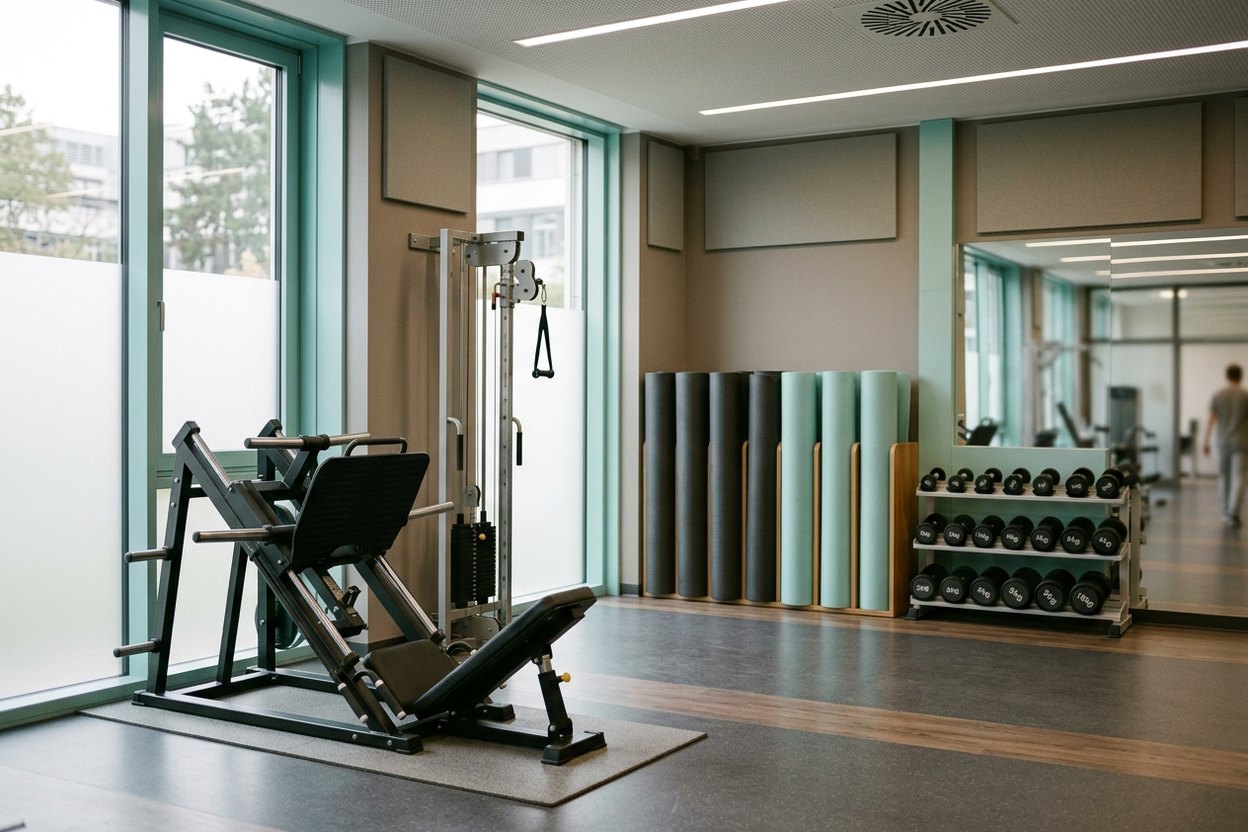
After joint surgery, a fracture or a spinal injury, the outcome is largely decided not by the operation itself but by what follows. Orthopaedic rehabilitation in Germany is about precisely that: restoring movement and removing pain so that a person can walk, work and manage without help again.
When it is needed
The reasons are many and different in nature. Recovery after hip or knee replacement, after operations on and injuries to the spine, after fractures and sports injuries. Chronic joint disease belongs here too — osteoarthritis and inflammatory conditions — as do states associated with osteoporosis and the after-effects of accidents. What they have in common is that function has been lost, wholly or partly, and has to be restored.
The point of the German approach is not to rest up but to bring movement back as early and as carefully as possible. The sooner a joint or a spine starts working in a correct, measured way, the smaller the risk that limited mobility becomes permanent.
First, an accurate assessment
The programme begins with an examination. The doctor looks at exactly how function is impaired: where movement is restricted, what hurts, how the person stands and walks, what load is safe now. The usual methods are used — X-ray, ultrasound, CT or MRI where needed — along with functional tests that show what the joint and the muscles can actually do. The plan follows from that picture, rather than the same set of procedures being prescribed for everyone.
What recovery consists of
The basis of orthopaedic rehabilitation is movement under supervision: exercise therapy and physiotherapy, measured training on equipment, work on balance and gait and, where useful, exercises in water, where the load on the joints is gentler. The muscles around the joint are gradually strengthened so that it has firm support.
Alongside this the person relearns everyday skills — how to stand up and sit down safely, how to climb stairs, how to live with a new joint replacement. That matters especially in the first weeks, when a wrong movement can undo the result of the operation. Where there is chronic pain and after severe injuries, psychological support and social reintegration are added to the programme: returning to work and to ordinary life is part of recovery too.
Where it takes place
Germany has specialist orthopaedic rehabilitation clinics with modern diagnostics and their own laboratories. One example is Medical Park Bad Wiessee St. Hubertus on the shore of Lake Tegernsee, about an hour from Munich. The clinic specialises in orthopaedics, trauma and sports medicine and is the official rehabilitation clinic of the German Ski Association as well as a partner of Bavaria’s Olympic training centre. Among its doctors is Professor Thomas Wessinghage. That standing means methods developed with elite athletes are applied to ordinary patients too.
The choice of clinic should follow the particular task: recovery after a joint replacement, after spinal surgery or after a sports injury calls for different experience and equipment. The centre is chosen for the problem, not the other way round.
This material is for information only and does not replace a consultation with a doctor. The rehabilitation programme, its extent and its length are determined individually after an examination in person.