 EN
EN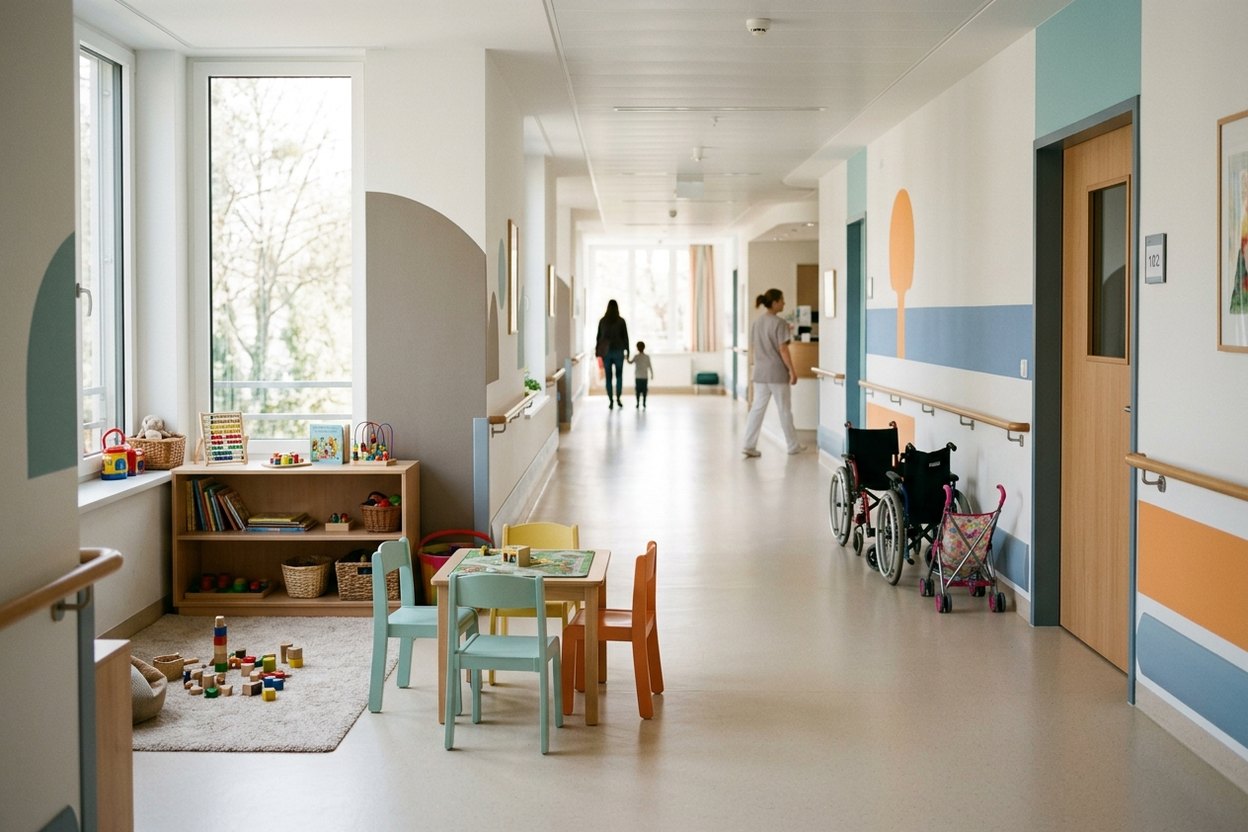
Children’s hospitals in Germany are stand-alone paediatric hospitals and the children’s centres of university hospitals, and they also treat children from abroad. Yet a parent is not looking for “a country with good medicine” but for a department that sees their child’s diagnosis often.
Below: how a children’s hospital differs from an adult one, the types of paediatric centre, choosing by diagnosis and travelling with a child. The specialities are described on Treatment of children in Germany; partner hospitals with children’s departments are listed after the text.
How a children’s hospital differs from an adult ward
Mainly in its people: children are looked after by paediatric anaesthetists, surgeons, intensivists and oncologists. To them a child is not “an adult, only smaller”: drug doses are calculated from weight or body surface area and adjusted for age, instruments and catheters come in children’s sizes, and anaesthesia differs between a newborn and a teenager.
Second, the family stays close. The ward allows a parent to be with the child around the clock, which lowers the stress for both, and on general wards a parent usually shares the child’s room. Larger children’s hospitals also have play therapists, psychologists for children and parents, and a hospital school for long courses of treatment.
Third, everyday life: the daily routine, food and surroundings are designed for children, with play rooms on the wards. This is not decoration; a calmer child copes better with examinations and procedures.
The types of paediatric centre
There are three main types: university children’s hospitals, free-standing children’s hospitals and paediatric centres inside university complexes; a general hospital’s children’s ward is built mainly for common illnesses. University children’s hospitals take the rare and complex diagnoses. The Dr. von Hauner Children’s Hospital (LMU) in Munich, founded in 1846 and part of LMU Klinikum, keeps paediatrics and paediatric surgery under one roof; its fields include paediatric oncology and haematology, bone marrow transplantation and genetics.
Free-standing children’s hospitals treat only children and adolescents, across many specialities. The Altona Children’s Hospital in Hamburg’s Ottensen district has been working since 1859 and has been part of the University Medical Center Hamburg-Eppendorf (UKE) since 2006. It has 221 inpatient beds and 31 day-care places; its strengths are paediatric surgery with a burns unit, orthopaedics and spinal surgery, and neurosurgery.
The third type sits inside a university complex. At the Center for Child and Adolescent Medicine Heidelberg, which treats everything from rare genetic and metabolic disorders to paediatric oncology and cardiology, paediatricians, paediatric surgeons, geneticists and radiologists reach the diagnosis together. No one has to carry the case between specialists.
“The best children’s hospital in Germany”: how the choice is really made
Parents often look for “the best children’s hospital in Germany”, but Germany has no state ranking of children’s hospitals, and the lists published by magazines follow each magazine’s own method. The state instead requires hospitals to publish an annual quality report showing how many patients each department treated and for which diagnoses.
Instead of a rank, four things are compared: a certified centre for the field in question; how many children with this diagnosis the department treats a year; its own paediatric intensive care unit and laboratory; and who will follow the child after discharge. Paediatric cancer centres, for instance, are certified by the German Cancer Society, which sets a minimum yearly caseload.
Doctors matter too. At the Dr. von Hauner Children’s Hospital, Prof. Christoph Klein, a paediatric haematologist and oncologist, directs the paediatric clinic (see Paediatric oncology in Germany) and Prof. Oliver Muensterer heads paediatric surgery. At the Altona Children’s Hospital, Prof. Philippe Stock, a paediatric pulmonologist, is the medical director; PD Dr Kiril Mladenov is acting head of paediatric orthopaedics, where Prof. Alexander S. Spiro leads deformity and bone tumour surgery (see Paediatric orthopaedics in Germany), and PD Dr Dirk W. Sommerfeldt runs paediatric trauma surgery.
What a trip with a child needs
Medical records come first, then the visa, accommodation and interpreter. Discharge letters, images with reports, and laboratory and genetic results are translated and sent to the department, and a German paediatric specialist gives a remote opinion before the trip: whether the department will take the case and what must be repeated on site.
Whether a visa is needed depends on nationality, as the Federal Foreign Office’s table of visa requirements shows. If it is, the child and the accompanying parent both apply with the hospital’s invitation; embassies usually ask for a hospital letter with the appointment, expected duration and cost, and for minors a parental authorisation signed by both parents. Accommodation is found near the hospital, an interpreter joins the talks with the doctor, and a trip can last from a short assessment to a long course where the hospital school matters.
Frequently asked questions
Do children’s hospitals in Germany accept patients from abroad?
Yes. Partner hospitals’ children’s departments accept children from abroad, but the hospital decides after reviewing the medical records: doctors judge whether they can help with this diagnosis, then give dates and a cost estimate. If a department declines, the records go to one that sees such cases more often.
Can a parent stay in the hospital with the child?
Yes, this is normal practice in children’s hospitals, although for older children it is decided case by case. Parents usually cannot stay overnight in intensive care, so the hospital helps with a room in a nearby parents’ house. Check meals and other arrangements before travelling.
How will my child understand the doctors?
Through a medical interpreter, who explains the diagnosis and plan to the parents and tells the child what matters before a procedure. Larger children’s hospitals also have play therapists who show an examination through play. Between talks a parent is at the bedside, so agree in advance when the interpreter should be present.
How AlenMed arranges treatment
AlenMed chooses the children’s department from the child’s diagnosis, not from the loudness of a hospital’s name. It works with 86 partner hospitals in 38 cities and 345 doctors; the company office is in Munich.
The child’s records are translated and sent to the paediatric department as an enquiry; the hospital issues its official cost estimate and the visa invitation. On arrival the family is met, a medical interpreter attends the talks with the doctors, and the invoice comes from the hospital itself.
This page is for information only and is not an offer. It does not replace a consultation: treatment is decided by the doctor who sees the child, and the final cost and programme are set once the hospital has reviewed the medical records.
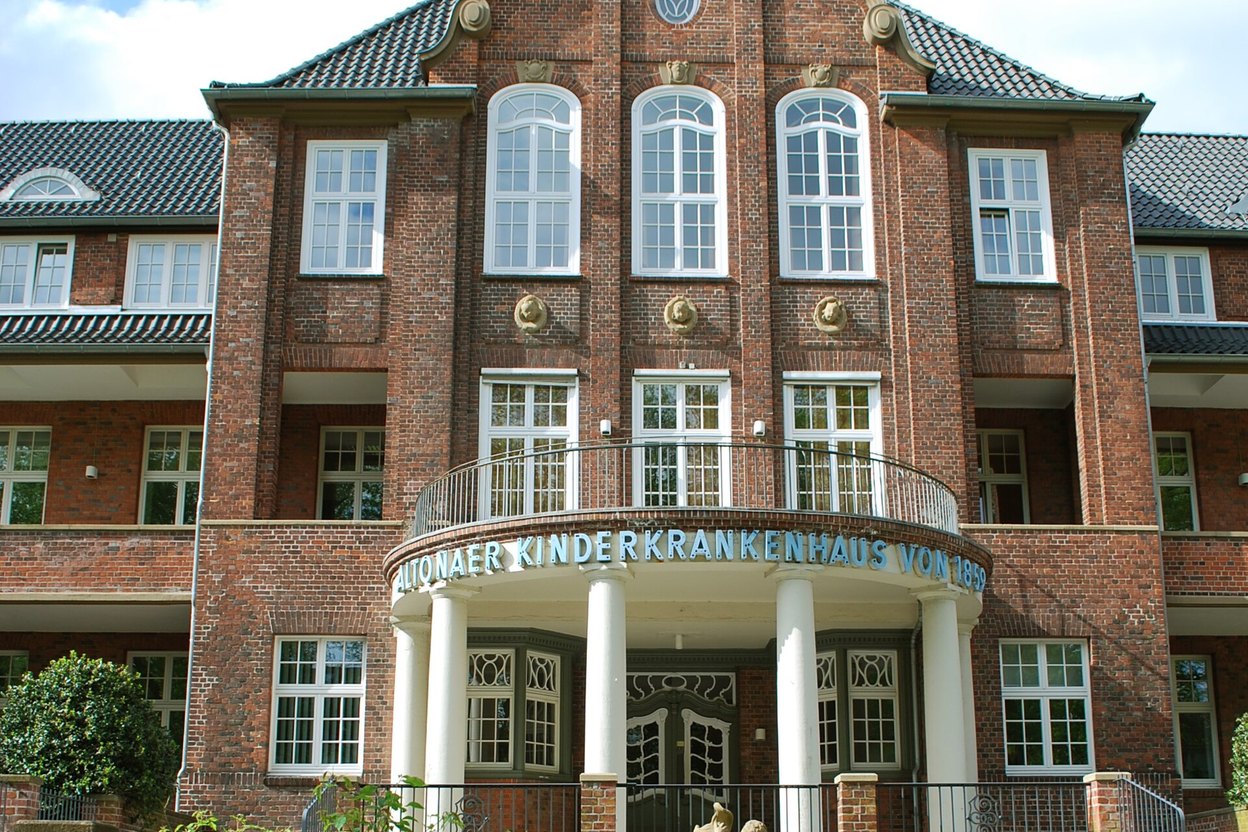
Altona Children's Hospital
A children's hospital in Hamburg's Ottensen district, working since 1859 and part of the Hamburg-Eppendorf university hospital (UKE) since 2006. Its strengths are paediatric surgery with a burns unit, spinal orthopaedics and paediatric neurosurgery.
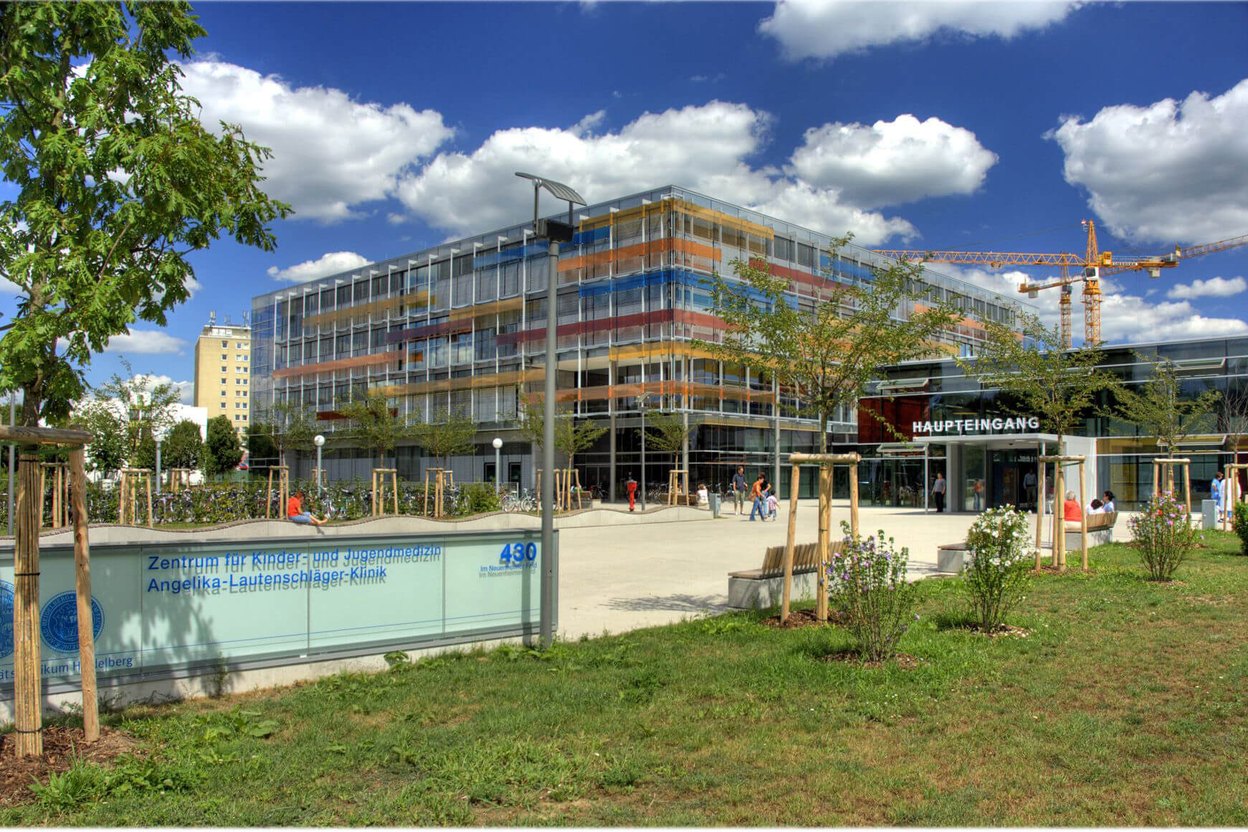
Center for Child and Adolescent Medicine Heidelberg
The paediatric part of the Heidelberg university medical centre, treating children from rare genetic and metabolic disorders to childhood cancer and heart disease. Paediatricians, surgeons, geneticists and radiologists decide each case together.

Dr. von Hauner Children’s Hospital in Munich (LMU)
A university children's hospital in Munich, founded in 1846 and part of LMU Klinikum. Paediatrics and paediatric surgery work under one roof, with strengths in child oncology and haematology, bone-marrow transplantation and genetics.