 EN
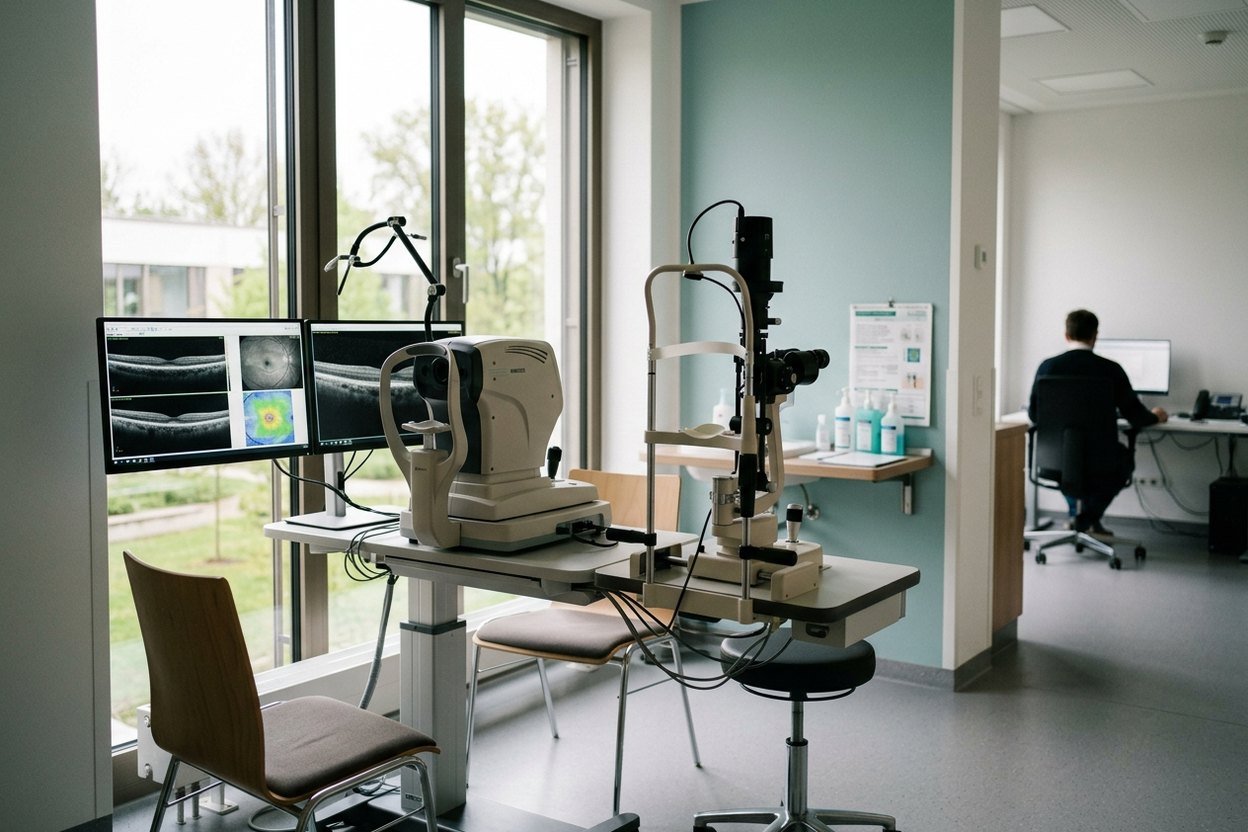
Modern eye hospitals in Germany welcome international patients facing a wide range of vision disorders, from age-related cataracts to complex retinal dystrophies and corneal diseases. German ophthalmic centers combine precision hardware diagnostics with microsurgery, allowing specialists to preserve and restore vision even in complex clinical cases. This overview helps you navigate specialized centers and select the right institution for your specific medical needs.
How specialized eye clinics differ
Specialized centers are generally divided into university medical centers and specialized private clinics. Large academic institutions, such as Heidelberg University Eye Hospital (Heidelberg), Tuebingen University Eye Hospital (Tübingen), or the Eye Center at Cologne University Hospital (Köln), focus on complex retinal pathologies, eye tumours, severe glaucoma, and corneal transplants. These facilities handle intricate surgical procedures on the posterior segment of the eye alongside multi-disciplinary care. In contrast, specialized facilities like the Herzog Carl Theodor Eye Clinic (München) focus primarily on elective microsurgery, laser vision correction, and cataract procedures. Selecting between them depends on whether your condition requires extensive interdisciplinary monitoring or targeted outpatient surgery with a short hospital stay.
How to choose an eye hospital
When selecting a medical center, consider your exact diagnosis, surgical requirements, hospital accreditation, and necessary outpatient arrangements. For those seeking comprehensive eye treatment in Germany, AlenMed handles every stage of medical organization. The Munich-based team requests an official cost estimate from the selected clinic, secures official invitations for medical visa processing, and coordinates professional medical interpreters throughout your stay. Professional assistance with arranging medical treatment in Germany ensures smooth scheduling and transparent budgeting. You can submit your medical records via our contact form for an initial review. Please see the list of hospitals below.
This information is provided for reference purposes only and does not constitute a public offer. The final diagnostic and treatment plan is determined by the attending physician after reviewing the patient’s medical documentation.
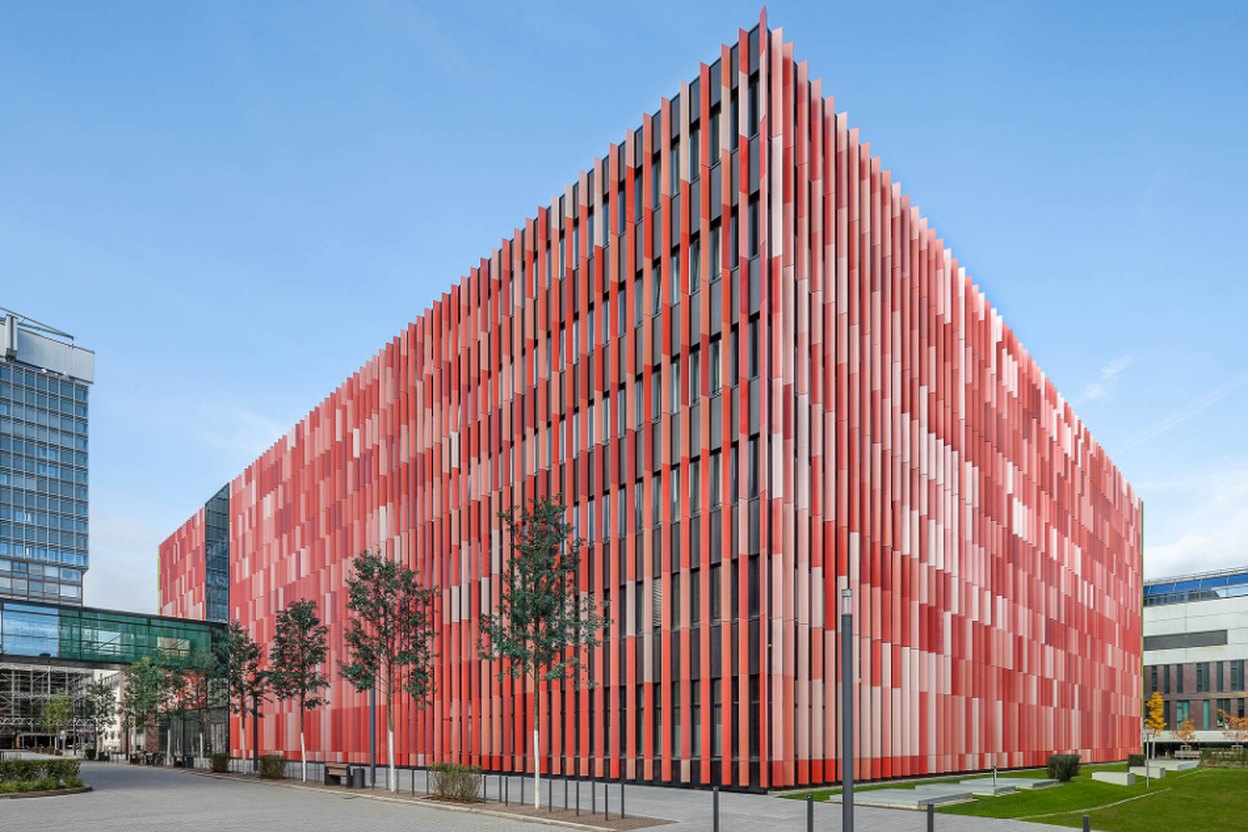
Eye Center at Cologne University Hospital
Retinal and corneal surgery and paediatric eye surgery are the main fields of this university eye centre in Cologne. A separate unit cares for rare eye diseases, including congenital and inherited dystrophies.
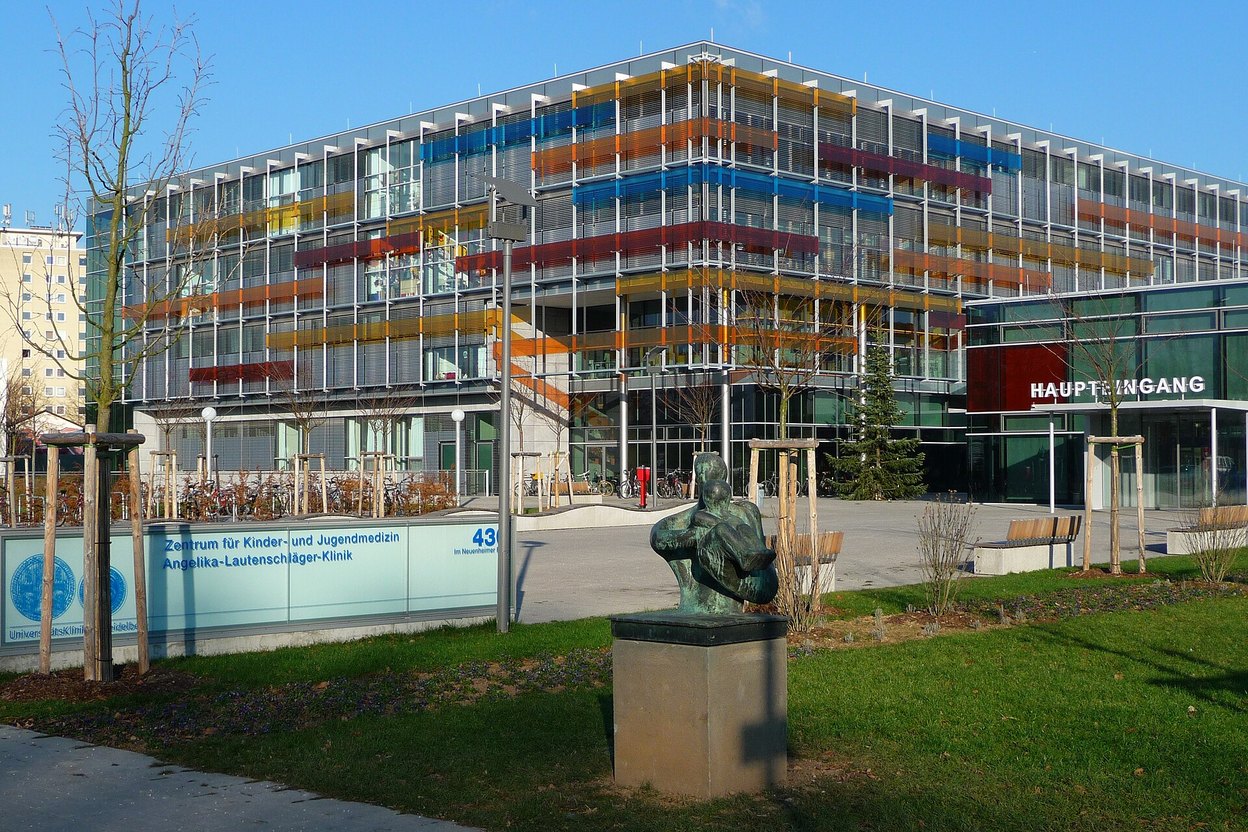
Heidelberg University Eye Hospital
The eye hospital of Heidelberg University Hospital, one of the largest medical complexes in Germany with 2,599 beds. Retinal disease, corneal surgery and transplantation, and glaucoma are its main fields, supported by the university's own laboratories.

Herzog Carl Theodor Eye Clinic
A specialised eye hospital with 56 beds in the Maxvorstadt district of Munich, founded in 1895 by Duke Carl Theodor in Bavaria, himself a practising eye surgeon. Cataract surgery, retinal disease and refractive procedures are its main work.

Tuebingen University Eye Hospital
Part of the Eberhard Karls University Medical Centre in Baden-Württemberg, with its own eye clinic building since 1909. Care focuses on retinal disease, glaucoma and hereditary disorders of vision, closely tied to university research.