 EN
EN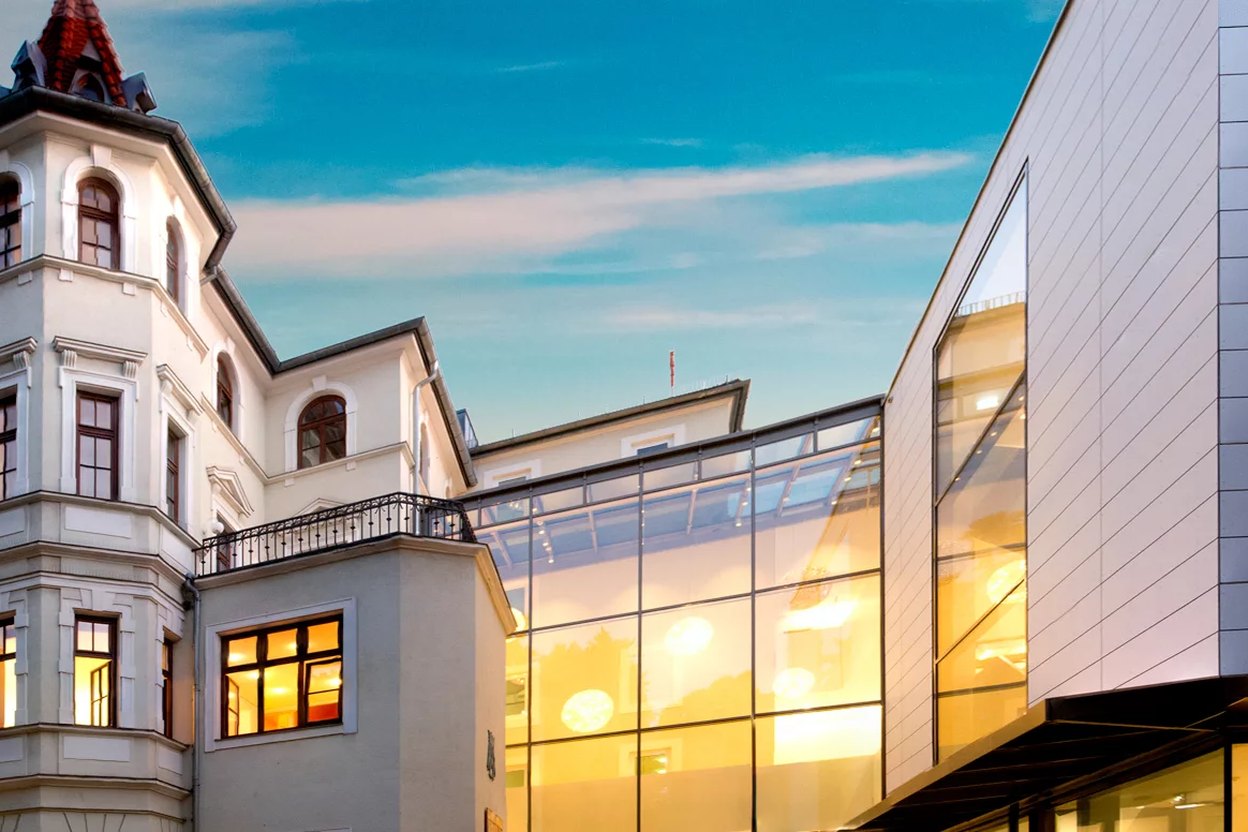
The Herzog Carl Theodor Eye Clinic (Augenklinik Herzog Carl Theodor) is a specialized ophthalmic hospital located in the central Maxvorstadt district of Munich, Bavaria. The medical facility focuses exclusively on surgical and conservative eye treatment in Germany, covering cataract procedures, retinal diseases, and refractive surgical interventions. With a total capacity of 56 inpatient beds, the clinic provides comprehensive inpatient care and structured post-operative recovery within an environment fully dedicated to vision care. Among specialized hospitals in Germany and partner clinics, this institution is distinguished by its focused specialization in ophthalmology, where clinical workflows, specialized diagnostic equipment, and microsurgical operating theaters are completely optimized for treating conditions of the human eye. International patients choose this center for targeted diagnostic evaluations and complex ophthalmic operations.
History and founding year
The history of this specialized medical institution dates back to the late nineteenth century, when Duke Carl Theodor in Bavaria established a dedicated eye clinic in Munich in 1895. Duke Carl Theodor was a fully qualified physician and ophthalmic surgeon, as well as a brother of Empress Elisabeth of Austria, widely known as Sisi. The initiative to establish a dedicated eye hospital was strongly encouraged by his wife, Princess Marie-José of Portugal. To accommodate the new clinical center, the couple purchased a residential building in Munich and converted it into a modern medical facility. Originally named the Charitable Institute for Impoverished Eye Patients, the clinic allowed the Duke to perform eye surgeries and clinical consultations free of charge for underprivileged patients, fully funding the clinic’s ongoing operation from his personal wealth.
At the time of its opening, the 56-bed facility was the largest specialized ophthalmic center in Munich, exceeding even the capacity of the local university hospital’s eye clinic. Princess Marie-José actively assisted her husband during complex microsurgical operations and managed the administrative organization of the entire medical house. To ensure that the hospital would continue its specialized work after the Duke’s death, she established the Duke Carl Theodor Eye Clinic Foundation (Stiftung Augenklinik Herzog Carl Theodor). This sustainable legal and financial foundation enabled the clinic to maintain continuous medical operations over subsequent decades, preserving its distinct architectural presence, historical heritage, and primary focus on specialized surgical eye care.
Clinic doctors
The clinical leadership and surgical departments at the hospital are headed by experienced academic specialists in the field of ophthalmology. The positions of chief physicians (Chefaerzte) are held by Prof. Dr. Christos Haritoglou and Prof. Dr. Maximilian Schultheiß. Both Prof. Haritoglou and Prof. Schultheiß oversee the principal surgical units, focusing on complex operations involving the posterior eye segment, advanced retinal microsurgery, vitreoretinal interventions, and intraocular lens implantation techniques. Under their direct supervision, specialized surgical teams carry out detailed pre-operative diagnostics, execute precise microsurgical procedures, and manage post-operative monitoring for both inpatient and outpatient care. Patients undergoing treatment benefit from structured medical oversight, structured clinical standards, and modern treatment methods designed to preserve and restore visual acuity.
Location of the clinic
The clinic is situated in Munich within the central and culturally rich district of Maxvorstadt. This urban area is known for its academic atmosphere, quiet residential streets, and excellent transportation links across the entire Bavarian capital. For international patients traveling from abroad, this central location offers significant logistical convenience, as the hospital can be reached easily from Munich Central Station (Hauptbahnhof) or Munich International Airport. The local public transit infrastructure includes convenient underground subway lines (U-Bahn) and suburban rail networks (S-Bahn), making local transport simple and predictable for accompanying family members, visitors, and patients attending post-operative outpatient follow-up appointments. The proximity to Munich’s urban center also allows patients and their families access to nearby hotels and supportive municipal infrastructure.
Detailed arrival guidance, including specific transit routes and local public transport options, is provided to patients in advance as part of their official hospital documentation package. When planning a medical journey to Munich, AlenMed assists in arranging airport transfer and accommodation in Germany tailored specifically to the mobility and visual requirements of ophthalmic patients. The exact street address and reception building details are provided directly in the official hospital invitation letter. This individual coordination ensures that patients arrive directly at the correct admission department at their designated appointment time, avoiding navigation difficulties or unnecessary stress. Having organized transport in place allows patients to focus entirely on their upcoming procedure and recovery.
Meals, patient rooms, and leisure
Inpatient accommodation at the Herzog Carl Theodor Eye Clinic is thoughtfully organized to meet the visual and recovery needs of patients undergoing delicate eye surgery. The hospital features dedicated patient rooms (Patientenzimmer) designed with glare-controlled lighting systems to reduce strain on sensitive eyes during post-operative recovery. The facility operates an on-site restaurant and catering service (Verpflegung) offering daily meal choices structured around medical recommendations and individual dietary preferences. In addition, established visiting hours (Besuchszeit) allow family members and close companions to visit patients during designated daytime and evening hours without disturbing routine clinical checks, diagnostic procedures, or essential rest schedules. This balance between personal support and clinical routine helps create a stable, quiet setting for visual rehabilitation.
The hospital grounds include a quiet private park (Park) where recovering patients can enjoy peaceful walks in a tranquil outdoor setting. Within German specialized clinics, single or double rooms with enhanced amenities are available as private elective service options or coordinated through international patient departments. Patient rooms are equipped with adjustable medical beds, nurse call systems, private sanitary facilities, and high-speed wireless internet access (WiFi). This peaceful healthcare environment aids in minimizing physical stress after surgery, which is particularly beneficial for individuals recovering from delicate microsurgical retinal, corneal, or cataract operations. Providing high standards of comfort during inpatient stays supports the overall healing process and enhances patient well-being.
How to arrange treatment
Arranging medical care at the clinic begins with the submission of current ophthalmic records, such as optical coherence tomography (OCT) scans, visual field measurements, or clinical reports from a local ophthalmologist. German eye specialists examine these diagnostic materials to verify treatment suitability and compile an official cost estimate (Kostenvoranschlag). Reviewing the expected cost of treatment and payment in Germany beforehand provides patients with complete financial clarity regarding surgical fees, inpatient accommodation, and physician consultations. All payments for medical services are remitted directly to the clinic’s official bank account without third-party markups or hidden fees. This direct billing process ensures total transparency and compliance with official German medical tariff guidelines.
Once payment or the required deposit is confirmed, the hospital issues an official medical invitation necessary for visa processing. AlenMed manages the complete process of arranging medical treatment in Germany, which includes translating medical reports into German, providing dedicated medical visa for Germany: application support, and coordinating professional medical interpreters and personal support in Germany. The assigned interpreter accompanies the patient to clinical consultations with chief physicians, assists during formal hospital admission procedures, and translates all post-operative eye care instructions and medication schedules clearly. Comprehensive coordination ensures that international patients feel fully supported and informed throughout every stage of their medical stay in Munich.
Send your documents for evaluation
To obtain a preliminary medical opinion from German eye specialists and receive an initial cost calculation, submit your existing ophthalmology records, diagnostic scans, and medical history through the consultation request form. The AlenMed team will process your documentation, translate essential clinical data into German, and forward your case directly to the hospital’s medical team. Following a thorough review of your medical file, you will receive an official response detailing recommended therapeutic options, estimated costs, and potential appointment dates for your consultation and treatment in Munich. Taking this initial step allows you to plan your travel and medical care with confidence and full clinical guidance.
The information provided on this page is for general informational purposes only and does not constitute a public offer, binding legal document, or formal medical recommendation. Final diagnostic requirements, treatment strategies, and total costs are determined individually and formally confirmed in the clinic’s official cost estimate (Kostenvoranschlag) following an in-person consultation with a physician.