 EN
EN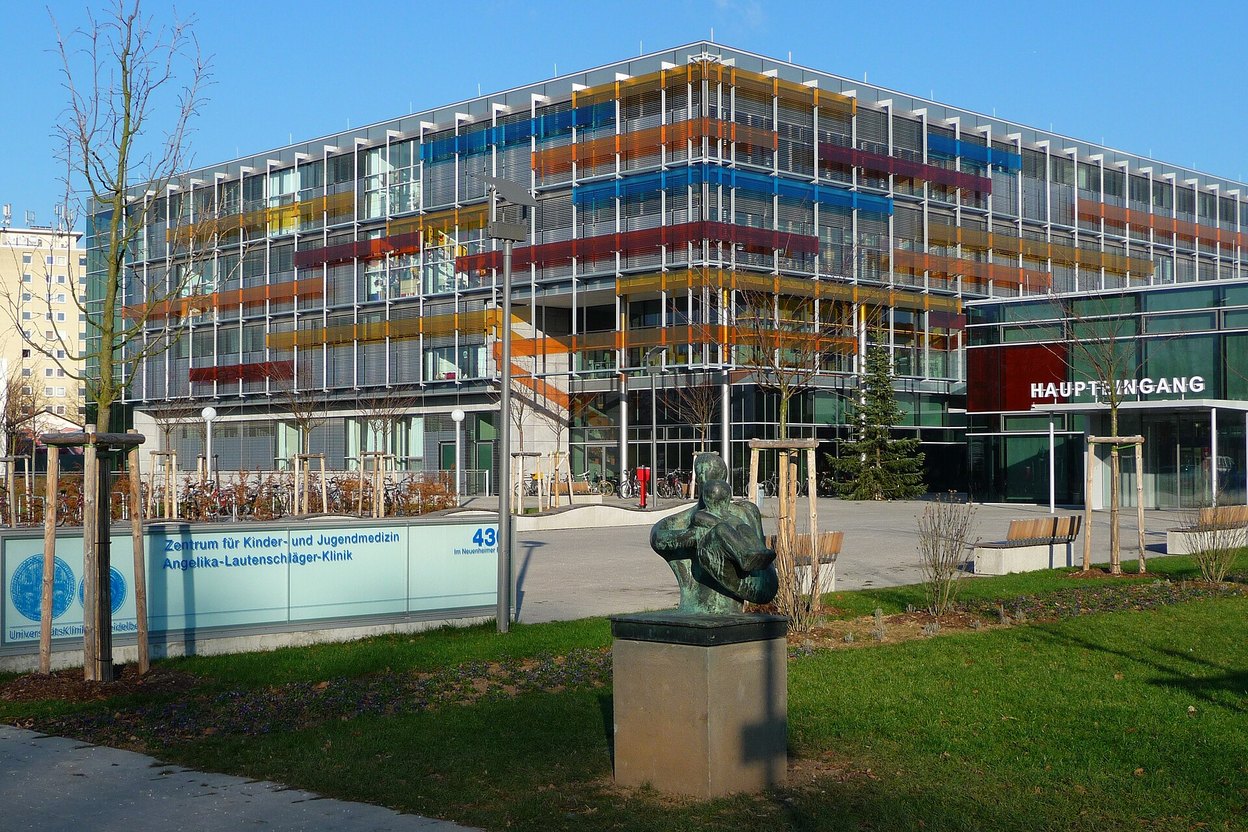
The Heidelberg University Eye Hospital forms an integral part of Heidelberg University Hospital, one of the largest medical centers in Germany, comprising 2,599 beds across its complex. Situated in the western part of Heidelberg in Baden-Württemberg, the eye clinic provides comprehensive clinical care for diseases affecting the retina, cornea, and glaucoma management. International patients seeking advanced ophthalmic care can access specialized diagnostics and surgical treatments through contract arrangements, utilizing the combined expertise of academic medical departments and interdisciplinary research institutes. As part of a major state-owned university medical center, the clinic integrates clinical ophthalmology with clinical trials, genetic evaluation, and modern surgical techniques for patients traveling abroad for eye treatment in Germany.
History and Academic Tradition
Medical institutions in Heidelberg possess a profound academic tradition that traces back to 1388, when early medical faculties were established at the University of Heidelberg. Over the centuries, these historical roots expanded into a major state-owned healthcare facility serving the state of Baden-Württemberg. Today, the university hospital complex balances routine inpatient care with biomedical research across Europe. The continuous evolution of medical science in Heidelberg has allowed specialized disciplines, such as ophthalmology, to grow from small university clinics into highly specialized clinical centers. This long-standing tradition ensures that modern diagnostic standards and patient care protocols are continually refined through evidence-based research.
The development of specialized eye care in Heidelberg progressed alongside the modern transformation of academic medicine throughout the region. The eye clinic developed into a tertiary referral facility that combines complex microsurgery, specialized laboratories for ocular pathologies, and training environments for medical specialists. Today, the broader university hospital network encompasses fifty clinical departments and eleven medical-theoretical institutes, where ophthalmic care remains a key focus area. By maintaining close ties with fundamental scientific research, the facility continues to adopt validated diagnostic techniques, specialized surgical approaches, and multidisciplinary treatment protocols, making hospitals in Germany and partner clinics a frequent choice for complex cases.
Departments and Specialities
- Department of Cornea and Transplantation Surgery (Abteilung für Hornhaut- und Transplantationschirurgie)
- Department of Anaesthesiology (Klinik für Anästhesiologie)
- Department of Surgery (Chirurgische Klinik)
- Department of Diagnostic and Interventional Radiology (Klinik für Diagnostische und Interventionelle Radiologie)
- Department of Palliative Medicine (Klinik für Palliativmedizin)
- Centre for Child and Adolescent Medicine (Zentrum für Kinder- und Jugendmedizin)
- Centre for Orthopaedics, Trauma Surgery and Paraplegiology (Zentrum für Orthopädie, Unfallchirurgie und Paraplegiologie)
- Institute of Human Genetics (Institut für Humangenetik)
- Institute for Medical Informatics (Institut für Medizinische Informatik)
- Centre for Personalised Medicine (Zentrum für Personalisierte Medizin)
The ophthalmic departments focus heavily on conditions affecting both the anterior and posterior segments of the eye. Patients frequently present with retinal detachment, age-related macular degeneration, severe forms of glaucoma, and corneal opacities requiring surgical intervention. Corneal transplantation and intricate vitreoretinal procedures require close cooperation between specialized microsurgeons and the Department of Anaesthesiology to ensure patient safety during complex procedures. In cases involving congenital eye anomalies or pediatric ophthalmic conditions, the eye specialists work in close consultation with the Centre for Child and Adolescent Medicine, ensuring that surgical interventions for young patients are conducted under tailored clinical protocols.
In addition to core eye care services, the hospital structure incorporates the Institute of Human Genetics and the Centre for Personalised Medicine. This interdisciplinary setup is especially beneficial for individuals diagnosed with rare inherited ocular syndromes or complex systemic conditions impacting vision. When evaluating uncertain clinical presentations, ophthalmologists collaborate directly with geneticists and diagnostic radiologists to perform comprehensive evaluations. Due to this integrated infrastructure, undergoing preliminary medical diagnostics in Germany allows clinicians to establish precise diagnoses for complex pathologies that might otherwise remain unclear, ensuring that each treatment plan is supported by interdisciplinary consensus.
Clinic Doctors
The medical team at the clinic includes experienced physicians who contribute to clinical practice and scientific research in ophthalmology. Among the key specialists working within the departments are Dr. med. Semi Harrabi and Dr. med. Maximilian Köppe. These doctors oversee specialized clinical sectors, conduct complex microsurgical operations, and participate in academic research projects focused on ocular diseases. Their ongoing clinical activity ensures that patient care adheres to current clinical guidelines and international safety standards, offering patients reliable diagnostic assessments and structured surgical interventions based on modern ophthalmic research.
Location and Accessibility
The medical center is situated in the historic city of Heidelberg, specifically within the Neuenheimer Feld district. Positioned on the right bank of the Neckar River, this area serves as a centralized campus housing natural science faculties, research institutes, and university hospital departments. The concentration of medical and scientific facilities within a single district streamlines movement between different clinic buildings when patients require interdisciplinary consultations, specialized laboratory testing, or pre-operative imaging. This urban layout provides an organized setting where patients can access multiple diagnostic services without needing to travel across different parts of the city.
Traveling to Heidelberg is straightforward for international visitors arriving at Frankfurt Airport or Stuttgart Airport, both of which offer direct high-speed rail connections and bus services to the city center. Local public transportation, including trams and buses, operates frequently between the main railway station and the Neuenheimer Feld campus. Patients do not need to worry about navigation, as the precise street address, building location, campus map, and specific check-in instructions are provided in the official clinic invitation letter. This ensures a clear arrival process upon entering Germany.
Meals, Wards, and Inpatient Comfort
Inpatient accommodations at the university hospital complex are designed to support recovery in a structured clinical environment. Patients can choose standard or upgraded single-patient and two-patient rooms equipped with adjustable hospital beds, staff call systems, and private sanitary facilities. The catering service provides regular meal options, including specialized dietary, diabetic, or vegetarian menus tailored to medical requirements. Within the medical campus grounds, several cafeterias and dining options are accessible to visiting family members and accompanying persons during waiting hours or outpatient visits, ensuring comfort throughout the stay.
Visiting regulations are designed to allow family members to support patients during designated hospital visiting hours. The surrounding Neuenheimer Feld campus features extensive green spaces and walking paths along the Neckar River, offering a tranquil environment for patients recovering from surgical procedures. Inpatient facilities provide Wi-Fi access, enabling patients to maintain communication with relatives at home. Standard accommodation covers essential medical needs, while single-occupancy rooms and upgraded comfort services are available upon request as optional elective hospital choices.
Accessing Treatment for Foreign Patients
To initiate treatment, international patients submit their available medical documents, including previous eye reports, optical coherence tomography (OCT) scans, and visual field tests. Medical coordinators at AlenMed prepare a precise German translation of the patient’s file and forward it to the appropriate clinic specialists for review. Following the physician’s evaluation, the hospital issues an official preliminary cost estimate (Kostenvoranschlag), detailing the expected medical expenditures for the planned diagnostic or surgical procedure according to standard rules on the cost of treatment and payment in Germany.
Once the advance payment is transferred directly to the clinic’s official bank account, the hospital issues a formal medical invitation letter. This document is essential for securing an expedited visa through medical visa support for Germany for both the patient and their accompanying family member. Throughout the stay, AlenMed provides coordination services, arranging transfers and assigning an experienced medical interpreter in Germany to accompany the patient during doctor consultations, pre-operative evaluations, and hospital discharge discussions.
Submit Documents for Case Review
If you require an independent medical opinion or specialized surgical intervention for a complex eye condition, you can submit your medical records for preliminary assessment. The team at AlenMed will assist in organizing a review by qualified specialists and help arrange your visit to the university hospital center. To begin the evaluation process, please complete the contact form on our website and upload your current diagnostic reports.
This material is provided for informational purposes only and does not constitute a public offer or professional medical advice. The final diagnostic plan, treatment strategy, and exact total costs are determined by the attending physicians based on individual medical documentation and the official preliminary cost estimate provided by the clinic.