 EN
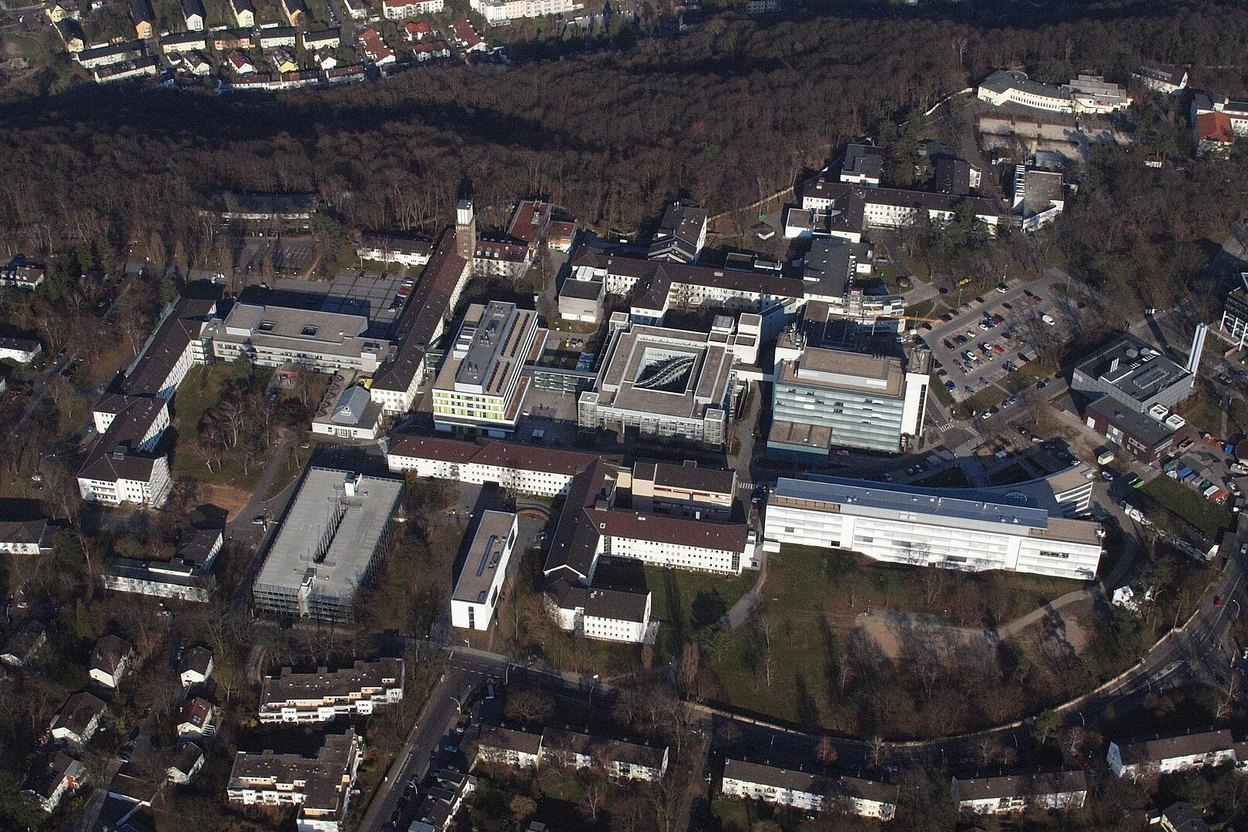
Hospitals in Bonn, Germany, come down to one large university hospital on the Venusberg and a few specialised institutions, not a dozen comparable hospitals. Nobody searches for a city: people search for a department that will take their case, and Bonn comes up either because the right department is here or because Cologne and its airport are next door.
Below: the city’s university hospital, its departments and their heads, where patients go in Bonn after a stroke or a severe neurological illness, how to get there and what an international patient must arrange. Still choosing a city? Start with hospitals in Germany.
Bonn as a place to be treated
Bonn, the former capital of West Germany, is a compact university city on the Rhine where treatment is concentrated in a small area. Its medical faculty dates from 1818, and today’s hospital grew out of that faculty’s clinics. Bonn is no metropolis like Berlin or Munich, which usually works in a patient’s favour: distances are short, and the hospital sits in a quiet hillside district, the Venusberg, where it was rebuilt after the war.
Bonn and neighbouring Cologne form one agglomeration with a shared Cologne/Bonn airport, so the choice between the two cities is usually decided by which department has the right focus, not by the map. If that department is next door, see hospitals in Cologne.
Universitätsklinikum Bonn
Bonn University Hospital (Universitätsklinikum Bonn, UKB) is a maximum-care hospital with 1,341 beds; as of 2024, around 9,900 people worked there in patient care, research and teaching. Maximum care means the hospital is obliged to take the most complicated cases and to keep a full set of specialties, including those that never pay for themselves.
The clinical campus on the Venusberg was built anew after the old hospitals in the city centre were destroyed in the air raids of 1944.
International patients are admitted through the International Medical Service: their medical records go there rather than to the department and are assessed first. An appointment takes time because the patient needs a place in a specialist department, not in the emergency room. See also our page on university hospitals in Germany.
The departments patients come to Bonn for
The departments that draw patients to Bonn include epileptology, vascular neurology, oncology and women’s health. Epilepsy is treated by the department and outpatient clinic for epileptology, headed by Professor Rainer Surges. It is a separate centre because of video-EEG monitoring: for several days, brain activity is recorded together with video to capture seizures and find where they start. The recordings help select patients who may benefit from surgery, which a general neurology ward does not do.
Vascular neurology, covering stroke and its aftermath and diseases of the brain’s blood vessels, is headed by Professor Gabor Petzold. Radiotherapy and radiation oncology is run by Professor Eleni Gkika, and integrated oncology by Professor Ingo Schmidt-Wolf, who sits on the board of the Bonn tumour centre.
Women’s health covers gynaecology and gynaecological oncology under Professor Alexander Mustea and senology, the care of breast disease, under Professor Andree Faridi. The hospital also has its own neuroradiology department, which images the brain and its vessels; without it, neither neurology nor neurosurgery can work. The executive board is chaired by Professor Uwe Reuter, who is also the hospital’s medical director.
Rehabilitation in Bonn
Bonn has the Godeshöhe neurological rehabilitation centre (Johanniter-Klinik Godeshöhe), a separate institution that takes patients after a stroke, a brain injury or brain surgery once the acute phase is over. Neurological rehabilitation there is headed by acting chief physician Angelina Dimovska. It is a different kind of institution from a university hospital: nobody operates there, patients are taught to walk, speak and manage on their own again, and they stay for weeks.
This matters if you travel from abroad: when brain surgery or stroke treatment is planned, the question of rehabilitation is settled in advance, otherwise the patient flies home halfway through recovery. See also neurological rehabilitation clinics in Germany.
Travel, language and where to stay
Getting to Bonn is straightforward: the nearest airport is Cologne/Bonn, and trains run to Bonn from Frankfurt and Düsseldorf. Distances inside the city are short, and city buses run from the main station up to the Venusberg campus.
The hospital’s International Medical Service answers requests in English, but discharge letters and surgical consent forms are written in German, so an interpreter is not a courtesy but the only way to know what you are signing. Accommodation for a companion is arranged near the hospital in advance; the Venusberg has hotels in various price categories.
Frequently asked questions
Which hospitals are there in Bonn?
The main hospital is the university hospital on the Venusberg, a maximum-care hospital that takes on the most complicated cases. For recovery after a stroke, a brain injury or brain surgery, the city has a separate neurological rehabilitation centre, Godeshöhe. If no department in Bonn has the right focus, patients look next door in Cologne.
How do I get to Bonn for treatment?
Fly to Cologne/Bonn, the nearest airport, where a bus leaves for Bonn’s main station. Trains also run to Bonn from Frankfurt and Düsseldorf. From the main station, city buses go up to the university hospital on the Venusberg, with stops right at the campus.
Do I need an interpreter in Bonn?
Yes, for conversations about treatment and for signing documents. The International Medical Service answers requests in English, but discharge letters and consent forms are in German. The hospital itself advises patients who do not speak German to bring an interpreter to the briefing before a procedure, so that they know exactly what they are agreeing to.
How AlenMed organises treatment
Once you get in touch, AlenMed has your discharge letters, imaging and laboratory results translated and sent to the department that fits the case. The department’s answer says whether it accepts the patient, what still has to be examined on site, how long the stay would be and whether rehabilitation should follow. If you only need the documents assessed, without travelling, ask for a second opinion from a German doctor.
AlenMed works with 86 partner hospitals in 38 cities and 345 doctors, and the company office is in Munich. A coordinator handles the invitation for the visa, the appointment and the interpreter.
This material is for information only and is not an offer; treatment is decided by the doctor who examines the patient in person.
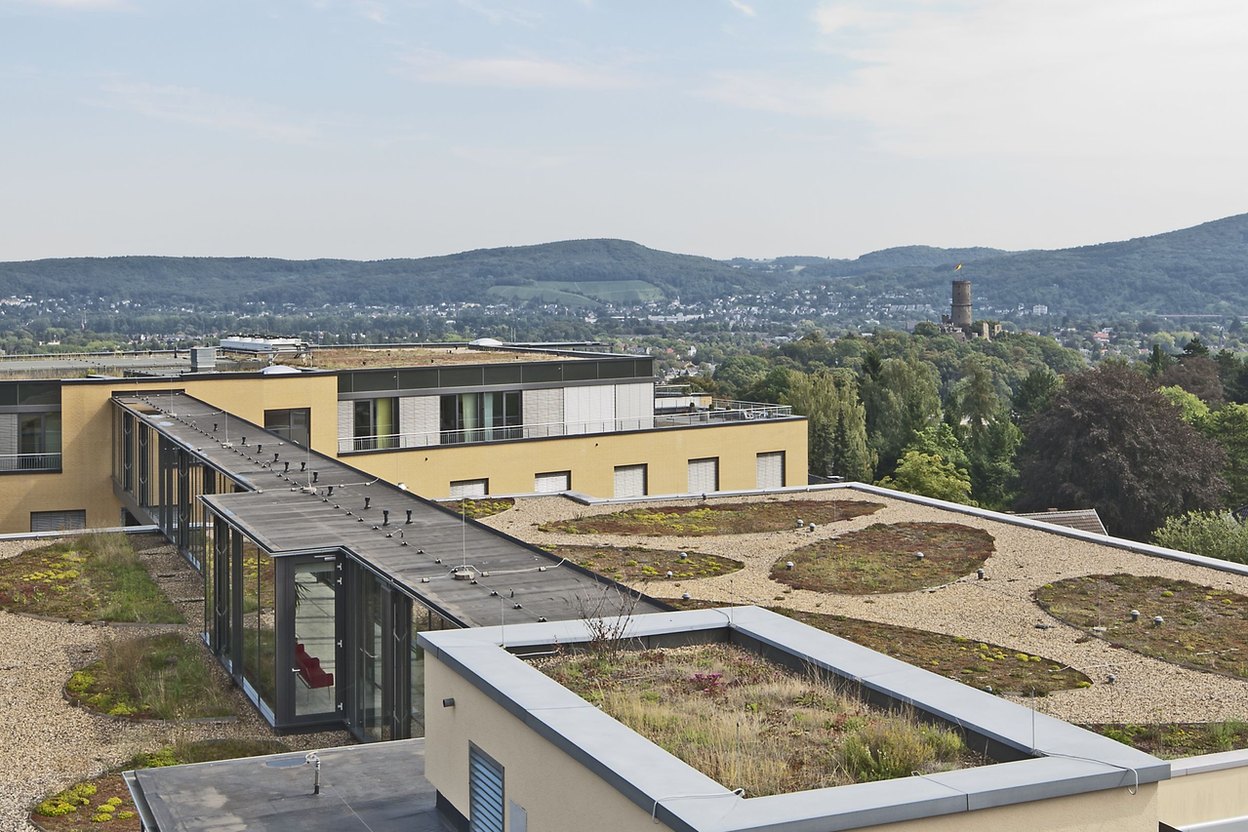
Godeshöhe Neurological Rehabilitation Center
A neurological rehabilitation centre in the Bad Godesberg district of Bonn, run under the Johanniter organisation. It covers recovery after stroke, brain injury and neurosurgery, with a spinal cord injury unit and a ward for weaning off ventilation.
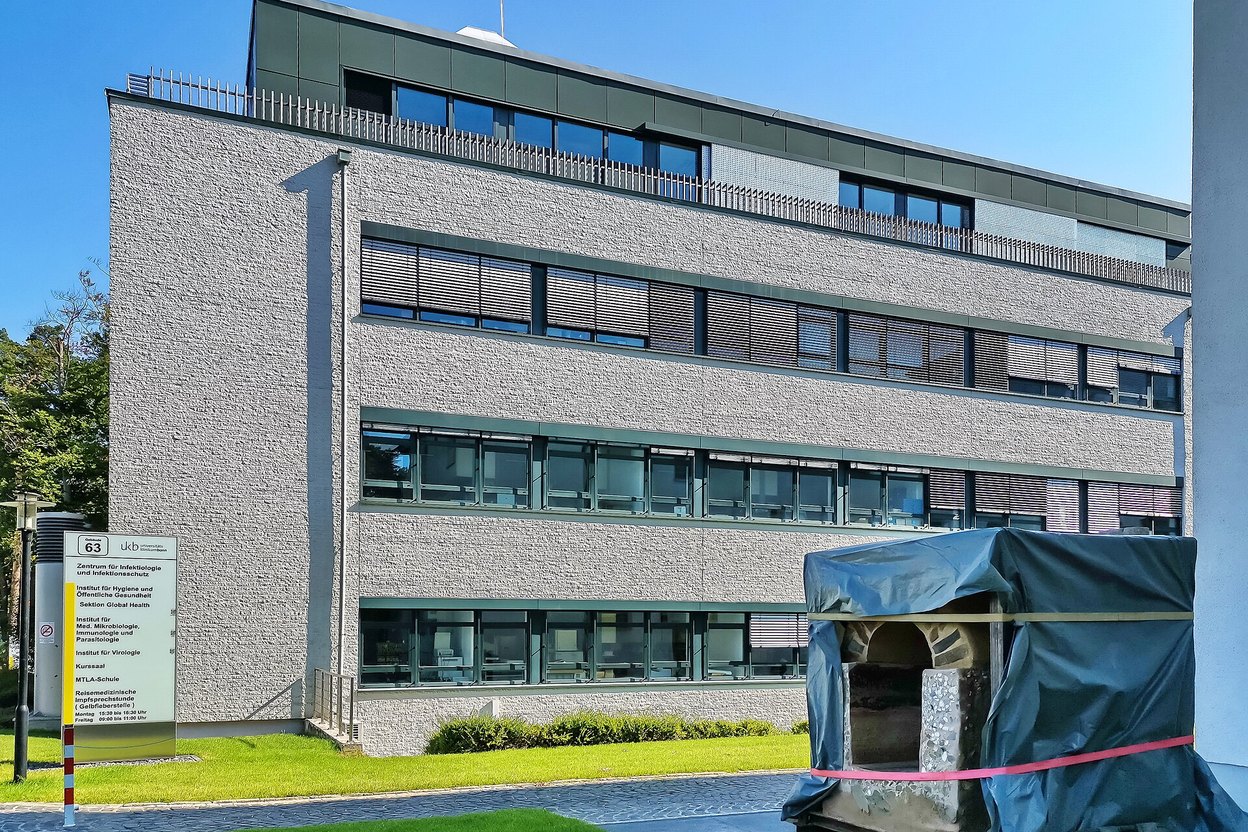
Bonn University Hospital
A tertiary care university centre in Bonn, North Rhine-Westphalia, with 1,341 inpatient beds and close to ten thousand staff. Its specialised departments include epileptology, vascular neurology, neuroradiology, gynaecological oncology and radiotherapy.