 EN
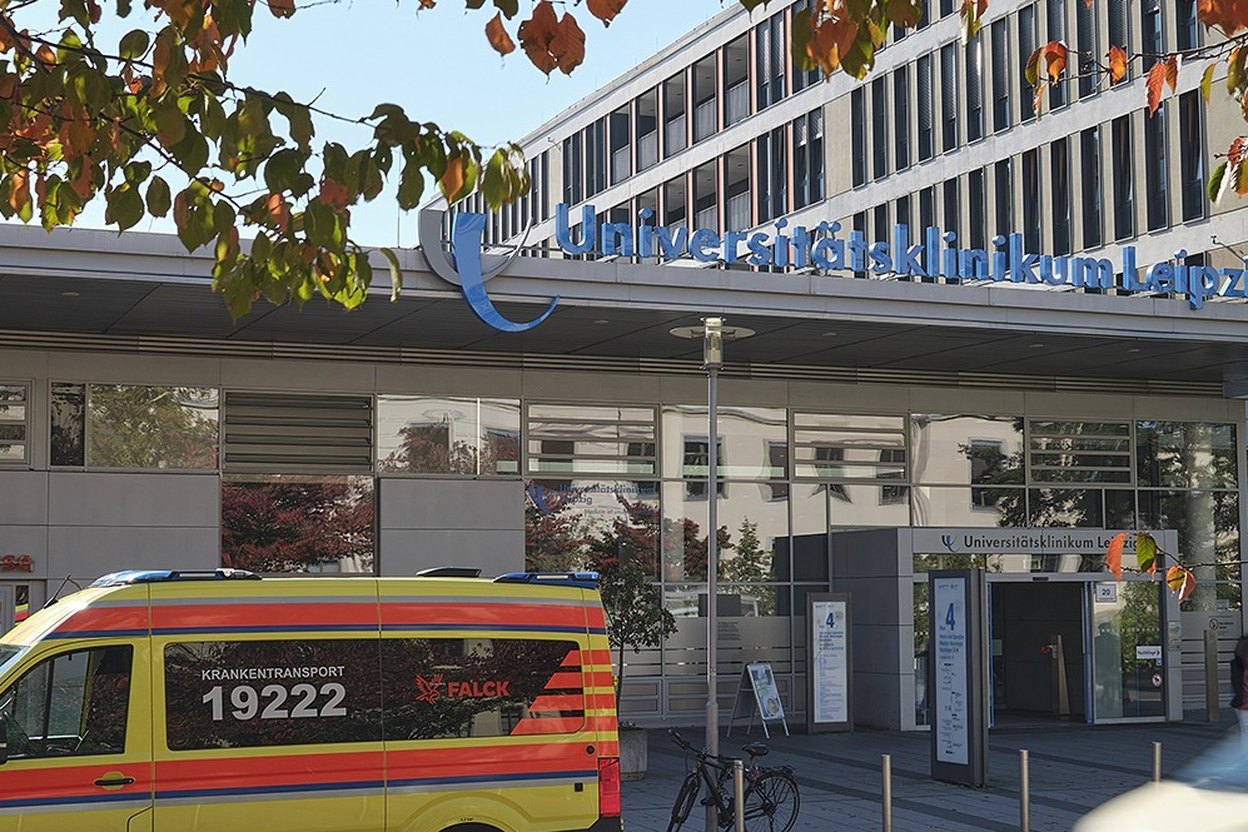
A patient searching for a hospital in Leipzig usually has one of two reasons: a cardiac diagnosis that needs a large centre, or a referral to a university hospital for a case nobody at home will take on. Medically, Leipzig is a Saxon city in eastern Germany with one of the country’s oldest medical faculties. Its heart centre treats patients from far beyond Saxony.
This page covers which hospitals in Leipzig take patients from abroad, what their departments are known for, what a first visit involves and how to reach the city. It names no prices or waiting times: the hospital puts those in writing for a named patient. For other cities, see hospitals in Germany.
The university hospital
University Hospital Leipzig is the largest hospital in the city, with 1,451 beds and more than 8,000 staff including the medical faculty, in 61 clinics and departments and 10 institutes. Leipzig University’s medical faculty was founded in 1415, a few years after the university itself in 1409, which makes it one of the oldest in Germany: useful context, not a promise of anything.
How a university hospital works often surprises patients. It combines routine care with research: difficult and rare cases are welcome, but through a formal referral and a case review, not a walk-in appointment. Several departments discuss a complex case together, and the answer comes as a written plan. University hospitals in Germany have a page of their own.
The departments patients from abroad ask for most (not a ranking): oncology, gastroenterology, hepatology and pulmonology under Professor Florian Lordick; urology under Professor Jens-Uwe Stolzenburg, a Fellow of the Royal Colleges of Surgeons of Edinburgh, England and Glasgow; cardiology under Professor Ulrich Laufs; visceral, transplant, thoracic and vascular surgery under Professor Daniel Seehofer, who leads hepatobiliary surgery (liver and bile ducts) and visceral transplantation; orthopaedics, trauma and plastic surgery under Professor Christoph-Eckhard Heyde, who heads spinal surgery and the children’s spine centre; neurosurgery under Professor Erdem Güresir; and gynaecology under Professor Bahriye Aktas.
The heart centre
Helios Heart Center Leipzig is a specialist hospital for cardiac surgery, cardiology and paediatric cardiology. It opened on 16 September 1994 on a new site in Probstheida and has been privately run ever since, first by Rhön-Klinikum and since 2014 by Helios. A cooperation agreement with the Free State of Saxony and Leipzig University gives these three departments university-clinic status, and the centre’s senior doctors are members of the medical faculty. With 400 beds it is one of the largest heart centres in Germany; cardiology is headed by Professor Holger Thiele.
What this means for a patient: a hospital that does nothing but hearts has its own intensive care, its own catheter laboratories for procedures through a blood vessel, and a paediatric cardiology department in the same building, which matters for congenital heart defects and repeat operations. The case is accepted on the records first, and the centre itself states which examinations it wants repeated on site.
Which specialties the city is asked for
Patients come to Leipzig mainly for heart surgery and interventional cardiology (catheter treatment instead of open surgery), including for children; oncology with a full range of imaging and pathology; transplant and hepatobiliary surgery; spinal surgery for adults and children; urological surgery; and neurosurgery. A simple logic helps: for one operation the surgeon’s department matters, while for a complex diagnosis the size of the hospital around it matters more.
To be honest about what Leipzig is not: it is not a resort town or a rehabilitation destination. Rehabilitation after surgery usually happens elsewhere, arranged separately, and the discharge letter carries the case onward. For the nearest alternative in Saxony, see hospitals in Dresden.
Getting there and practical questions
Leipzig is easy to reach by air and rail: Leipzig/Halle airport serves the city, direct long-distance trains run from Berlin and Frankfurt, and the main station is one of Europe’s largest railway terminals. Trams run from the station to the university hospital; the heart centre is reached by tram to Probstheida and then by bus.
Paperwork decides how fast an appointment can be made: dated reports, imaging on disc rather than paper, pathology slides and tissue blocks where a tumour is involved, and a current medication list, all translated. Without them, a hospital in Leipzig cannot say «yes». A medical visa for Germany also needs the hospital’s invitation (the German embassy in Doha lists the hospital’s appointment letter as required), so the records come first.
Then the stay: accommodation for a companion near the hospital, the length of stay the department proposes, who interprets at the consultation and on the ward round, and who receives the discharge letter at home.
Frequently asked questions
Which hospitals in Leipzig accept patients from abroad?
Both large hospitals do: University Hospital Leipzig and the Helios Heart Center. The university hospital says it treats patients from around the world and asks them to clarify formalities and payment with the clinic beforehand. The heart centre takes patients from abroad through the Helios international service. Either way, it starts with translated records.
Where should a heart patient go in Leipzig?
Heart surgery and children’s heart care mean the heart centre: by its own account, the university hospital covers all of medicine except cardiac surgery and paediatric cardiology. Both have cardiology departments. If heart disease comes with other serious conditions, doctors decide on the records, and a request can go to both.
How do I get from the airport to the hospitals in Leipzig?
From Leipzig/Halle airport, S5 and S5X suburban trains run to the main station and stop at Bayerischer Bahnhof, the station for the university hospital. For the heart centre, take a tram to Probstheida, then the bus to its terminus at the centre. An AlenMed coordinator meets the patient on arrival.
How AlenMed organises treatment
After the first contact, a medical interpreter translates the records for the departments in Leipzig and, where it makes sense, for one comparable department in another city. The reply brings the doctor’s opinion, proposed dates and a written cost estimate; the medical visa paperwork is prepared alongside.
AlenMed works with 86 partner hospitals in 38 cities and 345 doctors; the company office is in Munich. A coordinator books the appointment, meets the patient, interprets at the consultation, helps with accommodation and makes sure the discharge letter and follow-up plan reach the doctor at home.
This material is for information only and is not an offer; treatment is decided by a doctor at a face-to-face examination.
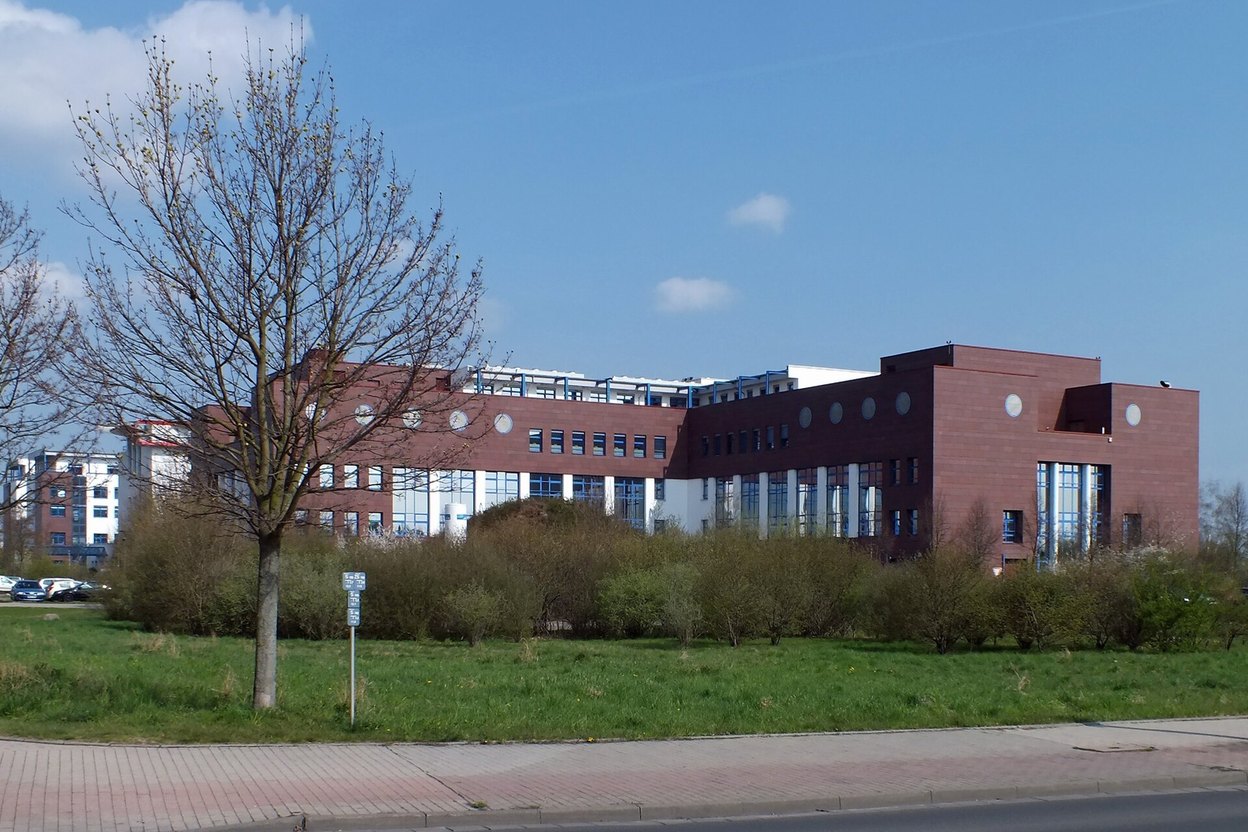
Helios Heart Center Leipzig
A heart-only centre in Saxony devoted to cardiac surgery, cardiology and rhythmology, with 440 inpatient beds. Opened in 1994, it holds university hospital status under an agreement with Saxony and the University of Leipzig.
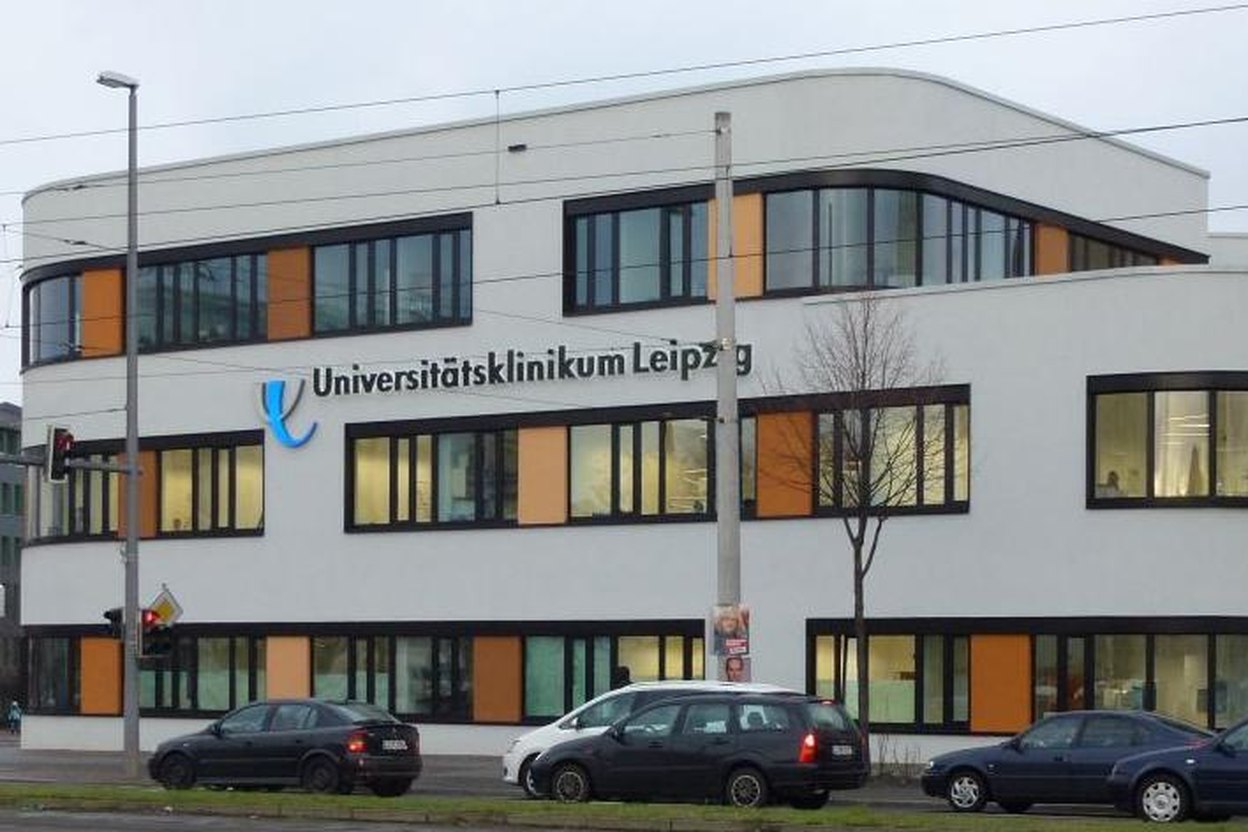
Leipzig University Hospital
One of the country's oldest academic hospitals, with a medical faculty in Leipzig dating from 1415. Today it has 1,451 beds across 61 clinics and polyclinics and ten research institutes, and is strong in haematology, cardiac surgery and mental health.