 EN
In November 2026, ForTra gGmbH, a non-profit subsidiary of the Else Kröner-Fresenius-Stiftung, announced a 4 million euro funding grant to advance two pioneering gene and cell therapy projects into early human clinical trials. The funded initiatives target acute myeloid leukemia (AML) and Duchenne muscular dystrophy (DMD), two severe conditions with limited treatment options. High-precision cellular engineering and CRISPR/Cas gene editing represent major leaps forward in modern university medicine across Germany. By financing production under strict Good Manufacturing Practice (GMP) standards, this initiative bridges a critical financial gap between laboratory benchwork and patient care. For international individuals considering therapy options in Germany, these developments highlight the ongoing translational momentum within German academic medical centers.
Clinical Context and Diagnostic Challenges of AML and DMD
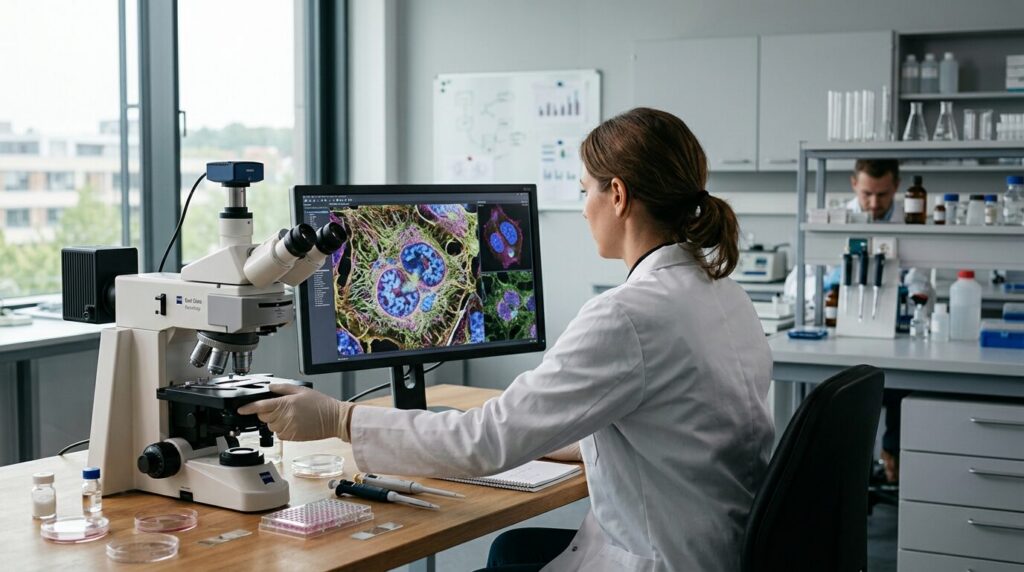
Acute myeloid leukemia, commonly referred to as AML, is an aggressive form of blood cancer that predominantly affects older adults. Standard treatment regimens rely heavily on intensive chemotherapy and, when clinically appropriate, allogeneic stem cell transplantation. However, many older individuals cannot undergo stem cell procedures due to severe physical risks or co-existing health conditions. Furthermore, relapses and treatment resistance frequently complicate the long-term management of this disease.
Duchenne muscular dystrophy, or DMD, represents a severe genetic muscle disorder affecting approximately one in every 3,500 newborn boys. The condition stems from mutations in the gene responsible for producing dystrophin, a vital structural protein required for muscle cell stability. Without functional dystrophin, skeletal and cardiac muscle tissues suffer progressive damage over time. Affected children gradually lose their ability to walk, while later stages impact swallowing, breathing, and cardiac performance, significantly reducing life expectancy.
Standard medical approaches in Germany currently focus on early genetic diagnosis, symptom management, and supportive therapies for both disorders. Advanced diagnostic panels, including next-generation sequencing, allow German medical specialists to characterize specific cellular markers in blood cancers and precise genetic mutations in neuromuscular diseases. While existing pharmacological interventions can slow functional decline in DMD or induce temporary remissions in AML, definitive therapies remain an urgent clinical need. Understanding these diagnostic nuances is crucial for families seeking specialized medical consultations in university hospitals across Germany.
Innovations in Gene Editing and Engineered Cell Therapies
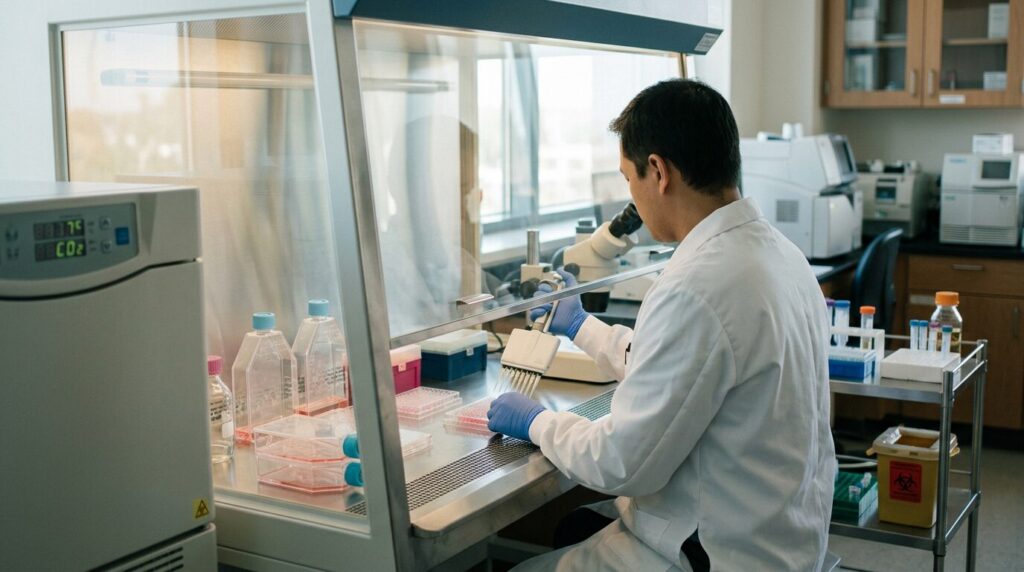
To overcome the limitations of standard AML therapies, Prof. Dr. Evelyn Ullrich and her research team at the Institute for Transfusion Medicine and Gene Therapy at the University Medical Center Freiburg are developing a novel cellular immunotherapy. This approach utilizes genetically modified natural killer cells, known as NK cells, equipped with chimeric antigen receptors, abbreviated as CARs. The planned clinical trial incorporates a specific pharmacological pretreatment designed to enhance the visibility of target structures on leukemia cells, allowing CAR-NK cells to recognize and destroy malignant cells with high precision.
In the field of neuromuscular disorders, Prof. Dr. Wolfram-Hubertus Zimmermann from the Department of Pharmacology and Toxicology at the University Medical Center Göttingen is leading a novel gene-editing program for DMD. His team employs CRISPR/Cas genetic scissors delivered directly into muscle tissue via adeno-associated viral vectors, known as AAVs. This molecular tool aims to repair defective genomic sequences, enabling muscle cells to synthesize functional dystrophin again. The safety and functional efficacy of this method were rigorously tested in patient-specific stem cell models of human skeletal and cardiac muscle prior to clinical translation.
Both projects demonstrate how modern German university research tackles complex underlying disease mechanisms rather than merely managing symptoms. The Göttingen team plans to initiate therapy in an individual patient as a key milestone before expanding evaluation to broader patient groups with DMD. Meanwhile, the Freiburg group prepares its CAR-NK cell product for early-phase clinical testing in patients with hard-to-treat leukemia. These coordinated scientific efforts highlight the rapid evolution of personalized cell and gene therapeutics within academic centers in Germany.
Good Manufacturing Practice Standards and Patient Perspectives
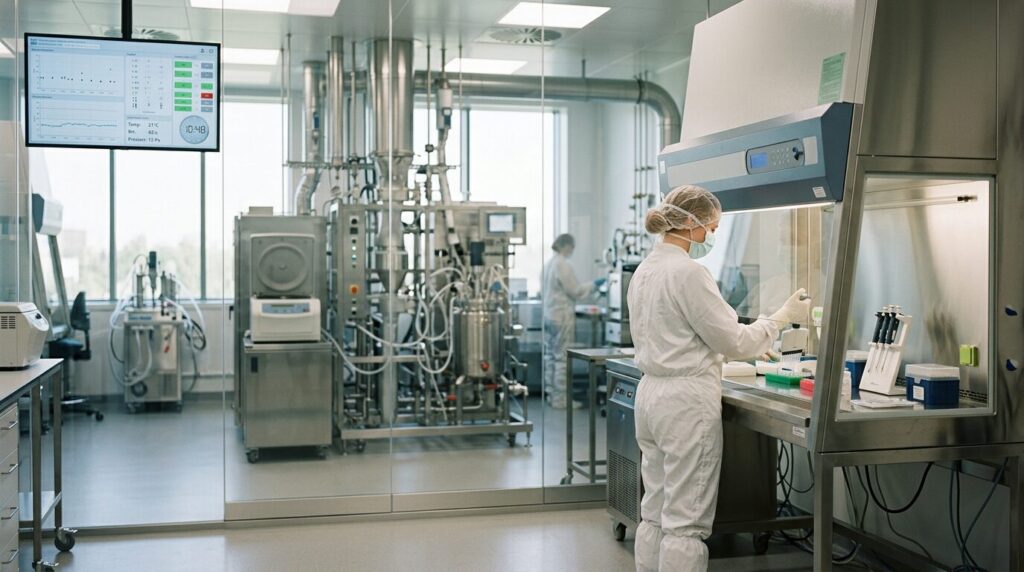
Translating cutting-edge laboratory findings into clinical trials requires strict adherence to Good Manufacturing Practice, universally known as GMP. These stringent international quality standards guarantee that cell products and viral vectors are produced under cleanroom conditions with complete purity, consistency, and safety. According to Prof. Dr. Martin Zörnig, Managing Director of ForTra gGmbH, financing these costly production processes represents a major hurdle for academic research groups. The 4 million euro funding provided by ForTra gGmbH directly addresses this bottleneck, enabling researchers to manufacture clinical-grade therapeutics.
For patients from abroad who travel to Germany for advanced diagnostics or specialized care, these developments emphasize the high standards of German university medicine. While the new therapies are entering early clinical trial phases and are not yet widely available standard treatments, they reflect the modern therapeutic infrastructure available at top medical centers. Patients facing complex diagnoses such as AML or genetic muscle disorders can benefit from expert second opinions and comprehensive diagnostic workups at leading German university hospitals.
Navigating experimental treatment options requires careful communication with attending medical specialists in Germany. Patients and their families are encouraged to inquire about the current stage of clinical testing, eligibility criteria for ongoing trials, and conventional treatment pathways. German academic hospitals maintain transparent protocols and multidisciplinary tumor or neuromuscular boards to evaluate each case individually. Staying informed about translating research into clinical application helps international patients make well-founded decisions regarding their medical care in Germany.
Source: Else Kröner-Fresenius-Stiftung