 EN
EN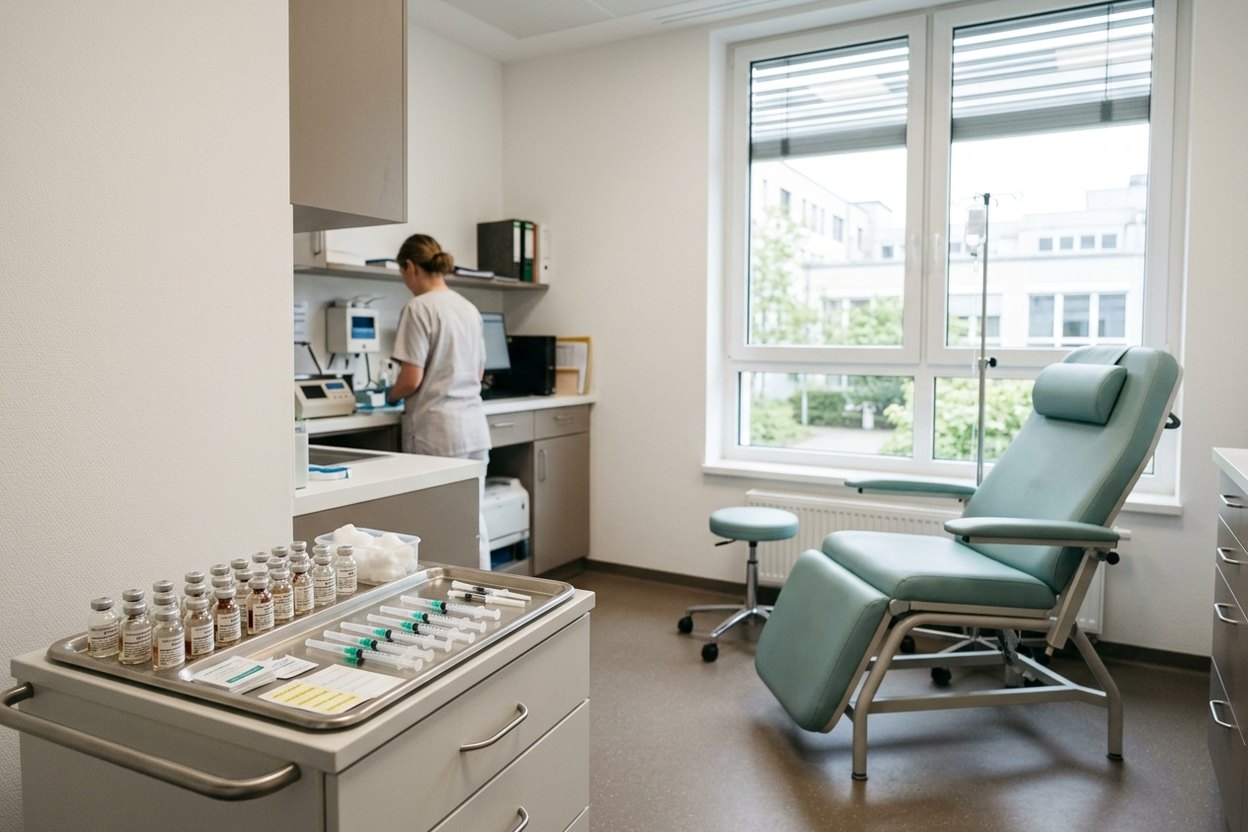
Seasonal nasal congestion, tearing eyes, persistent itching, and shortness of breath can severely diminish the quality of life for millions of people. Conventional antihistamines and nasal sprays offer temporary relief during flare-ups, but they do not alter the underlying physiological mechanism of the allergic reaction. Undergoing allergy treatment in Germany through allergen immunotherapy in Germany allows patients to target the root cause of hyper-reactivity directly. This therapeutic strategy aims to retrain the immune system by gradually desensitizing it to specific environmental triggers. In German allergy centers, treatment protocols are carefully tailored based on precise component-resolved molecular diagnostics. This comprehensive diagnostic approach ensures accurate allergen identification while minimizing potential side effects during therapy.
What is Allergen Immunotherapy
Allergen-specific immunotherapy stands out as the only disease-modifying treatment currently available for allergic respiratory conditions and insect sting hypersensitivity. Unlike symptomatic medications that merely block histamine receptors after inflammation has already started, this method restructures the cellular immune response. The process involves introducing small, gradually increasing doses of highly purified allergen extracts into the body over a prolonged period. By slowly raising the concentration of the target protein, the immune system transitions from producing allergic IgE antibodies to generating protective IgG4 blocking antibodies. Consequently, subsequent exposure to tree pollen, grass, or dust mites yields significantly milder symptoms or ceases to trigger pathological respiratory reactions altogether.
Beyond symptom reduction, this therapeutic approach plays a critical role in preventing the long-term progression of allergic disease. Timely intervention helps prevent allergic rhinitis from evolving into allergic asthma, which is particularly vital for pediatric and young adult patients. Furthermore, establishing immunological tolerance prevents patients from developing secondary sensitivities to additional environmental allergens over time. German allergy specialists conduct thorough initial testing to confirm that the patient’s symptoms correlate exactly with the major allergen components contained within the therapeutic extract. This rigorous diagnostic verification ensures that the long-term treatment plan remains focused, predictable, and safe for individuals seeking lasting relief from chronic symptoms.
Indications and Patient Selection
Immunotherapy is primarily indicated for patients with confirmed IgE-mediated hypersensitivity to well-defined environmental or insect allergens. It is commonly prescribed for seasonal allergic rhinitis caused by tree, grass, or weed pollen, as well as perennial allergic rhinitis triggered by house dust mites. Another crucial application is the desensitization of individuals who experience severe systemic reactions to bee or wasp venom. In patients with skin conditions such as atopic dermatitis, immunotherapy may be recommended when flare-ups show a clear correlation with airborne allergens. The treatment is suitable for both adults and children from five years of age, provided there are no medical contraindications.
Evaluating potential candidates requires a detailed assessment of overall health status and concurrent medical conditions. Prior to initiating treatment, clinics in Germany perform a comprehensive full body examination in Germany to rule out severe autoimmune disorders, uncontrolled asthma, or active malignant diseases. In pediatric cases, treatment decisions are made collaboratively between allergists and specialists in children’s medicine in Germany to guarantee safety. When the trigger allergen is accurately identified and no contraindications are present, desensitization significantly reduces or eliminates the need for ongoing daily reliance on antihistamines and topical corticosteroid sprays.
Subcutaneous and Sublingual Immunotherapy
Modern allergology utilizes two primary administration methods for desensitization: subcutaneous immunotherapy and sublingual immunotherapy. Subcutaneous treatment involves injecting small amounts of allergen extract under the skin of the upper arm in a specialized medical environment. During the initial buildup phase, injections are administered at regular weekly intervals with gradually increasing concentrations. Once the target maintenance dose is achieved, the interval between injections expands to several weeks. Patients opting for allergy shots in Germany benefit from precise clinical oversight, although each injection requires a brief observation period in the clinic to ensure patient safety.
Alternatively, sublingual immunotherapy Germany utilizes drops or fast-dissolving tablets placed under the tongue. The major advantage of sublingual administration is that after the first dose is taken under medical supervision, subsequent doses can be safely self-administered at home. Sublingual formulations possess a favorable safety profile and rarely cause systemic adverse reactions, making them an attractive option for busy adults and children. The choice between injectable and sublingual formulations depends on the specific allergen profile, patient lifestyle, age, and individual medical preferences. German allergists review these factors thoroughly to select the administration route that offers the best compliance and comfort.
Structure of the Treatment Course
A standard course of allergen immunotherapy typically lasts three years to establish durable immunological memory and long-term tolerance. The treatment process begins with an initial evaluation in Germany, where advanced molecular diagnostic tests distinguish between genuine sensitization and cross-reactivity. Based on these findings, the attending specialist prescribes a high-purity, standardized allergen extract manufactured in accordance with strict European pharmaceutical standards. The initial doses are always administered under direct medical supervision to monitor early tolerance. Afterwards, the patient receives a structured dosing schedule and the necessary medical supplies to continue the therapeutic regimen smoothly back home.
For patients undergoing sublingual therapy, home administration requires strict adherence to prescribed storage conditions and dosing intervals. Those receiving subcutaneous injections can either return periodically to German clinics or have injections administered by their local allergist following the German treatment protocol. Throughout the multi-year course, regular remote communication ensures that treatment progress is closely monitored by the German medical team. If questions arise regarding dosage adjustments or minor side effects, patients can easily arrange an online doctor consultation in Germany with their treating physician in Munich to adjust the protocol safely without unnecessary travel.
How to Organize Treatment in Germany
Organizing specialized diagnostic evaluations and desensitization therapy in German clinics requires careful coordination for international patients. AlenMed manages every stage of the process, from reviewing existing medical records to coordinating appointments with leading allergy specialists. Before traveling, our team assists in reviewing diagnostic reports, preparing a preliminary clinical plan, and obtaining official invitations for visa processing. Through complete support in arranging medical treatment in Germany, patients receive transparent cost estimates and scheduled appointments at renowned medical centers across Germany.
During their stay in Germany, patients receive comprehensive support to make their medical visits efficient and stress-free. A qualified medical interpreter in Germany accompanies patients to all consultations, facilitating clear communication with doctors and translating medical documentation. AlenMed also assists in acquiring certified original pharmaceutical preparations required for home-based therapy, ensuring compliance with international transport regulations and temperature-controlled storage. Clear instructions regarding long-term administration schedules and follow-up lab tests are provided to guarantee continuous therapeutic safety after returning home.
Send Medical Documents
If you are considering allergen immunotherapy in Germany, you can send your existing medical summaries, skin prick test results, and blood IgE analysis to our medical team. AlenMed specialists will review your clinical history in consultation with experienced allergists in Munich to outline an appropriate diagnostic and treatment strategy. To receive a preliminary assessment and plan your medical visit, please submit your request through our application form for document evaluation on our website.
The information provided on this page is for informational purposes only and does not substitute for professional medical advice or clinical examination. Final diagnostic decisions, treatment protocols, and choice of immunotherapy formulations are determined by a qualified allergist following detailed laboratory testing.