 EN
EN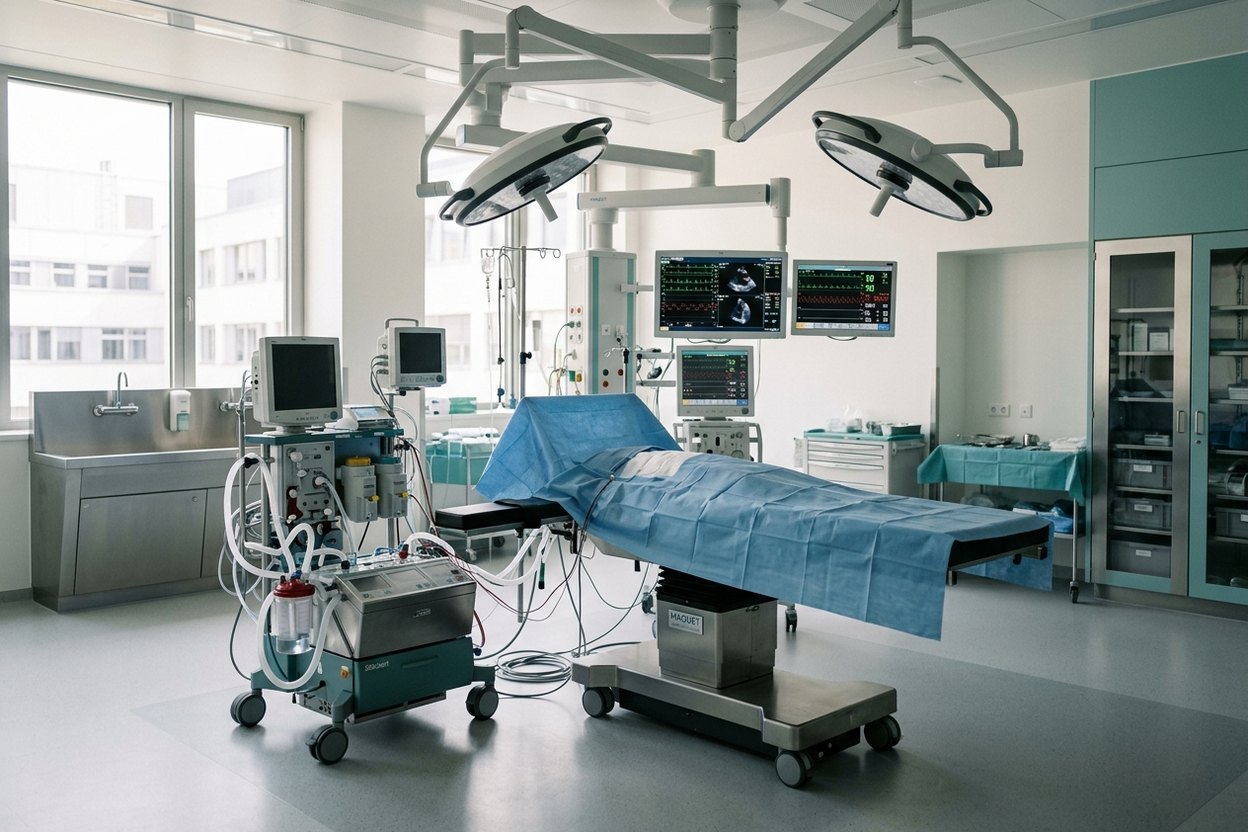
A cardiology hospital in Germany for a complex procedure is usually a specialised heart centre or university hospital where cardiology and cardiac surgery share one building, chosen for the specific operation. By now you probably have a cardiologist’s report and a named procedure: bypass, valve replacement, ablation. So the question is no longer where hearts are treated, but which centre to take this case to.
Below: how such a centre differs from a general hospital, what it treats and what to check when choosing. For an overview of cardiology in Germany, see heart treatment in Germany; partner heart centres are listed below the text.
How a heart centre differs from a general hospital
A heart centre differs from a general hospital in that cardiologists and cardiac surgeons work under one roof and decide together, as a heart team (Herzteam), instead of sending the patient from one hospital to another. The model was the German Heart Centre in Munich (TUM Klinikum Deutsches Herzzentrum), opened in 1974 as Europe’s first hospital for a single organ; today its cardiology, cardiac surgery and paediatric cardiology share one building.
It also has two hybrid operating theatres, surgical theatres with a built-in catheter laboratory: a valve can be replaced through an artery without opening the chest, and if a complication occurs, open surgery can start at once. The Kerckhoff Clinic in Bad Nauheim, a certified centre for catheter-based aortic valve replacement, has a hybrid theatre too.
Size matters too. The Heart and Diabetes Center NRW is in the small town of Bad Oeynhausen, yet it has transplanted hearts since 1989 — more than 2,700 so far, making it Germany’s largest heart transplant centre. The German Heart Center at Charité has 470 beds on three campuses. But for a rare procedure what counts is not the size of the city but how often one team performs it, because experience teaches the pitfalls.
What heart centres treat
Heart centres treat conditions that need a catheter or an operation: narrowed coronary arteries, valve disease, rhythm disorders, severe heart failure and congenital defects. The most common is coronary artery disease: a narrowed artery is widened with a balloon and stent or bypassed with a graft (see heart surgery in Germany). For complex disease, the German national guideline on chronic coronary heart disease (in German) leaves the choice between stent and bypass to the heart team, not one doctor.
Valves come next. A leaking mitral valve can often be repaired; a narrowed or damaged valve is replaced. The aortic valve can also be replaced through a catheter passed up an artery from the groin, without opening the chest or using a heart-lung machine. This route suits older patients and those for whom open surgery is too risky. German rules (G-BA) allow it only where both cardiac surgery and cardiology are on site. See aortic valve replacement.
Rhythm disorders are investigated with long-term ECG and, if needed, an electrophysiological study using thin electrodes passed through a vein. Many arrhythmias, including atrial fibrillation, are treated by catheter ablation, which scars the responsible tissue with heat or cold. A slow pulse calls for a pacemaker, a risk of dangerous ventricular arrhythmia for a defibrillator. See arrhythmia treatment.
Severe heart failure that medication no longer controls may call for a left ventricular assist device, a pump that takes over part of the heart’s work, as a bridge to transplantation or for good. Only transplant centres transplant hearts; Germany has fewer donor hearts than patients waiting, and the centre’s team decides what suits a patient. Children with congenital defects are treated in paediatric cardiology units.
How to choose a centre for your diagnosis
The choice follows the diagnosis and the procedure, not a ranking: a strong transplant programme says nothing about a hospital’s ablation results. Patients often ask about the «best cardiology hospitals in Germany»; the honest answer is that the best centre for you performs your procedure often and with good results. So ask how many such procedures the department does a year (German hospitals publish this in mandatory quality reports), who will operate, and who will follow you up.
Then there are the labels. A university hospital also trains doctors and does research; the privately run Helios Heart Center Leipzig has university status for its departments under an agreement with Saxony and Leipzig University. A transplant centre is licensed to transplant organs. A certified chest pain unit, inspected by the German Cardiac Society, receives patients with sudden chest pain and has a catheter laboratory ready around the clock; the Dresden Heart Center was the first in its city and also transplants hearts. This label reflects emergency care, not planned surgery.
For a patient from abroad, the practical side counts as well: an international office, interpreting at consultations and on the ward, and how soon the hospital replies and sets a date. A cardiologist in Germany is matched to your case from your records. The hospital issues the estimate after studying them; what goes into the bill is explained under heart surgery costs.
What happens after the procedure
After the procedure comes cardiac rehabilitation, part of the treatment rather than an extra: under medical supervision patients return to exercise, their medication is adjusted and they learn to live with a new valve or stent. It usually starts soon after discharge in a rehabilitation clinic, though some centres have their own; at the Kerckhoff Clinic it adjoins the main hospital.
The discharge report (Arztbrief) lists the diagnosis, what was done, which medicines to take and when check-ups are due; ask for a translation too. Take home that report, a disc with the procedure recording, the medication plan and the implant card for any valve, pacemaker or defibrillator. Agree the flight date with the treating doctor and tell your local cardiologist in advance: check-ups usually happen at home.
Frequently asked questions
Which are the best heart centres in Germany?
There is no single best heart centre: compare centres for your specific procedure. Check whether cardiology and cardiac surgery share one building, how often the department performs your operation, and whether it holds the labels your case needs, such as transplant centre or a German Cardiac Society certificate. Magazine rankings are a starting point, not the decision.
What should I send to a heart centre?
Send what lets a doctor assess the case without seeing you: the latest discharge summary or cardiologist’s report, ECGs, the echocardiography report, the coronary angiogram on disc (images, not just the description), any cardiac CT or MRI, recent blood tests and a list of medicines with doses. The fuller the file, the better the answer and the estimate.
Can I wait to travel if the procedure is urgent?
Not if your condition is unstable: chest pain at rest, rapidly worsening breathlessness or fainting need help where you are. Travel for planned treatment once your doctor at home considers the flight safe. If in doubt, ask the German hospital too: from your records it can judge how urgent the procedure is.
How AlenMed arranges treatment
AlenMed works with 86 partner hospitals in 38 German cities and 345 doctors; the company office is in Munich. The centre is chosen from your diagnosis and records: the coordinator looks at the proposed procedure and sends the request to the relevant department.
The company then handles the organisation: translating records, requesting the estimate, booking appointments, arranging the visa invitation, meeting you on arrival and providing a medical interpreter for consultations and on the ward.
This page is for reference and is not an offer; it does not replace a consultation. Treatment is decided by a doctor who sees you in person, and the final conditions and cost by the hospital’s estimate after it has studied your records.

Dresden Heart Center
A specialised cardiac hospital in Saxony with 220 beds, combining cardiac surgery with interventional cardiology. The first heart transplant here was performed in 1995, and since 2002 the centre has belonged to the Sana Kliniken group.
German Heart Center at Charité
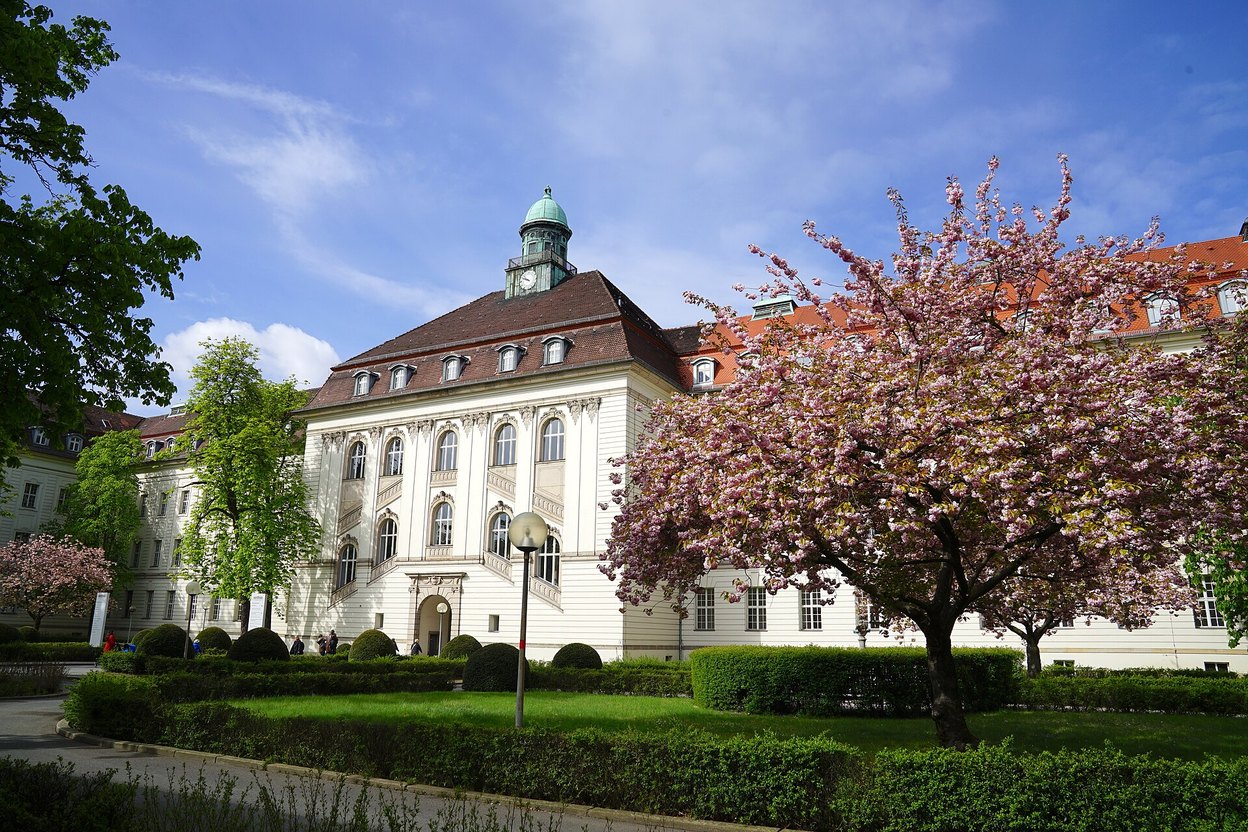
A specialised cardiac centre in Berlin, formed in 2023 from the heart departments of the Charité and the former German Heart Centre Berlin. It has 490 beds on three campuses and treats newborns with congenital defects as well as adults with complex disease.

German Heart Centre Munich: Departments, Doctors and Treatment
A heart-only centre in Munich that since 1972 has brought cardiology, cardiac surgery and paediatric cardiology together under one roof. Its work covers valve operations including catheter repair, congenital defects and heart transplantation.
Heart and Diabetes Center NRW
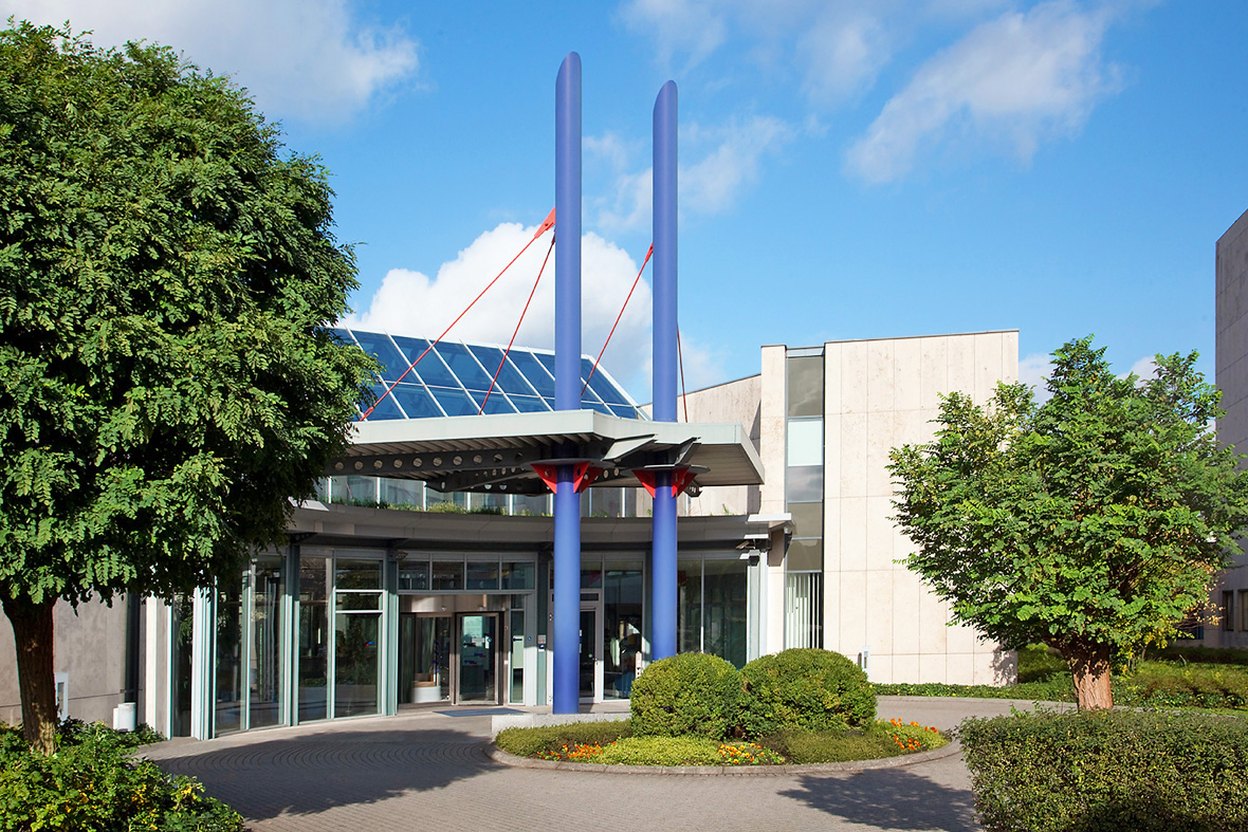
A specialised 500-bed centre in Bad Oeynhausen, part of the University Hospital of Ruhr University Bochum since 1989. It treats cardiovascular disease and metabolic disorders, and has performed over 2,700 heart transplants since the programme began.
Helios Heart Center Leipzig
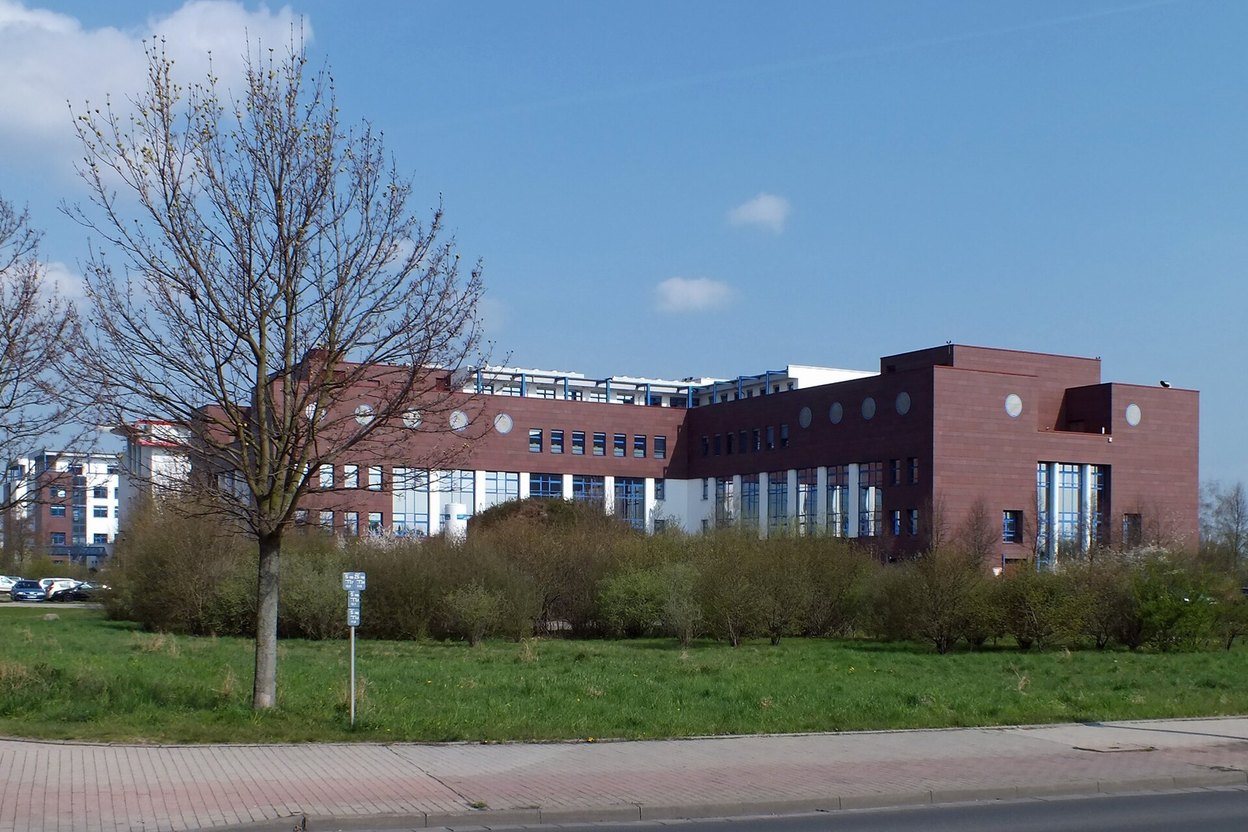
A heart-only centre in Saxony devoted to cardiac surgery, cardiology and rhythmology, with 440 inpatient beds. Opened in 1994, it holds university hospital status under an agreement with Saxony and the University of Leipzig.

Kerckhoff Clinic Bad Nauheim
A specialised centre in the spa town of Bad Nauheim for diseases of the heart, vessels, lungs and joints. Cardiac surgery, angiology, rheumatology, an organ transplant unit and its own rehabilitation department sit under one roof.