 EN
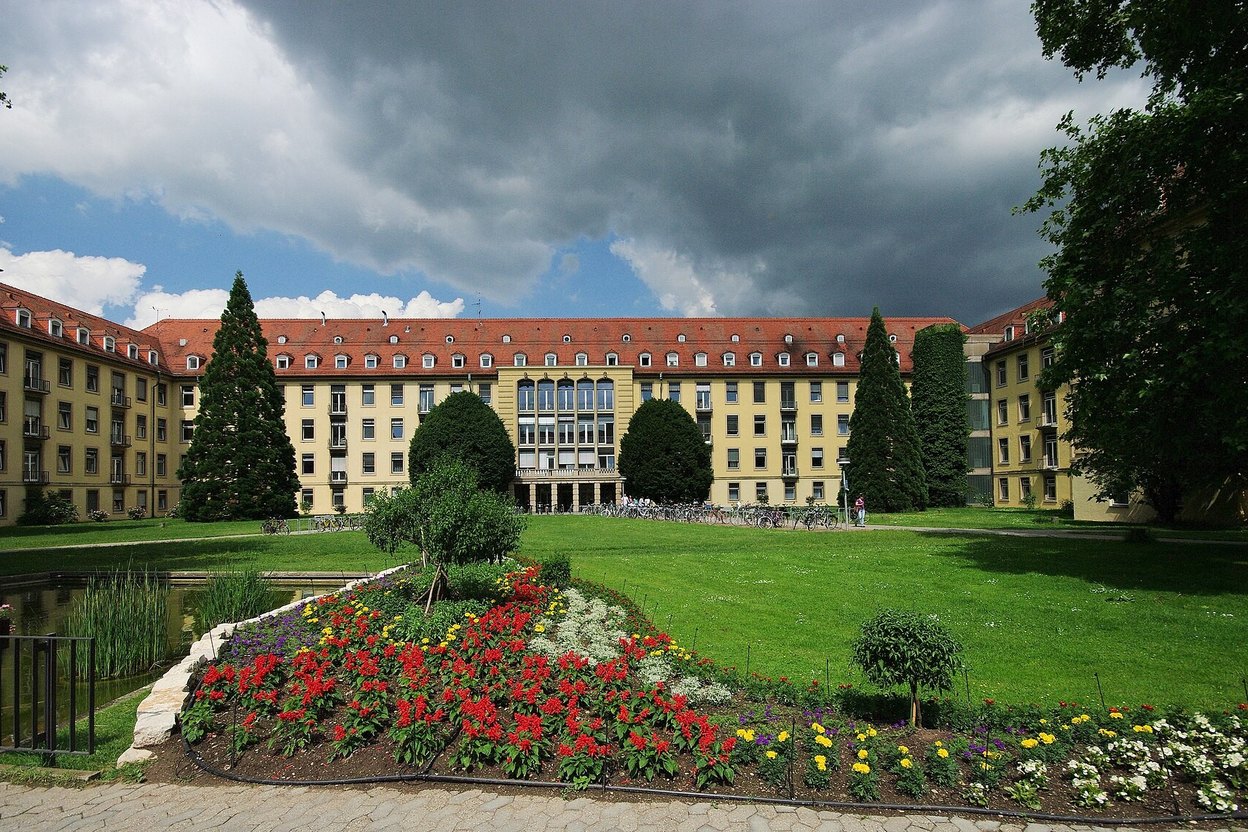
Freiburg comes up in a search either because a doctor named the university hospital in Freiburg or because the patient wants a large centre in south-west Germany, near the French and Swiss borders. Medically, Freiburg im Breisgau is not a city of many competing hospitals but of one very large university hospital spread over several sites. That shapes everything about a trip there.
This page covers the hospital, the departments patients from abroad ask for, how to get there and what to send before asking for a date, but names no prices or waiting times: the hospital states those in writing for a named patient. Other cities: see hospitals in Germany.
The university hospital
The main hospital is Freiburg University Hospital (Universitätsklinikum Freiburg), with 2,210 beds and more than 15,000 staff; by its own account it is one of Germany’s largest university hospitals. It is an institution under public law belonging to the Albert-Ludwigs-Universität Freiburg, founded in 1457. According to its quality reports, which every German hospital must publish, the university hospital in Freiburg has three sites today: the main campus in Freiburg, the dermatology clinic on Hauptstraße and the University Heart Centre in Bad Krozingen. First certified by KTQ in 2005, it became in 2014 the first German university hospital certified for the fourth time. Stern magazine’s 2025/26 hospital list named it Germany’s second-best hospital: a magazine ranking, not a verdict on any individual case.
In practice, departments sit in different parts of the city, and the University Heart Centre site is in Bad Krozingen, outside Freiburg, where Professor Torsten Loop leads anaesthesiology as site manager. So ask in advance where the consultation, imaging and operation will be: they are not always in one building.
Like other university hospitals in Germany, it combines routine care with research and teaching. Difficult cases come through a formal referral and a review of records, not a walk-in appointment; several departments discuss complex cases, and the answer arrives as a written plan.
The departments patients ask for
Patients from abroad ask about rheumatology, haematology and oncology, cellular treatments, neurosurgery and intensive care. Rheumatology and clinical immunology, one of the hospital’s recognisable profiles, is headed by Professor Reinhard E. Voll, recognised as a specialist immunologist by the German Society for Immunology in 2007. In systemic autoimmune disease, which affects several organs, this matters: the clinic has its own immunology laboratory, whose results the treating specialists read. See also rheumatology in Germany.
Haematology, oncology and stem cell transplantation are led by Professor Justus Duyster, whose research includes developing molecular therapies for malignant disease. Alongside it are the tumour immunology and immune regulation department of Professor Robert Zeiser, awarded the Gottfried Wilhelm Leibniz Prize in 2025 and an ERC Advanced Grant in 2023, and the hospital’s Centre for Cell and Gene Therapy, with Professor Toni Cathomen as scientific director. For a patient, this means cellular and immune treatments are done here, and suitability is decided on the records.
Others come up too: neurosurgery under Professor Jürgen Beck; interdisciplinary medical intensive care under Professor Tobias Wengenmayer, with Professor Dawid Staudacher as deputy, which matters if a patient arrives unstable; and the Institute for Evidence in Medicine under Professor Jörg Meerpohl, which explains why a second opinion from here tends to arrive with the evidence attached.
The city and how to get there
Freiburg lies in the south-west, at the edge of the Black Forest, near the border triangle with France and Switzerland. The nearest airport is EuroAirport Basel-Mulhouse-Freiburg, with a direct bus to Freiburg; Zurich and Frankfurt are the usual long-haul arrivals, and long-distance ICE trains run through the city. The region is easy to stay in with a family, and the city is compact enough to get around by tram. Another option in the south-west: hospitals in Tübingen.
Before booking flights, settle which site the appointment is at, how many days the department proposes, where a companion will stay nearby, who interprets at the consultation and on the ward round (a medical interpreter) and who receives the discharge letter at home.
What to send before asking for a date
The records go first: reports with the dates the complaints began, previous test results in the original, imaging on disc rather than printed, pathology slides and blocks where a tumour is involved, a current medication list with doses and, for immune treatments, vaccination records, all translated. Without them a hospital cannot say “yes”, and the medical visa needs the hospital’s invitation (see, for example, the German missions in Saudi Arabia), so they come first.
The answer usually gives the doctor’s view on whether a visit is needed, which examinations will be repeated on site, proposed dates and a written cost estimate. Check what it includes, how many follow-up visits it covers and what happens if the stay is extended.
Frequently asked questions
At which site in Freiburg will the treatment take place?
It depends on the department, and the reply names the address. The sites are the main campus in Freiburg, the dermatology clinic on Hauptstraße and the University Heart Centre in Bad Krozingen; consultation, imaging and surgery may be in different buildings or towns, so book accommodation once the address is known.
How much does treatment at a hospital in Freiburg cost?
There is no price list. After its doctors review the records, the hospital’s International Medical Services sends an estimate covering statutory treatment costs, doctors’ fees, infrastructure and administration fees and a risk premium. Treatment is paid in full before admission; any difference from the final invoice is settled afterwards.
When does the hospital in Freiburg send a visa invitation?
Only after payment: International Medical Services sends the official invitation letter once the full deposit has arrived, and only for the length of the scheduled treatment. So the order is records and case review, then estimate and payment, then the visa application.
How AlenMed organises treatment
AlenMed starts with the records: a medical interpreter translates them for the relevant department in Freiburg and, where sensible, one comparable department elsewhere. The reply brings the doctor’s opinion, dates and a written estimate, and the medical visa paperwork is prepared alongside.
AlenMed has 86 partner hospitals in 38 cities, 345 doctors and a company office in Munich. A coordinator books the appointment, meets the patient, interprets at the consultation, helps with accommodation near the right site and ensures the discharge letter and follow-up plan reach the doctor at home.
This material is for information only and is not an offer. Treatment is decided by a doctor at a face-to-face examination.
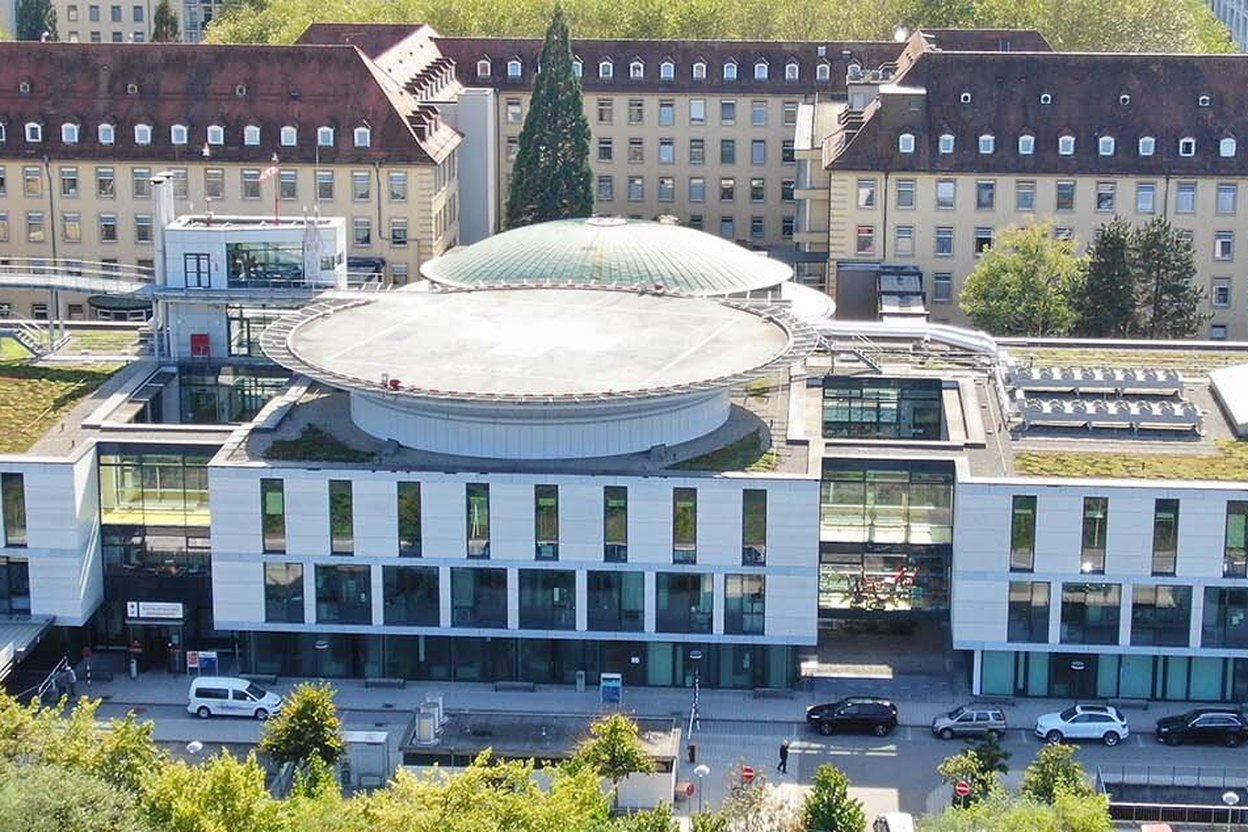
Freiburg University Hospital
One of the largest medical complexes in south-western Germany and part of Albert Ludwig University. Surgical centres, diagnostic institutes and medical departments work side by side, and the medical tradition of the city goes back to 1751.