 EN
EN
Nobody needs the best orthopaedic hospital in Germany in general: people look for one to replace a worn-out joint, redo a failed implant, operate on the spine or treat a fresh sports injury, and that task decides the house. Treatments are outlined under orthopaedics in Germany.
This page explains how German orthopaedic care is organised, what can be checked and what to collect before a request. The hospitals are spread across the country, not only the big cities: specialist houses also work in spa towns such as Bad Wildungen and Bad Abbach.
Two different kinds of orthopaedic hospital
Most orthopaedic hospitals in Germany are one of two kinds: an orthopaedics and trauma department in a university or large municipal hospital, or a separate house devoted mainly to joints, spine and bones. The large hospital has intensive care and every other speciality next door — the choice when the patient, not only the joint, is complicated, say by serious heart disease.
In a specialist house, theatres, physiotherapy and diagnostics all serve the musculoskeletal system, and orthopaedic surgery is routine. Examples from the list below are Helios ENDO-Klinik Hamburg in Altona, part of the Helios group, which performs primary and revision hip and knee replacement and treats periprosthetic infection (infection around the implant); ATOS Klinik Heidelberg; and Schön Klinik München Harlaching.
The third kind is the BG accident hospital of the statutory accident insurance, focused on emergency care and rehabilitation after severe and multiple injuries, such as BG Klinikum Unfallkrankenhaus Berlin in Biesdorf. Its doors are open to everyone, but a planned patient with a worn-out joint normally goes elsewhere.
What the phrase “best orthopedic hospitals in Germany” is worth
On its own, not much: Germany has no official ranking of orthopaedic hospitals, and the phrase mostly leads to advertising rather than data. Compare instead four things that someone other than the hospital checks.
First, EndoCert certification from the German orthopaedic society DGOOC, at two levels: the EndoProthetikZentrum (EPZ) and the centre of maximum care (EPZmax), which also handles difficult revisions. Second, annual case numbers: the certificate sets minimums for the centre and for each surgeon, and a hospital may replace knees only if it reaches a mandatory minimum — currently 50 operations a year, rising to 150 for first-time knee replacement by 2030. Third, the quality report every hospital must publish each year; for hip replacement it shows, for instance, how often the joint dislocates after surgery and how often the wound becomes infected. Fourth, a separate programme for revision surgery and periprosthetic infection.
Certification does not promise the outcome of any single operation. It confirms process and volume — set pathways, recorded complications, enough operations — checked by external experts every year. The surgeon still decides the approach after an examination, so choose the surgeon along with the house: see orthopaedic surgeons in Germany.
Matching the hospital to your case
Match the hospital to the diagnosis: each task has its own markers. For a planned joint replacement, look at the yearly number of operations on that specific joint, muscle-sparing approaches, and computer navigation or robot-assisted systems — tools for placing the implant precisely, not a substitute for the surgeon’s experience. The operations are described under joint replacement.
Revision surgery and infection belong only in a house with a dedicated programme, such as Orthopädische Klinik Markgröningen, a certified centre of maximum care that takes difficult cases from other hospitals. For the spine, it matters that surgery sits next to neurology and neuro-urology, the care of bladder problems caused by nerve damage, as at Werner Wicker Klinik in Bad Wildungen with its spinal cord injury centre; see also spine surgery hospitals. A fresh sports injury or arthroscopy, keyhole surgery with a camera, suits a sports orthopaedic clinic such as Sportklinik Stuttgart or Schön Klinik München Harlaching, a FIFA Medical Centre of Excellence.
Then collect recent images (X-ray, MRI or CT on disc as original files, not screen photos), the radiology report, discharge letters, previous operation reports and a medication list. Without images there is no cost estimate: they tell the surgeon which operation and implant are needed, and that sets the bill. Also say where you plan to recover — in Germany or at home.
Timing, the hospital stay and recovery
The hospital sets the timing in its own plan, and the trip runs in stages: consultation and imaging, surgery, the first days on the ward, then rehabilitation. The surgeon makes the final decision on the operation at the consultation; after surgery, patients usually get up with a physiotherapist within the first days, and the doctor decides on discharge.
Rehabilitation is booked in advance: in Germany it often takes place in a separate rehabilitation clinic, so the place is best reserved before surgery, although Asklepios Orthopaedic Hospital Bad Abbach, for one, continues it in the same complex. See orthopaedic rehabilitation in Germany.
Frequently asked questions
Is there a number one orthopaedic hospital in Germany?
No: no official ranking names a single leader, and the leading house for knee replacement is usually not the one for spine surgery. The right hospital regularly performs your operation, holds the relevant certificate, publishes its quality report and sends a written plan and cost estimate before you travel.
How can I check whether a hospital holds EndoCert certification?
Use EndoMap, the public online search run by the certification body ClarCert: it shows certified centres with their level, EPZ or EPZmax, and finds surgeons by name. Certificates go to a specific centre, not a whole hospital group, so check that it covers the department you are going to.
Where should I go if my artificial joint hurts or has come loose?
To a centre with a dedicated programme for revision surgery and infection, usually a centre of maximum care (EPZmax). Pain and loosening may come from wear or a hidden infection, and the cause sets the approach. Send the first operation report, implant details, recent images and blood tests; the surgeon may also aspirate the joint, drawing fluid with a needle.
How AlenMed arranges treatment
AlenMed handles the organisation: remote review of images and records, matching the house to the diagnosis, the hospital request, the official cost estimate (Kostenvoranschlag), the visa invitation and a medical interpreter at consultations. Documents for a preliminary review by German specialists go through the request form on this site.
Patients go home with a written plan, the operation report, loading instructions and follow-up dates for their doctor at home.
This page is for information only and is not an offer. The surgeon decides the extent of surgery and the treatment approach at an in-person consultation.
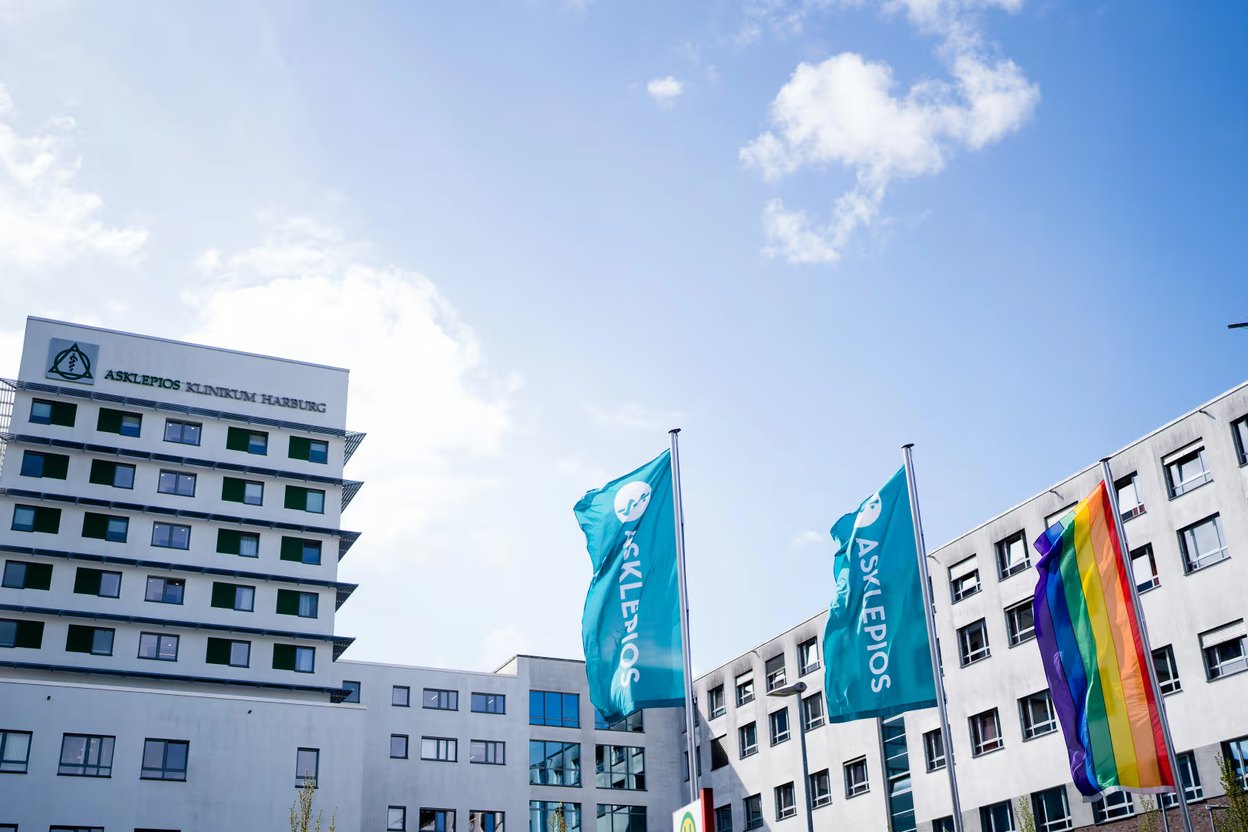
Asklepios Orthopedic Hospital Bad Abbach
A specialised orthopaedic hospital in the spa town of Bad Abbach near Regensburg, part of the Asklepios group. Joint replacement, spinal reconstruction and rheumatology are its main fields, and rehabilitation continues in the same complex.
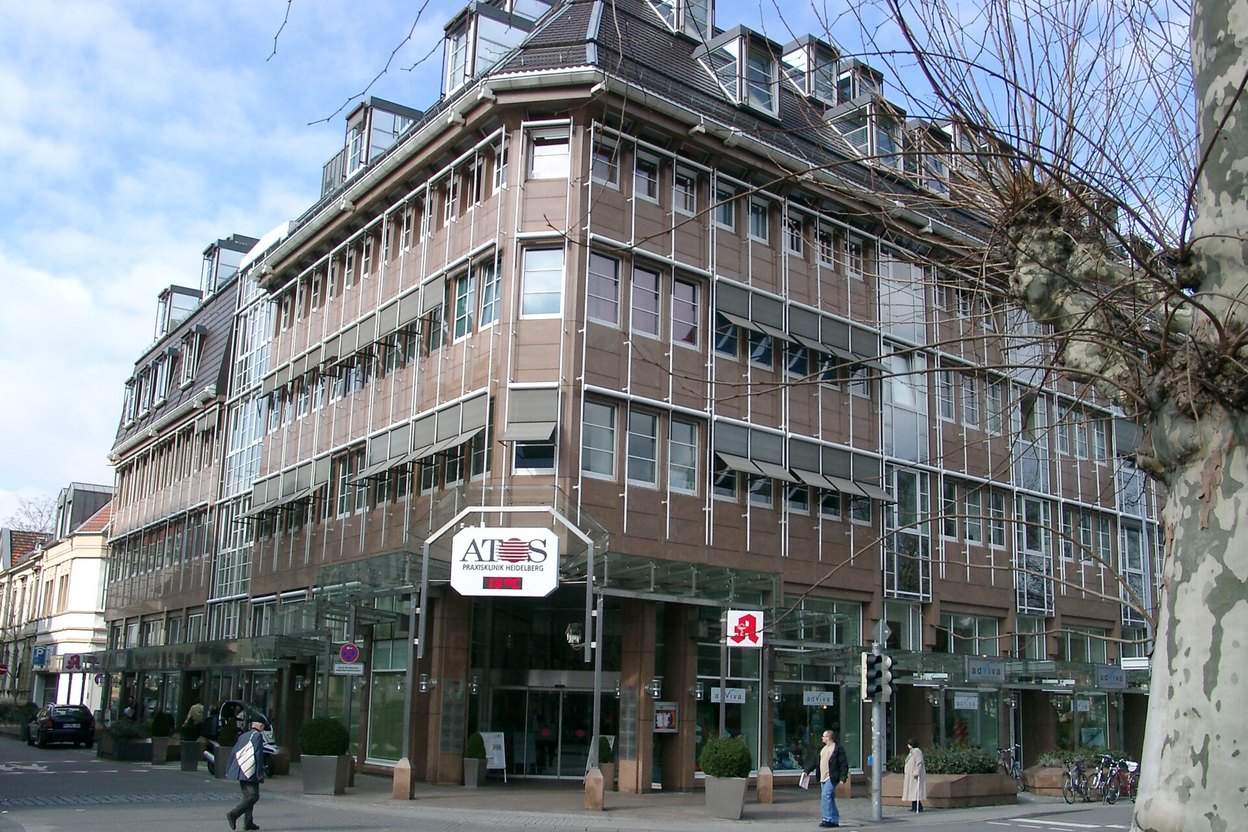
ATOS Clinic Heidelberg
A specialised centre in Heidelberg for joint surgery, spinal conditions, joint replacement and sports medicine. Around that orthopaedic core the house has added dermatology, rheumatology, vascular medicine and paediatric neurology.
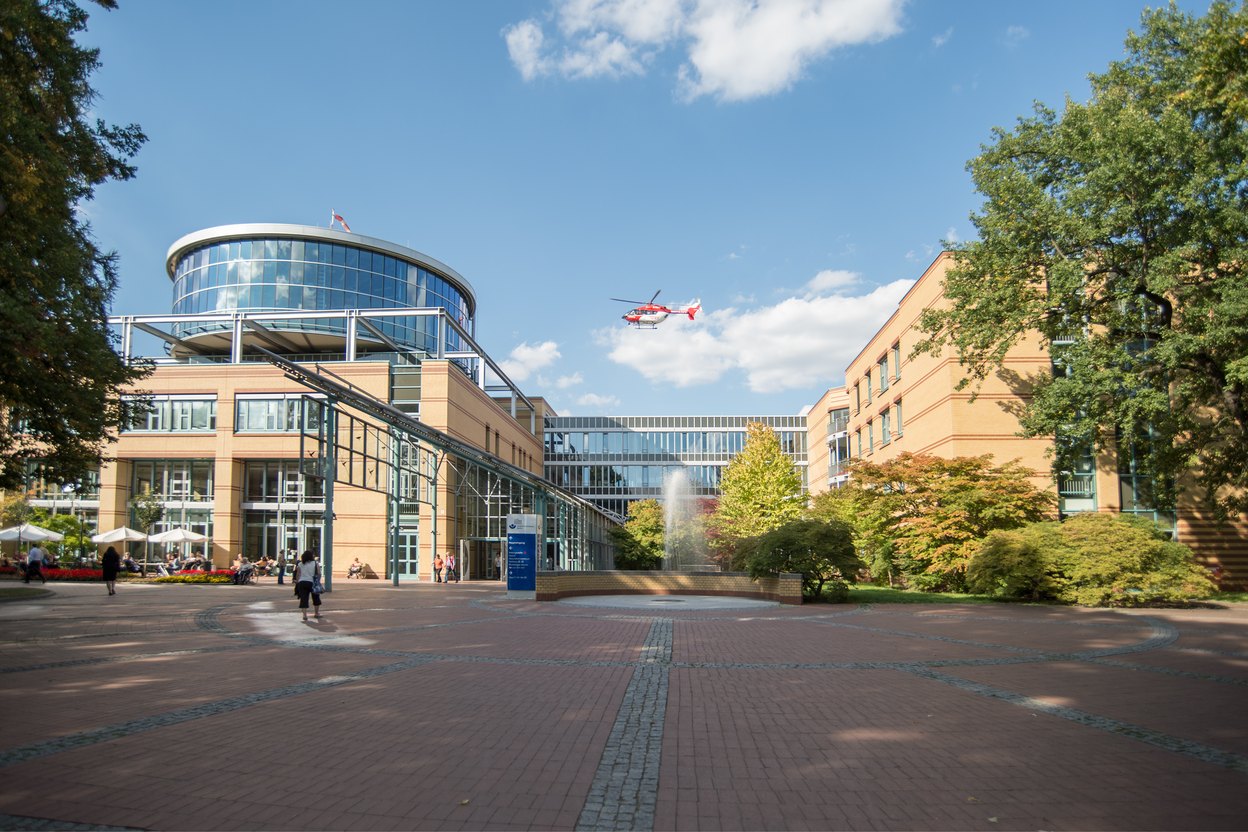
BG Hospital Unfallkrankenhaus Berlin
A trauma hospital in the Biesdorf district of Berlin, opened in 1997 and part of the statutory accident insurance network. It treats severe and multiple injuries and burns, and runs neurosurgery and spinal rehabilitation.
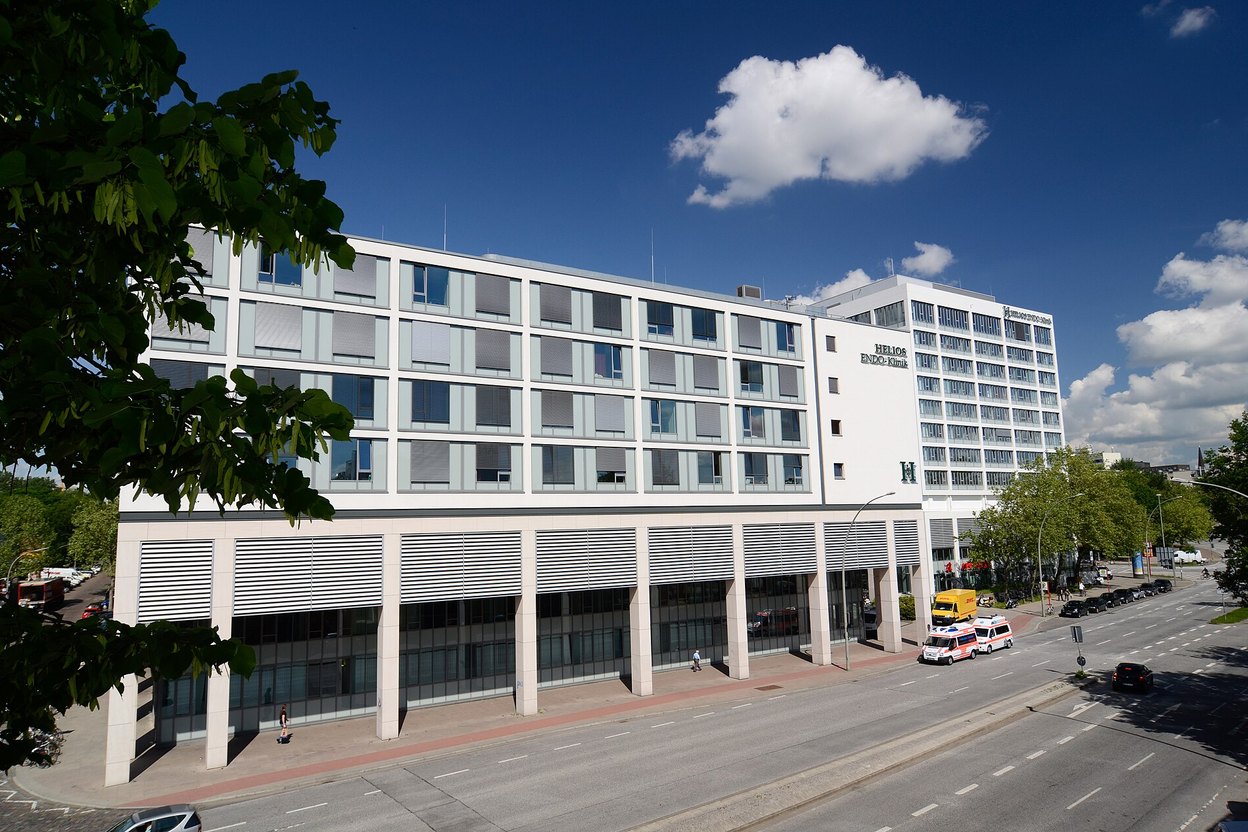
Helios ENDO-Clinic Hamburg
A narrowly specialised orthopaedic hospital in the Altona district of Hamburg, part of the Helios group. It performs primary and revision hip and knee replacement and treats periprosthetic joint infection.
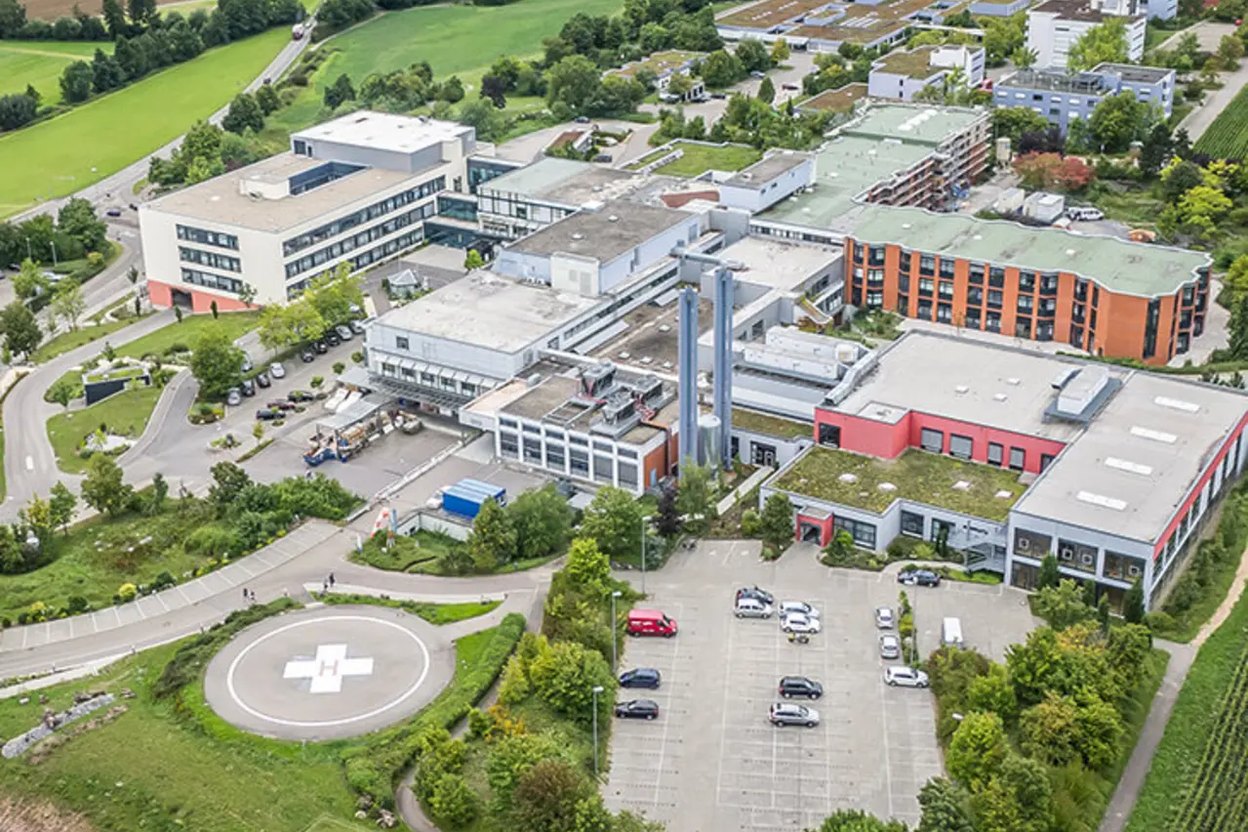
Markgröningen Orthopedic Clinic
Spine surgery, replacement of large joints and paediatric orthopaedics are the main fields of this specialised hospital in Baden-Württemberg. It belongs to the regional RKH Gesundheit healthcare group.

Schön Klinik München Harlaching Hospital
A specialist orthopaedic hospital in southern Munich, on a site used since 1913 and part of the Schön Klinik group since 1997. It focuses on spine surgery, sports orthopaedics, joint replacement and hand surgery, and is a FIFA Medical Centre of Excellence.
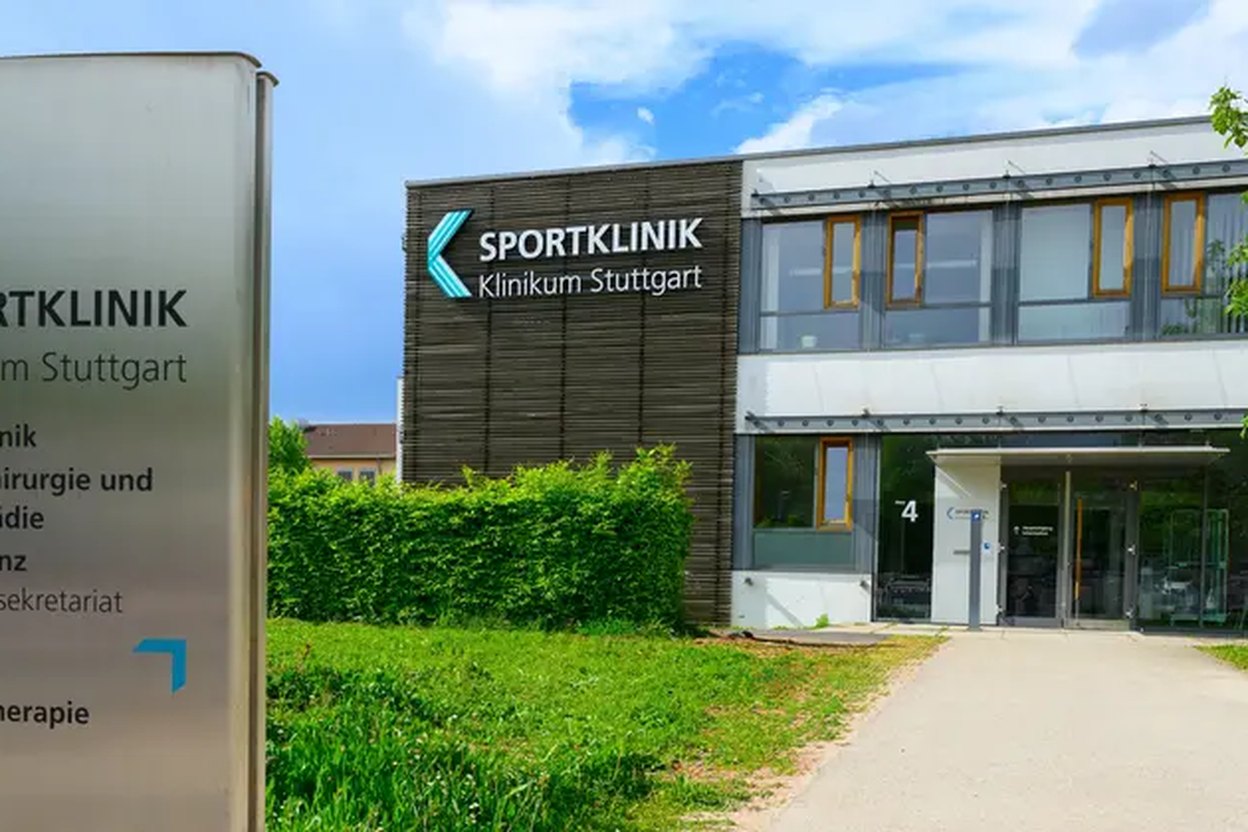
Sportklinik Stuttgart
A specialised orthopaedic hospital for sports injuries, joint surgery and reconstructive traumatology in Baden-Württemberg. It runs a foot and ankle surgery centre and a rheumatoid orthopaedics centre, and now belongs to the Klinikum Stuttgart group.
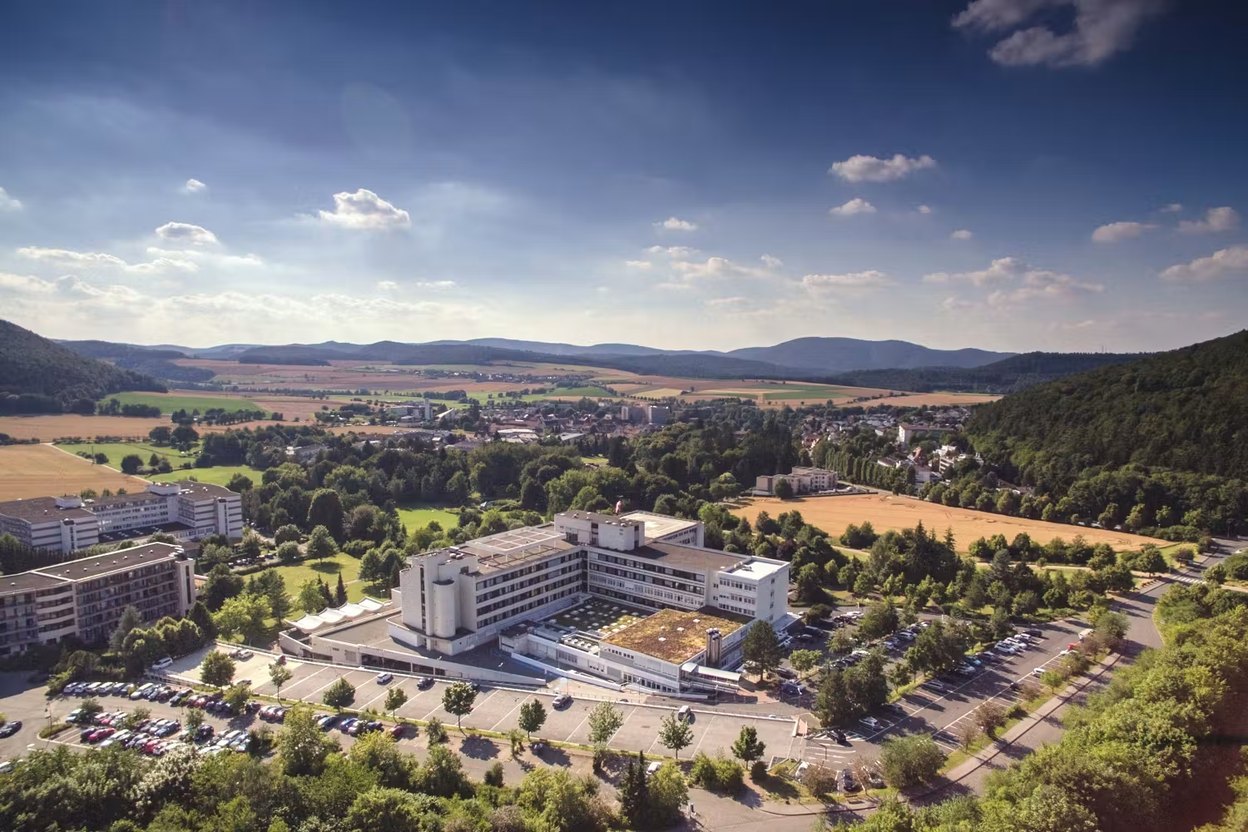
Werner Wicker Clinic
A specialist hospital in the spa town of Bad Wildungen where spine surgery, a spinal cord injury centre and neurology sit under one roof. It treats scoliosis, kyphosis and disc disease, followed by neuro-urology and long-term rehabilitation.