 EN
EN
Hospitals in Berlin, Germany, range from university medicine to municipal and non-profit hospitals, private groups and specialist centres, so the right choice depends on what needs treating. Among them are the Charité, Vivantes, the Red Cross hospitals, Helios, the BG trauma hospital and the Median rehabilitation group.
This page explains how they differ, which cases go to a university hospital, how a patient from abroad chooses a German hospital in Berlin for a specific diagnosis, and when another city makes more sense.
How Berlin Hospitals Are Organised
Hospitals in Berlin differ above all in who runs them and what they are for. The Charité is the university hospital, Vivantes a municipal group formed from former city hospitals, and the DRK hospitals a non-profit Red Cross group. Helios is a private group owned by Fresenius, the BG trauma hospital belongs to the accident insurance system, and Median runs rehabilitation clinics across Germany from Berlin.
For a patient from abroad, the department and the doctor matter more than the fame of the name. The cards below are short profiles of AlenMed’s partner hospitals in Berlin: “Learn more” opens the hospital’s page on this site, and “Send a request to the clinic” opens the request form.
University Medicine: Charité and the German Heart Center
University medicine in Berlin means above all Charité Berlin, one of the largest university hospitals in Europe, with clinics and institutes in every field for adults and children. Patients are usually referred here with a rare or unclear diagnosis, a disease affecting several organs, a repeat operation or the option of a clinical trial.
The German Heart Center at Charité (DHZC) was formed in early 2023 from the heart medicine of the Charité and the former German Heart Centre Berlin. It has 470 beds on three Charité campuses and treats patients of all ages, from newborns with complex congenital heart defects to adults with severe heart disease; it also performs heart and lung transplants.
Large General Hospitals in Berlin
Several general hospitals in Berlin, including Vivantes Friedrichshain and Helios Berlin-Buch, provide the highest level of care. Vivantes Friedrichshain Hospital opened in 1874 as Berlin’s first municipal hospital, founded on the initiative of the physician Rudolf Virchow. It is now a Charité teaching hospital with surgery, neurology and a stroke unit, vascular medicine and paediatrics. Its kidney specialists prepare patients for transplantation and follow them up, working closely with all three of Berlin’s transplant centres.
Helios Hospital Berlin-Buch lies on the green northern edge of the city, on a site that became Europe’s largest hospital town in the early 20th century: Berlin bought the Buch estate in 1898, and several hospitals were built on its land. It is also a university teaching campus, with oncology, haematology, radiotherapy, cardiology and neurosurgery.
The DRK hospitals in Berlin are a non-profit group that reinvests any surplus in its hospitals; their sole owner is the Berlin Red Cross Sisters’ Association. Their main fields are internal medicine, general and thoracic surgery, geriatrics and pulmonology, and the sites in Westend, Köpenick and Mitte are teaching hospitals of the Charité.
Publicly Run or Privately Run Hospitals in Berlin?
Berlin has both, and for a self-paying patient from abroad the difference matters less than it seems. German hospitals have public, non-profit or private owners: the Charité and Vivantes are public, while Helios, founded by the physician Lutz Helmig, and the rehabilitation group Median are private. Public and private hospitals alike accept self-paying patients from abroad, and either way payment follows a written cost estimate.
The BG Hospital Unfallkrankenhaus Berlin in Biesdorf, opened in 1997, belongs to the statutory accident insurance system. It specialises in severe and multiple injuries, burns and spinal cord injuries, and it also treats patients with any health insurance. For a list of private hospitals in Germany, see our article on private healthcare in Germany; private hospitals in Berlin have their own page.
Top Hospitals in Berlin, Germany: How to Choose
There is no single “best hospital in Berlin, Germany”, because rankings weigh different things, such as reputation, patient feedback or quality data. A hospital strong in cardiology may be the wrong one for orthopaedics, and a famous name says little about the team that would treat you.
In practice, you choose with a doctor who knows your records, using a few criteria: a department that regularly treats your diagnosis, its experience with the procedure, a certified centre, help in your language and a written cost estimate before you travel. For some complex planned operations, such as pancreatic or oesophageal surgery and organ transplants, Germany’s Federal Joint Committee sets minimum case numbers per hospital site, so that only experienced teams perform them.
Frequently asked questions
How do I choose a hospital in Berlin for my diagnosis?
Start with the department, not the hospital’s name. A doctor reviews your records and decides which specialty you need; your documents then go to Berlin departments that treat such cases regularly. Compare their answers: experience with the procedure, certification, who would treat you and what the written cost estimate covers.
Is a university hospital always the better choice?
Not necessarily. A university hospital such as the Charité is the stronger option for a rare diagnosis, a disease affecting several organs or treatment within a study, while routine operations such as a joint replacement are also done by large general hospitals that perform them often. What decides is the department’s experience with your condition.
Do Berlin hospitals accept patients from abroad?
Yes. The Charité and Vivantes have services for international patients, and Helios has Helios International. Translated records are first sent to a suitable department; if its doctors can help, the hospital issues a written cost estimate and, once treatment is agreed, an invitation for the visa. Patients from abroad usually pay the hospital directly.
How AlenMed Arranges Treatment in Berlin
AlenMed handles the route from your first documents to admission in Berlin. The review of your documents is free: we translate records and scans, send enquiries to suitable departments and obtain the hospital’s official cost estimate (Kostenvoranschlag).
You pay the hospital directly. We prepare the visa invitation, provide an interpreter and personal support and help find accommodation. For minor health issues, see our page on English-speaking doctors in Germany. The company office is in Munich, and our 86 partner hospitals in 38 cities cover all of Germany.
This page is general information, not an offer: the treatment plan is decided by a doctor at a face-to-face consultation, and the final cost by the hospital’s official estimate.
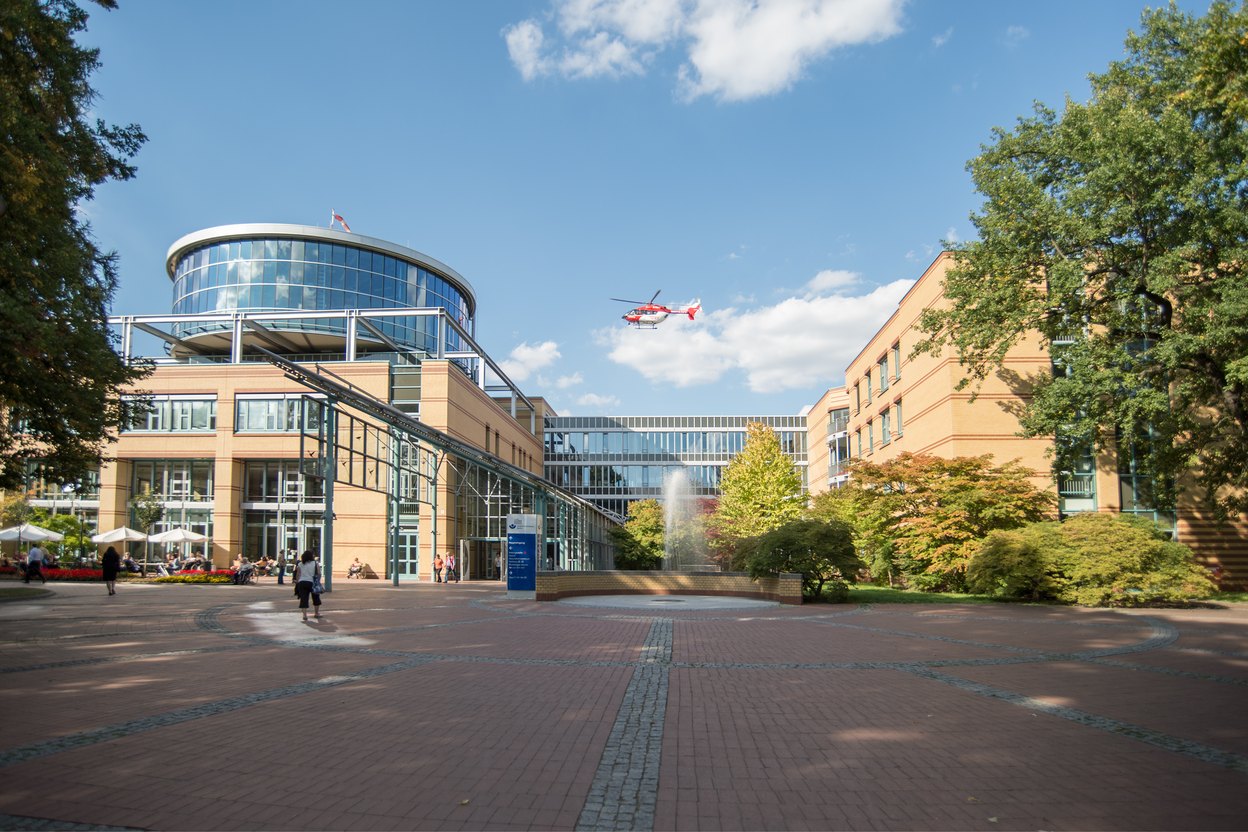
BG Hospital Unfallkrankenhaus Berlin
A trauma hospital in the Biesdorf district of Berlin, opened in 1997 and part of the statutory accident insurance network. It treats severe and multiple injuries and burns, and runs neurosurgery and spinal rehabilitation.
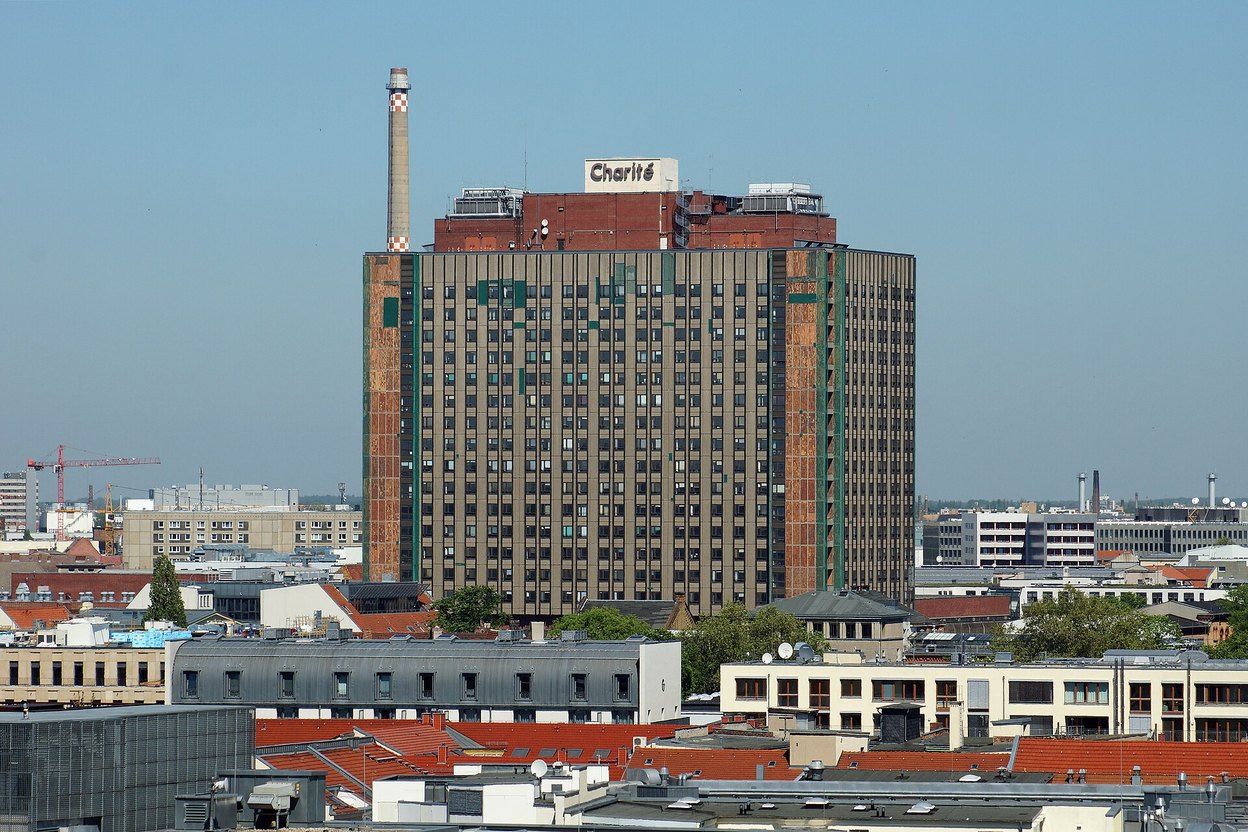
Charité Hospital Berlin
One of the largest university medical complexes in Europe, with clinics and institutes covering all the main fields for adults and children. It includes the German Heart Centre (DHZC), with nearly 500 beds and its heart transplant programme.
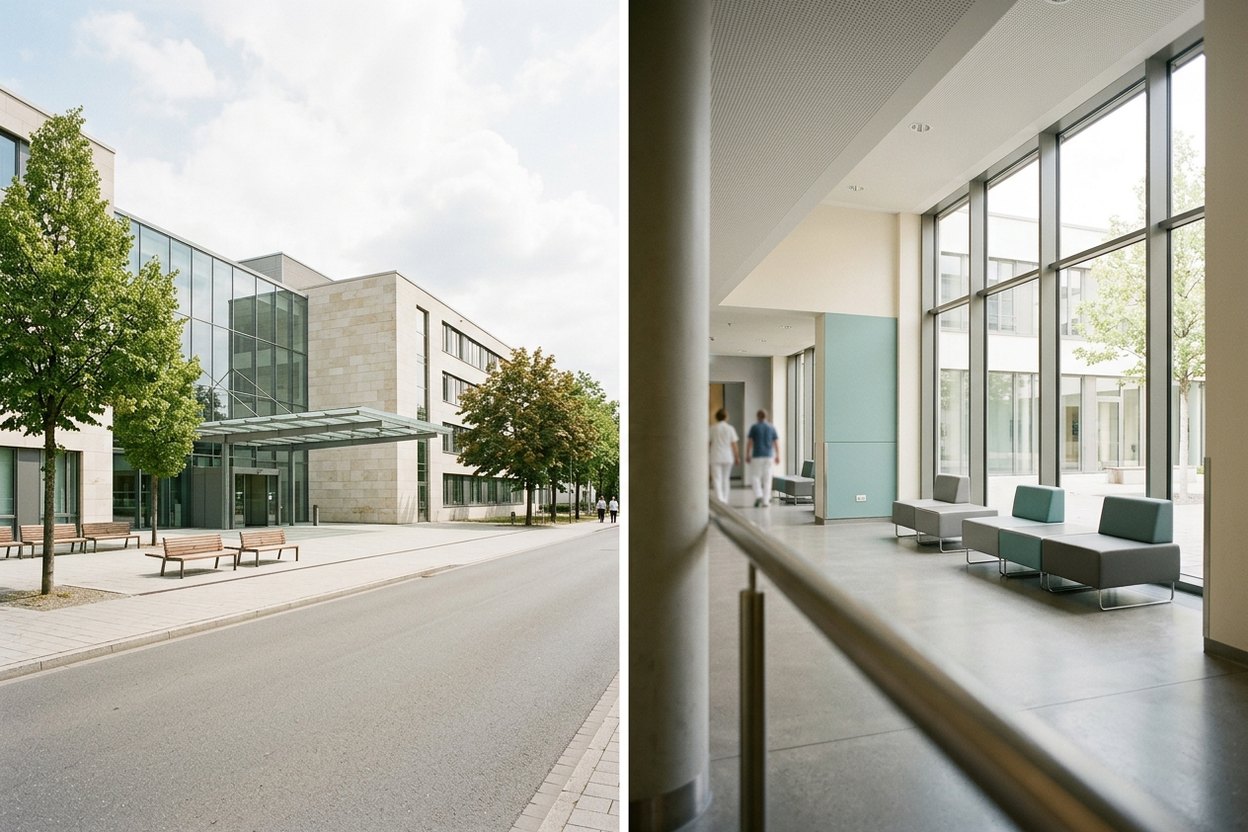
DRK Hospital Berlin
A non-profit association of hospitals in the German capital, owned by the Red Cross Sisters' Association. Internal medicine, general and thoracic surgery, geriatrics and pulmonology are its main fields; the Westend site is a teaching hospital of the Charité.
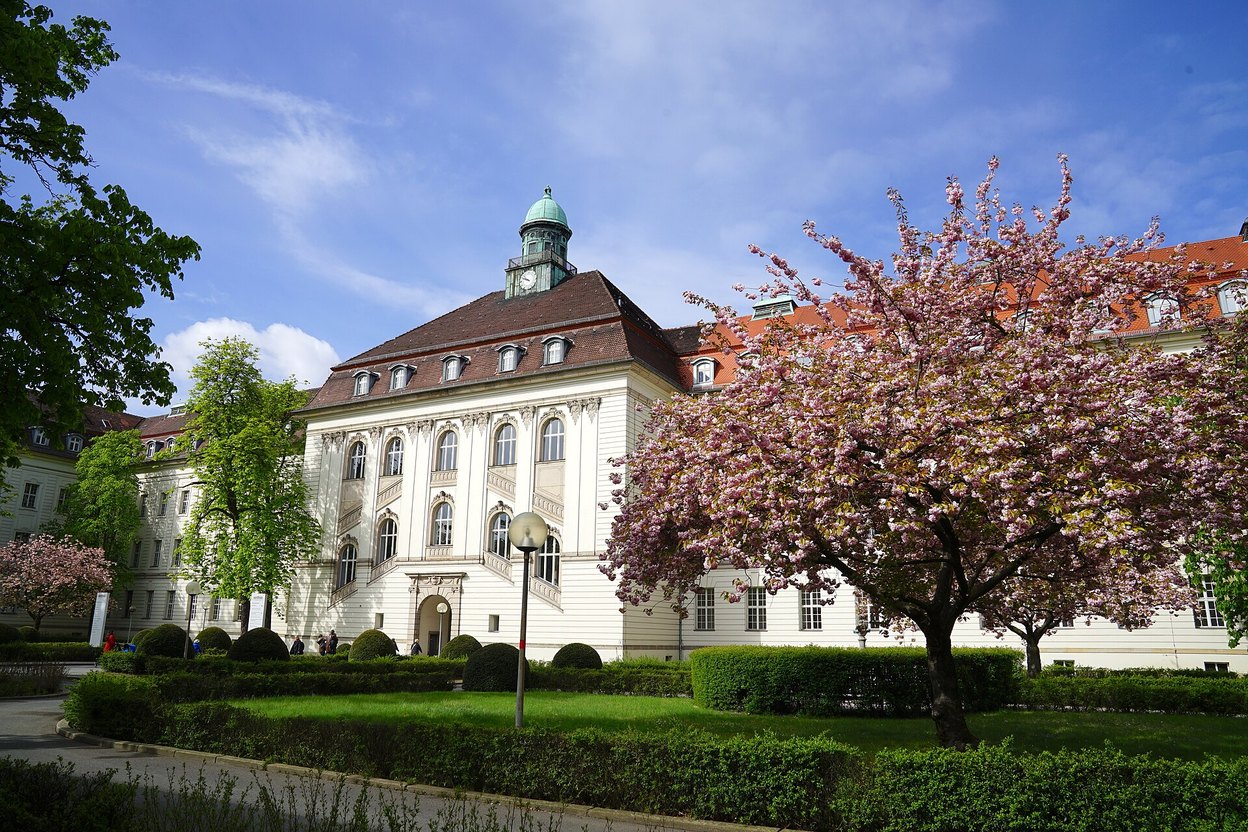
German Heart Center at Charité
A specialised cardiac centre in Berlin, formed in 2023 from the heart departments of the Charité and the former German Heart Centre Berlin. It has 490 beds on three campuses and treats newborns with congenital defects as well as adults with complex disease.
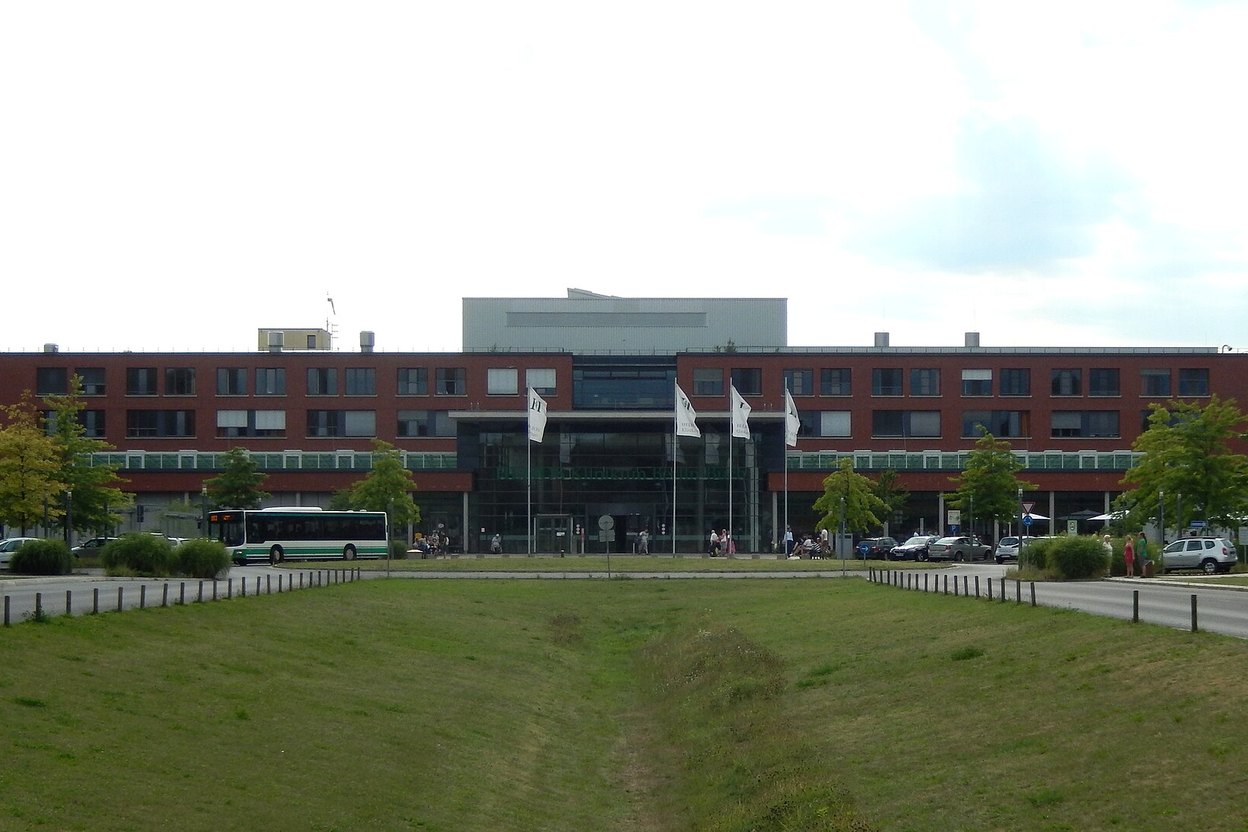
Helios Hospital Berlin-Buch
A large academic hospital complex in the north of Berlin, with centres for oncology, cardiac medicine, thoracic surgery and neurosurgery. The hospital campus in Buch was laid out from 1898 and remains one of the largest in Europe.
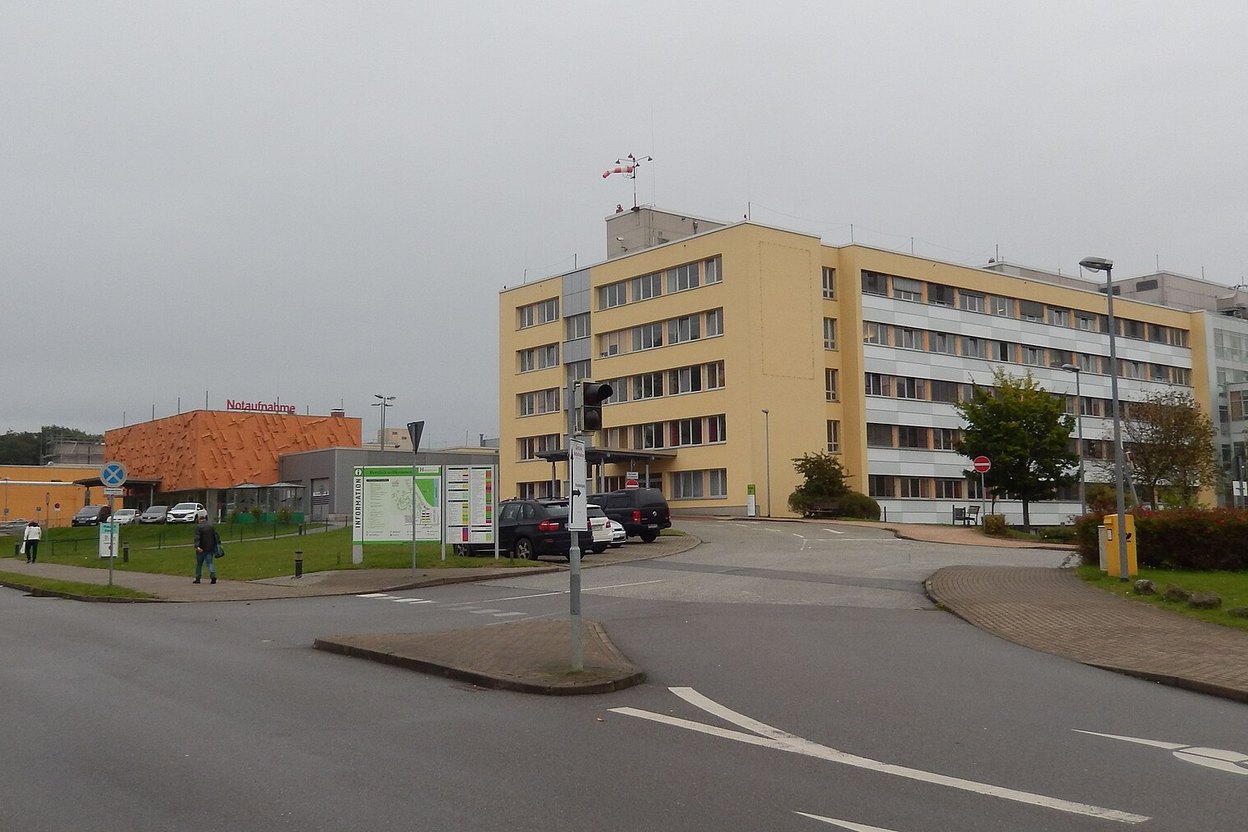
Helios Hospitals
One of the largest hospital networks in Europe, grown from a company founded by the physician Lutz Helmig in 1987. Its maximum-care houses include Berlin-Buch, Erfurt, Wuppertal, Schwerin, Krefeld and Wiesbaden.
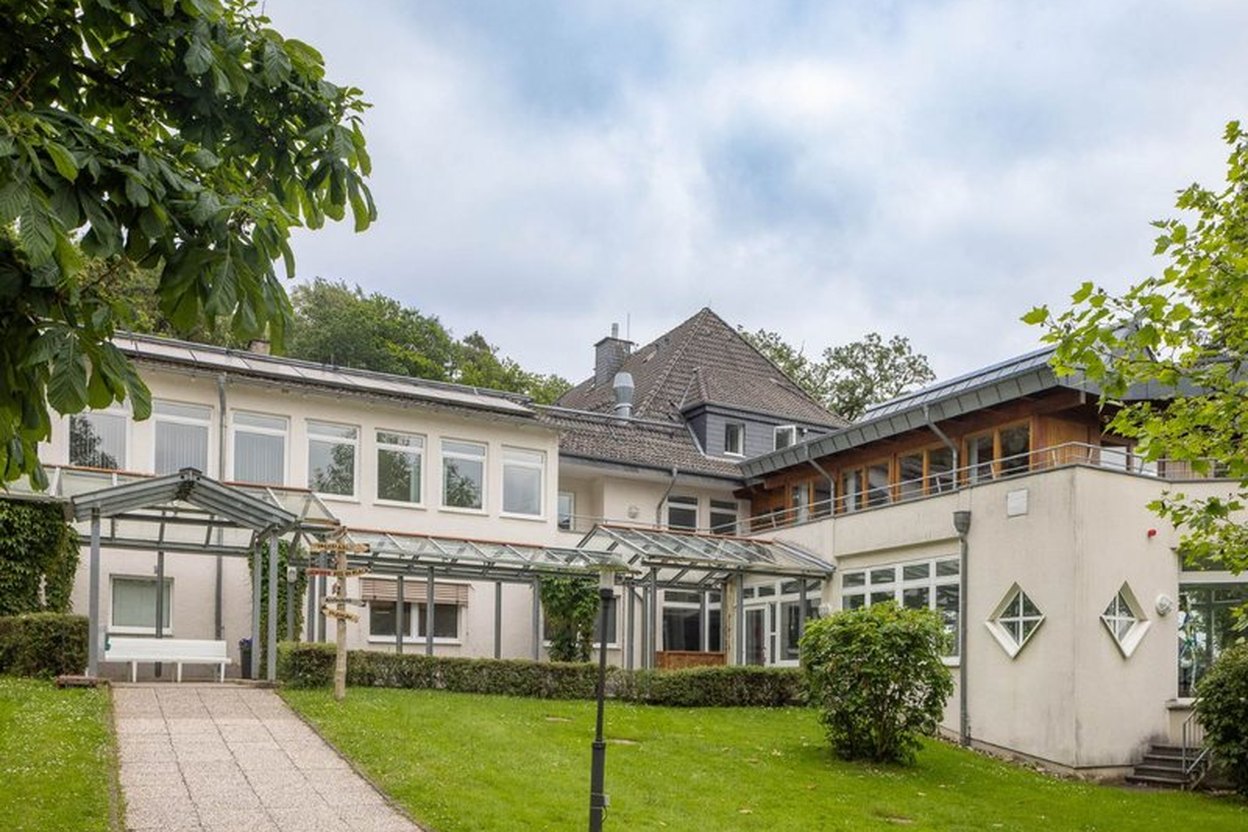
Median Rehabilitation Clinics
A network of rehabilitation hospitals headquartered in Berlin, with more than 120 clinics and centres across Germany. Its work covers recovery after stroke and surgery, orthopaedic and cardiac rehabilitation and psychosomatic medicine.
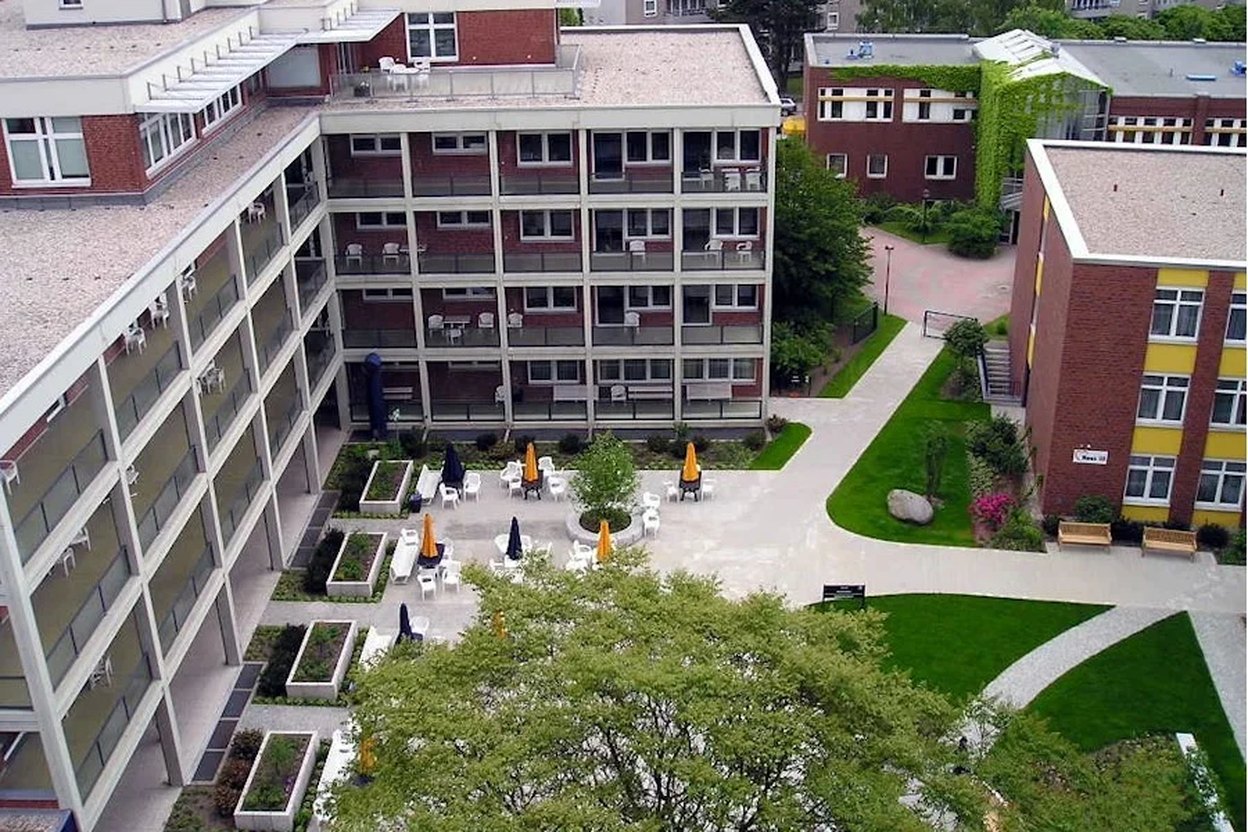
Vivantes Friedrichshain Hospital
A large academic general hospital in Berlin, opened in 1874 as the city's first municipal hospital. Its departments include surgery, neurology, vascular medicine, paediatrics and a kidney transplant centre.