 EN
EN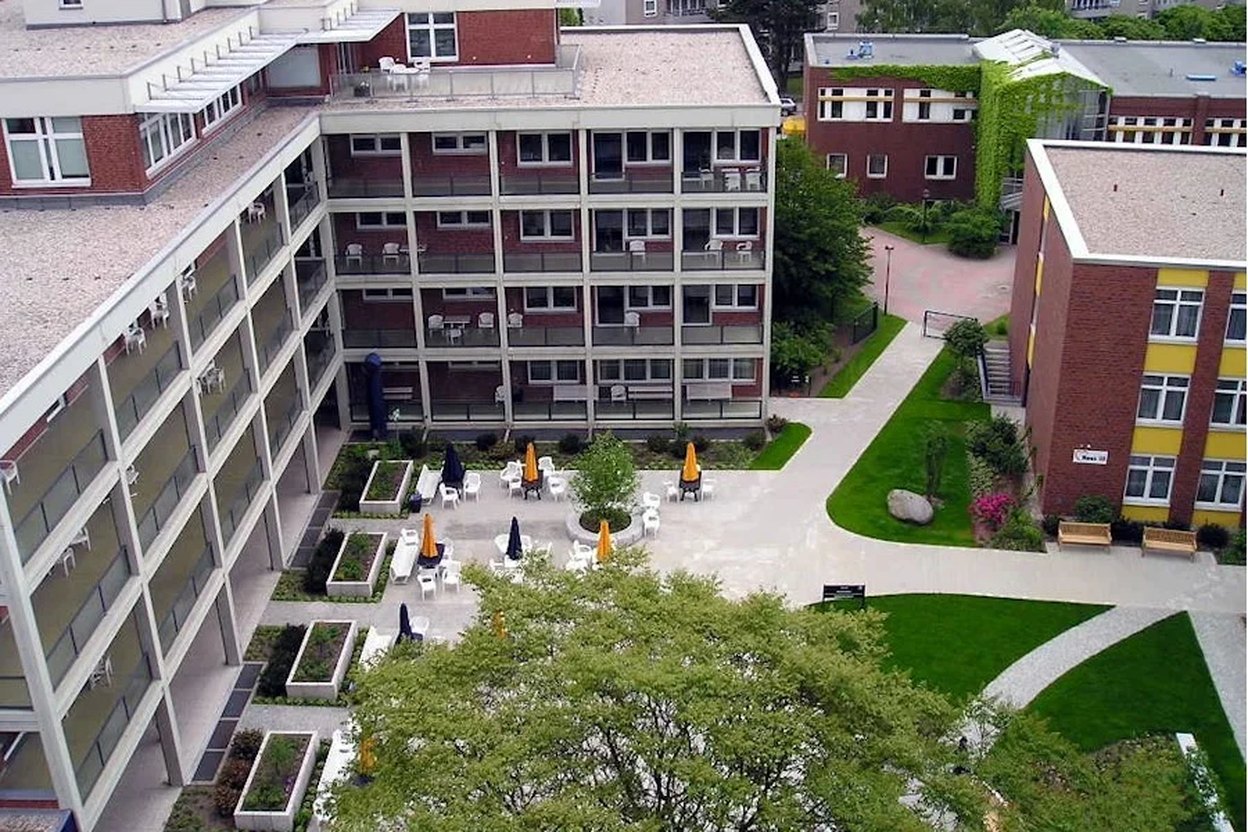
History and Founding Year
The history of this historic medical complex dates back to the mid-nineteenth century, when the municipal administration of Berlin decided to construct the city’s first municipal hospital. The project was initiated under the guidance of the prominent medical researcher Rudolf Virchow and the civic leader Heinrich Kochhann. Financial momentum for the construction was provided by a generous bequest of fifty thousand talers from the merchant Jean Jacques Fasquel. Designed by the acclaimed architects Martin Gropius and Heino Schmieden, under the technical supervision of Viktor von Weltzien, the hospital officially opened its doors in 1874 as the Städtisches Krankenhaus Am Friedrichshain. The architectural design featured separate pavilion structures, a layout pioneered in Great Britain and France to maintain optimal hygiene standards and prevent cross-infection among patients.
Over the following decades, the hospital expanded its medical facilities and remained a central pillar of healthcare in Berlin. The architectural ensemble survived historical changes and is currently recognized as a protected historic landmark (denkmalgeschütztes Bauensemble). In 2001, ownership of the hospital was transferred to the municipal healthcare enterprise Vivantes, fully owned by the Federal State of Berlin, resulting in its modern name, Vivantes Klinikum im Friedrichshain. This transition initiated extensive modernization of treatment wards, operating theatres, and clinical laboratories across the hospital grounds. Today, long-standing clinical traditions are combined with modern medical technologies, offering domestic and foreign patients structured care within one of the largest municipal hospital groups in hospitals in Germany.
Departments and Medical Specialties
The hospital houses numerous clinical units that cover essential medical disciplines in surgery, emergency medicine, and specialized diagnostics. Patients suffering from complex systemic diseases or multi-organ conditions receive treatment through interdisciplinary collaboration among specialized physicians. For instance, individuals requiring advanced treatment for abdominal organs, vascular conditions, or kidney failure can access specialized clinical pathways tailored to their precise diagnosis. When patients need targeted interventions, such as complex abdominal procedures or specialized cancer treatment in Germany, multidisciplinary tumor boards and interdepartmental consultations ensure that every therapeutic plan is thoroughly reviewed prior to surgery or systemic therapy.
The hospital is particularly recognized for its specialized medical centers that handle organ transplantation, vascular conditions, and trauma management in elderly patients. Specialized outpatient clinics provide ongoing monitoring for complex blood disorders, while acute emergency units handle urgent admissions around the clock. In cases involving acute cardiac or neurological emergencies, dedicated teams coordinate closely with intensive care units to stabilize patients and prevent long-term complications. Each department maintains its own specialized ward and diagnostic facilities, allowing for rapid medical evaluation without unnecessary delays between diagnostic imaging and therapeutic interventions.
- Gerontotraumatology Centre (Zentrum für Alterstraumatologie)
- Kidney Transplantation Centre (Zentrum für Nierentransplantationen)
- Department of Paediatric and Adolescent Medicine (Klinik für Kinder- und Jugendmedizin)
- Department of Anaesthesiology (Klinik für Anästhesie)
- Department of Neurology (Klinik für Neurologie)
- Vascular Medicine Centre (Zentrum für Gefäßmedizin)
- Coagulation Disorders Outpatient Clinic (Ambulanz für Gerinnungsstörungen)
Hospital Doctors
Medical care at the hospital is directed by experienced department heads, senior physicians, and specialized clinical teams who maintain high academic and practical standards. Surgical departments are led by recognized experts in their respective fields, including Prof. Dr. med. Sven Kantelhardt, who oversees surgical operations, clinical quality management, and the implementation of modern surgical techniques. The medical leadership actively participates in scientific research, clinical trials, and international medical conferences, ensuring that treatment protocols remain aligned with current European clinical guidelines. The nursing staff and medical specialists work in close coordination, providing continuous monitoring and clinical care throughout the patient’s stay.
Location and Accessibility
The hospital complex is situated in the Friedrichshain district of central Berlin, positioned alongside Landsberger Allee and bordering the extensive green grounds of Volkspark Friedrichshain. This convenient urban location provides a quiet and pleasant environment for recovering inpatients while ensuring easy access to Berlin’s comprehensive public transportation network. Patients and visitors can easily reach the hospital using urban tram lines, underground railway lines (U-Bahn), or regional bus services. For individuals arriving by private vehicle or taxi, convenient access driveways and dedicated visitor parking facilities are available directly on or adjacent to the hospital campus grounds.
Travel time from major transport hubs, including Berlin Hauptbahnhof (the central railway station) and Berlin Brandenburg Airport (BER), is relatively short, which is particularly advantageous for international patients or individuals requiring urgent medical transfer. Detailed travel instructions and precise campus directions are provided to each patient in advance alongside their official clinical invitation letter. When planning your medical trip to Berlin, AlenMed assists with logistical arrangements, including flight bookings, hotel reservations for accompanying family members, and comfortable airport transfers with specialized vehicles if required, ensuring a smooth and stress-free arrival at the clinic.
Accommodation, Dining, and Amenities
Inpatient accommodation at the hospital is designed to ensure patient safety, privacy, and physical comfort throughout the treatment process. Patients can choose standard double rooms or select comfortable single and double accommodation options (Wahlleistung, Komfortzimmer, Einbettzimmer) equipped with modern functional beds, private sanitary facilities, television, and wireless internet access (WLAN). Nutritional care is carefully managed according to individual dietary requirements and medical recommendations, with daily menus (Speiseplan) providing multiple options for breakfast, lunch, and dinner. In addition, patients and their guests can visit the on-site restaurant and bistro for refreshments, snacks, and warm meals in a relaxed setting.
The hospital’s operational policies emphasize patient well-being and emotional support, offering flexible visiting hours (Besuchszeit) so that family members (Angehörige) and close friends can visit throughout the day. The adjacent Volkspark Friedrichshain and landscaped garden areas within the hospital grounds offer quiet walking paths and seating areas where mobile patients can spend time outdoors. A historic chapel (Kapelle) is also located on the hospital grounds, providing a peaceful environment for quiet reflection or prayer. This combination of structured clinical care, comfortable living conditions, and green outdoor spaces supports physical recovery and psychological well-being.
How to Arrange Treatment
Arranging medical treatment in Berlin follows a clear, step-by-step procedure designed to ensure clarity and transparency for international patients. To initiate the evaluation process, the patient provides comprehensive medical records, including recent clinical summaries, diagnostic laboratory results, and high-resolution imaging scans such as MRI or CT. German medical specialists review these documents to determine whether inpatient admission, further diagnostics, or surgical intervention is required. Based on this expert assessment, an official preliminary cost estimate (Kostenvoranschlag) is prepared. All medical fees are paid directly to the official bank account of the hospital, ensuring complete financial transparency without hidden agency markups.
Once the advance payment is received, the hospital issues an official medical invitation required for visa processing. AlenMed provides complete organizational support throughout every stage of your trip to Germany. We assist with obtaining an expedited medical visa for Germany, select convenient accommodation for accompanying relatives, and organize airport transfers. To facilitate clear and precise communication with medical staff during consultations and ward rounds, a qualified medical interpreter in Germany will accompany you throughout your stay, ensuring that all diagnostic explanations and therapeutic instructions are fully understood.
Submit Your Medical Documents
If you or your family member require diagnostic evaluation or specialized medical treatment in Berlin, you can submit your medical reports and imaging scans through our official contact form. AlenMed specialists will quickly review your request, forward your documents to the appropriate department head at the hospital, and obtain a preliminary cost estimate and treatment plan. Our team takes care of all administrative, logistical, and translation details so that you can focus entirely on your medical care and recovery.