 EN
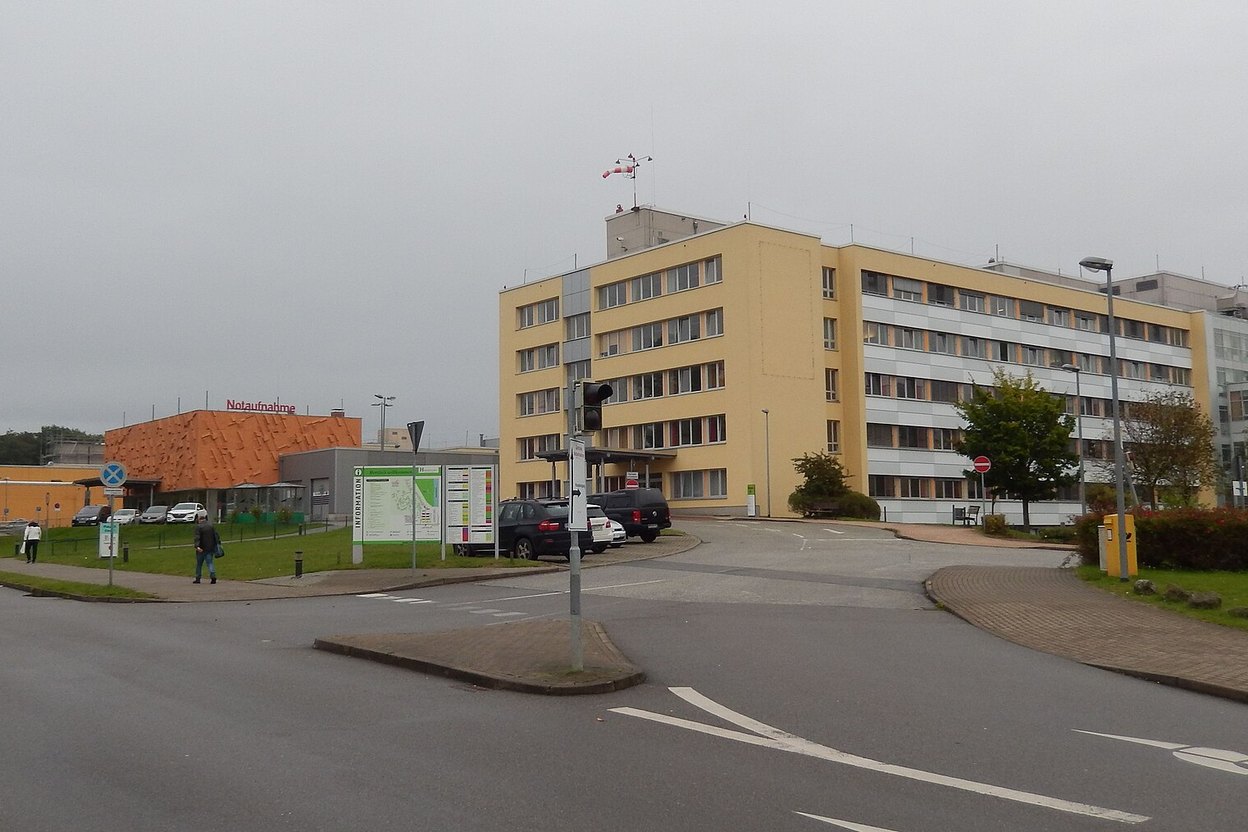
A Helios hospital in Germany is not a stand-alone clinic but part of the Helios group, a private operator that runs dozens of hospitals across the country. The group belongs to the German healthcare company Fresenius and is among the largest hospital groups in Europe.
For a patient, this means one name on the sign but very different hospitals behind it: a large hospital with almost every specialty in one city, a narrow specialist centre in another. The real choice is a specific hospital and department, not the brand.
Who Owns Helios: The Group’s History
Helios was founded by the physician Lutz Helmig and has belonged to the Fresenius healthcare group since 2005. Helmig did not start with Helios: in 1987 he set up a hospital company in Lauterbach, Hesse, and with Bernard große Broermann he founded the Asklepios hospitals, which date back to 1985. In 1994 he left Asklepios; in 1995 his company was renamed Helios Kliniken, from the first three letters of Helmig and the last three of Asklepios.
When Fresenius announced the purchase on 14 October 2005, Helios owned 24 hospitals and had earned about 1.16 billion euros the year before. All shares were valued at 1.5 billion euros; Fresenius took 94 percent, and 6 percent stayed with the Helios management. After the purchase, the Wittgensteiner clinics already owned by Fresenius came under the Helios name and management.
How Many Hospitals Helios Runs in Germany
Helios runs more than 80 hospitals in Germany, according to the group’s figures for 2025. It also has around 200 outpatient medical care centres (MVZ), six prevention centres and 30 occupational health centres. In 2025 about 5.6 million patients were treated at Helios facilities, more than 4 million of them as outpatients, and the group employs around 80,000 people in Germany, where its 2025 revenue was €8.1 billion. Seven of its hospitals provide maximum care: large hospitals with almost every specialty that take the most serious cases in their region. They are in:
- Erfurt (Thuringia);
- Berlin-Buch (northern Berlin);
- Wuppertal (North Rhine-Westphalia);
- Schwerin (Mecklenburg-Western Pomerania);
- Krefeld (North Rhine-Westphalia);
- Wiesbaden (Hesse);
- Duisburg (North Rhine-Westphalia).
Which Helios Clinic in Germany Patients from Abroad Choose
The Helios clinic in Germany that patients from abroad choose most often is one of the large general hospitals. Helios Hospital Berlin-Buch, a maximum care hospital, covers practically every field of medicine, as Helios describes it. Helios Hospital Erfurt provides maximum care for central Thuringia, with more than 30 departments and centres under one roof. Helios Hospital Munich West in the Pasing district is a general hospital one level below maximum care (Schwerpunktversorgung), with cardiology, oncology, trauma surgery and neurology.
Among the specialist hospitals, two are chosen most often. The Helios ENDO-Klinik Hamburg is a specialist clinic for bone, joint and spinal surgery, known above all for joint replacement. The Helios Heart Center in Leipzig diagnoses and treats diseases of the heart and blood vessels in adults and children, with treatment decided by a heart team of cardiologists, cardiac surgeons and other specialists.
The group also runs its own service for international patients, Helios International. Its website says it handles enquiries from abroad, selects a suitable Helios hospital from the medical records, prepares a cost estimate and helps with the visa, flights, transfers and an interpreter, in Arabic, English, French, German and Russian. The site presents the group’s comfort wards: Wahlleistung rooms, an optional paid upgrade whose contents each hospital sets out. At Berlin-Buch these are single and double rooms in a comfort area (Komfortbereich) with a private bathroom, TV and free Wi-Fi; an accompanying person can stay on request.
Choosing a Helios Hospital for Your Diagnosis
Choose the department, not the brand: experience with a given operation varies between hospitals of the same group. Ask how many such procedures the department performs a year, whether it is certified, for example as a cancer centre, and who leads it as chief physician (Chefarzt). Part of this is shown in the quality reports every German hospital must publish each year; the Federal Joint Committee (G-BA) explains what they contain.
Comparing Helios with a university hospital or another group, such as Asklepios, Sana or Schön, makes sense in three situations: a rare diagnosis, where a centre’s experience with that disease matters; treatment within a clinical trial; or the wish to see a particular specialist. Either way, what decides is the specific department’s data, not the group’s name.
Frequently asked questions
Is Helios a private or a public hospital group?
Helios is private: it belongs to the German healthcare company Fresenius. For a patient from abroad this changes little: treatment is paid according to the specific hospital’s cost estimate, and the estimate is based on the German DRG system used to bill inpatient care. Compare estimates and departments’ experience, not owners.
Do Helios hospitals accept patients from abroad?
Yes. The group has a dedicated service for them, Helios International, which answers enquiries from other countries, matches the patient with a hospital and prepares a cost estimate; its staff speak five languages, including Arabic and Russian. Patients can contact it directly or through a treatment organiser.
How do I arrange treatment at a Helios hospital from abroad?
Start with your medical records: recent discharge summaries, reports and scans. From them a hospital and department are chosen, doctors review the case and the hospital prepares a cost estimate. Helios International asks for documents in English or German that are no older than three months, and for full prepayment of the estimate before admission.
Can I choose my doctor at a Helios hospital?
Yes, usually for an extra fee: the optional Wahlleistung services include treatment by the head of department or a deputy, as Helios states in its information for international patients. Choose the doctor once it is clear which department fits the diagnosis: first the hospital and department, then the specialist.
How AlenMed Arranges Treatment at Helios Hospitals
Based on the records, AlenMed suggests a suitable Helios hospital or another one that fits the diagnosis better, translates the documents into German and obtains the department’s answer and the cost estimate (Kostenvoranschlag); see also arranging treatment in Germany. Records can be sent through the form on our website.
Payment goes directly to the hospital under its estimate. After the deposit, the hospital issues a visa invitation; the patient is met at the airport, and an interpreter attends appointments. Our office is in Munich, with partner hospitals across Germany.
This material is for reference only and is not an offer. The treatment plan is decided by a doctor at a face-to-face consultation.