EN
“Can cancer be treated with stem cells?” patients and families ask, and the answer depends on what exactly is meant. For doctors in Germany, stem cell cancer treatment means a transplant of blood-forming stem cells: a proven part of treating blood cancers and some other tumours, not an injection that “dissolves” a tumour.
This page explains what these cells are and do, in which diseases they are transplanted, what is unproven, where transplants are done in Germany and how treatment is arranged. The procedure itself, from preparation and cell collection to the hospital stay, is described on the haematopoietic (blood-forming) stem cell transplant page.
What stem cells really do in cancer treatment
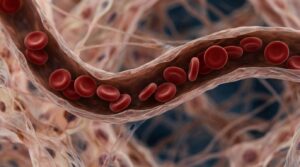
Blood-forming stem cells restore blood production after very intensive treatment or give the body a new immune system; they do not attack the tumour themselves. They live in the bone marrow, where they produce red and white blood cells and platelets.
In an autologous transplant, the patient’s own stem cells are collected and frozen. High-dose chemotherapy that the marrow could not otherwise survive is then given, and the cells are returned so that blood production recovers. Here the cells are a “safety net” that makes the stronger treatment possible.
In an allogeneic transplant, the cells come from a matched donor and build a new immune system that recognises and attacks remaining cancer cells; doctors call this the “graft-versus-tumour” effect. The downside is the risk that the new immune system attacks the patient’s own tissues. That is why only specialist centres perform these transplants.
When stem cell transplantation is used
Most transplants are done for blood cancers: some leukaemias, lymphomas that have relapsed, and multiple myeloma, where an autologous transplant is a routine part of the treatment plan. Leukaemias are covered on the page about blood cancer treatment in Germany.
In selected cases, transplants are also used for certain solid tumours, meaning tumours of organs and tissues: relapsed germ cell tumours (tumours of reproductive cells, such as testicular cancer), neuroblastoma in children (a tumour of immature nerve cells) and some cases of high-risk Ewing sarcoma (a tumour of bone and soft tissue).
A tumour board decides, weighing the type and stage of the disease, the response to treatment, age and general condition. Not every patient with blood cancer needs a transplant, and not everyone can withstand one. The difference between own-cell and donor transplants is explained on the stem cell transplantation page of Krebsinformationsdienst, the German Cancer Research Center’s information service (in German).
What is unproven: “stem cell injections” against tumours
There is no approved treatment today that treats solid tumours such as breast, lung or liver cancer with stem cell injections. Mesenchymal cells taken from fat or umbilical cord are not an approved cancer medicine either. Offers that promise such treatment for large sums call for caution. In Germany, cell-based medicines are overseen by the Paul Ehrlich Institute, the federal agency for vaccines and biomedicines. More on this in the article “Stem cell therapy: what is proven and what is not”.
CAR-T therapy is not a stem cell treatment: it is made from the patient’s own immune cells, which are genetically modified in a laboratory so that they find the cancer. It is used in certain blood cancers.
Where stem cell transplants are performed in Germany
Transplants are performed by specialist departments of university and other large hospitals. At Freiburg University Hospital, this is the Department of Internal Medicine I, covering haematology, oncology and stem cell transplantation; its stem cell transplant section is headed by Prof. Robert Zeiser, winner of the 2025 Gottfried Wilhelm Leibniz Prize. At Rechts der Isar Hospital in Munich, Prof. Florian Bassermann leads the Department of Internal Medicine III (haematology and oncology), which performs autologous and allogeneic transplants and CAR-T therapy.
At Essen University Hospital, transplants are carried out by the Department of Haematology and Stem Cell Transplantation. At Helios Klinikum Erfurt, Prof. Sebastian Scholl is chief physician for haematology, stem cell transplantation and oncology, and his clinical profile covers autologous and allogeneic transplants. The centre is chosen according to the disease and the type of transplant needed.
Frequently asked questions
Can stem cells cure cancer?
Stem cells do not destroy cancer by themselves. A transplant of blood-forming stem cells is part of the treatment of some blood cancers and selected solid tumours: it makes high-dose chemotherapy possible or gives the body a donor immune system that fights remaining cancer cells. What to expect depends on the diagnosis, the stage and the response to earlier treatment, and is discussed with the transplant centre’s haematologists.
How is a stem cell transplant different from stem cell injections?
They are different treatments. Transplants of blood-forming cells are carried out in transplant centres under strict indications, as part of treating a blood cancer or a selected tumour. “Stem cell injections”, including mesenchymal cells from fat or umbilical cord, are not an approved treatment for solid tumours, and there is no reliable evidence of their benefit or safety. They do not replace the treatment set by a tumour board.
Does every patient with blood cancer need a stem cell transplant?
No. Doctors recommend a transplant only when it is likely to help more than treatment without one, and a tumour board decides. It weighs the type and stage of the disease, the response to earlier treatment, age and general condition, because a transplant is demanding and carries a risk of serious complications. If one is indicated, the transplant centre decides which kind is needed: the patient’s own cells or a donor’s.
How AlenMed arranges treatment
AlenMed starts with the documents: diagnostic and bone marrow reports, genetic tests of the disease, and details of previous treatment and the response to it. We translate them and refer the case to transplant centres; the centre replies whether a transplant is indicated and which kind. If a donor is needed, HLA typing (a tissue-matching test) of siblings can start at home, while the transplant centre searches the donor registries.
The stay is long: weeks in hospital, then close follow-up. AlenMed helps with the visa invitation, accommodation for a companion near the hospital and an interpreter. Costs follow the hospital’s estimate (Kostenvoranschlag); see the page on stem cell therapy costs. AlenMed’s office is in Munich; partner hospitals are all over Germany.
This material is for information only and is not an offer. The treatment plan is set by the doctor at an in-person consultation.
News on this topic
Charité treats first beta-thalassemia patient with CRISPR
At Berlin Charité, a 19-year-old beta-thalassemia patient became the first in Germany to receive the newly approved CRISPR gene therapy Exagamglogene Autotemcel.
Real-World Breast Cancer Study Confirms High Five-Year Survival Rates in Germany
A landmark study of over 43,000 German patients reveals a five-year invasive disease-free survival rate of 82.9 percent in early hormone receptor-positive breast cancer.
FDA Approves Jülich Diagnostic Radiotracer FET for Brain Tumor Imaging
The FDA approves the diagnostic radiotracer FET (Pixclara®) for evaluating brain gliomas, highlighting decades of neuro-oncology research at Forschungszentrum Jülich.