 EN
EN
German university hospitals are hospitals attached to university medical faculties, where patient care runs alongside teaching and research. Their doctors teach and do research, and the hospitals take on even the rarest and most severe cases.
This page is for patients with a complex diagnosis and their families. Below the article you will find the cards of the university hospitals AlenMed works with.
How a University Hospital Differs from Other Hospitals
A university hospital differs in its level of care, in teamwork on difficult cases and in its own research. As a rule it is a maximum-care hospital (Maximalversorgung), with practically every specialty, intensive care and round-the-clock emergency admission in one place. If a complication involving another organ arises, the right specialist is in the next building, not in another city.
Difficult cases are discussed jointly: in cancer centres the treatment plan is set at a tumour board (Tumorboard), where a surgeon, an oncologist, a radiation oncologist and other specialists meet. University hospitals usually also run centres for rare diseases for patients whose diagnosis has long remained unclear. Clinical guidelines support these decisions; in Germany they are developed by the scientific medical societies and published in the AWMF guideline register (in German).
University hospitals also test new medicines and methods in clinical trials. When standard options are exhausted, a patient may be offered a place in one; the doctor decides whether it is suitable, and taking part is voluntary and requires written consent.
Teaching Hospitals in Germany and University Hospitals
An academic teaching hospital in Germany (akademisches Lehrkrankenhaus) is a regular hospital where medical students train under an agreement with a university; it is not a university hospital. So the line “Akademisches Lehrkrankenhaus der Universität…” in a hospital’s name only shows a link to a university. Conversely, LMU Klinikum and TUM Klinikum are university hospitals named after the abbreviations of their universities.
Krankenhaus simply means “hospital”, Klinikum usually means a large hospital with many departments, university-run or municipal, and Klinik often means a single department within a hospital. Read more on how the German hospital system is organised.
When a University Hospital Is Worth the Trip
A university hospital is worth the trip when a disease is rare, severe or affects several organs at once. The same applies to organ and bone marrow transplantation, repeat surgery after unsuccessful treatment elsewhere, and cases in which several specialists need to assess the diagnosis together.
For a single routine planned operation or a check-up without a complex diagnosis, a university hospital is not necessary: a specialist or private hospital may offer a date sooner. See our article on private healthcare in Germany.
The downsides, honestly: there can be a wait to see the professor who heads the department, the campuses are large, and care comes from a team, so on ward rounds you will see different doctors rather than one.
Choosing a University Hospital by Diagnosis
Which are the best university hospitals in Germany? No single ranking answers that: you choose the department, not the brand. What counts is how often it performs your operation, whether it is a certified centre for your disease and whether a specialist there focuses on exactly that condition.
University hospitals exist in every part of the country. In the south, Munich has LMU University Hospital, with two campuses, Großhadern and the city centre, and about two thousand beds, as well as Rechts der Isar Hospital (TUM). Heidelberg University Hospital builds on a medical faculty whose history dates back to 1388. Tübingen and Freiburg are also in the south-west. In the north, UKE Hamburg Hospital has more than 80 clinics, outpatient clinics and institutes in 13 centres. Berlin has Charité Berlin, which includes the German Heart Center at Charité (DHZC). The east has Leipzig, whose medical faculty was founded back in 1415, and Dresden; the west has Cologne, Bonn, Düsseldorf and Essen.
If the diagnosis is disputed, start with a second opinion in Germany: with a German specialist’s assessment of the reports and scans, it is easier to choose the hospital and the department.
Frequently asked questions
Do German university hospitals accept patients from abroad?
Yes. Many university hospitals have an international office for requests from abroad. Patients without German health insurance pay for treatment themselves: the department reviews the medical reports and decides how it can help, then the hospital sends a cost estimate and proposes a date. Not every hospital bills foreign insurers directly — LMU, for example, states plainly that it does not.
Why does the hospital ask for payment in advance?
Because patients without German health insurance pay in advance on the basis of the cost estimate. At LMU an advance payment according to the estimate is required, and at the German Heart Center at Charité a treatment date is set once the money has reached the hospital’s account. The final amount can only be stated at the end of treatment.
Will the professor treat me personally?
Not necessarily. The professor usually heads the department and sets the treatment plan, but ward rounds and some operations are handled by other doctors on the team, including senior physicians (Oberarzt). Treatment by the head of department (Chefarztbehandlung) can be agreed in advance as a separately paid service — at LMU, for example, it is listed among the optional extra services.
Do I need to speak German?
No. International offices also correspond in English, and Charité’s service for international patients has native speakers of Arabic, Russian and other languages. Doctors speak German in consultations, so a medical interpreter is wise: the diagnosis, the risks of an operation and the instructions after discharge should be understood without gaps.
How AlenMed Arranges Treatment at a University Hospital
AlenMed handles the correspondence with university hospitals and compares their replies; the patient pays the hospital directly. Many university hospitals have an international office for patients from abroad (International Office or International Patient Office): it takes the request with the medical reports, passes it to the department, sends a cost estimate and sets a date. You can write to it directly, but then you compare the replies of different hospitals yourself. We translate the reports, send them to two or three suitable hospitals and compare the replies and cost estimates (Kostenvoranschlag); see arranging treatment in Germany.
We also help with the visa invitation, a medical interpreter and accommodation. The company office is in Munich, and partner hospitals are spread across Germany.
This material is for reference only and is not an offer. The treatment plan is decided by a doctor at an in-person consultation.

Augsburg University Hospital
The only maximum-care hospital in Bavarian Swabia and one of the largest in Germany, with about 1,750 beds. University status ties research and teaching to the care of complex cases, which are worked through by interdisciplinary teams.
Charité Hospital Berlin
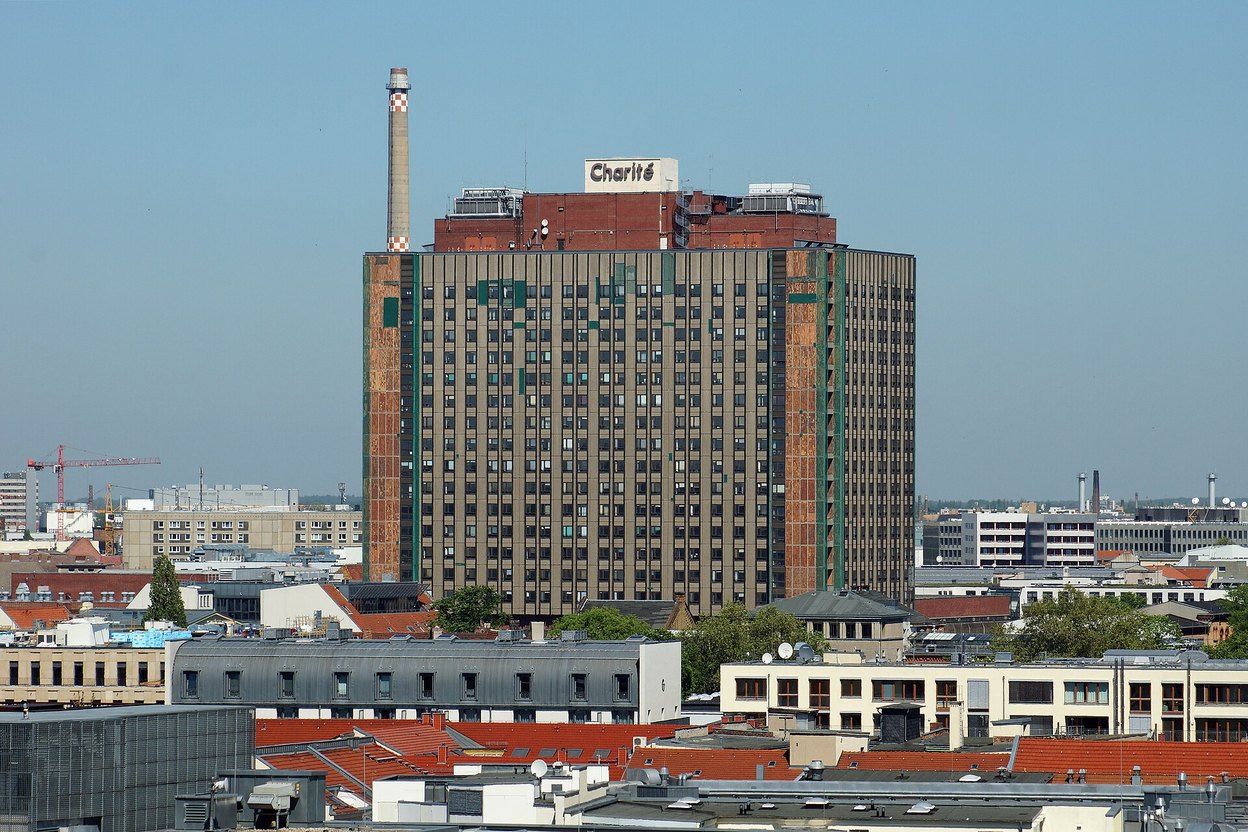
One of the largest university medical complexes in Europe, with clinics and institutes covering all the main fields for adults and children. It includes the German Heart Centre (DHZC), with nearly 500 beds and its heart transplant programme.

Cologne University Hospital
A tertiary-care university hospital in the Lindenthal district of Cologne, where clinical work runs alongside its own research institutes. Its centres cover neurosurgery, paediatric surgery, molecular medicine and palliative care.
Heidelberg University Hospital
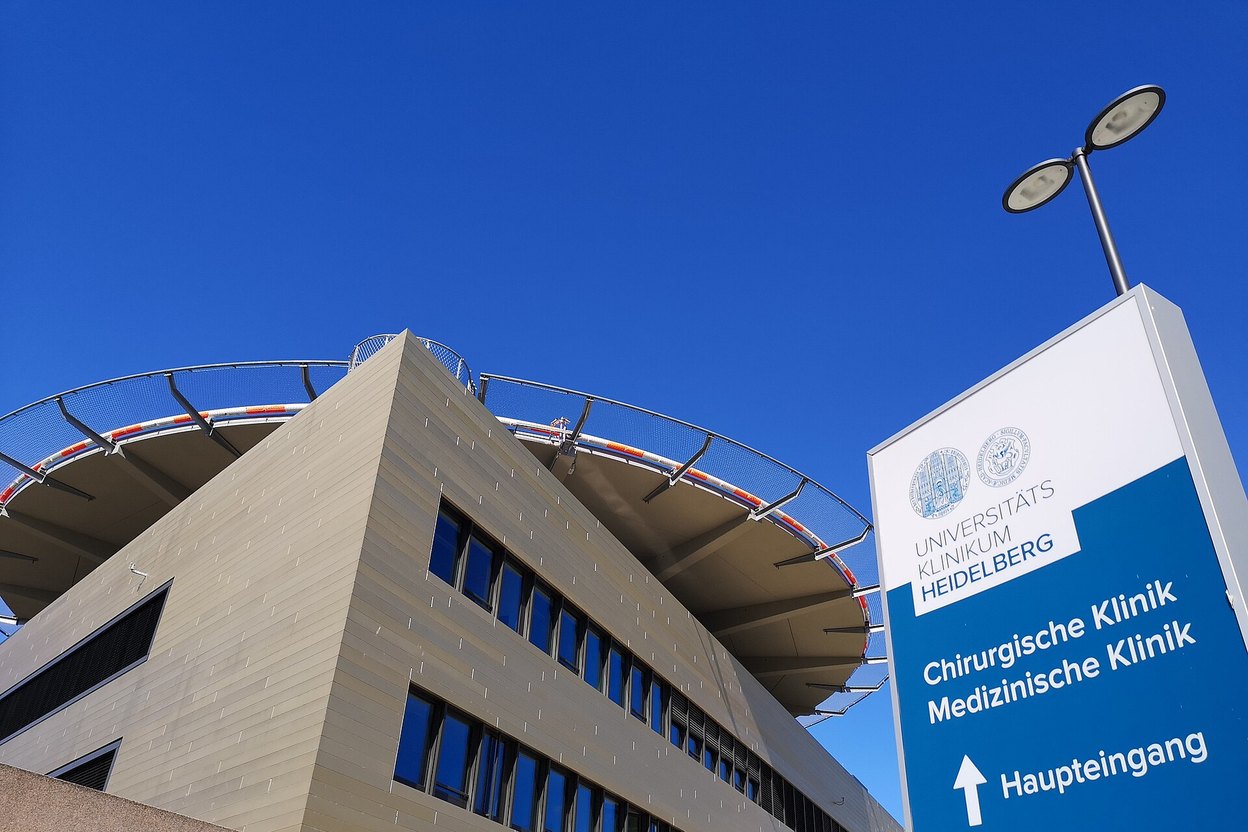
One of the largest academic medical complexes in south-west Germany, with 50 specialist departments, 11 theoretical institutes and 2,599 beds. Its medical faculty dates back to 1388 and is the oldest in the country.

LMU University Hospital Munich (LMU Klinikum)
The university hospital of Ludwig-Maximilians-Universität in Munich, working on two campuses, Großhadern and the city centre, with around two thousand beds. It takes on complex and rare conditions and runs a transplant programme for organs and bone marrow.

Rechts der Isar Hospital Munich: TUM University Hospital
The university hospital of the Technical University of Munich in Haidhausen, with a history going back to 1834 and the status of a maximum-care hospital. It is strong in oncology, cardiovascular and general surgery, gastroenterology and neurosurgery.
UKE Hamburg Hospital
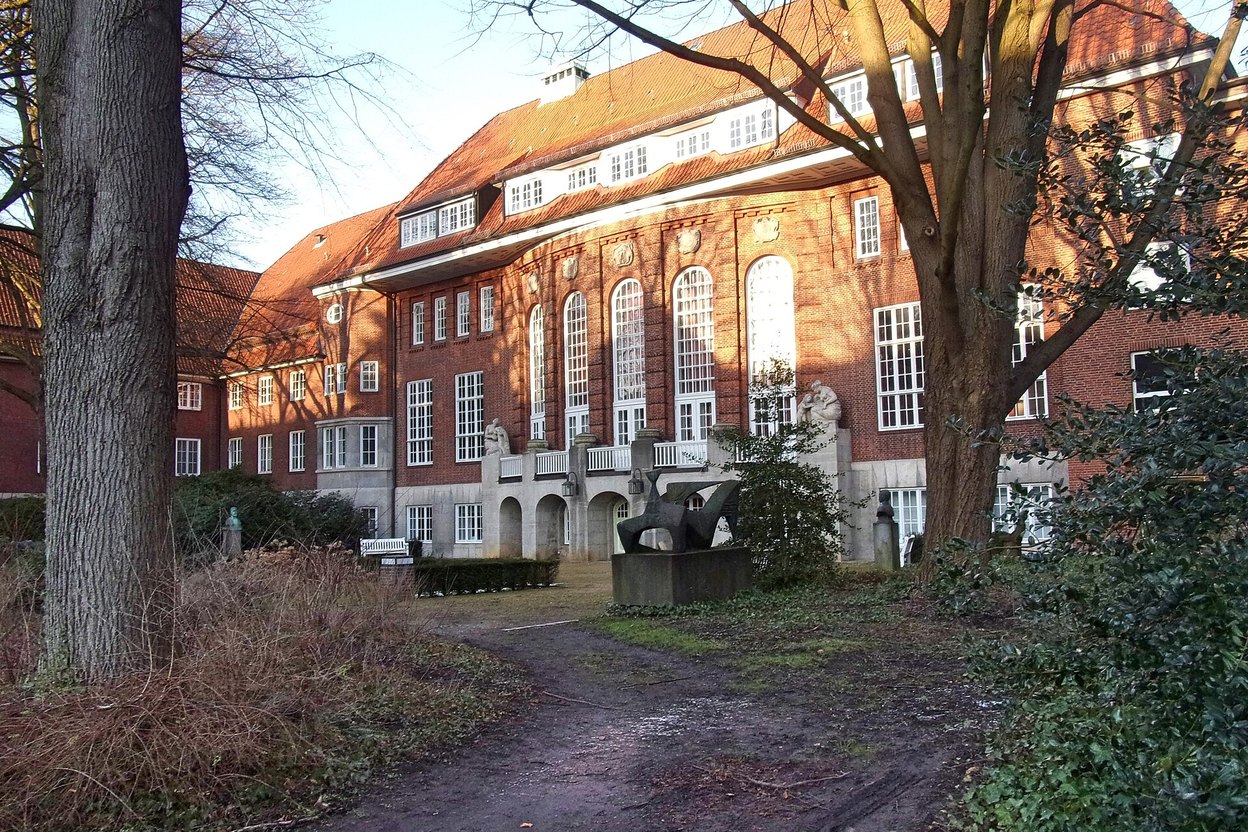
A public university medical complex in the Eppendorf district, made up of 13 centres with more than 80 clinics and institutes and over 1,800 beds. It admits about 97,000 inpatients and sees some 475,000 outpatients a year.

Bonn University Hospital
A tertiary care university centre in Bonn, North Rhine-Westphalia, with 1,341 inpatient beds and close to ten thousand staff. Its specialised departments include epileptology, vascular neurology, neuroradiology, gynaecological oncology and radiotherapy.
University Hospital Dresden
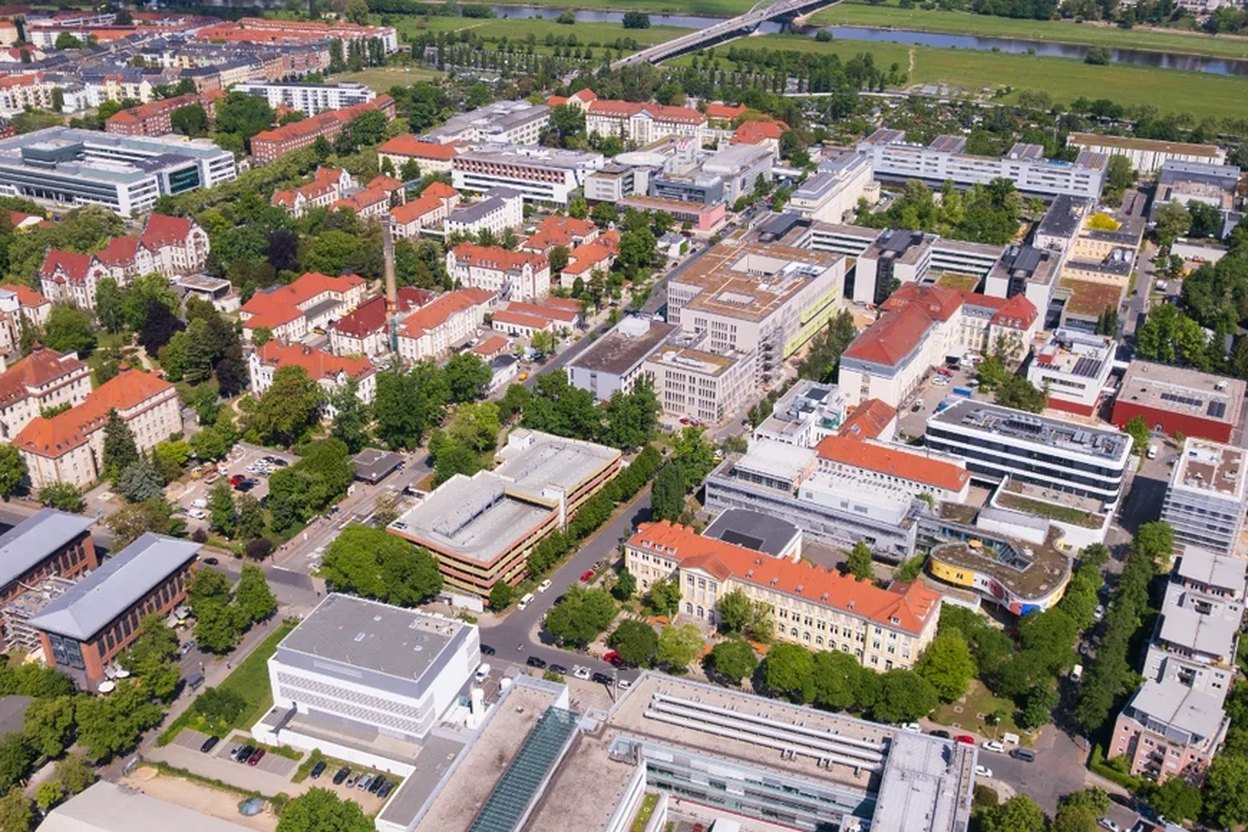
A maximum-care hospital in Saxony belonging to the Technical University of Dresden and named after the physician Carl Gustav Carus. The campus includes a university cancer centre and a separate proton therapy centre.
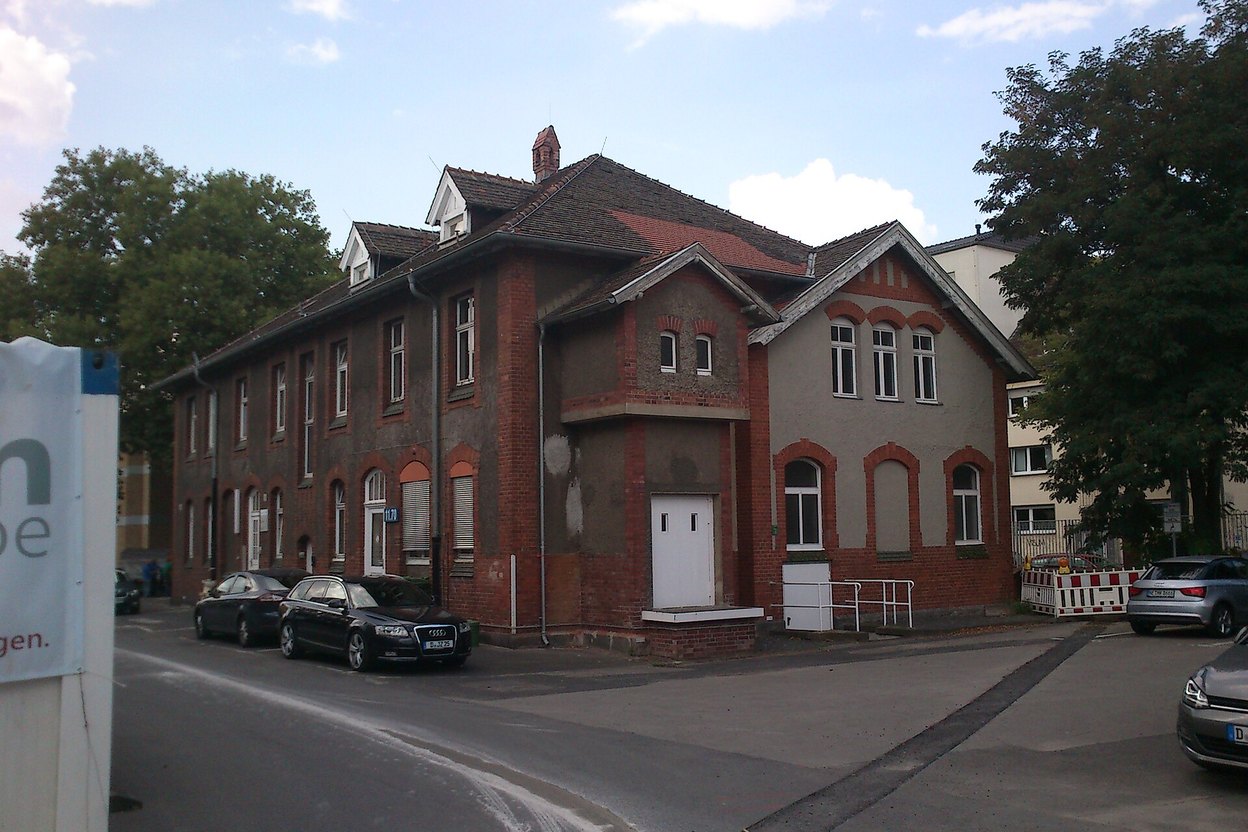
Duesseldorf University Hospital
An academic medical centre in the south of Düsseldorf with 29 specialist clinics, 30 research institutes and more than 1,200 beds. It opened in 1907, and in 1952 the first open-heart operation with a heart-lung machine was performed here.
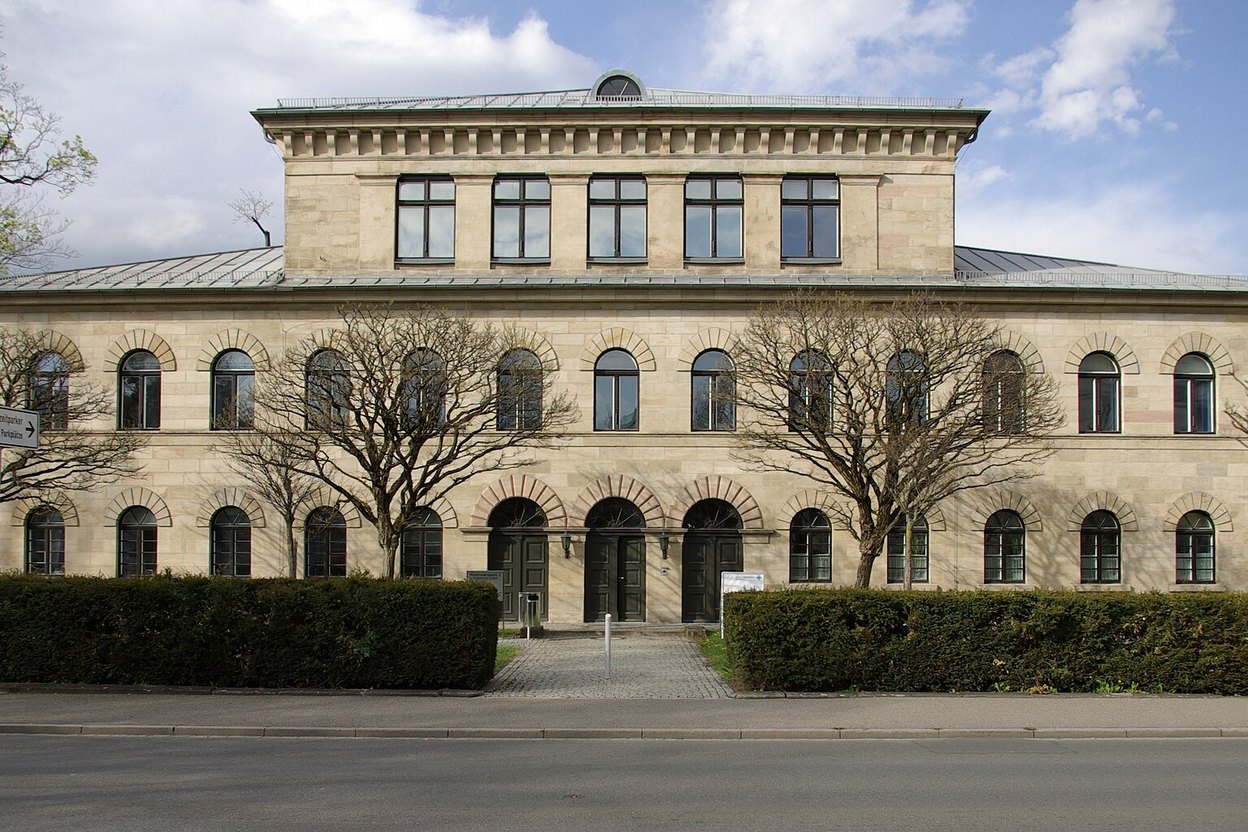
Erlangen University Hospital
A maximum-care teaching hospital of Friedrich-Alexander-Universität Erlangen-Nürnberg, founded in 1815. The first ether anaesthesia in Bavaria was given here in 1847, and Germany's first IVF baby was born here in 1982.

Essen University Hospital
The university hospital of the University of Duisburg-Essen, with 1,291 beds, twenty-seven clinical departments and twenty-four research institutes. Its strengths are transplant surgery, haematology with stem cell transplantation, and hepatology.
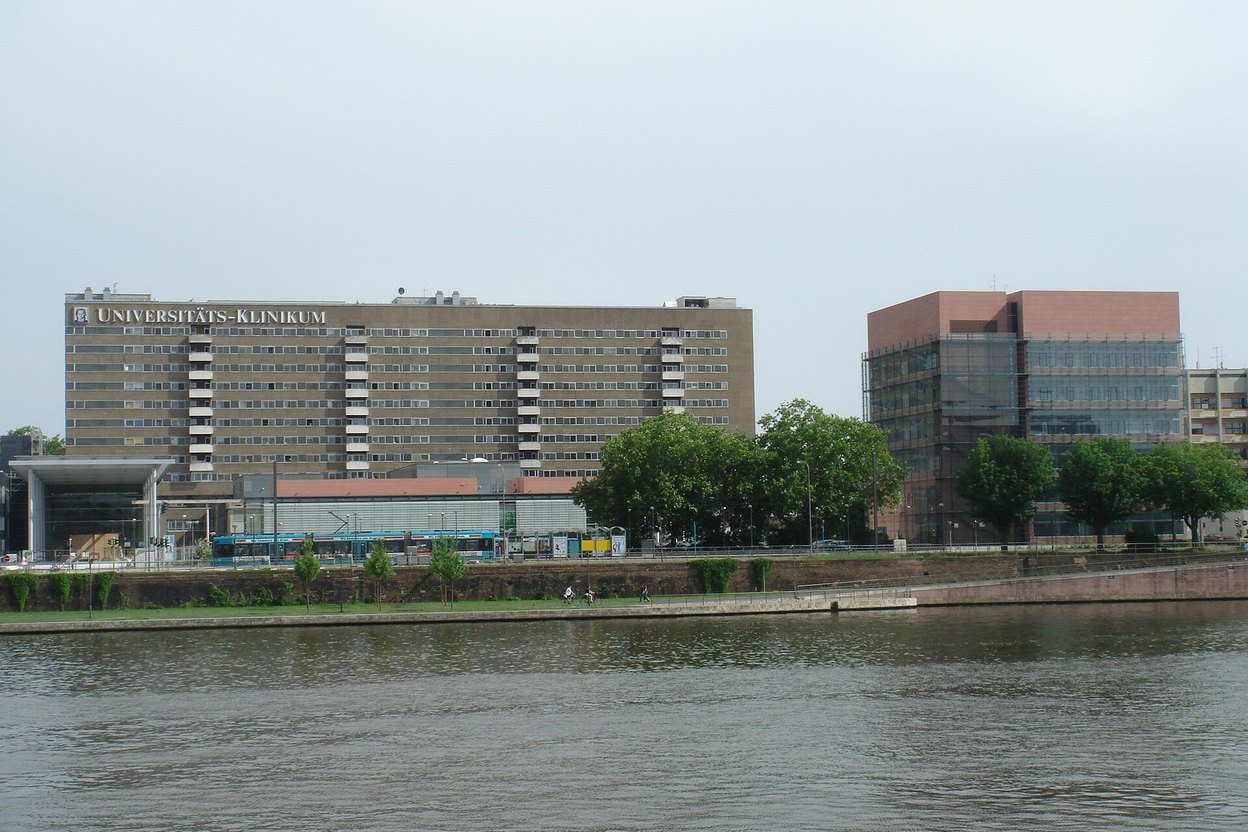
University Hospital Frankfurt
A public university medical centre for maximum care in Frankfurt am Main, where clinical work, research and teaching sit side by side. Surgical oncology, organ transplantation, emergency care and ophthalmology are among its fields.

Freiburg University Hospital
One of the largest medical complexes in south-western Germany and part of Albert Ludwig University. Surgical centres, diagnostic institutes and medical departments work side by side, and the medical tradition of the city goes back to 1751.
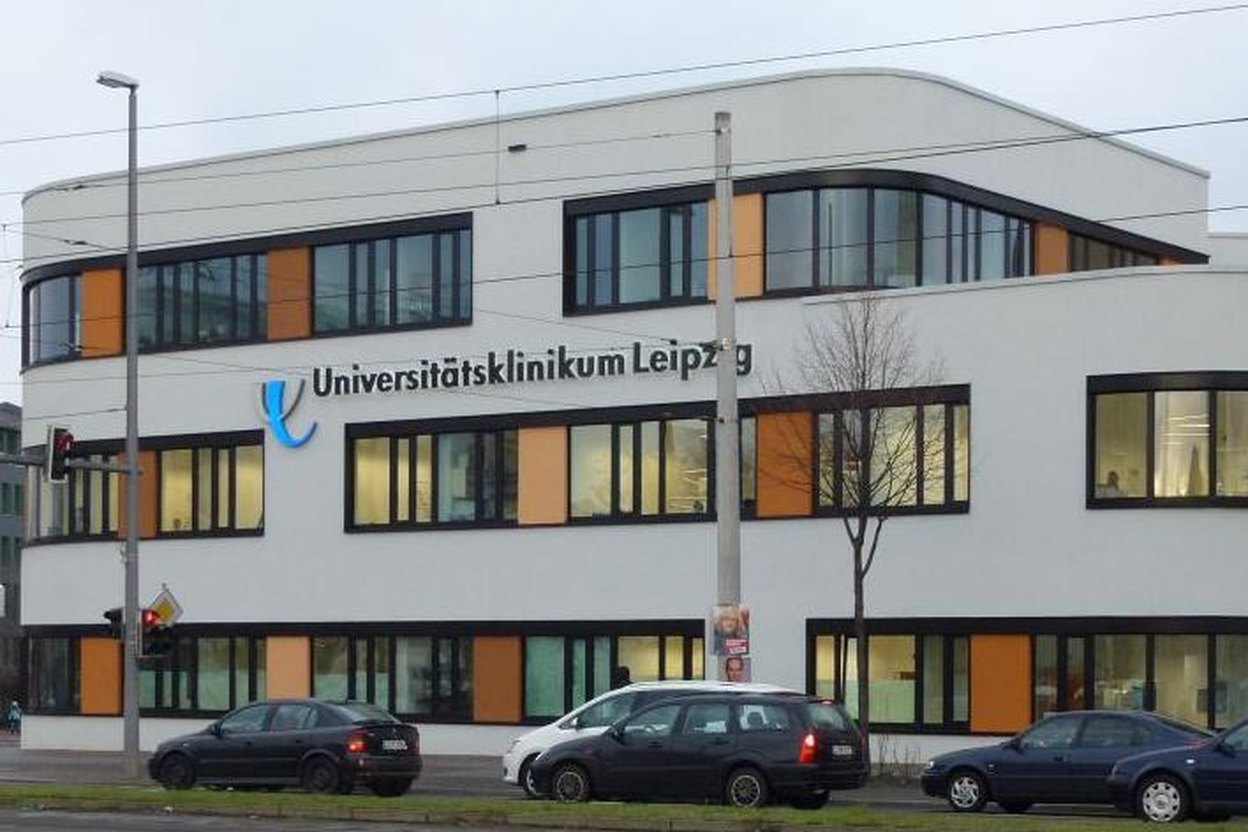
Leipzig University Hospital
One of the country's oldest academic hospitals, with a medical faculty in Leipzig dating from 1415. Today it has 1,451 beds across 61 clinics and polyclinics and ten research institutes, and is strong in haematology, cardiac surgery and mental health.
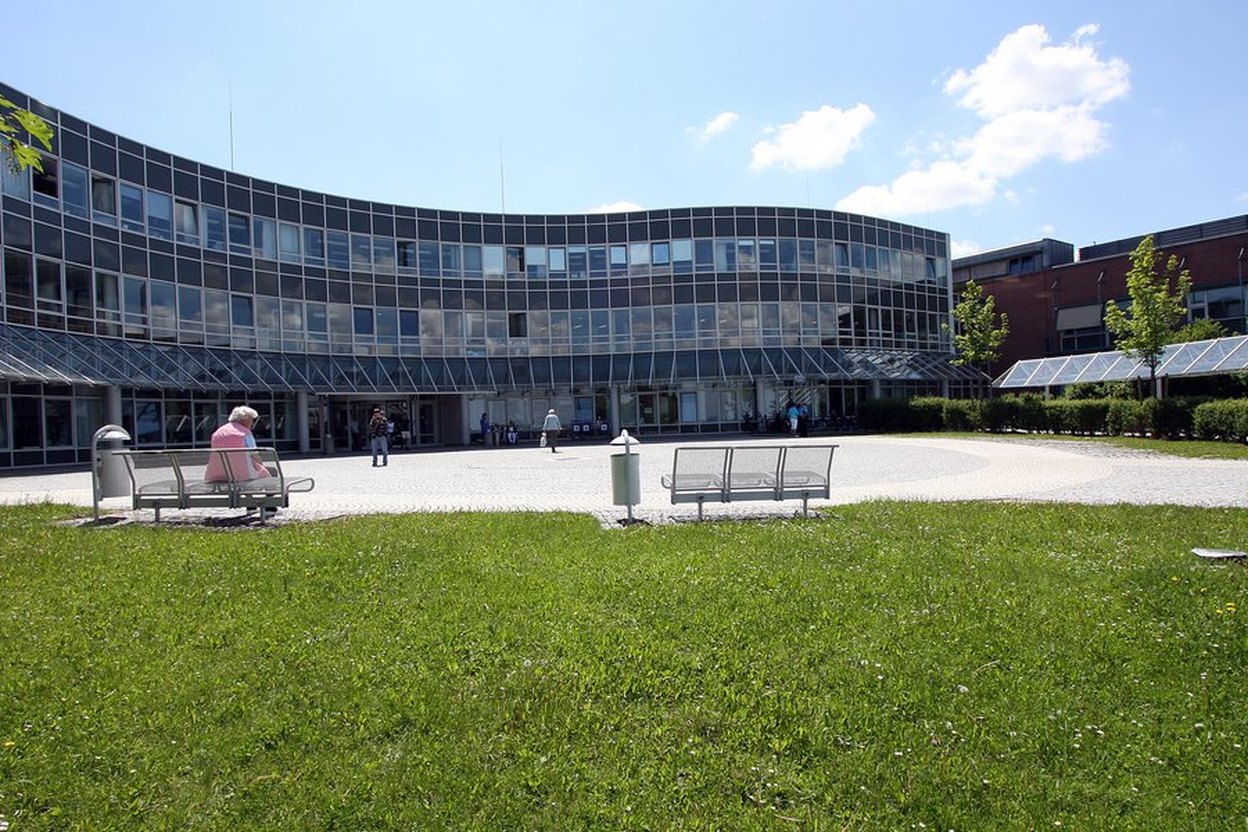
University Hospital Regensburg
The university hospital of maximum care for Eastern Bavaria, serving a region of more than two million people. It admitted its first patients in 1984 and concentrates on rare and severe disease, stem cell transplantation and surgery of high complexity.
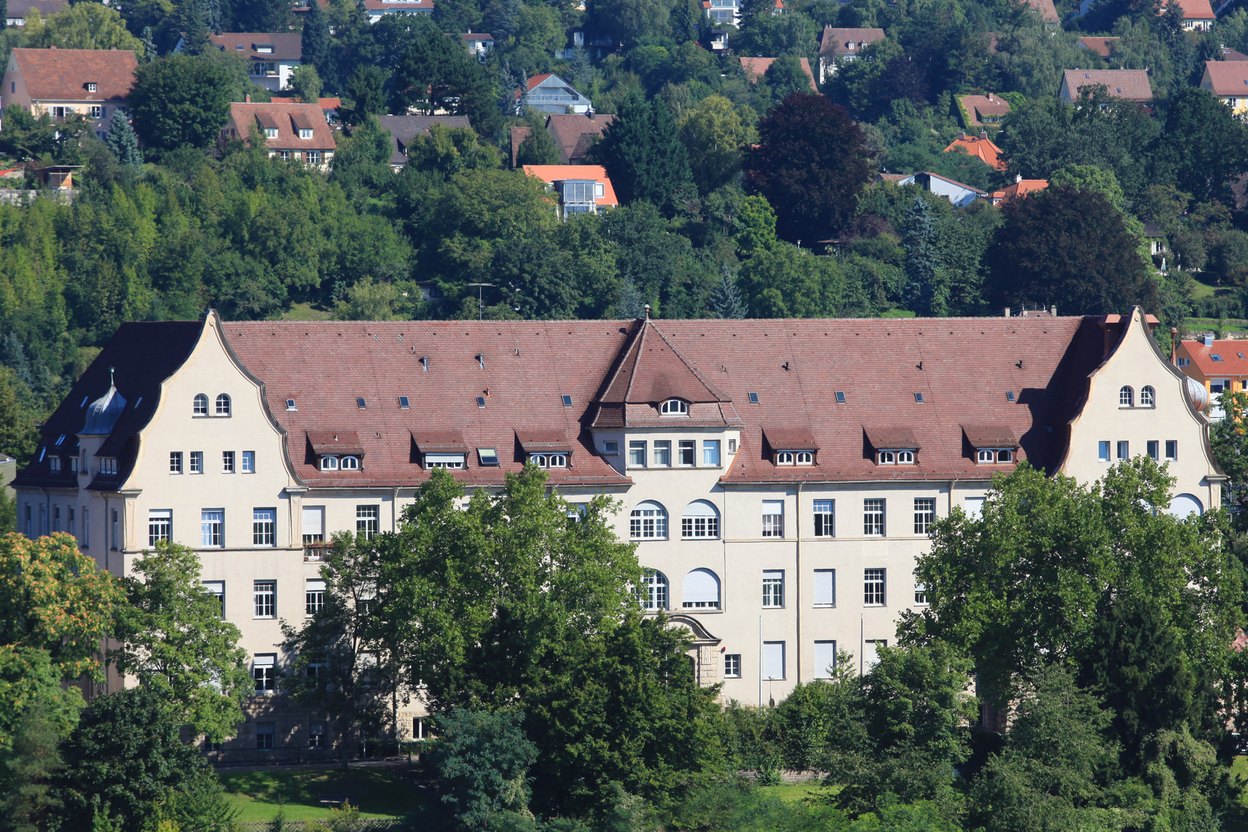
Tuebingen University Hospital
An academic centre of Eberhard Karls University, opened in 1805, with 1,650 beds and more than 420,000 outpatient visits a year. It takes on complex and rare conditions, worked through by interdisciplinary teams alongside clinical research.
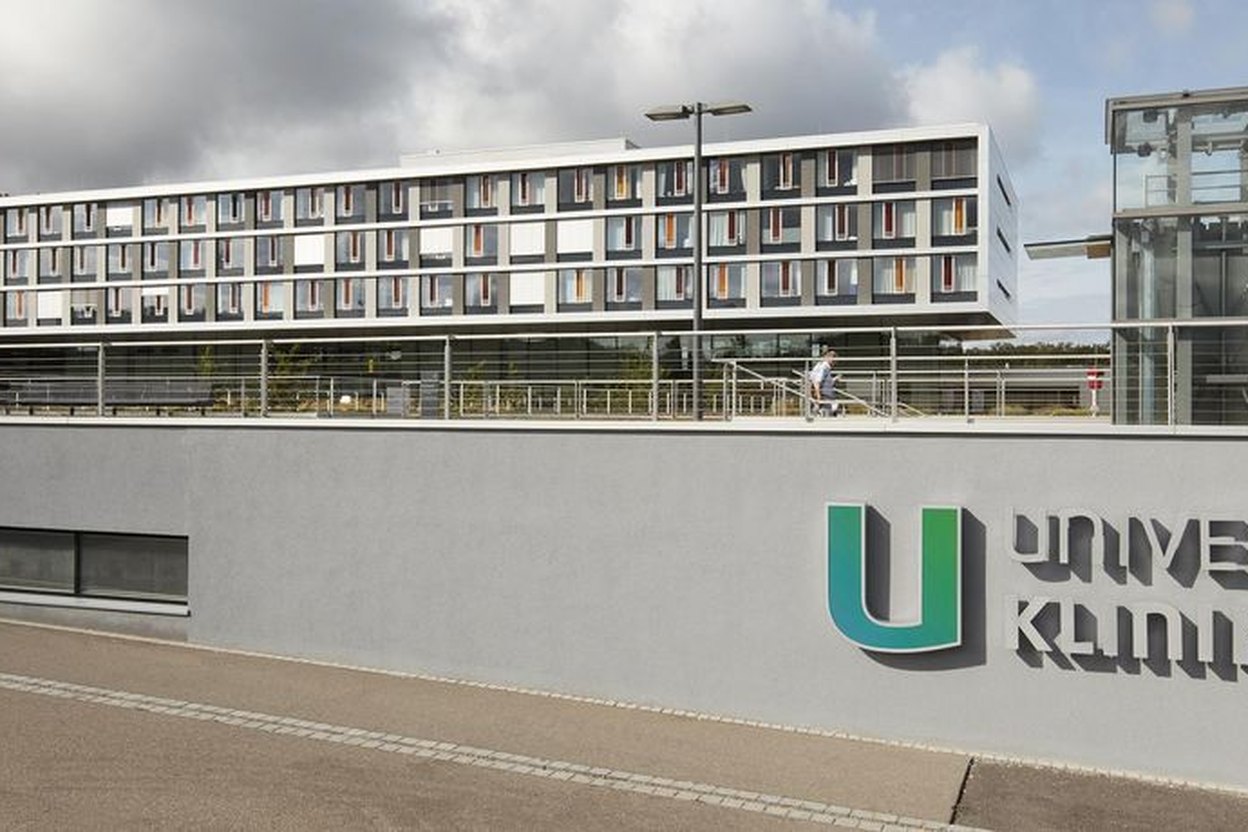
Ulm University Hospital
The youngest of the four university medical centres in Baden-Württemberg, a teaching hospital with 1,200 beds serving the Ostwürttemberg, Donau-Iller and Lake Constance regions. Departments include internal medicine, neurology and radiotherapy.
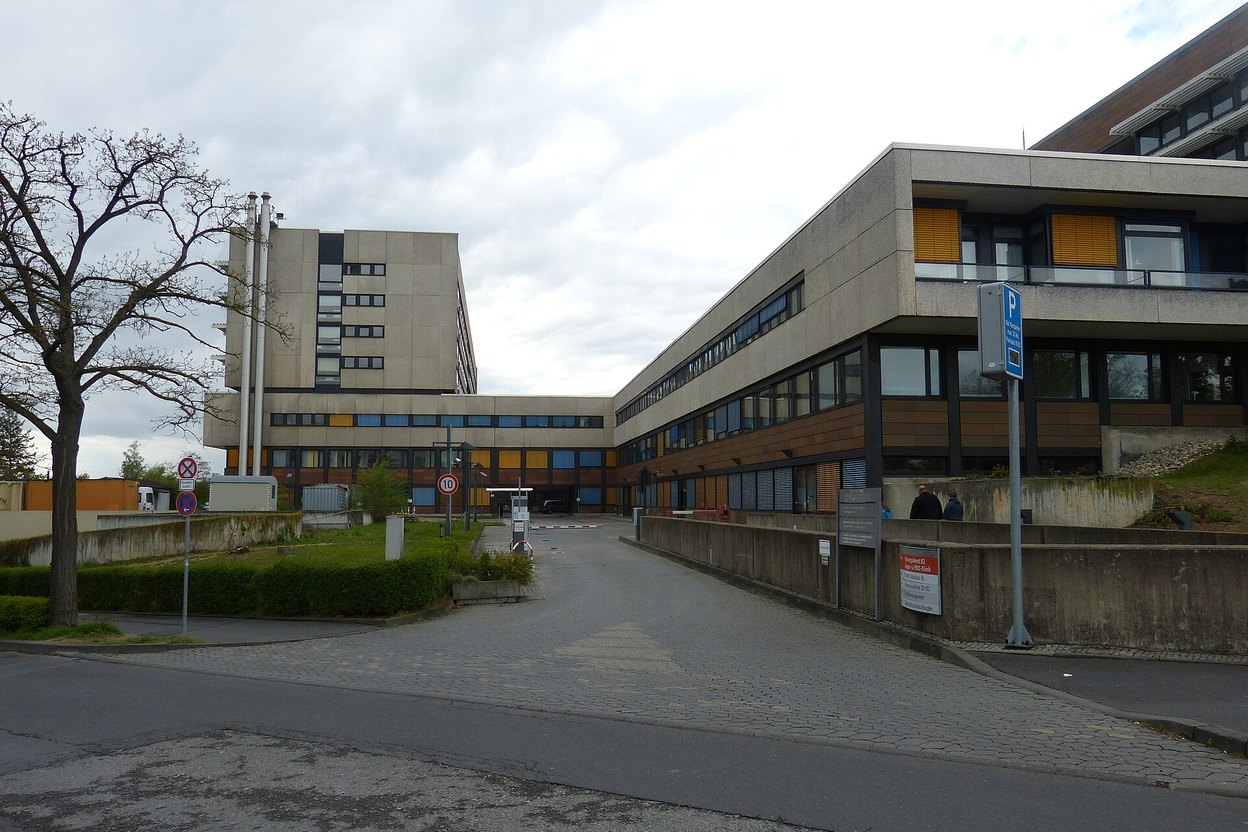
Wurzburg University Hospital
A maximum-care university hospital in Bavaria, attached to the medical faculty of Julius Maximilian University. University medicine has been taught here since 1581, and the house runs centres for rare diseases and neuroendocrine tumours.