 EN
EN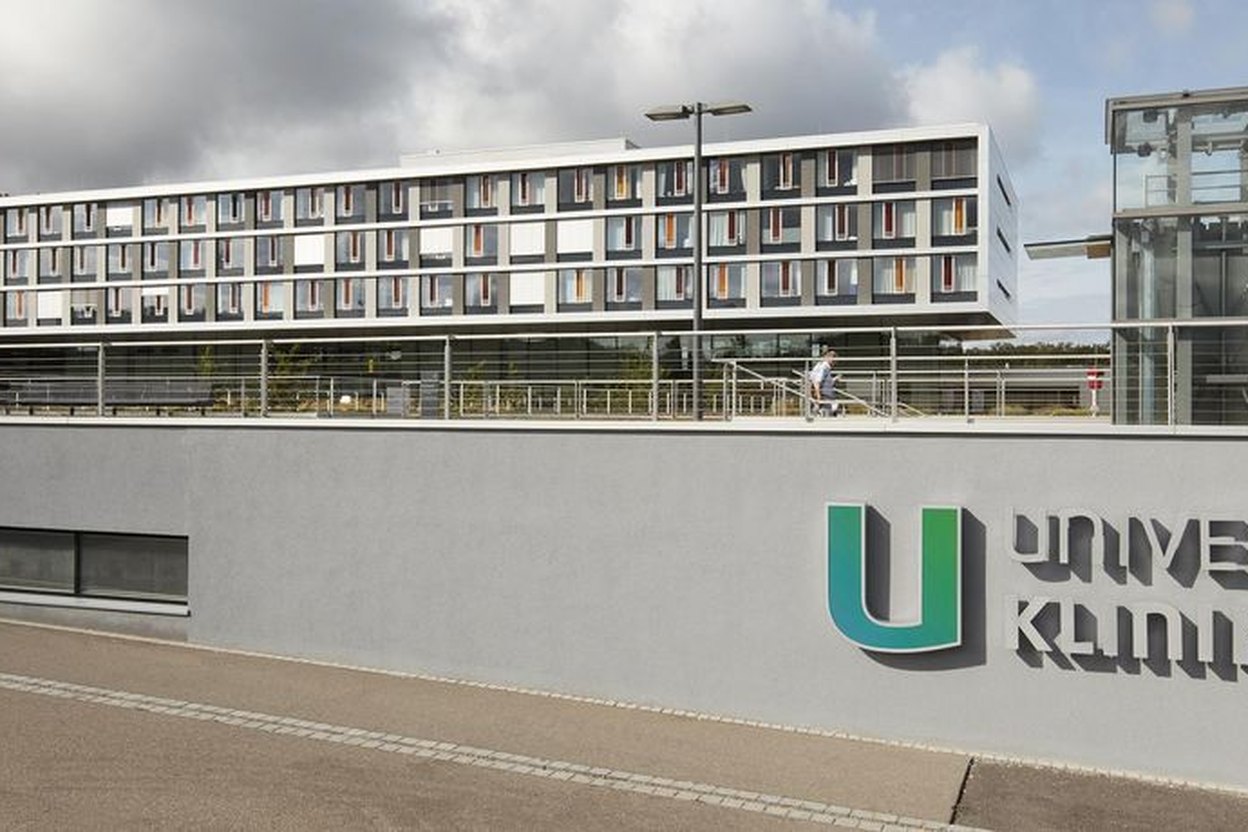
Ulm University Hospital (Universitätsklinikum Ulm) represents the youngest of the four university medical centers located in the federal state of Baden-Württemberg. Operating as a major tertiary care hospital with 1,200 beds, this medical center provides specialized inpatient and outpatient care across Ostwürttemberg, Donau-Iller, and Bodensee-Oberschwaben. As an integral component of the Medical Faculty at Ulm University, the hospital actively engages in practical education and clinical training for human medicine, dentistry, and molecular medicine. For international patients seeking high-standard care at academic hospitals in Germany, university medical centers combine routine patient management with ongoing research, structured diagnostic procedures, and evidence-based treatment protocols.
Departments and Medical Specialties
- Department of Gynaecology and Obstetrics (Klinik für Frauenheilkunde und Geburtshilfe)
- Department of Otorhinolaryngology (Klinik für Hals-, Nasen- und Ohrenheilkunde)
- Department of Internal Medicine I (Klinik für Innere Medizin I)
- Department of Internal Medicine III (Klinik für Innere Medizin III)
- Department of Paediatric and Adolescent Medicine (Klinik für Kinder- und Jugendmedizin)
- Department of Neurology (Klinik für Neurologie)
- Department of Nuclear Medicine (Klinik für Nuklearmedizin)
- Department of Radiation Oncology and Radiotherapy (Klinik für Strahlentherapie und Radioonkologie)
The clinical structure of Ulm University Hospital encompasses a comprehensive range of specialized medical and surgical disciplines. In the Department of Internal Medicine I, physicians specialize in complex disorders of the gastrointestinal tract, liver conditions, metabolic diseases, and endocrine system pathologies, where treatment plans are structured around detailed functional diagnostics. The Department of Internal Medicine III focuses primarily on haematology and oncology, delivering modern systemic cancer treatment in Germany including chemotherapy, targeted drug regimens, and specialized immunotherapy protocols. Patients presenting with acute or chronic diseases of the central and peripheral nervous systems undergo structured diagnostic evaluation and therapy within the Department of Neurology.
Specialized ear, nose, and throat treatment is provided by the Department of Otorhinolaryngology, where surgeons manage complex head and neck conditions alongside diseases affecting the adjacent skull base areas. The Department of Radiation Oncology and Radiotherapy works in close cooperation with the Department of Nuclear Medicine, enabling precise radioisotope imaging and localized radiation therapies for oncology patients. In the Department of Gynaecology and Obstetrics, specialized medical teams perform minimally invasive operations, treat gynaecological malignancies, and monitor high-risk pregnancies. Pediatric patients receive dedicated care tailored to their age within the Department of Paediatric and Adolescent Medicine, where rooming-in options allow parents to support their children during hospital stays.
Key Physicians and Department Heads
Clinical departments and specialized medical units at Ulm University Hospital are led by experienced professors and senior medical directors who combine clinical care with academic research and medical education. Senior medical leadership across departments includes Prof. Dr. med. Helmut Reinelt, Dr. med. Jörg Winckelmann, Prof. Dr. med. Martin Wagner, and Dr. Thea Koch. Clinical management and departmental operations are also led by Prof. Dr. med. Eberhard Barth, Prof. Dr. med. Thomas Seufferlein, and Prof. Dr. med. Guido Adler. Department heads and attending physicians coordinate patient management through regular interdisciplinary medical boards, reviewing complex cases to establish individualized, evidence-based treatment strategies for every patient.
Location and Accessibility
Ulm University Hospital is situated in the city of Ulm, located in eastern Baden-Württemberg directly along the border with Bavaria. The city offers convenient transport connections to major international travel hubs, including the airports of Stuttgart, Munich, and Frankfurt am Main. Traveling to Ulm from Munich Airport or Stuttgart Airport by high-speed train or automobile takes approximately ninety minutes to two hours, facilitating comfortable transfers for international patients who require gentle travel arrangements. The university hospital facilities are located in quiet campus environments, providing peaceful surroundings that support physical rest and rehabilitation during medical stays.
International patients receive specific instructions regarding their exact clinic campus building, admissions department, and ward assignment along with their official medical confirmation documents. Public transportation in Ulm, including interconnected bus and tram lines, provides direct connections between the central railway station and the university clinic campuses. For patients and accompanying persons traveling by private vehicle, parking facilities and designated parking garages are situated adjacent to clinical buildings. Clear navigational signage across the grounds simplifies movement between diagnostic departments and inpatient wards, while choosing organized medical travel assistance helps resolve logistical and orientation questions upon arrival.
Patient Rooms, Dining, and Amenities
Inpatient accommodation at Ulm University Hospital is designed to maintain patient safety, functional comfort, and personal privacy throughout active therapy and recovery. Standard accommodation includes spacious double rooms (Zweibettzimmer), while single room accommodation can be arranged as an optional elective service (Wahlleistung). Patient rooms feature electronically adjustable hospital beds, en-suite sanitary facilities, nurse call buttons, and multimedia systems including television sets (Fernseh). The hospital enforces strict hygiene standards and established visiting hours (Besuchszeit), ensuring that family members can visit their loved ones comfortably without interrupting structured medical procedures or daily physician rounds.
The daily catering service offers varied menu choices adjusted to medical guidelines, personal dietary needs, and religious nutritional requirements. Within the university clinic grounds, landscaped park areas (Park) offer outdoor space for recovering patients to take walk breaks in fresh air during their hospital stay. In addition, cafeterias, restful waiting areas, and library resources are available on campus for patients and visitors. High accommodation standards and supportive surroundings help reduce emotional stress during hospital stays, allowing patients to focus on their recovery under the continuous care of professional nursing and medical staff.
Arranging Medical Treatment in Germany
Organizing inpatient or outpatient care at Ulm University Hospital begins with preparing and compiling comprehensive medical records. Recent medical reports, diagnostic imaging files such as MRI or CT scans, histology results, and laboratory summaries must be submitted for preliminary review by relevant clinic specialists. Based on these documents, medical department heads evaluate the case, outline a recommended diagnostic and therapeutic plan, and issue an official cost estimate (Kostenvoranschlag). This cost estimate details the expected cost of treatment in Germany, calculated according to official national DRG billing regulations.
After reviewing the proposed treatment plan and arranging the required deposit payment directly to the university clinic’s official bank account, the hospital issues an official visa invitation letter. AlenMed provides complete organizational support throughout this process, managing visa documentation, travel itineraries, airport transfers, and local hotel accommodations. Arranging a qualified medical interpreter and support ensures accurate communication with attending physicians and nursing staff during consultations, medical rounds, and procedures. Professional assistance with arranging medical treatment in Germany removes administrative stress and ensures a well-structured stay for patients and their accompanying families.
Request an Assessment
If you or your family member require specialized medical evaluation or inpatient care at a German university medical center, you can submit your medical records and diagnostic images through the contact form on our website. Our team will review your documents promptly, assist in formatting an official inquiry to the clinic, and clarify organizational details. This initial document evaluation is provided free of charge and carries no obligation, helping you gain clear insight into suitable treatment pathways in Germany.
The information provided on this page is for informational purposes only and does not constitute a public offer or medical advice. The final treatment scope, diagnostic schedule, and total costs are determined exclusively by the medical center in the official cost estimate (Kostenvoranschlag) after evaluating the individual patient’s medical records.