 EN
EN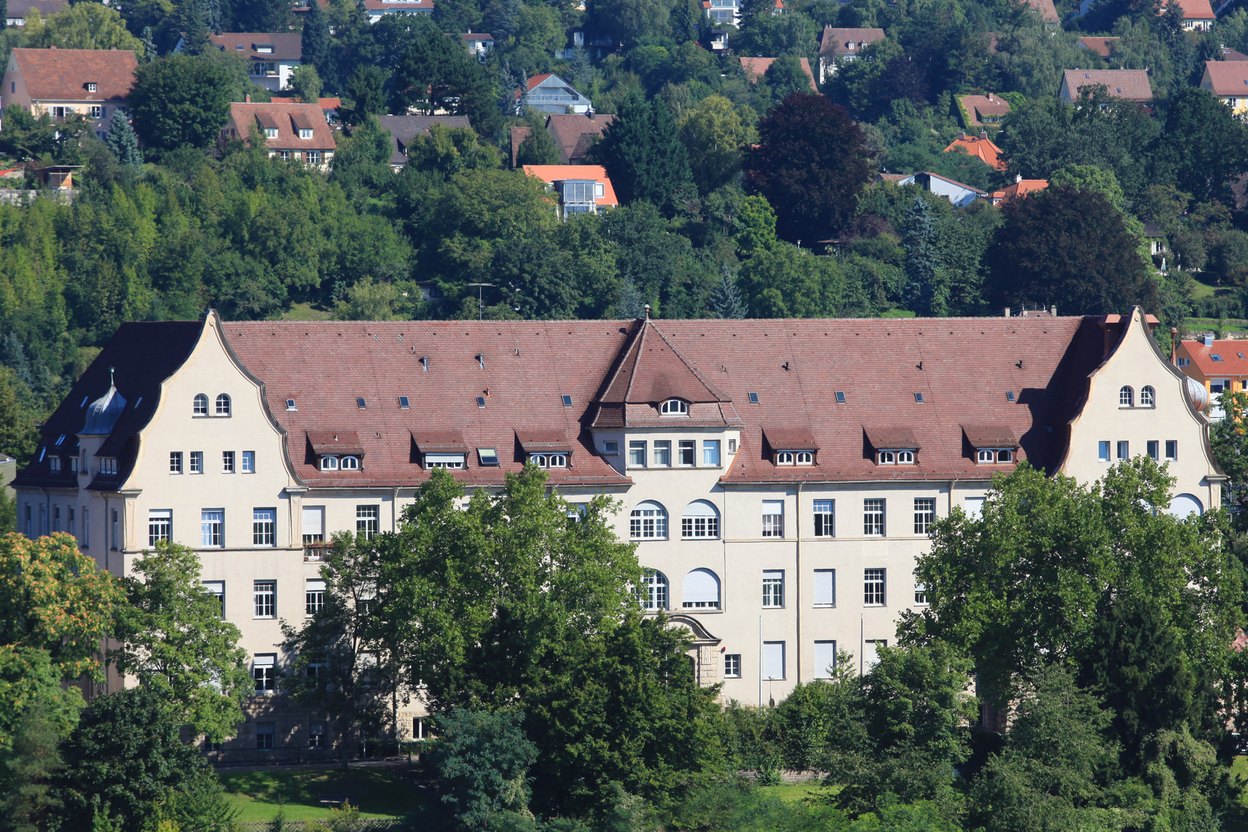
Tuebingen University Hospital (Universitätsklinikum Tübingen) is a major academic medical center in Germany that combines medical research at Eberhard Karls University with comprehensive clinical care. Situated in the historic university town of Tübingen, the medical center treats more than 420,000 outpatients and around 74,000 inpatients every year. With 1,650 hospital beds and modern diagnostic equipment, the facility offers specialized care for complex, rare, and multi-system medical conditions. While many hospitals in Germany provide high-quality medical services, university centers excel due to their close integration of scientific studies, clinical trials, and interdisciplinary patient management according to contemporary European standards.
History and Foundation
The history of the medical center dates back to 1805, when Johann Heinrich Ferdinand Autenrieth, a professor of anatomy, physiology, surgery, and obstetrics, opened a 15-bed hospital in the historic «Alte Burse» building. This step marked the formal separation of surgical discipline and obstetrics from general internal medicine in the region. In 1839, the municipal polyclinic became an independent department within the hospital structure, providing outpatient care for local residents. By 1846, internal medicine and surgery moved into a new university hospital facility on Silcherstraße. Over the following decades, specialized clinics for ophthalmology, dermatology, gynecology, and neurology were established to meet growing healthcare demands.
During the twentieth century, the rapid growth of clinical specialties required a significant expansion of modern medical facilities beyond the historic city center. Beginning in 1961, development started on the «Kliniken Berg» campus located on the Schnarrenberg hill northwest of the town center. Today, the medical complex is divided between two main areas: the classical «Kliniken Tal» site near the historic center and the modern high-rise medical complex on the hill. International patients seeking treatment at university medical centers appreciate this combination of long-standing academic tradition and advanced infrastructure equipped to handle complex surgical and medical cases.
Departments and Specialties
- Center for Personalized Medicine (Zentrum für Personalisierte Medizin)
- Center for Personalized Cancer Prevention (Zentrum für Personalisierte Krebsprävention)
- Department of Anesthesiology and Intensive Care (Abteilung für Anästhesie und Intensivmedizin)
- University Women’s Hospital (Universitäts-Frauenklinik)
- University Eye Hospital (Universitäts-Augenklinik)
- Department of Otorhinolaryngology (Universitätsklinik für Hals-, Nasen- und Ohrenheilkunde)
- Department of Dermatology (Universitäts-Hautklinik)
- Department of Pediatrics and Adolescent Medicine (Universitätsklinik für Kinder- und Jugendmedizin)
- Medical University Hospital for Internal Medicine (Medizinische Universitätsklinik)
- Department of Neurosurgery and Neurology (Universitätsklinik für Neurochirurgie und Neurologie)
The organizational structure of the hospital covers virtually every field of modern internal medicine and surgical care. The Center for Personalized Medicine and the Center for Personalized Cancer Prevention focus on molecular-genetic profiling of tumor tissue, which is crucial when patients undergo cancer treatment in Germany. The Department of Internal Medicine integrates cardiology, gastroenterology, endocrinology, and pulmonology. An intensive care and anesthesiology team supports complex surgical procedures for high-risk patients with severe comorbidities, ensuring continuous monitoring and safety during operative procedures.
Highly specialized departments, including gynecology, pediatrics, ophthalmology, and ENT medicine, deliver focused clinical care using verified clinical protocols. The pediatric hospital specializes in rare congenital anomalies, pediatric oncology, and pediatric surgery. In the neurosurgery and neurology departments, specialists perform delicate surgical interventions on the brain and spinal cord to treat tumors and vascular malformations. Undergoing comprehensive diagnostics in Germany allows doctors to establish an accurate diagnosis and tailor individual treatment plans. Interdisciplinary tumor boards and medical conferences review complex cases to determine optimal therapy strategies.
Key Specialists
The departments and specialized institutes of the hospital are headed by distinguished medical professors and experienced department heads. The intensive care and anesthesiology services are directed by Prof. Dr. med. Peter Rosenberger. Specialized clinical programs and surgical initiatives are supervised by Dr. med. Sandra Frantz and Prof. Dr. med. Silvio Nadalin. The university eye hospital and its affiliated scientific research projects are led by Prof. Dr. med. Karl Ulrich Bartz-Schmidt together with Prof. Dr. Marius Ueffing. Under their direction, medical teams carry out complex interventions, manage specialized outpatient clinics, and implement academic medical research directly into clinical practice.
Location and How to Arrive
The university hospital complex is located in Tübingen, a historic university city situated in the federal state of Baden-Württemberg. Known for its pleasant climate, clean environment, and peaceful atmosphere, the city offers ideal conditions for post-operative recovery and rehabilitation. The hospital facilities are distributed across two main areas: the historic «Kliniken Tal» campus situated near the town center and the modern «Kliniken Berg» campus on the Schnarrenberg hill. Regular public transport buses and specialized shuttle services connect the two hospital areas, enabling convenient movement between departments for patients, visitors, and medical staff.
For international patients travelling to Germany, the most convenient arrival point is Stuttgart International Airport, located approximately thirty kilometers from Tübingen. The drive by car or taxi takes around thirty minutes, and direct bus services also connect the airport with Tübingen central station. The exact street address and a detailed map of the relevant department building are sent to the patient together with the official hospital invitation. When arranging medical treatment in Germany through AlenMed, our team assists with route planning, airport transfers, and local transport arrangements, ensuring a seamless arrival without administrative stress.
Facilities and Accommodation
Inpatient care at the hospital adheres to strict German standards of medical hygiene, safety, and patient comfort. Patients receive balanced three-course meals tailored to their dietary needs, medical prescriptions, and personal preferences, with vegetarian options and fresh fruits daily. Across both hospital campuses, comfortable cafeterias and dining halls provide hot meals, snacks, and beverages for accompanying family members and visitors. In addition, landscaped green park grounds surrounding the clinical buildings create a soothing atmosphere where patients can stroll during recovery and spend quiet time outdoors.
Inpatient accommodation includes functional hospital beds, private sanitary units, and access to high-speed wireless internet (WLAN). Patients can opt for single or double occupancy rooms with upgraded amenities through elective medical services (Wahlleistungen). Flexible visiting hours allow family members to remain close to the patient during the day and offer personal support during the recovery process. Before planning a medical trip, patients can review the expected cost of treatment in Germany to better understand hospital charges, accommodation options, and administrative fees. The hospital provides transparent financial statements for all provided services.
Arranging Treatment
The process of receiving medical care in Germany begins with sending a medical inquiry and comprehensive diagnostic documentation. Patients are requested to provide recent clinical summaries, laboratory test results, and digital imaging files such as MRI or CT scans in DICOM format. Medical specialists at the department evaluate the medical history and outline a preliminary treatment concept. Following this review, the financial department issues an official cost estimate (Kostenvoranschlag), detailing planned diagnostic procedures, surgical interventions, and inpatient stays. The patient pays the deposit directly to the official hospital account without hidden agency surcharges.
Once the hospital receives the preliminary deposit, an official medical invitation is issued to facilitate visa processing. With this document, patients can apply for a medical visa for Germany through an expedited consulate procedure. The team at AlenMed takes care of administrative tasks, including official translations of medical records and organizing airport transfers. Throughout the hospital stay, a professional medical interpreter in Germany accompanies the patient to consultations, explaining medical details and assisting during discussions with attending physicians and nursing staff.
Submit Your Medical Documents
If you or your relative require specialized diagnostic evaluation or complex medical treatment in Germany, you can submit your medical records for a preliminary assessment. Fill out the request form on our inquiry page and attach your latest medical summaries, lab reports, and MRI or CT scans. Specialists at AlenMed will forward your documents to the relevant department at Tuebingen University Hospital for professional evaluation. We will assist you in receiving an official cost estimate, obtaining a medical visa invitation, and arranging every aspect of your travel, ensuring reliable medical, linguistic, and personal support throughout your stay.
The information on this page is for informational purposes only and does not constitute a public offer or direct medical advice. Final diagnostic, surgical, or therapeutic plans and total treatment costs are determined individually by the hospital after examining the patient’s complete medical documentation.