 EN
EN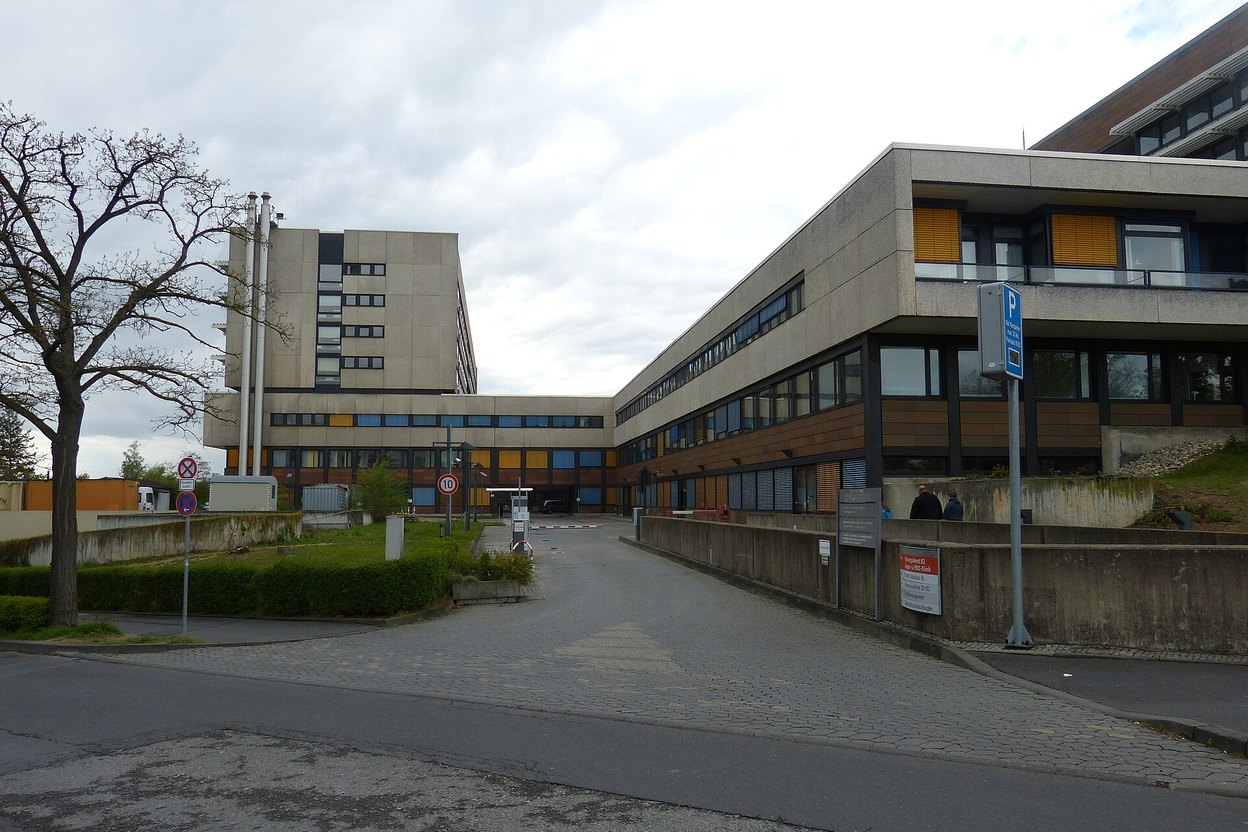
Wurzburg University Hospital (Universitätsklinikum Würzburg) is a major tertiary care medical centre operating under the Faculty of Medicine at the Julius Maximilians University of Würzburg in Bavaria. As a maximum care hospital, this academic institution integrates complex clinical diagnostics, inpatient medical treatment, advanced scientific research, and university-level medical education. International patients visit this comprehensive hospital for in-depth evaluations, including a full body examination in Germany, as well as for specialized surgical interventions and multi-disciplinary therapies. The hospital functions through a close network of clinical departments, theoretical institutes, and interdisciplinary specialized centres that collaborate on complex cases.
History and Academic Tradition
Würzburg is recognized as one of the oldest university cities in the German-speaking area, alongside historical academic centers like Prague, Heidelberg, Vienna, Cologne, and Leipzig. The tradition of university medicine in Würzburg spans over four centuries, originating in 1581 with the formal connection between the university medical faculty and the Juliusspital hospital. Academic medical instruction began systematically in 1583, coinciding with the establishment of a dedicated inpatient ward for psychiatric care within the hospital grounds. In 1816, physician Johann Heine established the first specialized orthopaedic institution in the German-speaking region inside the former St. Stephen’s Monastery, establishing Würzburg as an early center for modern musculoskeletal care.
The evolution of the medical faculty continued throughout the nineteenth century with several landmark developments in specialized medical care. In 1850, Professor Franz von Rinecker founded the world’s first university children’s hospital in Würzburg, developing a dedicated paediatric department that had started with just fifteen beds in 1840. Shortly before this, in 1845, Würzburg established the second chair of anatomical pathology in the German-speaking world, advancing scientific understanding of disease mechanisms. The original psychiatric department established in 1833 eventually developed into a modern center for mental health, receiving a modern facility in 1982. Today, Wurzburg University Hospital maintains these centuries-old traditions through continuous clinical research.
Specialised Centres and Medical Focuses
- Centre for Geriatric Medicine (Zentrum für Altersmedizin)
- Centre for Neuroendocrine Tumours (ENETS Centre)
- Centre for Rare Diseases Northern Bavaria (Zentrum für Seltene Erkrankungen)
- Centre for Achalasia and Oesophageal Motility Disorders
- Centre for Malignant Hyperthermia
- Centre for Primary Immunodeficiencies Northern Bavaria
- Centre for Personalised Medicine Würzburg
- Centre for Interdisciplinary Pain Medicine
- Centre for Infection Research
- Centre for Mental Health (Zentrum für Psychische Gesundheit)
The organizational structure of Wurzburg University Hospital relies heavily on specialized interdisciplinary centers that bring together experts from various medical fields. For patients requiring complex care and cancer treatment in Germany, the Centre for Neuroendocrine Tumours offers specialized diagnostic workups and individual treatment plans managed jointly by oncologists, endocrinologists, and surgeons. Patients presenting with rare, complex, or unexplained symptoms are evaluated at the Centre for Rare Diseases Northern Bavaria, where multi-specialist consultations help clarify difficult diagnoses. Furthermore, individuals suffering from swallowing difficulties and gastrointestinal transit problems receive dedicated functional diagnostics and targeted therapeutic interventions at the Centre for Achalasia and Oesophageal Motility Disorders.
Modern medical care at the hospital is further enhanced by targeted genetic and molecular diagnostic approaches coordinated by the Centre for Personalised Medicine. Patients suffering from severe chronic pain conditions benefit from comprehensive multi-modal therapy protocols developed at the Centre for Interdisciplinary Pain Medicine. The Centre for Primary Immunodeficiencies offers specialized diagnostic evaluations and long-term management strategies for children and adults affected by congenital immune system disorders. Safety during surgical procedures requiring general anaesthesia is prioritized by the dedicated Centre for Malignant Hyperthermia, while scientific advancements are actively driven forward by the Centre for Experimental Molecular Medicine and the Centre for Infection Research.
Location and Accessibility
Wurzburg University Hospital is situated in the city of Würzburg, located in the northwestern region of Bavaria along the scenic Main River. The region of Franconia is known for its temperate climate, historical architecture, and excellent transport infrastructure connecting it to major transit hubs across Germany. International patients traveling to Würzburg for diagnostic workups or inpatient treatment typically fly into either Frankfurt Airport or Nuremberg Airport. Direct high-speed trains (ICE) operate regularly between Frankfurt Airport and Würzburg Central Station, completing the journey in approximately one hour, while train travel from Nuremberg takes roughly forty minutes, providing comfortable travel options for patients.
From Würzburg Central Station, patients can easily access the hospital grounds using public trams, local buses, or local taxi services. Because the university medical center encompasses an extensive hospital campus with multiple specialized clinic buildings, patients receive detailed navigational instructions and the exact address of their specific department in their official clinic invitation letter. When necessary, dedicated patient transport services can be arranged to provide direct door-to-door transfers from the airport terminal to the hospital reception or local accommodations. The calm and historic environment of Würzburg creates a supportive atmosphere for patients undergoing medical treatments and recovery.
Accommodation, Meals and Patient Amenities
Inpatient accommodations and care standards at Wurzburg University Hospital conform to high medical and service standards established across German university hospitals. Patient rooms are equipped with electrically adjustable hospital beds, personal lighting consoles, nurse call systems, and wireless internet access (WLAN) to ensure comfort during admission. Depending on individual accommodation choices and insurance coverage, patients can stay in single or double rooms designed to provide a quiet environment for rest. Daily meal services feature a choice of fresh menu options, including vegetarian selections, while specialized dietary plans are prepared by clinical dietitians whenever medically indicated.
The expansive hospital campus features landscaped green spaces and park areas with walking paths and outdoor seating, allowing recovering patients to spend time outdoors when health permits. Main hospital buildings house modern cafeterias and kiosks where patients and visiting family members can purchase beverages, snacks, and daily newspapers. Flexible visiting hours allow family members to accompany patients during their stay, offering essential emotional support throughout the diagnostic and therapeutic process. Hospital staff members aim to maintain a calm, structured, and welcoming clinical setting that helps minimize stress for international patients and their accompanying relatives.
How to Organise Treatment at Würzburg
Initiating medical care or diagnostic consultations at Wurzburg University Hospital begins with a thorough evaluation of the patient’s existing medical records. Prospective patients submit medical summaries, official laboratory findings, and relevant diagnostic imaging scans, such as MRI or CT scans in digital format. The medical coordinators at AlenMed review these documents, translate them into German, and forward the complete file to the appropriate medical department at the university clinic. Following clinical review, the attending physicians determine whether admission or outpatient consultation is appropriate and formulate an initial treatment strategy. The hospital’s financial department then issues an official cost estimate (Kostenvoranschlag).
All payments for medical services are made directly by the patient to the official bank account of Wurzburg University Hospital without intermediary surcharges or hidden fees. Once financial formalities are settled, the clinic provides an official medical invitation required to obtain a visa for medical treatment in Germany. The arranging medical treatment in Germany service provided by AlenMed assists with travel logistics, hotel bookings for accompanying family members, and airport transfers. Throughout the medical stay, a qualified medical interpreter in Germany accompanies the patient to consultations, diagnostic procedures, and physician rounds to ensure accurate communication.
Free Medical Document Review and Application
If you or a family member require complex diagnostic evaluation or specialized medical treatment at a German university medical center, you can submit your medical documents for an initial review. Our medical team will help organize your records, contact the relevant department at Wurzburg University Hospital, and obtain an official medical response along with a cost estimate. To begin the application process, please fill out the form on our request treatment page and attach your recent medical reports and imaging studies. Our medical consultants will review your case and contact you promptly to discuss the next steps.
This information about Wurzburg University Hospital is provided for informational purposes only. AlenMed is an independent medical service organizer and is not an official branch of Universitätsklinikum Würzburg. Final treatment plans and cost calculations are established exclusively by the hospital through an official cost estimate (Kostenvoranschlag) after reviewing medical records.