 EN

Hospitals in Germany accept patients from abroad: a department reviews the records and scans, the hospital sends a cost estimate and sets a date, and the choice of hospital follows the diagnosis. Hospitals in Germany are not one list of “the best” but several types: university centres, general hospitals, single-specialty centres and rehabilitation clinics. So nobody should be sent “to Germany” in general: what matters is not how loud the name is but who treats this particular problem regularly.
This directory covers 86 partner hospitals in 38 cities — Munich, where the company has its office, Berlin, Hamburg, Stuttgart, Frankfurt, Heidelberg and others. It does not list all German hospitals, of which there are about 1,800, but each partner hospital has its own card here with a short description of its profile and city.
How hospitals in Germany are organised
Hospitals in Germany are graded by level of care, from basic care (Grundversorgung) up to maximum care (Maximalversorgung), where the university hospitals sit. A basic-care hospital covers internal medicine and general surgery for its area, the next levels add departments such as gynaecology and obstetrics or urology, and a maximum-care hospital takes on almost everything, including the rarest and most complex cases. Some large municipal hospitals such as Klinikum Stuttgart also provide maximum care. The University Medical Center Hamburg-Eppendorf (UKE) shows the scale: more than 80 clinics, outpatient clinics and institutes in 13 centres, and around 98,000 inpatients and 497,000 outpatients a year. For a rare or complex disease, this means specialists, laboratories and experience gathered in one place.
Four names come up most often: Krankenhaus means hospital, Klinikum a large hospital with many departments, Universitätsklinikum a university hospital and Fachklinik a single-specialty hospital. Klinikum does not mean a private clinic: Klinikum rechts der Isar is the university hospital of the Technical University of Munich, with a history going back to 1834, and Klinikum Stuttgart is owned by the city. A German hospital here means one located in Germany. Hospitals abroad whose branding includes the word German or American exist, for example in Dubai and Cairo, but they belong neither to the German health system nor to this directory, which covers German hospitals in Germany only.
Public, church-run and private hospitals differ in who owns them, not in the standard of medicine. Public hospitals belong to the federal states, cities and districts, non-profit ones mostly to churches, religious orders and foundations, private ones to companies; private hospitals are the most numerous but smaller on average, and public hospitals hold almost half of all beds. Whoever owns a German hospital, the same medical quality rules apply, and every hospital approved for statutory health insurance publishes a quality report each year. Departments are also certified by medical societies: cancer centres through the certification system of the German Cancer Society, joint replacement centres through EndoCert, stroke units through the German Stroke Society. A certified cancer centre has to pass an audit every year, so its certificate says more than the sign over the door.
List of hospitals in Germany by section
The list of hospitals in Germany below has ten sections, the two largest being university hospitals and general hospitals. University hospitals in Germany account for 19 partners, all of them maximum-care hospitals where rare and complex diseases are treated and research groups work next to the wards. The 27 general hospitals are municipal, church-run and private hospitals with a complete set of core departments, the right place for conditions that do not need a university centre, such as a planned gallbladder or hernia operation.
The other sections are focused centres for one organ or one group of diseases: 6 heart centres, 3 cancer centres, 8 orthopaedic and trauma clinics, 4 eye hospitals, 3 children’s hospitals, 8 neurology and rehabilitation clinics and 3 specialist clinics for urology, fertility treatment and plastic surgery. The German Heart Center at Charité (DHZC), for example, has 470 beds on three campuses and treats only the heart and circulation. Tumours are also treated in the oncology departments of university and general hospitals, as the page Cancer hospitals in Germany explains.
The 5 hospital groups work differently: one management, dozens of hospitals, several cities. A group can make it easier to find a suitable department elsewhere, but treatment still happens in one specific hospital with its own doctors, so it is chosen like any other: by the department and its experience with your diagnosis.
What hospital rankings in Germany really measure
Rankings measure reputation and hospital-wide statistics, while the right hospital for you is the one where your diagnosis is treated often and routinely. Asking which hospital is best is fair, but a hospital that excels at liver transplants and one that excels at spinal surgery are very likely two different places. Ask what is the most popular hospital in Germany, and the first name you will hear is the Charité in Berlin: a matter of reputation, not an answer to where your own diagnosis should be treated.
Hospital rankings in Germany are compiled in different ways from similar building blocks: recommendations from doctors, case numbers and complication rates from quality reports, equipment, certificates and sometimes nursing and hygiene indicators. They are a reasonable starting point but do not show what matters to a patient from abroad: the wait for a date, the language the staff will speak with you, how quickly the hospital prepares an estimate. And a hospital’s overall place is built from many departments, while you will be treated in one.
Three things tell you more. The first is a specialist centre certificate, for a cancer centre, a stroke unit or a joint replacement centre. The second is the number of procedures a year for your diagnosis: for some complex planned operations Germany sets minimum volumes (Mindestmengen), and a hospital may perform pancreatic or oesophageal surgery, liver, kidney and heart transplants, breast and lung cancer operations or total knee replacement only if it reaches the set minimum each year. The third is the quality report (Qualitätsbericht) published every year by each hospital working under statutory health insurance: it shows how many patients with which diagnoses a department treated and which operations it performed, and how often.
The honest conclusion is to compare a hospital with your case, not hospitals with each other: a good department treats your diagnosis regularly, is open about its numbers and sends a plan and an estimate before you travel. A good hospital is always good for a particular disease. Lists and year-by-year rankings are reviewed on the page about published hospital rankings.
What German hospital names mean
German hospital names describe size and role, not quality. Krankenhaus is the everyday word for hospital, so “Krankenhaus hospital Germany” says the same thing twice, and a modern German hospital with thousands of staff may still call itself a Krankenhaus. Anyone puzzled by “Klinikum hospital Germany” should know that Klinikum is the German word for a large hospital with many departments. A Klinik may be a small private hospital or one department of a large one, and a Zentrum, or centre, groups several departments around one organ or disease.
Department names tell you where to write. Klinik für Kardiologie is the department of cardiology, Klinik und Poliklinik für Urologie a urology department with wards and an outpatient clinic, and the head of a department is the Chefarzt. To find the right one, start from your diagnosis, not from the hospital’s front page: check which department lists your condition, who heads it, whether it holds a relevant certificate and whether it has a contact for patients from abroad.
A German medical centre with almost the same name can exist in two cities. The German Heart Centre in Munich, now part of TUM Klinikum, and the German Heart Center at Charité in Berlin are two different hospitals, and in Munich itself Klinikum rechts der Isar and the private ISAR Klinikum are unrelated. Before sending records to a medical center in Germany, check the city, full name, postal address and web address, and make sure the department you write to belongs to that hospital.
How to match a hospital to your diagnosis
Start from the diagnosis and the records, not from the city: discharge summaries, test results, specialist reports, the actual CT or MRI images on a disc and, for a tumour, the histology report, the examination of a tissue sample. A request from abroad is reviewed by a doctor in the department it is sent to, so complete records mean a more precise answer. The department’s profile matters more than the city, and a strong department for your condition may be far from where friends live.
Before you travel, ask the department a few direct questions. How many patients with this diagnosis does it treat each year? Who will operate or lead the treatment? Is the case discussed at a tumour board, where surgeons, oncologists, radiologists and pathologists decide together? How long is the stay, and what follows discharge: check-ups, rehabilitation, contact with your doctor at home? Medical clinics in Germany are used to such questions, and how a department answers tells you more than any brochure.
Sometimes a second opinion comes before the search for a hospital: when the diagnosis is not final, when a major operation that cannot be undone is proposed, or when several treatment options are equally reasonable, as can happen with prostate cancer. A German specialist can give a second opinion remotely, on the records; only then do you decide which hospital fits, and sometimes the trip turns out to be unnecessary.
How contacting a hospital works: request, estimate, travel
A hospital in Germany can be contacted directly, through its international office, or through an organiser, and either way there are three steps: the request with records, the estimate with prepayment, and the travel. Going direct, you write in German or English, send the records and handle the correspondence yourself; an organiser takes over translation, the search for a department and contact with the hospital. What the difference means in practice is covered on the Treatment in Germany page.
A foreign patient is usually billed as a private payer: after the department’s medical review, the hospital prepares a cost estimate (Kostenvoranschlag) in the patient’s name. Many hospitals require prepayment of the estimated amount, and the final invoice covers the care actually given: overpayments are refunded, shortfalls paid. If the plan changes, for example when another operation or examination is needed, the new items are agreed separately. Guide figures are on the Treatment prices in Germany page.
The trip is prepared once the estimate is agreed: after prepayment the hospital confirms the appointment for the visa, and you will need an interpreter at appointments, accommodation near the hospital for you and a companion, and someone to meet you at the airport. When the appointment can happen depends on the department and on how complete the records are; the hospital names the date. The general order of steps is on the page How to get treatment in Germany.
Frequently asked questions
Are hospitals in Germany good?
On the whole, yes: German hospitals work under binding national quality rules, minimum volumes apply to a number of complex operations, and hospitals treating patients under statutory insurance publish a yearly quality report with case numbers and results. Standards still vary between departments, so judge the department rather than the country. As a foreign patient, expect a cost estimate and prepayment, an interpreter at appointments and a date set by the hospital.
What is a hospital called in Germany?
The everyday word is Krankenhaus, literally a “house for the sick”. Klinikum usually means a large hospital with many departments, Universitätsklinikum or simply Uniklinik a university hospital, and Fachklinik a single-specialty hospital. Klinik can be a separate, often small private hospital or a department inside a large one: Klinik für Kardiologie is the cardiology department. That is why letters should carry the full name of both the hospital and the department.
Which city in Germany is best for medical treatment?
No single city wins: large medical centres exist in Berlin (Charité), Munich (LMU Klinikum and Klinikum rechts der Isar), Hamburg (UKE), Heidelberg and many other cities. Choose the city by the profile of your disease, not by fame: what counts is where your diagnosis is treated often and where the department holds a certificate from the relevant medical society. Distances in Germany are short, so travelling to another city for the right department is reasonable.
How AlenMed matches the hospital
AlenMed matches the hospital to the diagnosis, not to a ranking. The company works with 86 partner hospitals in 38 cities and 345 doctors, and its office is in Munich. First comes the disease and the treatment under discussion, then the departments that deal with it regularly, and only then a comparison of cities, dates and estimates.
The company arranges a remote opinion from a German doctor on the records, sends the request to a suitable department, obtains the hospital’s own cost estimate, helps with the visa invitation, provides an interpreter at appointments, meets you on arrival and finds accommodation near the hospital for you and a companion. Treatment decisions are made by the hospital’s doctors, and you see the estimate before you pay.
This page is for information only and is not an offer. Treatment is decided by a doctor at an in-person consultation.
Find a hospital
Choose a group or search by name, city or field. All hospitals are listed by group below.
No such hospital in the list. Write to us and we will pick one for your diagnosis.
Hospital groups

University hospitals
24 hospitals · Maximum care: every specialty, rare diseases, research next to the ward.


Heart centres
6 hospitals · Heart and vessels: cardiac surgery, arrhythmias, valves, transplantation.


Specialist clinics
4 hospitals · One field at the highest level: urology, fertility, plastic surgery.

University hospitals
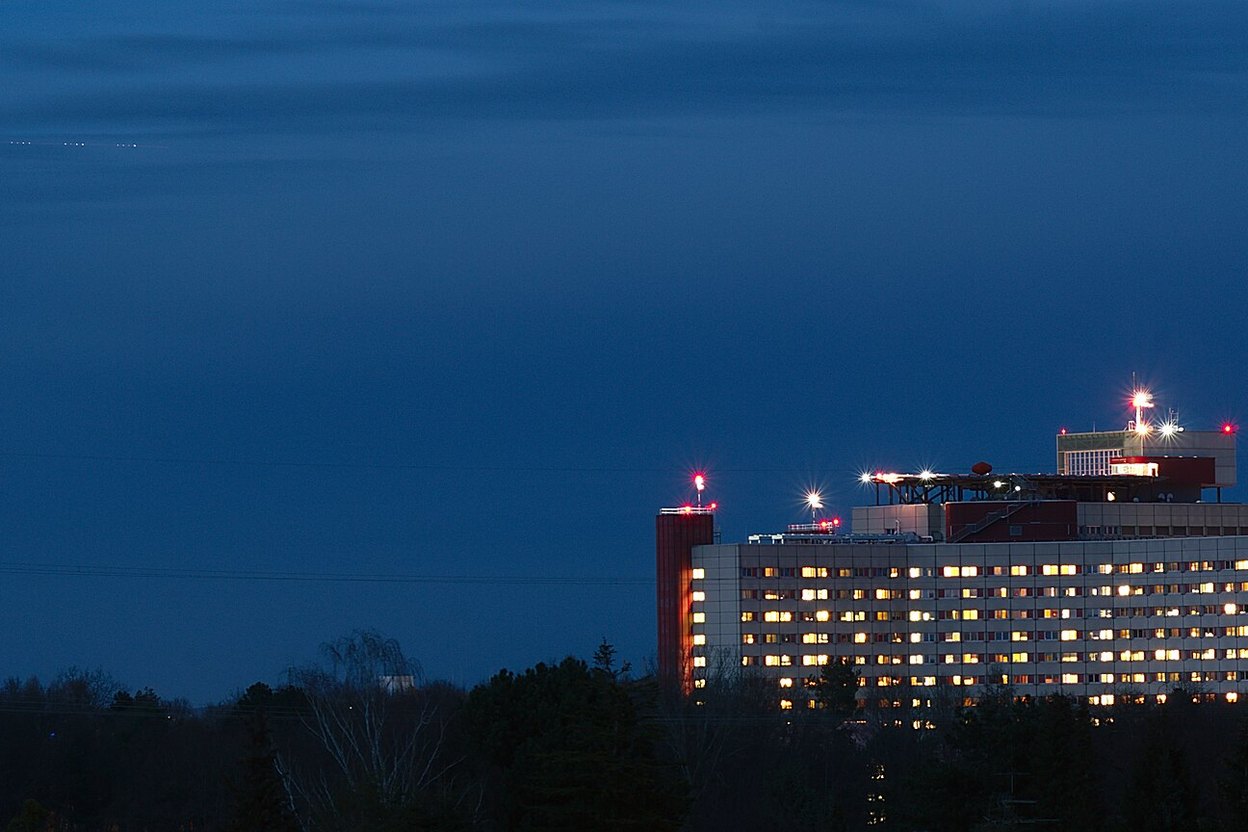
Augsburg University Hospital
The only maximum-care hospital in Bavarian Swabia and one of the largest in Germany, with about 1,750 beds. University status ties research and teaching to the care of complex cases, which are worked through by interdisciplinary teams.
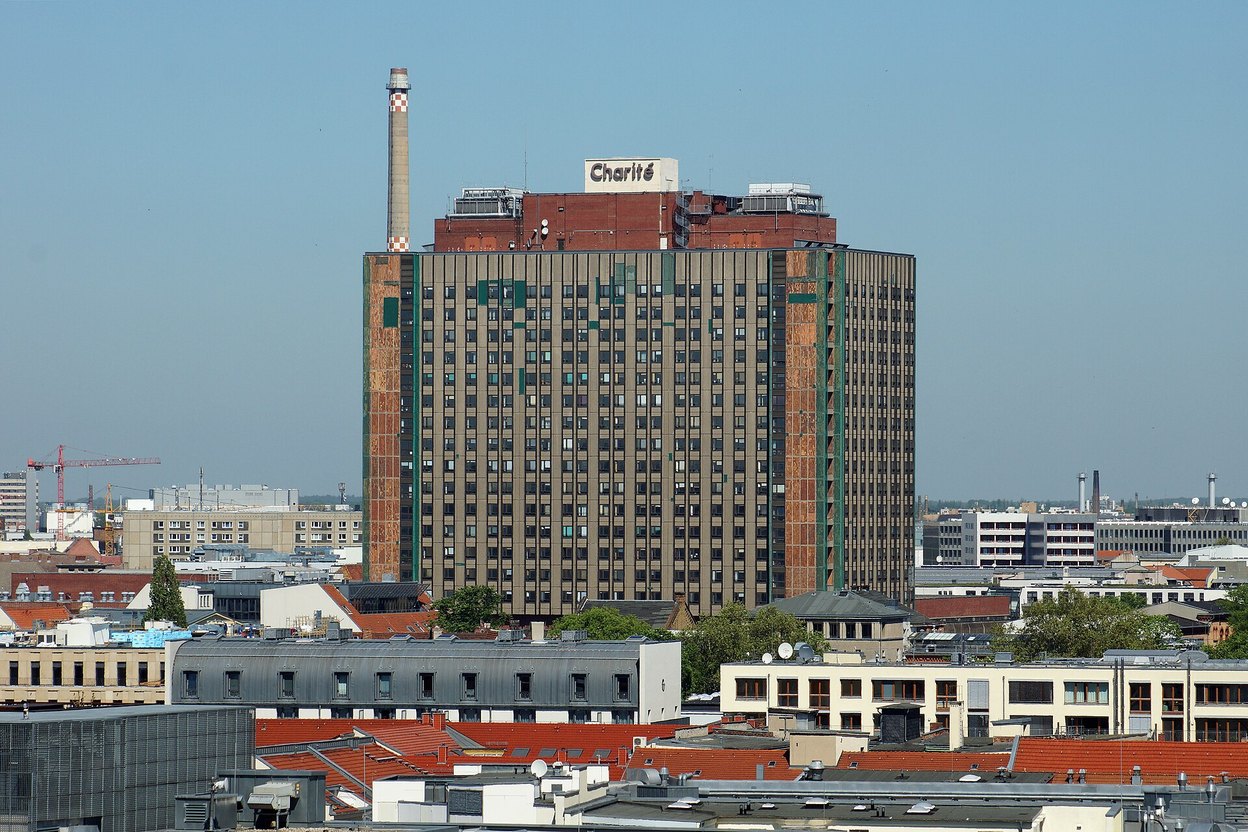
Charité Hospital Berlin
One of the largest university medical complexes in Europe, with clinics and institutes covering all the main fields for adults and children. It includes the German Heart Centre (DHZC), with nearly 500 beds and its heart transplant programme.

Cologne University Hospital
A tertiary-care university hospital in the Lindenthal district of Cologne, where clinical work runs alongside its own research institutes. Its centres cover neurosurgery, paediatric surgery, molecular medicine and palliative care.
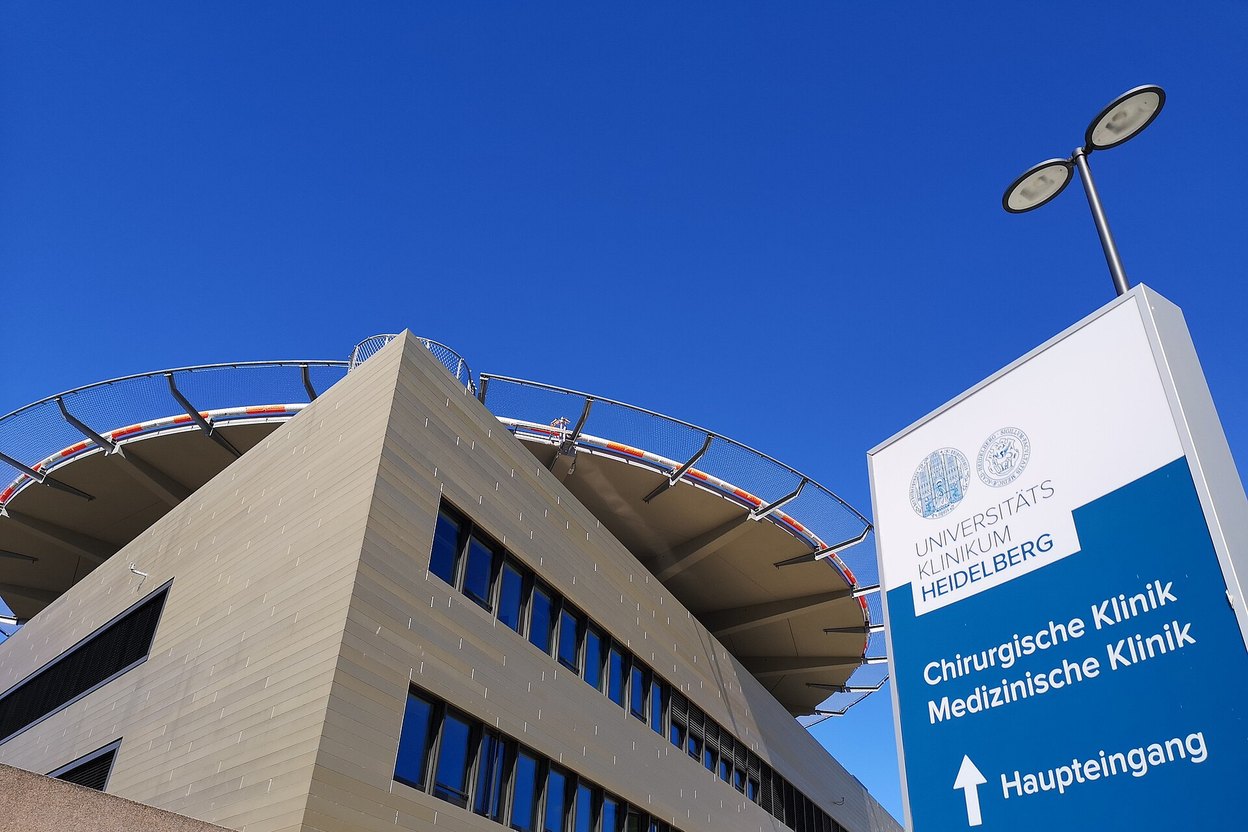
Heidelberg University Hospital
One of the largest academic medical complexes in south-west Germany, with 50 specialist departments, 11 theoretical institutes and 2,599 beds. Its medical faculty dates back to 1388 and is the oldest in the country.
General hospitals
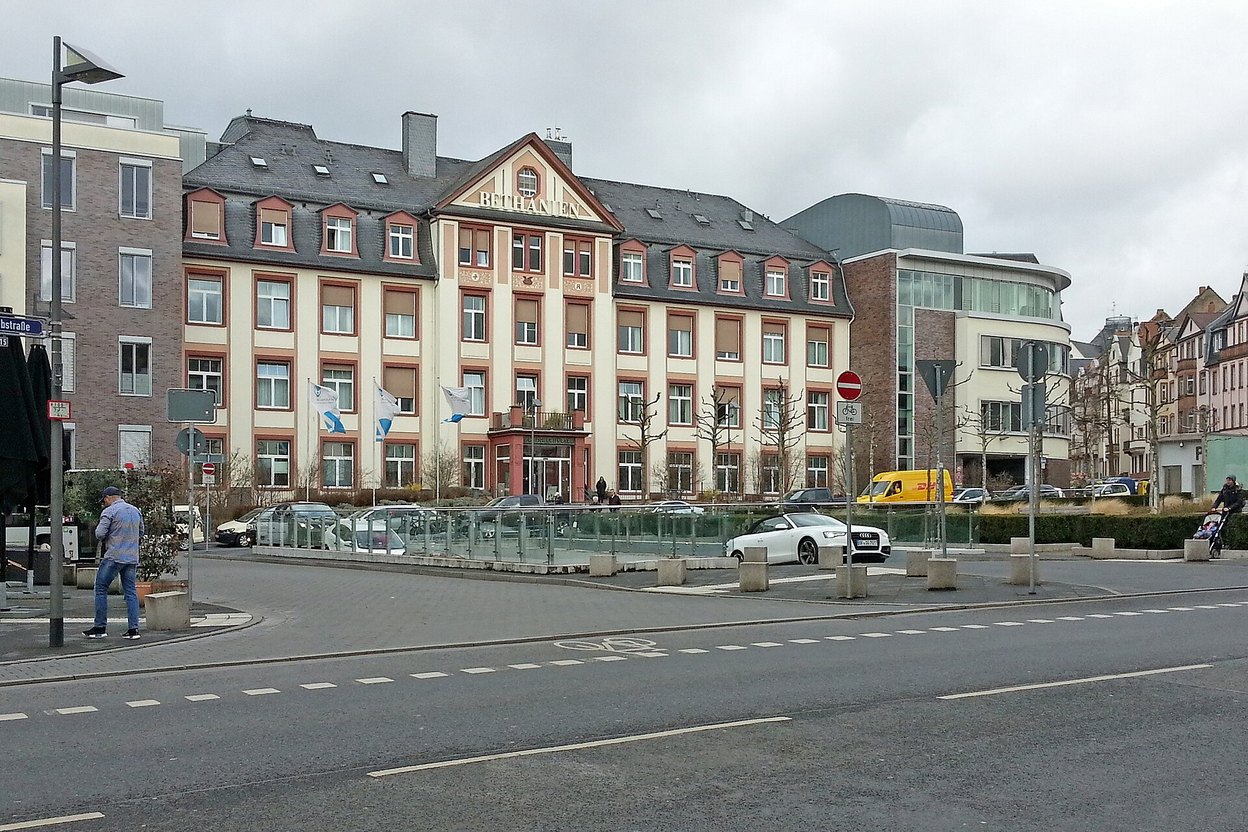
Agaplesion Frankfurt Diakonie Hospital
A diaconal hospital in Frankfurt am Main belonging to the Agaplesion group, with roots going back to 1874 and the opening of the Bethanien hospital in 1908. Its main fields are cardiology, oncology, geriatrics, orthopaedics and trauma surgery.
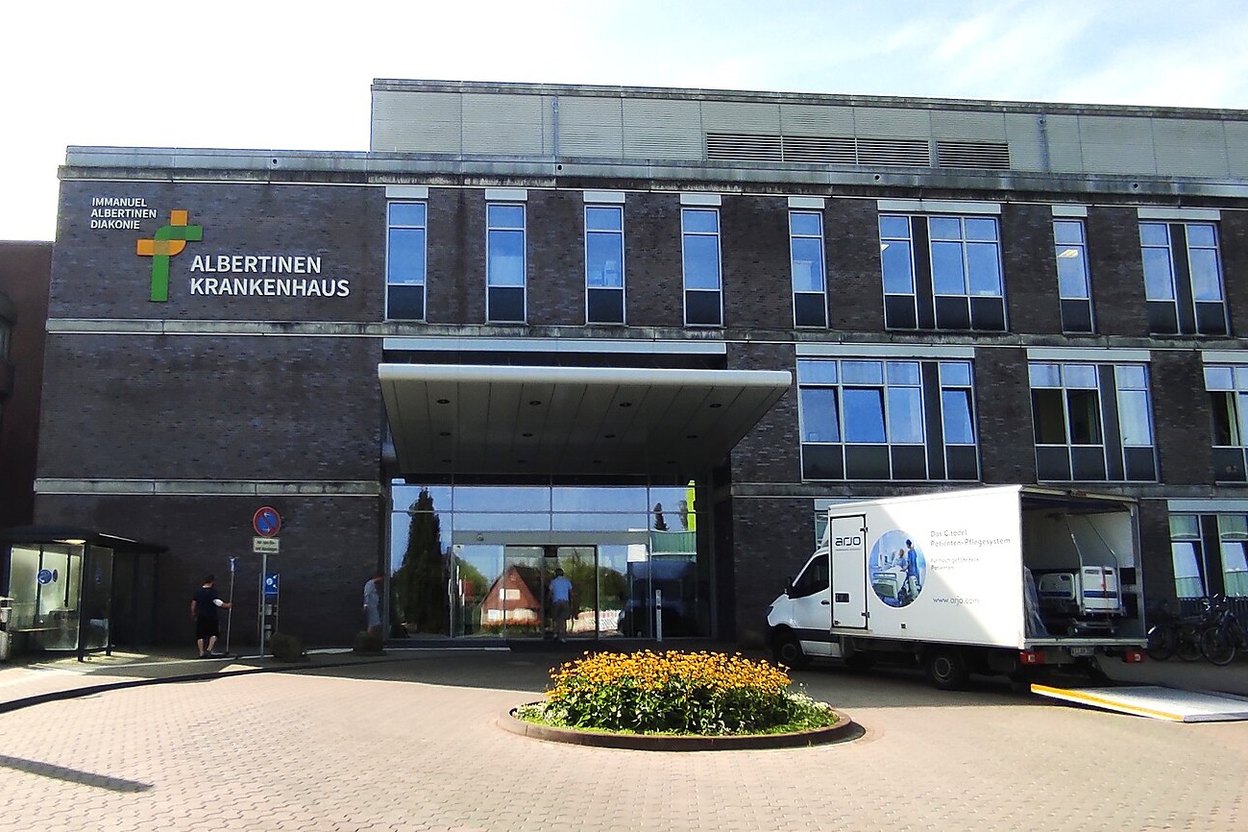
Albertinen Hospital
One of Hamburg's largest non-profit hospitals and a teaching hospital of the University Medical Center Hamburg-Eppendorf, with about 68,000 patients a year. Its main fields are cardiac surgery, oncology, endocrine surgery and obstetrics.
Bad Cannstatt Hospital in Stuttgart, Germany: A Site of Klinikum Stuttgart
Krankenhaus Bad Cannstatt is a site of the municipal Klinikum Stuttgart: its history, departments, the former Red Cross hospital and admission.

Barmherzige Brüder Hospital Munich
Founded by the Brothers Hospitallers in 1916 in Munich's Nymphenburg district and today an academic teaching hospital of the Technical University of Munich. Its main fields are general and visceral surgery, orthopaedics and trauma, cardiology and geriatrics.
Heart centres

Dresden Heart Center
A specialised cardiac hospital in Saxony with 190 beds, combining cardiac surgery with interventional cardiology. The first heart transplant here was performed in 1995, and since 2002 the centre has belonged to the Sana Kliniken group.
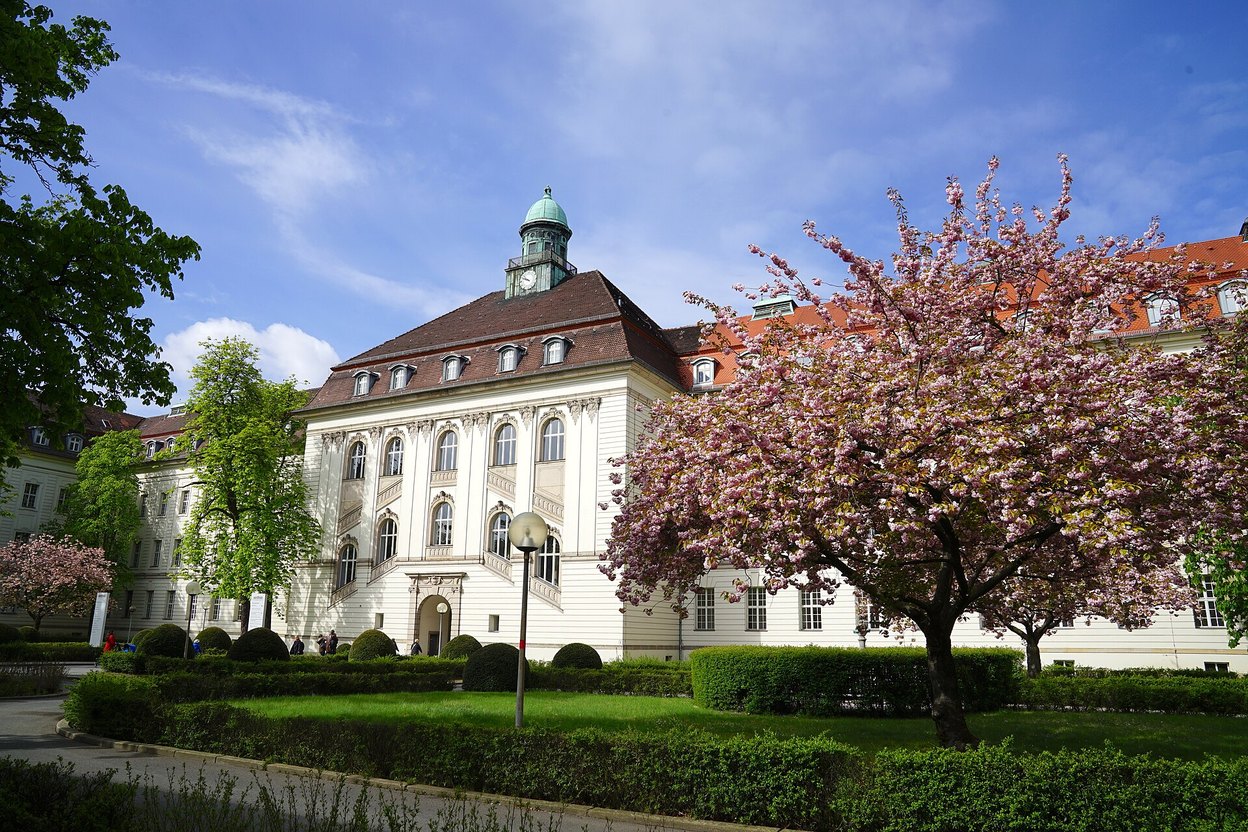
German Heart Center at Charité
A specialised cardiac centre in Berlin, formed in 2023 from the heart departments of the Charité and the former German Heart Centre Berlin. It has 490 beds on three campuses and treats newborns with congenital defects as well as adults with complex disease.

German Heart Centre Munich: Departments, Doctors and Treatment
A heart-only centre in Munich that since 1972 has brought cardiology, cardiac surgery and paediatric cardiology together under one roof. Its work covers valve operations including catheter repair, congenital defects and heart transplantation.
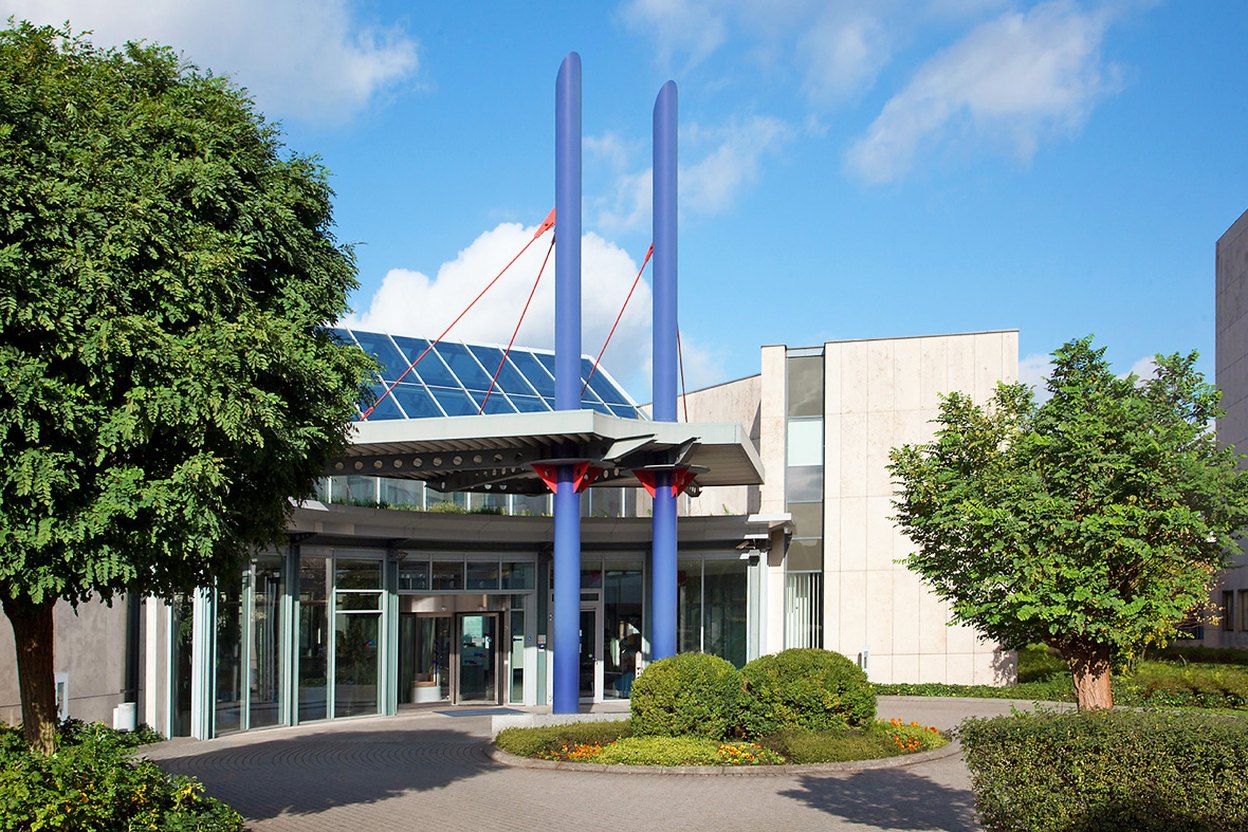
Heart and Diabetes Center NRW
A specialised 500-bed centre in Bad Oeynhausen, part of the University Hospital of Ruhr University Bochum since 1989. It treats cardiovascular disease and metabolic disorders, and has performed over 2,700 heart transplants since the programme began.
Cancer centres
Comprehensive Cancer Center Munich LMU
A cancer centre within the LMU University Hospital in Munich, where every case is reviewed by an interdisciplinary tumour board. Molecular tumour analysis, surgery, drug therapy and radiotherapy are planned together in one academic structure.

Münchner Onkologie — oncology practice
Not a hospital but a specialist oncology practice with a day unit in central Munich, where chemotherapy, antibody and targeted therapy are given as outpatient care. It is led by an ESMO-certified oncologist who follows the patient throughout.

Radiotherapy Centre, Munich-Pasing
An outpatient radiotherapy practice in Munich-Pasing, where patients arrive with a diagnosis and a plan already made to receive the radiation part of their treatment. It works with IMRT, image-guided and stereotactic techniques on Varian accelerators.
Orthopaedics and trauma
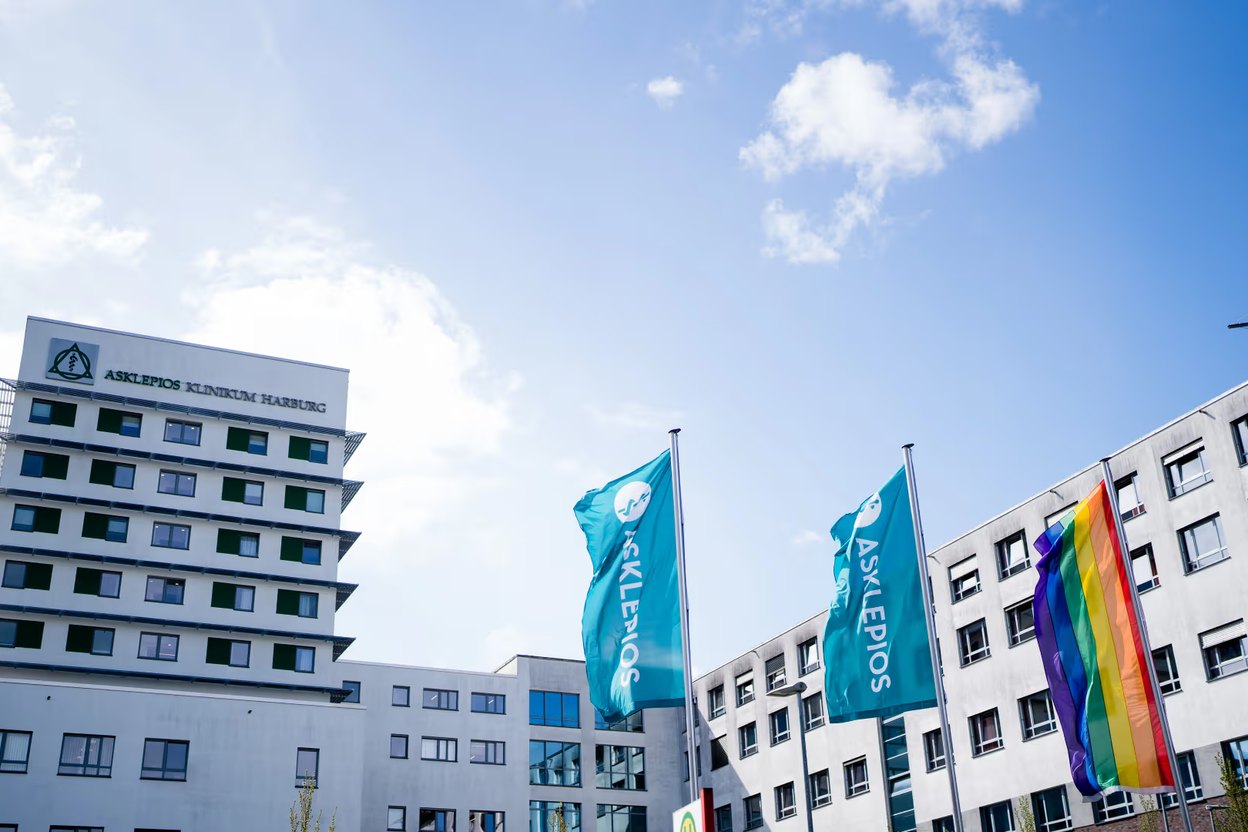
Asklepios Orthopedic Hospital Bad Abbach
A specialised orthopaedic hospital in the spa town of Bad Abbach near Regensburg, part of the Asklepios group. Joint replacement, spinal reconstruction and rheumatology are its main fields, and rehabilitation continues in the same complex.
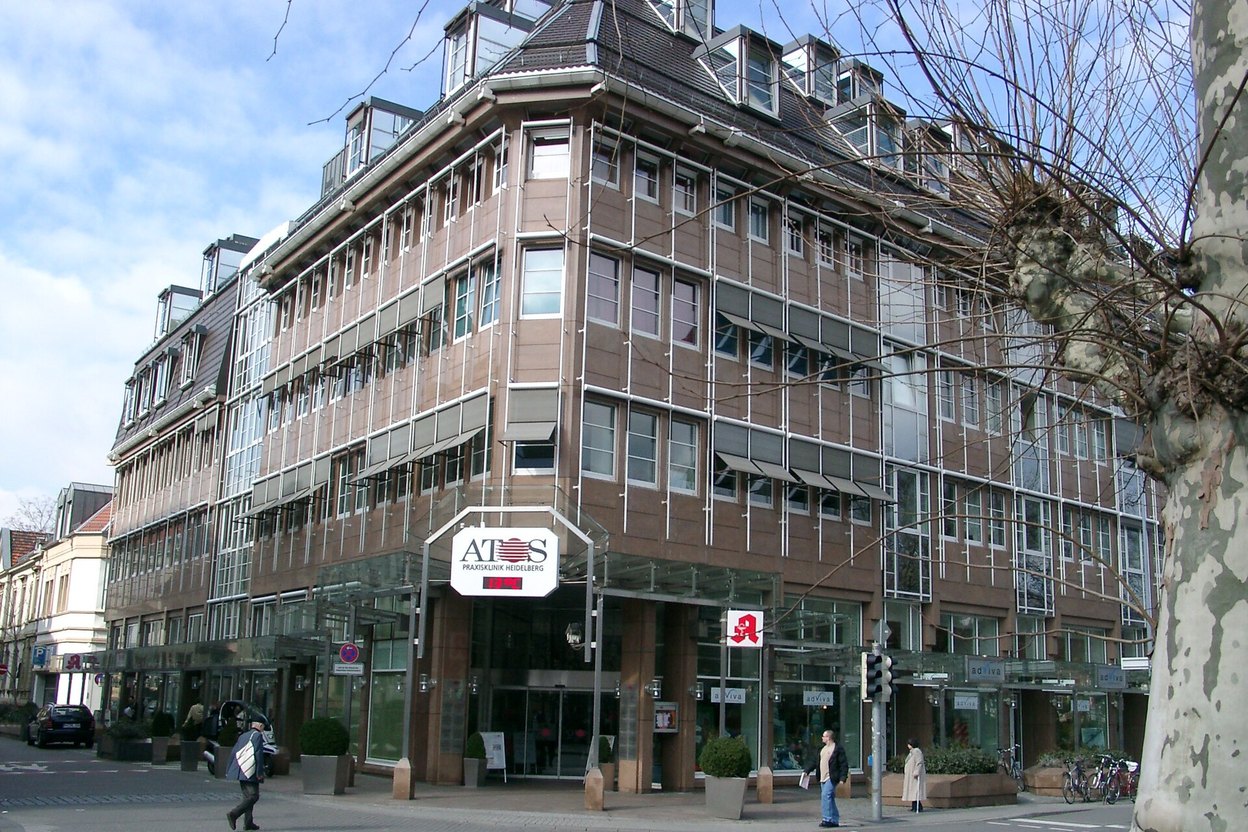
ATOS Clinic Heidelberg
A specialised centre in Heidelberg for joint surgery, spinal conditions, joint replacement and sports medicine. Around that orthopaedic core the house has added dermatology, rheumatology, vascular medicine and paediatric neurology.

BG Hospital Unfallkrankenhaus Berlin
A trauma hospital in the Biesdorf district of Berlin, opened in 1997 and part of the statutory accident insurance network. It treats severe and multiple injuries and burns, and runs neurosurgery and spinal rehabilitation.
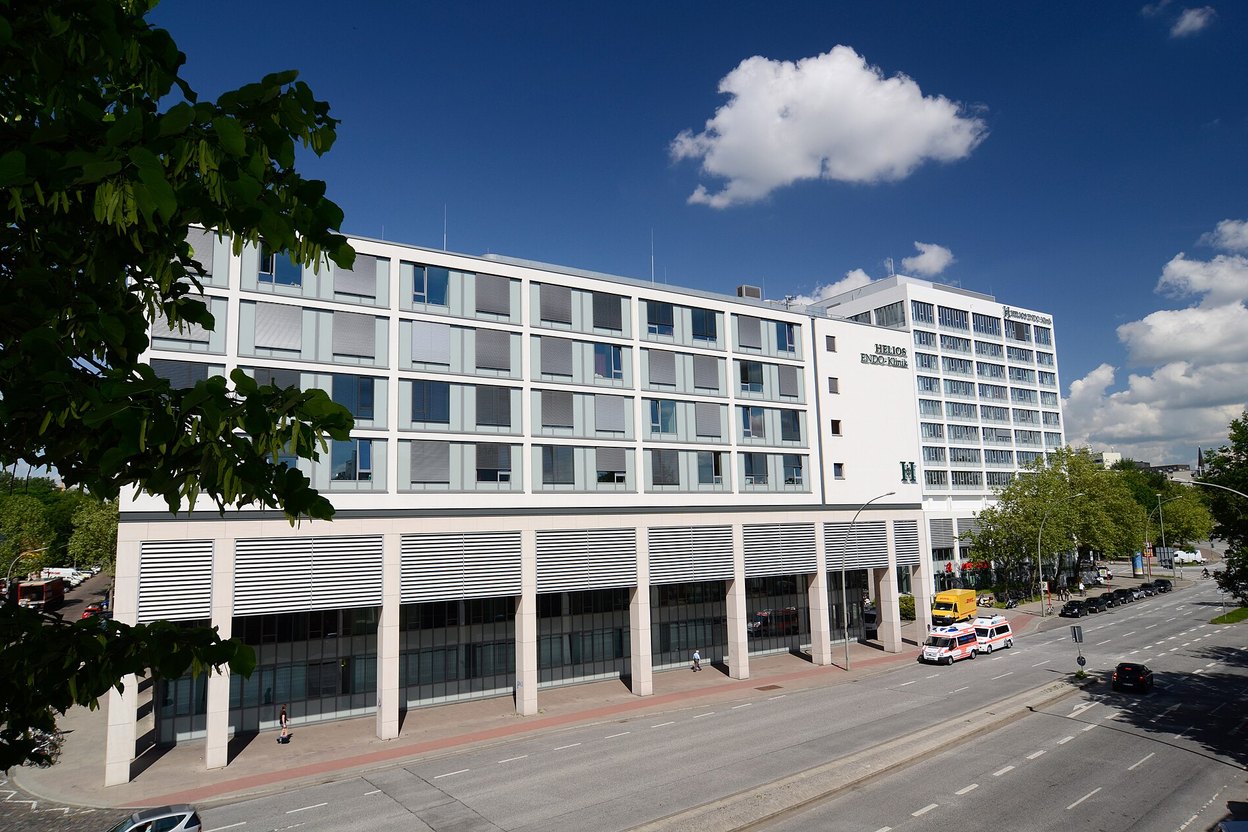
Helios ENDO-Clinic Hamburg
A narrowly specialised orthopaedic hospital in the Altona district of Hamburg, part of the Helios group. It performs primary and revision hip and knee replacement and treats periprosthetic joint infection.
Neurology and rehabilitation
Asklepios Neurological Clinic Falkenstein
A specialised neurological hospital in Königstein im Taunus near Frankfurt, part of the Asklepios group. Its work is early rehabilitation in phases B and C after stroke, severe head injury and brain or spinal surgery.

Godeshöhe Neurological Rehabilitation Center
A neurological rehabilitation centre in the Bad Godesberg district of Bonn, run under the Johanniter organisation. It covers recovery after stroke, brain injury and neurosurgery, with a spinal cord injury unit and a ward for weaning off ventilation.
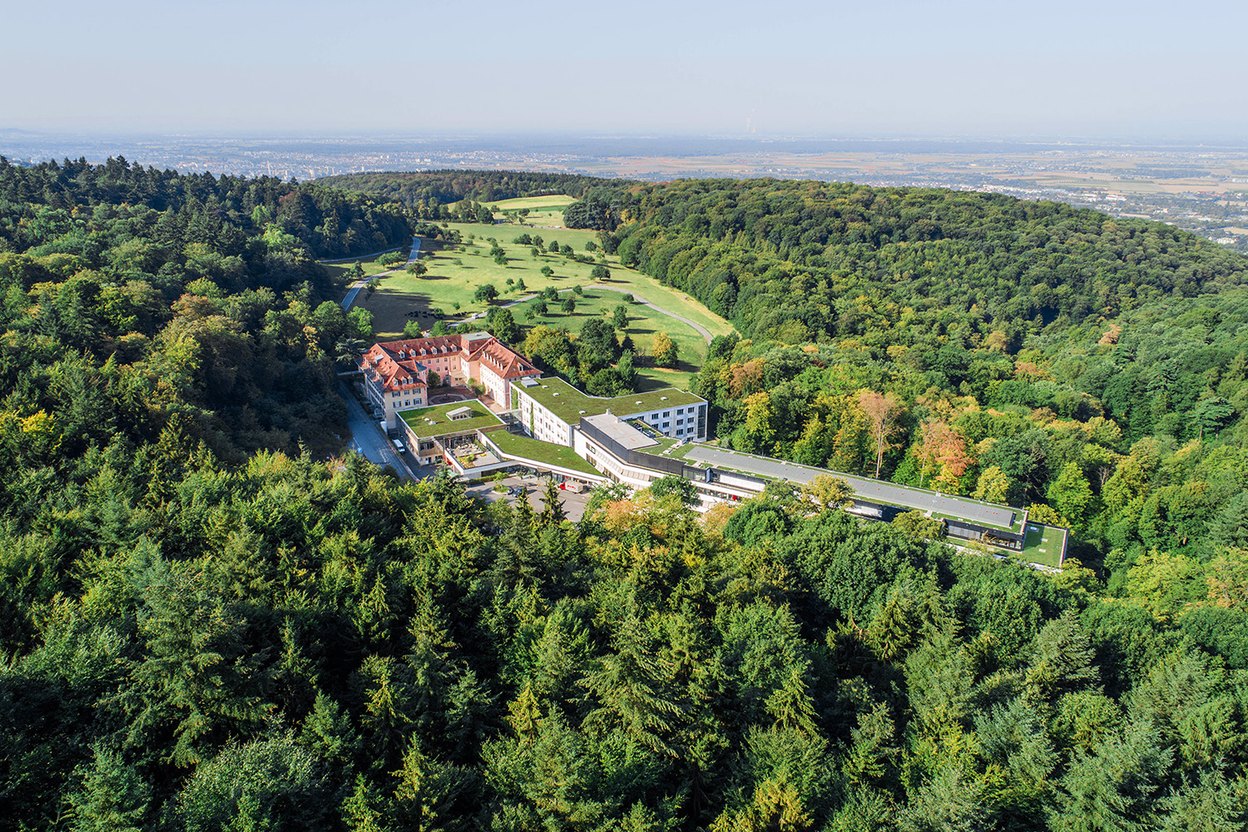
Kliniken Schmieder
A network of neurological rehabilitation clinics headquartered in Allensbach on Lake Constance, founded in 1950 by Dr Friedrich Schmieder. Recovery after stroke, brain and spinal injury and neurosurgery, and care in multiple sclerosis and Parkinson's disease.

m&i Specialty Clinic Bad Heilbrunn
A combined acute hospital and rehabilitation clinic in the spa town of Bad Heilbrunn in Upper Bavaria. Its fields are orthopaedics, neurology and oncology, with centres for chronic pain, diabetes and swallowing disorders.
Children's hospitals
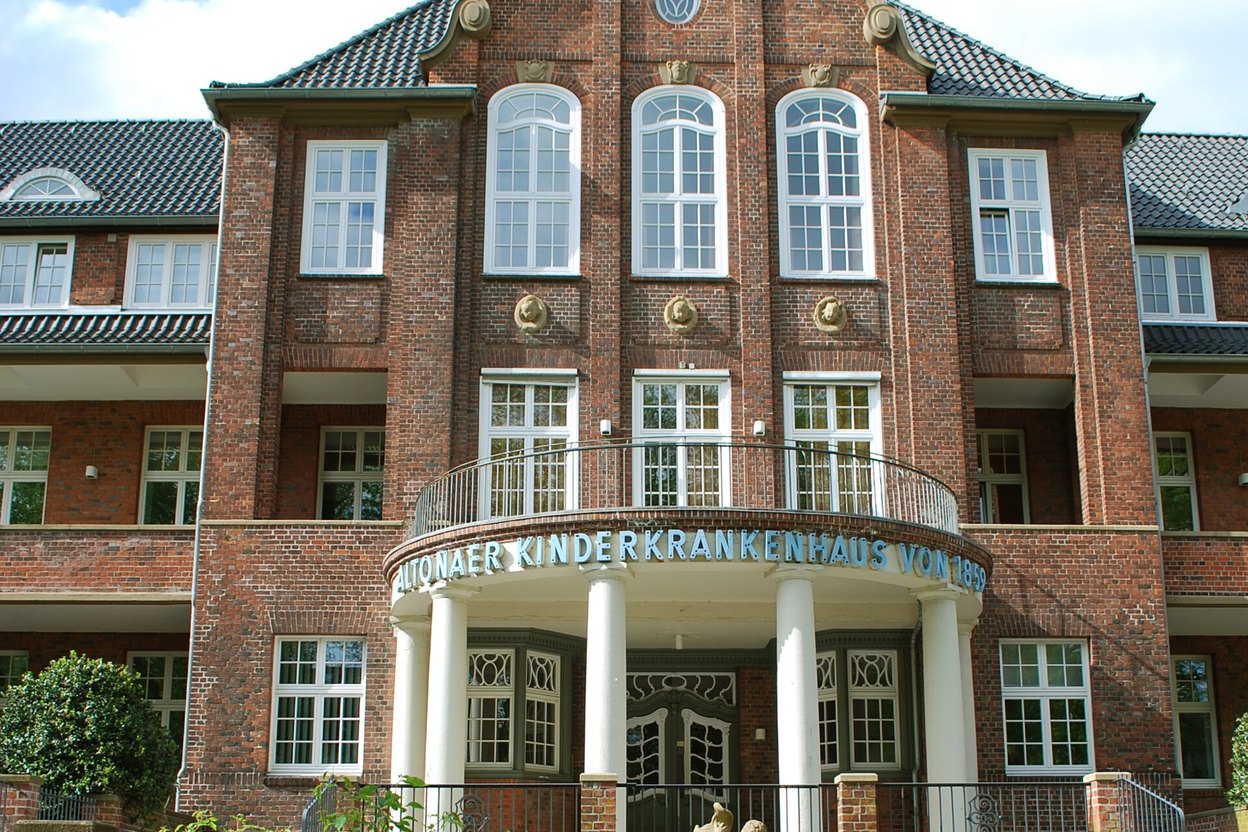
Altona Children's Hospital
A children's hospital in Hamburg's Ottensen district, working since 1859 and part of the Hamburg-Eppendorf university hospital (UKE) since 2006. Its strengths are paediatric surgery with a burns unit, spinal orthopaedics and paediatric neurosurgery.
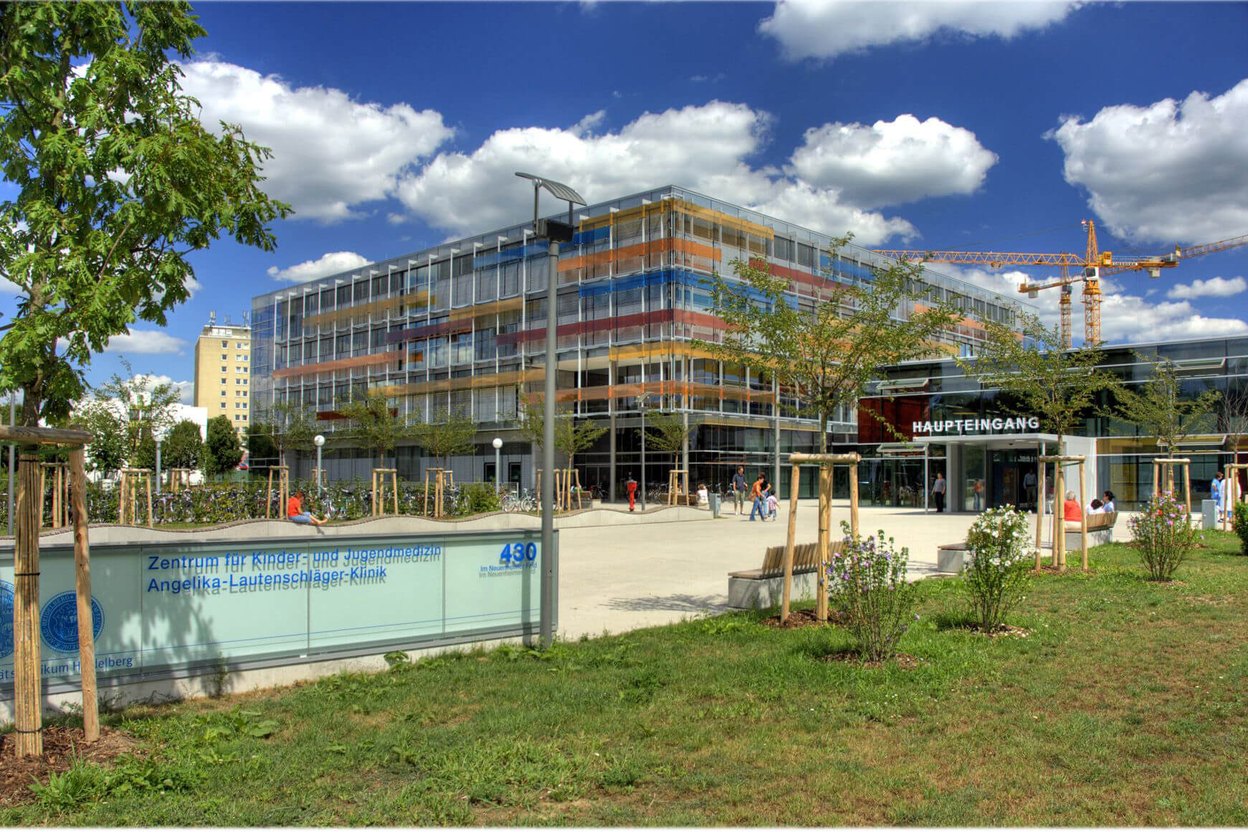
Center for Child and Adolescent Medicine Heidelberg
The paediatric part of the Heidelberg university medical centre, treating children from rare genetic and metabolic disorders to childhood cancer and heart disease. Paediatricians, surgeons, geneticists and radiologists decide each case together.

Dr. von Hauner Children’s Hospital in Munich (LMU)
A university children's hospital in Munich, founded in 1846 and part of LMU Klinikum. Paediatrics and paediatric surgery work under one roof, with strengths in child oncology and haematology, bone-marrow transplantation and genetics.
Eye hospitals

Eye Center at Cologne University Hospital
Retinal and corneal surgery and paediatric eye surgery are the main fields of this university eye centre in Cologne. A separate unit cares for rare eye diseases, including congenital and inherited dystrophies.
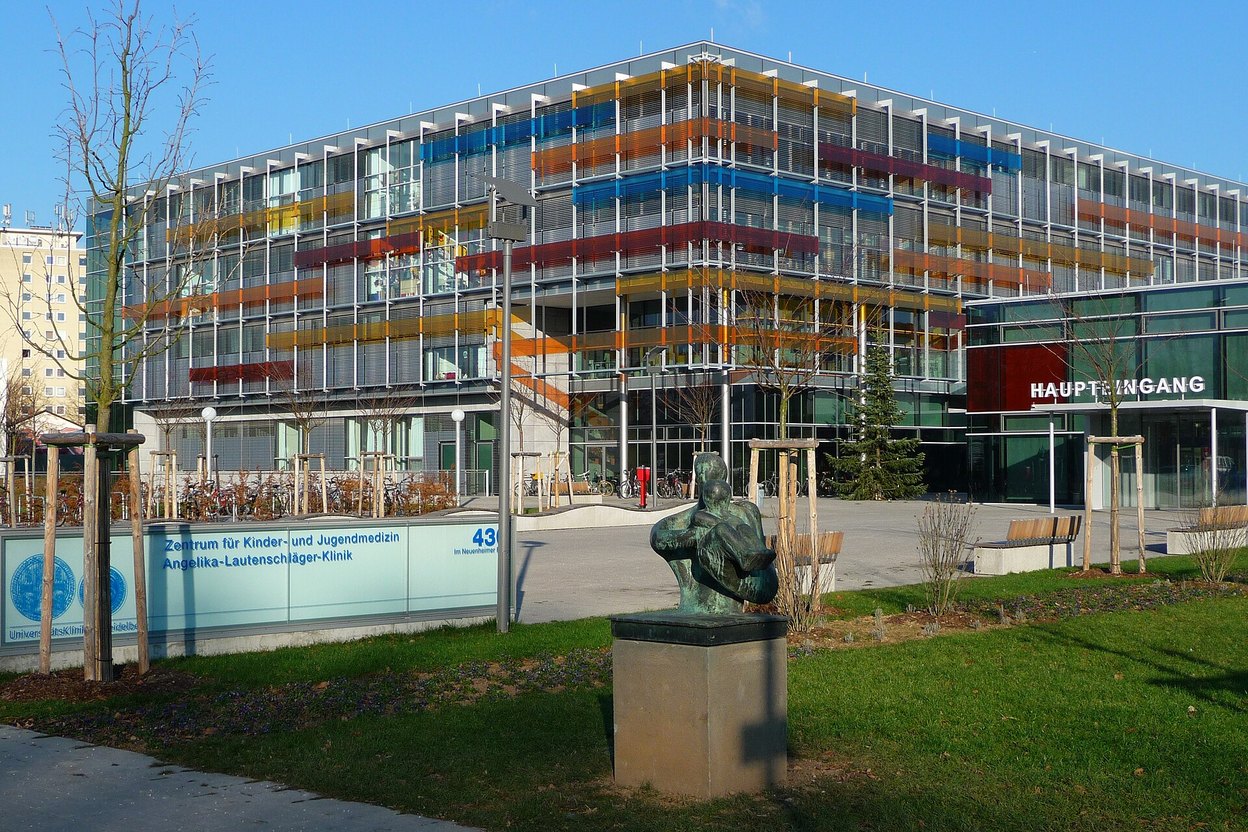
Heidelberg University Eye Hospital
The eye hospital of Heidelberg University Hospital, one of the largest medical complexes in Germany with 2,599 beds. Retinal disease, corneal surgery and transplantation, and glaucoma are its main fields, supported by the university's own laboratories.

Herzog Carl Theodor Eye Clinic
A specialised eye hospital with 56 beds in the Maxvorstadt district of Munich, founded in 1895 by Duke Carl Theodor in Bavaria, himself a practising eye surgeon. Cataract surgery, retinal disease and refractive procedures are its main work.

Tuebingen University Eye Hospital
Part of the Eberhard Karls University Medical Centre in Baden-Württemberg, with its own eye clinic building since 1909. Care focuses on retinal disease, glaucoma and hereditary disorders of vision, closely tied to university research.
Specialist clinics
Földi Clinic (Foldi Clinic): Lymphology and Lymphoedema Treatment
The Földi Clinic in the Black Forest: what a specialised lymphology hospital treats, how decongestive therapy works, and how patients from abroad plan such a stay.

Kinderwunsch Centrum Munich
A fertility centre in Munich with more than thirty-five years of IVF experience, associated with the Krüsmann family. It looks for the cause of infertility and offers insemination, IVF and ICSI and cryopreservation, and runs its own embryology laboratory.

Urology Clinic Munich-Planegg
A single-speciality hospital near Munich devoted entirely to urology, from prostate and bladder tumours to benign enlargement, stones and incontinence. Its uro-oncology unit is a certified prostate cancer centre, and most operations use the da Vinci robot.

Villa Bella Clinic, Munich
A small private plastic and aesthetic surgery clinic in central Munich, near Odeonsplatz. Only qualified plastic surgeons operate here; it was founded and is led by Dr Ludger Meyer, formerly head of plastic surgery at a university hospital.
Hospital groups
Artemed Hospitals Group
A private group of hospitals in Bavaria and Baden-Württemberg with around 489 beds in all. Cardiac surgery sets the tone, with valve and coronary operations, alongside orthopaedics, general and visceral surgery and obstetrics.
Asklepios Hospital Hamburg
How the Asklepios hospitals in Hamburg are organised, which departments foreign patients come to, how admission works and what a stay looks like in practice.
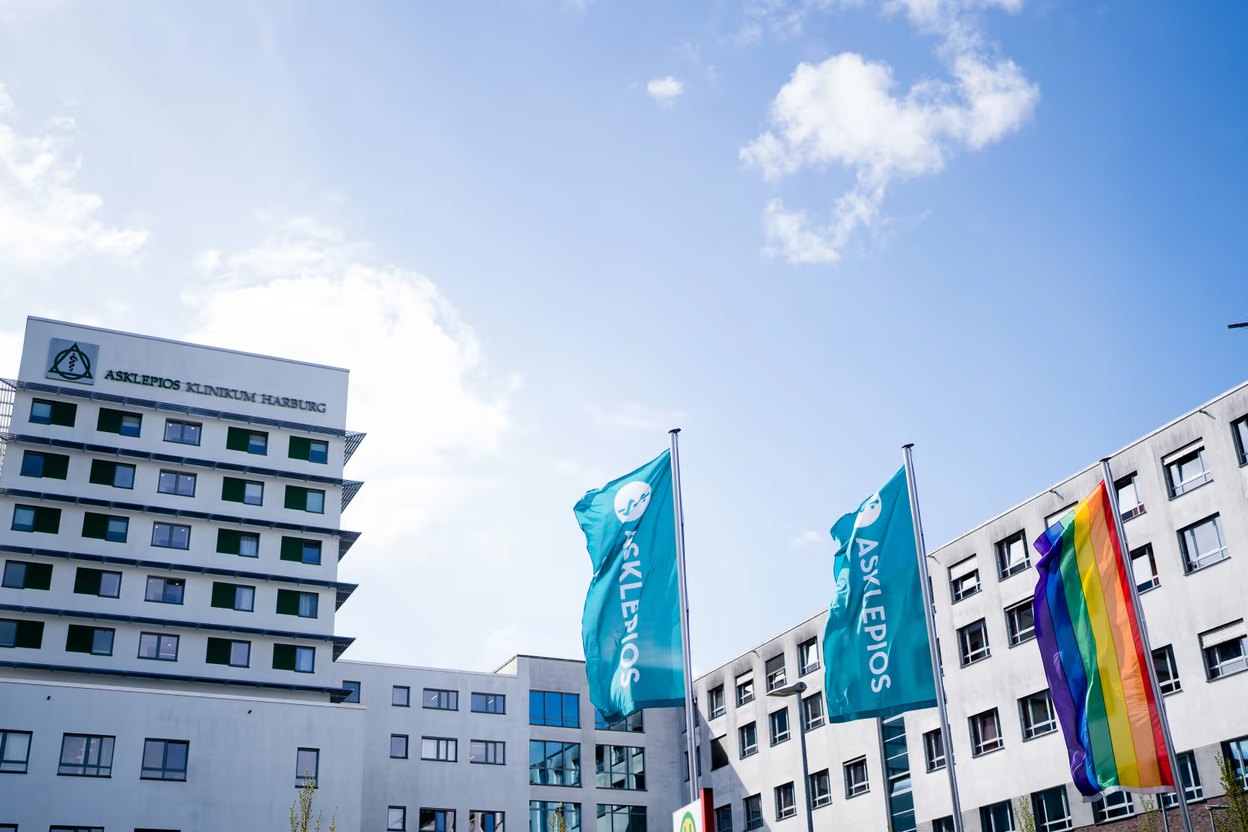
Asklepios Hospitals
A network of hospitals, diagnostic units and outpatient centres in Hamburg and northern Germany rather than a single house. Its care spans haematology and oncology, cardiology and cardiac surgery, general and visceral surgery, neurology and orthopaedics.
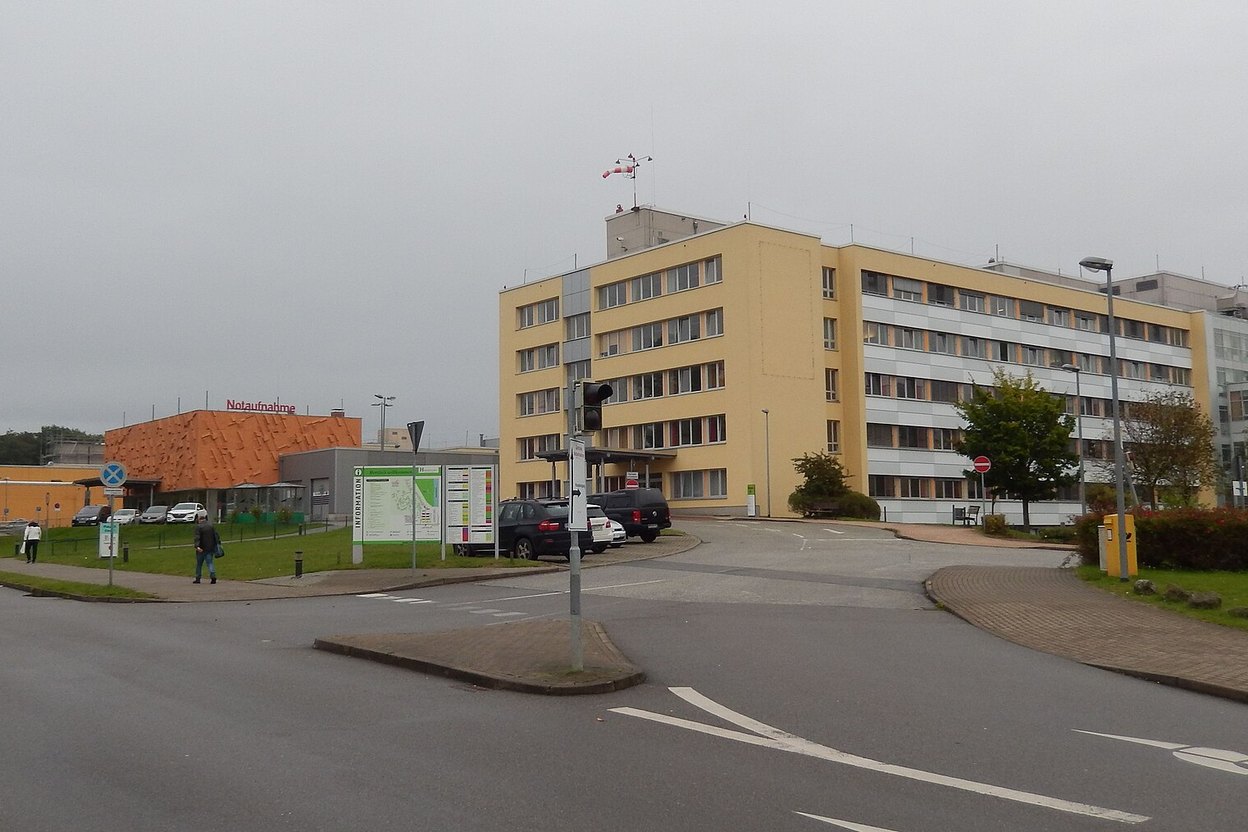
Helios Hospitals
One of the largest hospital networks in Europe, grown from a company founded by the physician Lutz Helmig in 1987. Its maximum-care houses include Berlin-Buch, Erfurt, Wuppertal, Schwerin, Krefeld and Wiesbaden.

Sana Kliniken Group
The third-largest private hospital operator in Germany, with its head office in Ismaning near Munich. The group grew out of an association of private health insurers founded in 1972 and runs acute hospitals, specialist centres and rehabilitation units.

Schön Klinik Group
A family-owned private hospital group founded in 1985, with 26 sites in Germany and facilities in the United Kingdom. It concentrates on orthopaedics and spine surgery, neurology and psychosomatic medicine.
Vitos Hospital in Germany: Psychiatric and Neurological Clinics in Hesse
Vitos in Hesse: who runs the group, what its hospitals treat, what psychiatric care in Germany means for a patient from abroad and how a request is made.