 EN
EN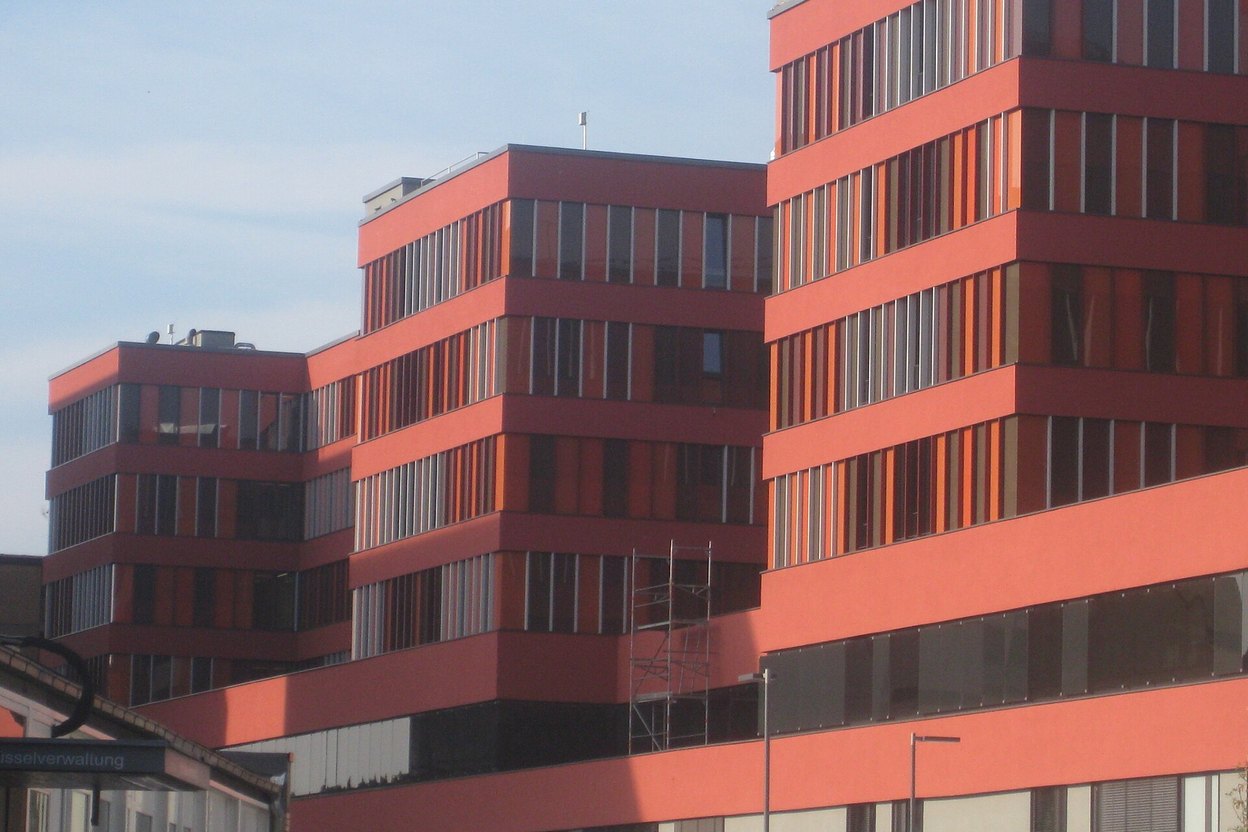
The Sana Kliniken Group is one of the largest private hospital networks in Germany, headquartered in Ismaning near Munich. Functioning as a major healthcare provider, the organization operates acute care hospitals, specialized medical centers, outpatient facilities, and rehabilitation clinics across various federal states. For international patients seeking hospitals in Germany for comprehensive diagnostics, surgical procedures, or post-operative recovery, this hospital network offers extensive clinical capabilities. Unlike single-specialty practices, a large hospital group manages the entire trajectory of patient care from initial evaluation to structured rehabilitation. Understanding the organizational framework of this group helps international patients navigate hospital care in Germany effectively.
History and Foundation
The origins of the healthcare group trace back to 1972, when an association was formed in Cologne by eighteen private health insurance companies to support private hospital planning. Shortly thereafter, the Latin word «Sana»—meaning to heal or restore health—was incorporated into the official company name. Over the following decades, the number of participating private insurance owners grew to twenty-four, and the enterprise expanded its operational scope from managing small private facilities to running large hospital complexes. A major expansion occurred in 1984 with the acquisition of the municipal hospital in Hürth, marking the group’s entry into managing public healthcare facilities in Germany.
Throughout the 1990s and 2000s, the network continued to expand by integrating specialized rehabilitation centers and offering management contracts to public and non-profit hospitals facing financial challenges. The group also entered agreements for managing senior care homes and nursing residences across various regions. A significant milestone occurred in November 2000, when the organization assumed management responsibilities for the Rostock University Hospital, demonstrating its capability to maintain high academic standards within complex medical environments. Today, headquartered in Ismaning, the corporate structure oversees dozens of medical institutions, ensuring unified clinical standards and modern medical services for patients from across the world.
Departments and Key Medical Areas
The medical network encompasses diverse facilities distributed across multiple regions in Germany, offering specialized inpatient and outpatient services. Patients have access to acute emergency units, specialized surgical facilities, and dedicated neurological rehabilitation centers. Depending on the clinical diagnosis, treatment can take place in multi-specialty regional centers or localized specialized units, complementing the services provided by major urban centers such as ISAR Clinic Munich. The clinical structure covers a broad spectrum of medical fields, including cardiology, visceral surgery, orthopaedics, gynaecology, and complex neurological care.
- Sana Hospital Biberach (Sana Klinikum Biberach)
- Neurological Rehabilitation Centre Quellenhof in Bad Wildbad (Neurologisches Rehabilitationszentrum Quellenhof)
- Sana Clinic Munich (Sana Klinik München GmbH)
- Sana Hospital Hof (Sana Klinikum Hof GmbH)
- Sana Hospitals Upper Franconia (Sana Kliniken Oberfranken GmbH)
- Sana Clinic Pegnitz (Sana Klinik Pegnitz GmbH)
- Sana Hospitals Cham District (Sana Kliniken des Landkreises Cham GmbH)
- Ostallgäu-Kaufbeuren Hospitals (Kliniken Ostallgäu-Kaufbeuren)
- Sana Hospitals Berlin-Brandenburg (Sana Kliniken Berlin-Brandenburg GmbH)
- Sana Hospital Lichtenberg (Sana Klinikum Lichtenberg)
The medical facilities handle both planned elective procedures and emergency interventions across various specialties. In neurological rehabilitation centers, patients recover after strokes, traumatic brain injuries, and complex neurosurgical operations on the brain or spinal cord. Multi-specialty hospitals offer advanced surgical interventions, internal medicine, and specialized treatment for complex conditions. For individuals requiring cancer treatment in Germany, specialized oncology departments deliver systemic chemotherapy and radiation protocols governed by strict national quality guidelines. Combining precise check-up in Germany with surgical interventions and post-operative rehabilitation in Germany within a single system ensures continuous medical oversight throughout the entire treatment cycle.
Senior Doctors and Medical Leadership
High standards of clinical care across the network are maintained through the expertise of experienced department heads and chief physicians. Key clinical divisions and specialized units have been led by distinguished medical specialists, including Prof. Dr. Joachim Knörig, Dr. med. Andreas Klamann, Dr. med. Michael Wiese, Prof. Dr. Dirk Fritzsche, Prof. Dr. Onnen Grauhan, Dr. med. Martin Schlunz-Hendann, and Dr. med. Stephan Elenz. These medical directors are responsible for implementing standard treatment protocols, integrating modern therapeutic technologies, and managing multidisciplinary medical teams to ensure patient safety and optimal clinical outcomes.
Location and Accessibility
The corporate headquarters of the group is located in Ismaning, a municipality situated directly north of Munich in Bavaria. This geographic location provides distinct logistical advantages for visiting patients and administrative coordinators. Ismaning sits close to major Bavarian transportation routes, approximately twenty minutes by car or train from Munich Franz Josef Strauss Airport. Excellent regional public transportation links, including the suburban S-Bahn railway system, connect Ismaning directly to central Munich, simplifying travel for international visitors arriving in Bavaria for medical evaluations or consultations.
Individual hospital facilities within the network are located across different German states, including Bavaria, Baden-Württemberg, and Berlin-Brandenburg. When planning medical travel, patients do not need to navigate complex routing independently, as exact address details and arrival instructions are included in the official hospital invitation letter. Whether traveling for specialized medical treatment in Germany or inpatient rehabilitation, international patients receive clear instructions regarding public transport options, taxi arrangements, and hospital admissions desk locations prior to departure.
Accommodation, Dining and Patient Amenities
Inpatient care in German hospitals is structured to provide patient comfort alongside high clinical safety standards. Facilities across the network offer double occupancy rooms as standard, as well as single rooms and upgraded accommodations (Wahlleistung) available upon request or covered by private international insurance. Rooms feature modern adjustable medical beds, private en-suite bathrooms, nurse call systems, multi-language television, and wireless internet access (WLAN). These amenities allow patients to maintain contact with family members and manage personal matters comfortably during their hospital stay.
Dietary care follows structured nutrition plans designed according to individual medical directives. Patients choose daily meals from balanced menus, with tailored options available for specific dietary requirements, including vegetarian, gluten-free, or halal diets. On-site cafeterias are available for visiting family members, offering hot beverages, fresh pastries, and light meals. Visiting hours are flexible, enabling relatives to support patients without disrupting medical schedules. Many hospital facilities feature landscaped grounds and adjacent green parks, offering a quiet environment that supports physical recovery and mental well-being after major medical procedures.
How to Arrange Medical Treatment
Arranging medical care begins with submitting comprehensive medical documentation, including physician reports, laboratory findings, and diagnostic imaging scans such as MRI or CT. German medical specialists review these documents to evaluate treatment feasibility, select the appropriate hospital facility, and formulate a detailed therapeutic plan. Based on this clinical evaluation, an official cost estimate (Kostenvoranschlag) is issued, outlining expected cost of treatment in Germany. All medical payments are made directly to the official bank account of the medical facility, ensuring complete financial transparency without unexpected intermediary fees.
Following initial deposit confirmation, the hospital issues an official medical invitation required for securing an entry visa for treatment. AlenMed assists throughout the administrative process, handling certified translations of medical records, coordinating appointment schedules, and arranging a qualified medical interpreter in Germany for consultations and ward rounds. This support removes language barriers and administrative complexity, allowing patients and their families to focus entirely on health recovery under professional medical guidance.
Submit Your Medical Documents
If you are considering diagnostic evaluation or complex medical treatment in Germany, you can submit your medical records, diagnostic scans, and clinical summaries for a free preliminary evaluation. The AlenMed team will organize a review by relevant German specialists, assist in securing a preliminary cost estimate, and guide you through each stage of travel planning without any financial obligations at the initial stage.
The information provided on this page is for informational purposes only and does not constitute a public offer or direct medical advice. Final diagnostic plans, treatment costs, and hospital admission conditions are established by the medical facility only after thorough examination of the patient’s official medical documentation.