 EN
EN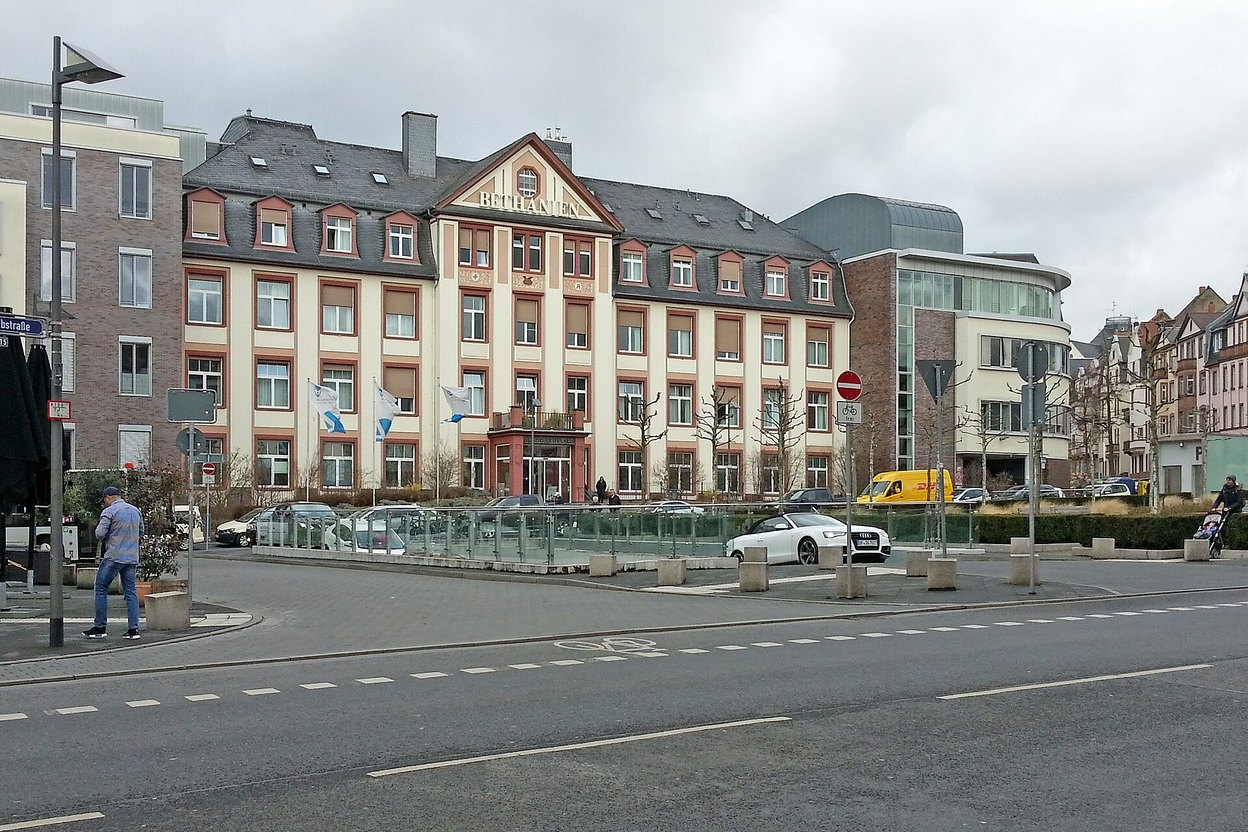
Agaplesion Frankfurt Diakonie Hospital in Frankfurt am Main represents a major clinical facility combining long-standing traditions of Christian diaconal healthcare with standardized German hospital protocols. As part of the Agaplesion healthcare group, this medical center integrates several core specialized departments, including cardiology, oncology, geriatrics, and orthopaedics with trauma surgery. Situated in one of Europe’s primary transportation hubs, the hospital offers convenient access for international patients traveling for comprehensive diagnostics in Germany. Medical care here is structured around strict diagnostic protocols, multidisciplinary collaboration among medical specialists, and careful attention to individual patient requirements throughout every stage of inpatient and outpatient treatment.
History and Foundation
The historical origins of the medical institution trace back to 1874, when the Bethanien Association for General Nursing was established in Frankfurt am Main. In 1908, the association opened the Bethanien Hospital in the Bornheim district, operating initially as an attending physician hospital with more than seventy inpatient beds and two dedicated operating theatres. Designed by architect Friedrich Sander, the three-story Neo-Baroque building was considered exceptionally modern for its era. The original complex accommodated not only clinical wards and deaconess quarters, but also complete support infrastructure, including a disinfection facility, isolation units for contagious diseases, and administrative services. By 1913, the hospital gained widespread recognition well beyond city borders due to its early installation of a specialized X-ray department and its state-accredited nursing school.
During the First World War, the hospital functioned extensively as a military infirmary, providing medical care and nursing support for more than two thousand five hundred sick and wounded soldiers. Over subsequent decades, the facility continuously modernized its medical apparatus, expanded its clinical beds, and implemented specialized inpatient care programs. A pivotal organizational milestone occurred in 2009, when Bethanien Hospital joined forces with Markus Hospital to form the Agaplesion Frankfurter Diakonie Kliniken within the broader Agaplesion healthcare group. This integration allowed the hospital complex to consolidate diagnostic resources, expand interdisciplinary medical units, and establish streamlined care pathways for patients suffering from complex acute and chronic health conditions.
Medical Departments and Specialisations
The medical centre brings together therapeutic, surgical, and specialized rehabilitative units designed to deliver structured medical care for acute emergency cases as well as planned elective surgical procedures. Clinical operations are organized across several main disciplines:
- Cardiology Department (Kardiologie)
- Oncology Department (Onkologie)
- Geriatrics Department (Geriatrie)
- Orthopaedics and Trauma Surgery Department (Orthopädie und Unfallchirurgie)
- Internal Medicine Department (Innere Medizin)
In the cardiology and oncology departments, medical teams conduct detailed clinical investigations into cardiovascular diseases and various oncological conditions. Patients presenting with cardiac symptoms undergo non-invasive and functional diagnostic evaluations, and when specialized interventional care is required, patients can explore options for cardiology in Germany. The oncology unit emphasizes a comprehensive interdisciplinary approach, utilizing multidisciplinary tumour boards where surgeons, oncologists, and radiologists jointly analyze patient files. This collaborative evaluation ensures that systemic drug therapies, targeted treatments, and surgical options are meticulously matched to disease progression and patient health, adhering to international guidelines for cancer treatment in Germany.
The department of orthopaedics and trauma surgery specializes in joint preservation, fracture care, and reconstructive joint procedures, serving as an important center for patients seeking orthopaedics and joint replacement in Germany. In parallel, the geriatrics department addresses the intricate requirements of elderly individuals, combining acute internal medicine with structured physical rehabilitation to preserve mobility and manage multiple age-related chronic conditions. The close cooperation between surgical, internal medicine, and geriatric specialists guarantees that older patients undergoing operations receive specialized perioperative monitoring, reducing the risk of complications and supporting a safe, structured rehabilitation process.
Location and Accessibility
Agaplesion Frankfurt Diakonie Hospital is situated in Frankfurt am Main, located right at the intersection of the Bornheim and Nordend districts. This quiet urban quarter provides a peaceful environment removed from the city’s commercial business center, creating favorable surroundings for patients undergoing treatment and recovery. Frankfurt am Main is internationally recognized as a primary European transportation hub. Frankfurt Airport provides direct international flights connecting to major cities worldwide, while Frankfurt Central Station offers comprehensive high-speed rail links across Germany and neighboring European countries. International patients arriving in the city can comfortably travel to the hospital via local taxi services or public transit routes.
Patients receive exact street addresses, navigation directions, and registration instructions directly within their official hospital admission documentation prior to departing their home country. For international patients traveling from abroad, AlenMed provides comprehensive transfer arrangements from the airport directly to the hospital ward or hotel accommodation. Having organized transportation services eliminates travel stress and ensures that patients arrive punctually for planned consultations and diagnostic procedures. Furthermore, being located in Frankfurt am Main allows patients to access additional specialist consultations across various hospitals in Germany should multi-specialty evaluations or specialized second opinions be necessary.
Hospital Amenities and Patient Comfort
The internal organization of the hospital conforms strictly to modern German healthcare standards, placing strong emphasis on patient safety, clinical hygiene, and physical comfort. Inpatient accommodations consist of bright, single and double rooms equipped with electronically adjustable hospital beds, emergency staff call systems, private sanitary facilities, television, and high-speed Wi-Fi access. Single occupancy rooms and enhanced service packages are available as elective fee-based services. The accommodation facilities are purposefully designed to minimize the psychological stress of hospitalization, offering a quiet, clean, and functional setting that supports clinical recovery and daily nursing care.
Catering services within the hospital are closely integrated with clinical dietary guidelines prescribed by attending physicians. Inpatients are offered daily menu selections that accommodate personal preferences as well as therapeutic dietary requirements, including vegetarian options and custom meals for patients with metabolic or digestive disorders. During open hours, patients and their accompanying relatives can utilize comfortable common areas, visit the hospital cafeteria, or take relaxing walks in nearby urban green spaces. Visiting hours are managed flexibly to allow family members to support their loved ones while maintaining quiet periods required for patient rest and clinical procedures.
How to Arrange Medical Treatment in Frankfurt
To arrange diagnostic testing or inpatient medical treatment at Agaplesion Frankfurt Diakonie Hospital, patients need to provide comprehensive medical histories, recent laboratory results, and current diagnostic imaging such as MRI or CT scans. AlenMed specialists review and translate all medical documentation into German before submitting the file to department head physicians for evaluation. Following clinical review, the hospital prepares an official cost estimate (Kostenvoranschlag). This document details the proposed diagnostic plan, anticipated length of stay, surgical fees, and daily accommodation costs, offering patients full financial clarity prior to their travel.
Once the required advance deposit is transferred directly to the hospital’s official bank account, the clinic issues a formal medical invitation letter. This document is required when applying for a medical visa, with detailed guidance available on our page explaining medical visa support for Germany. Upon arrival in Frankfurt, patients are greeted by AlenMed coordination staff who oversee transfer and check-in procedures. Throughout the treatment period, a dedicated medical interpreter in Germany accompanies the patient to consultations, translating complex medical conversations and ensuring complete understanding between patient and medical staff.
Send Documents for Assessment
If you require expert diagnostic evaluation or specialized inpatient medical care in Frankfurt am Main, you can submit your medical records and imaging scans for a preliminary review. AlenMed coordinators will evaluate your documents, clarify administrative details, and coordinate directly with clinical specialists. To initiate the review process and obtain an initial cost breakdown for your trip, please complete the inquiry form on our treatment request page.
The information presented on this page is provided solely for educational and informational purposes and does not constitute a public offer or formal medical advice. The definitive diagnostic and treatment plan, as well as the total cost of care, are determined exclusively by the official hospital cost estimate (Kostenvoranschlag) following a comprehensive review of the patient’s medical documentation by attending physicians.