 EN
EN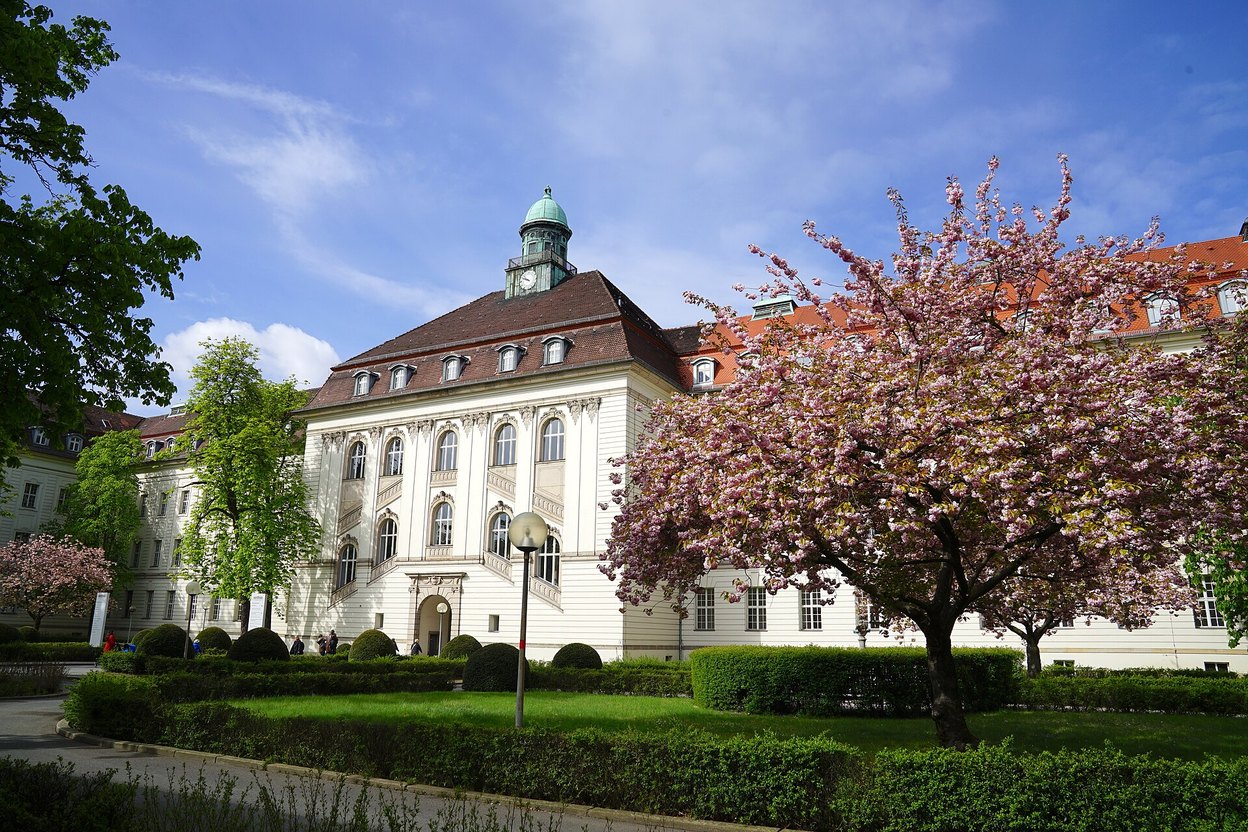
History and Foundation
The institutional foundation of this specialized cardiovascular center traces back to 1974, when Professor Emil Bücherl established a dedicated cardiovascular research unit for the Free University of Berlin at the Westend Hospital. Building upon this research base, the German Heart Center Berlin officially commenced clinical operations on January 1, 1986, followed by a formal inauguration ceremony on April 29, 1986, attended by German Federal President Richard von Weizsäcker. Renowned cardiac surgeon Roland Hetzer assumed the role of medical director, leading the institution until 2014. Under his leadership, the surgical team performed the hospital’s first open-heart procedure in March 1986, followed shortly by its first heart transplantation in April 1986. By July 1987, surgeons successfully implanted their first mechanical ventricular assist device, marking a crucial step in advanced heart failure care.
Throughout its decades of operation, the center achieved numerous historic milestones in interventional and surgical cardiology. In one landmark clinical case from April 1995, doctors successfully removed an artificial heart device from a 38-year-old patient after 160 days of mechanical support because his natural myocardium had completely recovered, eliminating the need for a donor transplant. Pediatric cardiology gained dedicated leadership in December 2004 when Professor Felix Berger became director of the clinic for congenital heart defects. In March 2008, the center opened Berlin’s first hybrid operating theatre, integrating advanced high-definition video imaging systems to permit simultaneous open surgical and catheter-based procedures. The structural unification with Charité in 2023 created the unified Deutsches Herzzentrum der Charité, consolidating clinical resources and research capabilities under one institution.
Departments and Specialties
- Department of Cardiothoracic and Vascular Surgery (Klinik für Herz-, Thorax- und Gefäßchirurgie)
- Department of Cardiology, Campus Benjamin Franklin (Klinik für Kardiologie Campus Benjamin Franklin)
- Department of Cardiology, Campus Charité Mitte (Klinik für Kardiologie Campus Charité Mitte)
- Department of Cardiology, Campus Virchow-Klinikum (Klinik für Kardiologie Campus Virchow-Klinikum)
- Department of Congenital Heart Defects (Klinik für Angeborene Herzfehler)
- Department of Surgery for Congenital Heart Defects (Klinik für Chirurgie Angeborener Herzfehler)
- Department of Cardiovascular Anesthesiology and Intensive Care (Klinik für Kardioanästhesiologie und Intensivmedizin)
- Department of Cardiology, Angiology and Intensive Care (Klinik für Kardiologie, Angiologie und Intensivmedizin)
- Institute for Artificial Intelligence in Medicine (Institut für Künstliche Intelligenz in der Medizin)
Each clinical department within the institution fulfills a defined role within the broader framework of cardiovascular care, allowing for precise diagnostic evaluation and tailored treatment strategies. The surgical divisions perform complex coronary artery bypass grafting, valve repair and replacement procedures, aortic vascular surgery, and the implantation of mechanical circulatory support systems. Meanwhile, the cardiology clinics distributed across the three university campuses focus on managing ischemic heart disease, cardiac arrhythmias, advanced atherosclerosis, and inflammatory myocardial conditions. Patients presenting with complex clinical histories undergo preliminary non-invasive and catheter-based diagnostics in Germany before therapeutic decisions are finalized. Through collaboration between departments, decisions regarding invasive procedures are made jointly by cardiologists, cardiac surgeons, and intensive care specialists.
Specialized care for congenital heart defects spans the entire lifespan, treating pediatric infants, children, and adult patients with structural malformations. Interventional cardiologists and pediatric surgeons utilize open surgical techniques alongside minimally invasive transcatheter procedures to correct complex anatomical anomalies. The center serves as a supra-regional hub for advanced heart failure management, performing adult and pediatric heart and lung transplantations. Furthermore, the institution conducts one of the largest transcatheter aortic valve implantation (TAVI) programs in Europe, offering catheter-based valve replacement without the necessity of stopping the heart or using cardiopulmonary bypass. While various hospitals in Germany offer structural heart interventions, the integrated infrastructure at Charité provides specialized resources for patients presenting with severe surgical risks or rare cardiac conditions.
Clinic Leadership and Key Physicians
The clinical leadership across the departments of the German Heart Center at Charité consists of recognized specialists in cardiac surgery, interventional cardiology, pediatric cardiology, and cardiovascular anesthesiology. The medical directors and senior departmental heads include Prof. Dr. med. Volkmar Falk, Prof. Dr. med. Jörg Kempfert, Dr. med. Axel Unbehaun, Prof. Dr. med. Carsten Skurk, Prof. Dr. med. Ursula Rauch-Kröhnert, Dr. med. Youssef Abdelwahed, and Prof. Dr. med. Bettina Heidecker. These physicians oversee clinical quality control, conduct interdisciplinary heart boards for complex cases, and integrate current clinical trial findings into daily patient care. Patients treated under their direction benefit from standardized clinical pathways and rigorous quality management protocols established by senior experienced doctors in Germany.
Location and Transport
The clinical facilities of the German Heart Center at Charité are situated across three distinct hospital campuses in Berlin, each serving specific medical and regional functions. The primary historical complex and surgical infrastructure are located in the Mitte district within the Wedding area on the grounds of Campus Virchow-Klinikum. A second major site operates at Campus Charité Mitte in the central district of the capital, while additional specialized cardiology services are based in the southern part of the city at Campus Benjamin Franklin. This distributed campus model ensures that patients receive specialized inpatient treatment, outpatient diagnostics, and intensive care close to dedicated university infrastructure equipped with comprehensive emergency and diagnostic services.
Berlin features an extensive public transport network that allows straightforward movement between city districts and medical campuses. All three hospital sites are well connected by underground railway lines (U-Bahn), urban buses, and tram networks, making daily travel convenient for visiting family members. International patients arriving in Berlin can reach the city centers quickly via Berlin Brandenburg Airport (BER) or through Berlin Hauptbahnhof, the city’s central railway station. When planning medical travel, AlenMed arranges comfortable airport transfer and accommodation options near the relevant hospital campus. The exact street address, ward location, and detailed directions to the specific clinical department are provided directly to the patient within their official hospital invitation letter.
Accommodation and Patient Services
Inpatient accommodation within German university medical centers is organized according to clinical standards designed to promote recovery and ensure patient safety. Standard hospital rooms feature multi-bed or two-bed layouts equipped with adjustable medical beds, direct nurse call buttons, and private attached bathroom facilities. Patients seeking elevated comfort can request optional elective services (Wahlleistung), which allow accommodation in single or spacious double rooms featuring enhanced amenities. These elective services typically include personal multimedia entertainment systems, complimentary wireless internet (WLAN) access, daily newspaper delivery, and expanded personal convenience options. Such comfort options help create a calm environment for international patients spending several days in the hospital following major interventions.
Catering services at the center operate on a selective menu system, allowing patients to choose their daily meals from several dietary options tailored to their medical requirements, cultural preferences, or personal dietary restrictions. On-site cafeterias and dining spaces are available across the campuses for accompanying relatives and visiting guests. Visiting hours (Besuchszeit) are structured according to individual ward regulations to maintain proper resting periods for recovering patients, while pediatric departments offer accommodation arrangements for parents accompanying young children. Furthermore, landscaped green areas and park grounds surrounding the hospital campuses afford recovering patients the opportunity to take gentle outdoor walks as part of their early postoperative mobilization routine before discharge.
How to Arrange Medical Treatment
Arranging medical care at the German Heart Center at Charité for international residents involves a structured document review and administrative coordination process. Patients must submit detailed medical histories, recent electrocardiograms, echocardiogram reports, and raw DICOM imaging files from coronary angiography, CT, or MRI scans. Specialist cardiologists and surgeons evaluate these documents to determine treatment feasibility and construct a preliminary therapeutic strategy. Following medical approval, the hospital issues an official preliminary cost estimate (Kostenvoranschlag). The patient pays the required deposit amount directly to the hospital’s official bank account without intermediary markups, ensuring full transparency regarding cost of treatment and payment in Germany prior to arrival.
Once payment is confirmed by the hospital accounting department, the center issues an official medical invitation required to apply for an urgent visa. AlenMed assists international patients throughout this process by providing comprehensive medical visa support for Germany and arranging necessary travel logistics. Upon arrival in Berlin, patients are accompanied by an experienced medical interpreter in Germany who ensures clear communication during clinical consultations, diagnostic tests, and discussions with attending surgeons. Following surgical discharge or completed interventional treatment, AlenMed can assist in coordinating structured cardiac rehabilitation in Germany at specialized rehabilitation centers to ensure long-term cardiovascular recovery.
Submit Your Medical Records
If you or a family member require specialized cardiovascular diagnosis, interventional therapy, or heart surgery in Berlin, you can submit your medical reports and diagnostic imaging for a preliminary clinical review. Completing the contact form on the AlenMed website enables our medical coordination team to assess your clinical documentation, clarify administrative requirements, and provide clear guidance regarding preliminary cost estimates and travel organization to Germany. Our team assists you at every step, ensuring your medical records reach the appropriate specialists quickly and efficiently.