 EN
EN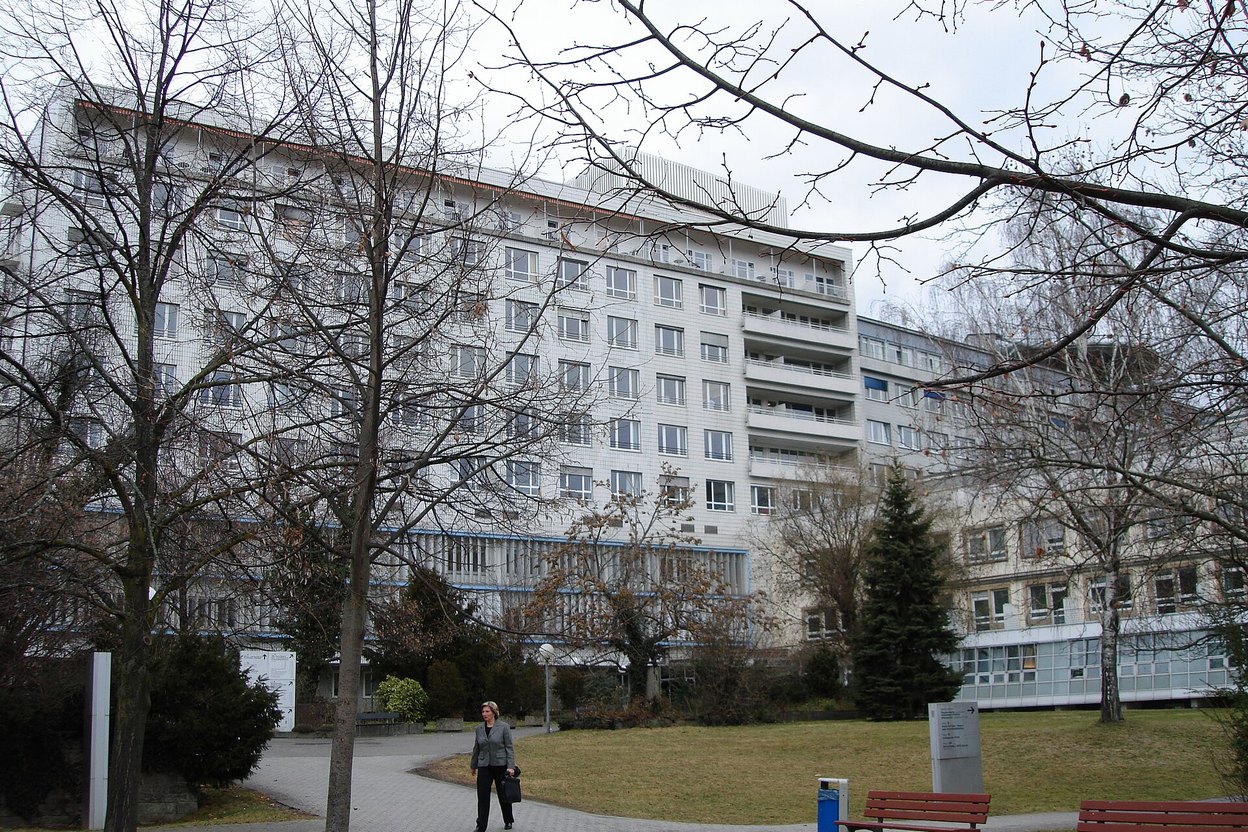
Stuttgart Hospital (Klinikum Stuttgart) stands as the principal tertiary care medical center in the capital region of Baden-Württemberg, offering comprehensive medical care across a vast spectrum of clinical specialties. Functioning at the highest level of care (Maximalversorgung), this municipal healthcare system accounts for approximately forty percent of all acute hospital beds in Stuttgart. The center unites long-standing specialized institutions, including Katharinenhospital, Olgahospital, and Krankenhaus Bad Cannstatt, into a synchronized clinical entity. International patients searching for reputable hospitals in Germany frequently consider this comprehensive medical network when seeking specialized diagnostic evaluations, complex surgical interventions, or multidisciplinary therapy schemes for advanced conditions.
History and Foundation
The historical foundation of the hospital network dates back to the early nineteenth century, born out of an urgent need for modern medical care in the kingdom. In 1817, King Wilhelm I ordered the construction of a new hospital to relieve the overcrowded local public infirmaries and social care institutions. Following the sudden death of Queen Katharina of Württemberg in 1819, a public donation effort combined with royal funds accelerated the initiative as a monument to her legacy. Designed by architect Nikolaus Friedrich von Thouret, the original Catharinen-Hospital was built between 1820 and 1827 with two hundred and thirty beds, establishing a benchmark for organized institutional patient care in the region.
The modern structure of Stuttgart Hospital was formally created on July 1, 1999, through the consolidation of several major municipal hospitals into a single organization. This integration joined Bürgerhospital, Katharinenhospital, Krankenhaus Bad Cannstatt, and the renowned Olgahospital for pediatric medicine. The network expanded further in 2022 and 2023 by incorporating the Sportklinik Stuttgart, the Red Cross Hospital in Bad Cannstatt, and the Sana Cardiac Surgery Center. Serving as an academic teaching hospital for the Eberhard Karls University of Tübingen, the organization employs approximately nine thousand staff members, managing around ninety thousand inpatient admissions and over six hundred thousand outpatient consultations every year.
Departments and Key Specialties
The clinical architecture of the hospital covers nearly all branches of adult and pediatric medicine, ranging from acute emergency interventions to complex organ transplantation procedures. Through specialized institutes and clinical departments, patients gain access to modern interventional radiology, advanced nuclear medicine imaging, detailed genetic counseling, and specialized pathology. Oncology forms a cornerstone of the medical services, where interdisciplinary tumor boards review complex cases to deliver individualized protocols for patients who require comprehensive cancer treatment in Germany.
- Department of Diagnostic and Interventional Radiology (Klinik für Diagnostische und Interventionelle Radiologie)
- Department of Nuclear Medicine (Klinik für Nuklearmedizin)
- Department of Hand, Plastic and Aesthetic Surgery (Klinik für Hand-, Plastische und Ästhetische Chirurgie)
- Department of General, Visceral and Transplant Surgery (Klinik für Allgemein-, Viszeral- und Transplantationschirurgie)
- Department of Vascular and Endovascular Surgery (Klinik für Gefäßchirurgie, Endovaskuläre Chirurgie und Transplantationschirurgie)
- Department of Urology and Transplant Surgery (Klinik für Urologie und Transplantationschirurgie)
- Department of Otorhinolaryngology and Plastic Surgery (Klinik für Hals-, Nasen-, Ohrenkrankheiten, Plastische Operationen)
- Dermatology, Phlebology and Allergology Center (Zentrum für Dermatologie, Phlebologie und Allergologie)
- Department of Thoracic Surgery (Klinik für Thoraxchirurgie)
- Department of Cardiac Surgery (Klinik für Herzchirurgie)
This broad organizational scope enables the clinical teams to manage intricate surgical cases, vascular disorders, and complex urological conditions using minimally invasive techniques. In addition to surgical interventions, specialized units focus on dermatology, venous disorders, and severe allergic reactions. Patients arriving for precise preliminary evaluations or comprehensive overall diagnostics in Germany benefit from in-house clinical genetics, pathology analysis, and advanced imaging modalities that streamline the diagnostic process under one roof.
Department Heads and Specialists
The medical departments are led by experienced senior physicians who combine active clinical practice with academic research and clinical instruction. Key department heads within the hospital include Prof. Dr. Martin Hetzel, Prof. Dr. Gerald Illerhaus, Prof. Dr. Christoph Rischpler, and Prof. Dr. Markus Blankenburg. These department directors lead interdisciplinary teams in developing individualized treatment plans, implementing modern therapeutic standards, and participating in regional healthcare advancement initiatives across their respective specialties.
Location and How to Arrive
Stuttgart Hospital is situated in the city of Stuttgart, an economic and cultural hub in southern Germany. The individual hospital campuses are distributed across major districts of the city, providing convenient accessibility for both regional residents and international visitors. Transport connections to the city are excellent, with Stuttgart Airport located within short traveling distance from the central urban area. From the main railway station or airport, patients can easily navigate to the designated hospital site using suburban rail networks, underground lines, or taxi services.
For patients arriving by private vehicle or taxi, designated multi-level parking garages (Parkhaus) are situated directly at the major campus locations. The precise building address, clinical department location, and specific route guidance are provided to international patients in advance together with their formal appointment documents. When an international patient applies for a medical visa for Germany, the hospital issues an official medical invitation that explicitly details the scheduled arrival date, responsible department, and exact location of the receiving clinic.
Wards, Dining, and Patient Amenities
Inpatient accommodation within the hospital complex adheres to high standards of comfort, hygiene, and patient care. Alongside standard hospital wards, the medical center offers elective private amenities (Wahlleistung), including single and double patient rooms equipped with modern multimedia installations, private sanitary facilities, and additional comfort services. On-site facilities include modern cafeterias and convenient kiosks offering light meals, beverages, and daily necessities. Dining options are adjusted according to specific medical diets and individual dietary requirements determined by the attending medical staff.
To support physical recovery and emotional well-being during hospitalization, the grounds surrounding the medical facilities feature landscaped park environments and gardens for quiet walks. The hospital complex also houses a library for patient recreation and an interfaith chapel (Kapelle) providing a peaceful setting for personal reflection. Structured visiting hours allow family members to spend meaningful time with admitted patients without disrupting routine medical rounds, nursing care schedules, or required therapeutic procedures.
Arranging Treatment via AlenMed
Organizing treatment at a major municipal medical center begins with a comprehensive review of the patient’s existing medical records, laboratory results, and diagnostic imaging scans. The AlenMed team submits these medical files to the appropriate department for clinical review, allowing German specialists to assess the case and formulate a preliminary diagnostic or surgical outline. Based on this expert assessment, an official cost estimate (Kostenvoranschlag) is prepared by the clinic, providing clear transparency regarding the expected cost of treatment in Germany, with all payments settled directly with the hospital account.
Once treatment dates are confirmed and financial arrangements are finalized, the clinic issues the necessary formal invitation required for travel documentation. AlenMed handles the surrounding logistical arrangements, including flight planning, comfortable accommodation bookings for accompanying relatives, and airport transfers. Throughout the entire medical stay, a qualified medical interpreter in Germany accompanies the patient to clinical consultations, translates medical reports, and ensures clear communication between the patient and the attending medical team.
Request a Free Case Evaluation
If you require specialized treatment or a second opinion at a major German medical center, you can submit your medical history, recent lab results, and MRI or CT scans for expert assessment. Please fill out the contact form on our website, and the medical coordination team at AlenMed will evaluate your case materials, consult with relevant department specialists, and help structure your medical journey to Germany.
The information provided on this page is for educational and informational purposes only and does not constitute a binding offer or formal medical advice. Final treatment plans, required diagnostic procedures, and actual medical costs are established solely by the clinic’s official cost estimate following a comprehensive evaluation of the patient’s medical records.