 EN
EN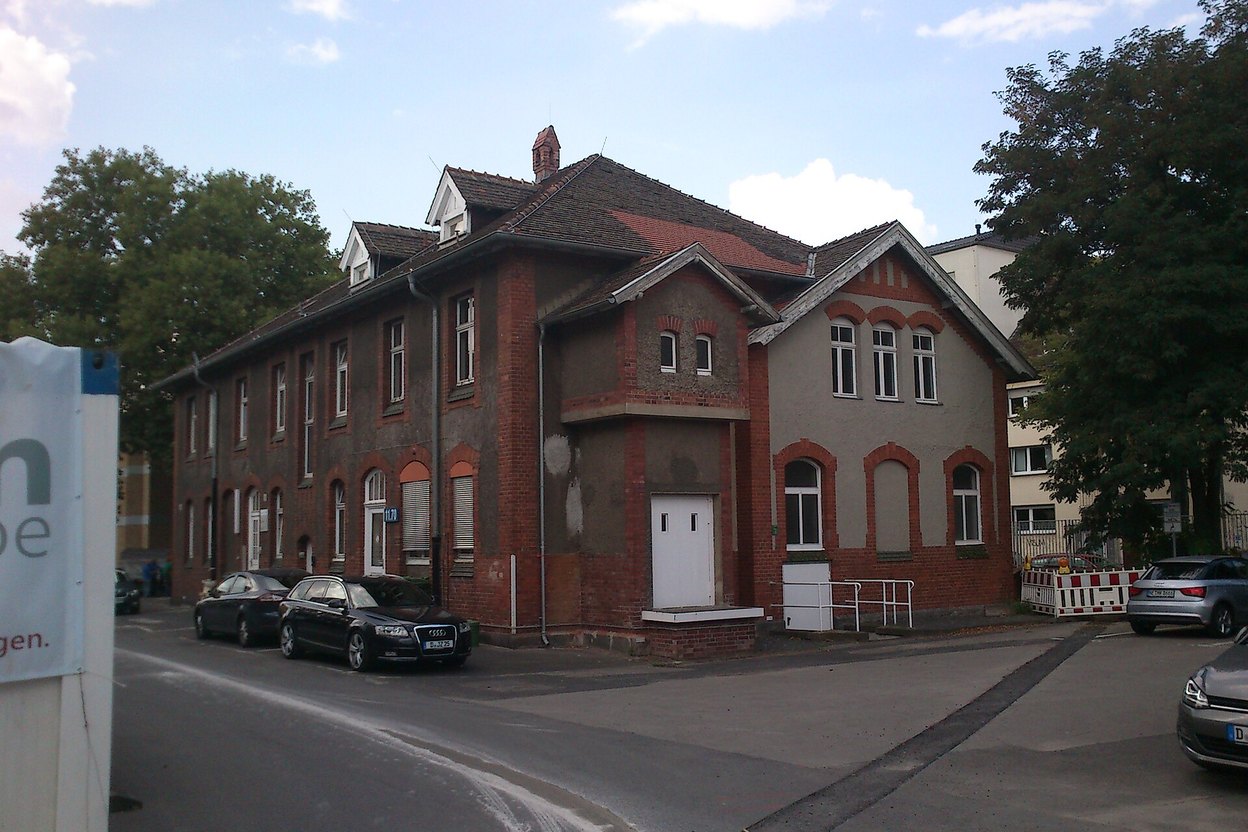
The Duesseldorf University Hospital is a major academic medical center situated in the southern part of Düsseldorf. Within this extensive campus, twenty-nine specialized clinical departments and thirty research institutes work together to provide comprehensive care. Every year, the medical complex treats approximately fifty thousand inpatient cases and handles around three hundred thousand outpatient visits. The facility maintains more than twelve hundred inpatient beds and employs nearly nine thousand five hundred personnel, including over nine hundred and seventy-five physicians and more than thirteen hundred qualified nursing specialists. Each clinical department maintains a close connection with the scientific research laboratories of the medical faculty, combining university theoretical studies with daily clinical practice. For international patients seeking treatment in hospitals in Germany, academic centers of this scale offer advanced diagnostic protocols, targeted oncological therapies, and highly specialized surgical interventions across all major fields.
History and Foundation
The history of this medical institution began on July 27, 1907, with the official opening of the General Municipal Hospitals and the Düsseldorf Academy for Practical Medicine, under the leadership of its first director, Oskar Witzel. The original medical grounds accommodated specialized departments for surgery, internal medicine, and pediatrics under Arthur Schloßmann, alongside gynecology and obstetrics led by Hugo Sellheim. Additional departments focused on infectious diseases, dermatology, otolaryngology, ophthalmology, and pathology under Professor Lubarsch, while psychiatric care was provided at the nearby facility in Grafenberg. In the decades following World War II, the center gained international acclaim in cardiovascular research. A milestone occurred in 1952 when surgeon Ernst Derra successfully performed one of the earliest open-heart surgical procedures using a heart-lung machine.
In 1958, a newly constructed surgical building was officially opened on the grounds, representing one of the most technologically structured clinical facilities of its era. The Academy for Practical Medicine was formally incorporated into the newly established University of Düsseldorf in 1965. On January 1, 1973, full responsibility for the medical center was assumed by the federal state of North Rhine-Westphalia, at which point the institution officially received the name Universitätsklinikum Düsseldorf. Today, the historical medical legacy continues through modern research projects and clinical trials across university chairs, translating laboratory findings into direct medical assistance for international patients.
Departments and Specialties
The organizational structure of the academic complex encompasses virtually every discipline in modern clinical medicine. Patients visit the center with complex oncological diagnoses, rare vascular disorders, hepatic diseases, and metabolic conditions. This broad clinical spectrum enables multidisciplinary medical boards to review each case from multiple perspectives, which is particularly beneficial when international patients require precise diagnostics in Germany to confirm a diagnosis or adjust a treatment strategy.
- Department of General Pediatrics, Neonatology and Pediatric Cardiology (Klinik für Allgemeine Pädiatrie, Neonatologie und Kinderkardiologie)
- Department of General, Visceral and Pediatric Surgery (Klinik für Allgemein-, Viszeral- und Kinderchirurgie)
- Department of Ophthalmology (Klinik für Augenheilkunde)
- Department of Dermatology (Klinik für Dermatologie)
- Department of Endocrinology and Diabetology (Klinik für Endokrinologie und Diabetologie)
- Department of Gynecology and Obstetrics (Klinik für Frauenheilkunde und Geburtshilfe)
- Department of Gastroenterology, Hepatology and Infectiology (Klinik für Gastroenterologie, Hepatologie und Infektiologie)
- Department of Vascular and Endovascular Surgery (Klinik für Gefäß- und Endovaskularchirurgie)
- Department of Otorhinolaryngology (Klinik für Hals-Nasen-Ohrenheilkunde)
- Department of Hematology, Oncology and Clinical Immunology (Klinik für Hämatologie, Onkologie und Klinische Immunologie)
In the pediatric divisions, specialized care is provided to newborns and older children diagnosed with congenital defects, cardiac abnormalities, or pediatric malignancies. In the departments of cardiology, pulmonology, and vascular surgery, physicians perform minimally invasive and reconstructive interventions on heart valves and major blood vessels when patients need advanced cardiology in Germany. The oncology and hematology units implement current protocols for chemotherapy, immunotherapy, and cellular therapy, while surgical departments handle complex operations on abdominal organs, head, and neck regions.
Leading Specialists
Leadership across key clinical departments and research units is provided by experienced medical specialists in Germany. In particular, senior clinical leadership within the hospital structure includes Professor Dr. Kirsten Schmieder (Prof. Dr. Kirsten Schmieder). Senior physicians at university medical centers combine direct patient care with active academic research and teaching duties at the university faculty. Professors at the hospital participate in international clinical trials, contribute to national treatment guidelines for severe conditions, and maintain clinical practices aligned with strict German healthcare quality standards.
Location and Accessibility
The medical campus of Duesseldorf University Hospital is situated in the southern district of Düsseldorf. The grounds are designed as a spacious park-like layout where individual clinical buildings and research institutes are interconnected by pedestrian walkways and internal service roads. Situated near a central transportation hub in the state of North Rhine-Westphalia, the hospital location is convenient for international patients arriving through Düsseldorf Airport. Traveling to the campus from either the airport terminals or the main railway station is straightforward by taxi or public transit.
For local transit to and from the hospital grounds, visitors can utilize the subway network (U-Bahn), city trams (Straßenbahn), suburban rail services (S-Bahn), and municipal bus routes (Buslinie). For individuals arriving by private or rented automobile, a multi-level parking garage (Parkhaus) is located directly on campus. The exact building designation, detailed campus map, and transit directions are provided to each patient together with their formal appointment package and official invitation letter from the hospital.
Accommodation, Meals, and Facilities
A comfortable environment during inpatient stay supports physical recovery after surgical procedures and intensive therapeutic regimens. The hospital offers accommodation options in single and double comfort rooms under elective service agreements (Wahlleistung). Inpatient rooms are equipped with modern adjustable medical beds, private sanitary facilities, television sets (fernseh), and wireless internet access (WLAN). Meal service (Verpflegung) is arranged according to patient choices while adhering strictly to prescribed dietary guidelines and personal requirements.
The landscaped campus grounds include designated quiet zones, a park, and a garden (Park, Garten), allowing patients to spend time outdoors during recovery. Additional campus amenities available to patients and accompanying relatives include a hospital chapel (Kapelle), a library, and cafeterias. Visiting hours (Besuchszeit) for family members (Angehörige) are structured flexibly, enabling close relatives to provide personal support throughout all stages of diagnostic evaluation and inpatient medical treatment.
How to Arrange Treatment
To organize medical care at the university center, patients must submit detailed medical records, laboratory test results, and recent MRI or CT imaging scans. Based on these medical documents, hospital specialists evaluate the clinical condition, outline a preliminary treatment plan, and generate an official cost estimate (Kostenvoranschlag). This estimate outlines the expected cost of treatment in Germany, with all financial payments made directly to the hospital’s official account without intermediary surcharges.
Upon confirmation of payment or deposit, the hospital issues an official medical invitation required for visa processing. The team at AlenMed assists with coordination and organization: a qualified medical interpreter in Germany accompanies the patient to consultations and diagnostic appointments, while logistics specialists help arrange accommodation and airport transfers. Professional support in arranging medical treatment in Germany allows patients to focus entirely on their recovery.
Submit Your Medical Documents
If you or your family member require medical evaluation or treatment at Duesseldorf University Hospital, you can send your medical reports and imaging studies through the AlenMed online request form. Our team will arrange translation of your records into German and submit them to the appropriate university department specialists for review. You will receive a preliminary medical assessment along with a detailed financial estimate for your trip. Contact us to receive a free evaluation of your case and a clear action plan.
The information provided on this page is for informational purposes only and does not constitute a public offer or medical advice. Final diagnostic plans, treatment protocols, and total costs are determined individually by hospitals on the basis of a formal cost estimate (Kostenvoranschlag) following thorough review of complete medical records.