 EN
EN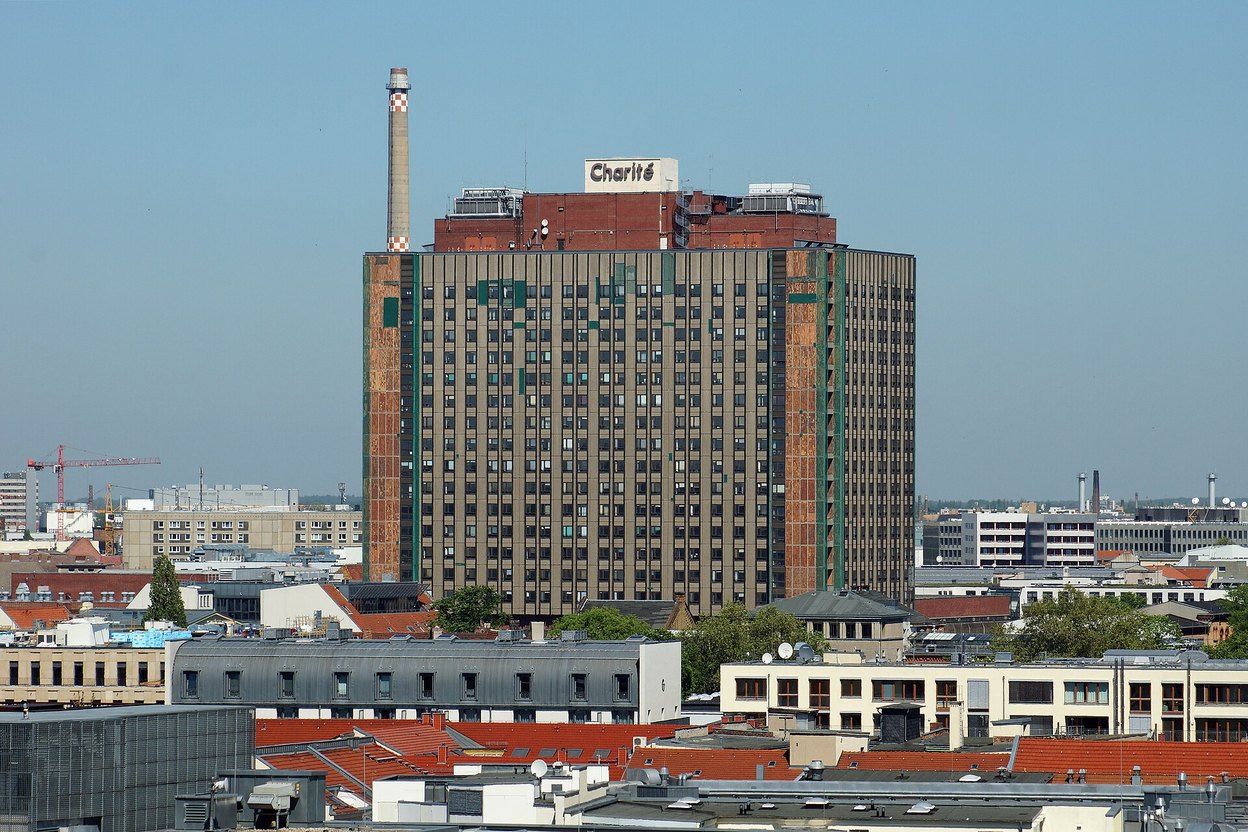
The university medical complex Charité – Universitätsmedizin Berlin represents one of the largest academic hospital systems in Europe, combining fundamental scientific research with practical clinical care. A key component of this institution is the German Heart Centre at Charité (Deutsches Herzzentrum der Charité, DHZC), formed by consolidating cardiac services into a dedicated center with nearly five hundred inpatient beds. For international patients seeking treatment abroad, hospitals in Germany such as Charité Hospital Berlin offer specialized medical care, diagnostic evaluation, and complex surgical procedures. The university complex encompasses numerous clinical departments, research institutes, and specialized chairs providing medical assistance to both adult and pediatric patients across primary healthcare disciplines.
History and Year of Foundation
The development of specialized heart surgery and academic medicine within the complex is tied to the expansion of research institutions in Berlin. In 1974, a specialized cardiac surgery research department was established at the Free University of Berlin at Klinikum Westend, creating the structural foundation for the future heart center. Operational activities at the dedicated heart center began in early 1986, followed by official inauguration ceremonies and the active implementation of organ transplantation and mechanical circulatory support programs. During these early years, medical teams performed landmark pediatric and adult artificial heart implantations, which allowed critically ill patients to survive the waiting period required to receive compatible donor organs.
Over the following decades, the medical center steadily expanded its clinical facilities by constructing specialized operating suites and hybrid procedure rooms. On January 1, 2023, the cardiac units of the original heart center and the university medical system were officially merged into the unified Deutsches Herzzentrum der Charité across several university campuses. Today, this integrated structure includes specialized units focused on heart failure management, organ transplantation, and interventional cardiology. Patients seeking specialized cardiology in Germany rely on the institution’s long-standing academic protocols, structured diagnostic workflows, and modern operating equipment.
Departments and Specialties
The university hospital includes diverse specialized departments structured to address complex medical conditions. International patients routinely turn to these clinical units for general and visceral surgery, gynaecological care, oral medicine, and complex dental procedures. Before initiating any therapeutic or surgical course, patients undergo targeted diagnostics in Germany to confirm diagnoses and evaluate potential co-existing health conditions. Each clinical department maintains close academic ties with university research institutes. This structure facilitates interdisciplinary medical boards where surgeons, internists, and diagnostic specialists jointly review complex patient files to determine appropriate clinical pathways.
- Institute of Integrative Neuroanatomy (Institut für Integrative Neuroanatomie)
- Department of Gynaecology with Breast Centre (Klinik für Gynäkologie mit Brustzentrum)
- Department of Orthodontics (Abteilung für Kieferorthopädie und Orthodontie)
- Department of Periodontology, Oral Medicine and Oral Surgery (Abteilung für Parodontologie, Oralmedizin und Oralchirurgie)
- Department of Prosthetic Dentistry, Geriatric Dentistry and Craniomandibular Disorders (Abteilung für Zahnärztliche Prothetik, Alterszahnmedizin und Funktionslehre)
- Department of Operative, Preventive and Paediatric Dentistry (Abteilung für Zahnerhaltung, Präventiv- und Kinderzahnmedizin)
- Department of Surgery (Klinik für Chirurgie)
In the Department of Surgery, medical teams perform routine and emergency procedures on abdominal organs, soft tissues, and endocrine structures. The Department of Gynaecology with its specialized Breast Centre provides surgical and conservative therapy for benign and malignant conditions, where cancer treatment in Germany incorporates surgical resection and systemic medication protocols. The dental and maxillofacial departments specialize in reconstructive dentistry, bite correction, and periodontitis therapy. Meanwhile, the Institute of Integrative Neuroanatomy conducts fundamental research into nervous system structures, forming a scientific foundation for future clinical therapies.
Location and Accessibility
The university hospital is located in Berlin, with its clinical and scientific institutes distributed across major urban campuses. Key clinical departments, including those situated in the Mitte district and the Wedding area (Virchow-Klinikum), are located within well-connected urban zones with established municipal transport infrastructure. For international travelers arriving in the capital for medical appointments, the urban location simplifies logistics. From Berlin Brandenburg Airport or the central train station, the hospital campuses can be reached via public transportation networks, municipal taxis, or pre-booked private transfers.
The municipal public transport network includes underground subway lines, tram lines, and bus routes with dedicated stops located near campus entrances. For patients and accompanying family members arriving by private vehicle, nearby parking garages and street parking spaces are available. Detailed navigation instructions, including the exact street address of the designated department, are provided directly in the official hospital invitation letter. This enables patients to plan their local route in advance, navigate the campus grounds without delay, and arrive on time for scheduled consultations.
Accommodation, Meals, and Services
Inpatient accommodations at the university complex follow standard German medical care guidelines for patient safety and comfort. Ward rooms are configured for single or double occupancy and are equipped with adjustable medical beds, private sanitary facilities, television units, and nurse call systems. Subject to room availability and prior request, single rooms with enhanced comfort options can be booked as an elective service. Patients are provided with wireless internet access (WLAN) to stay in touch with family during their stay. In addition, landscaped park areas on the campus grounds offer space for outdoor walks during recovery phases.
Meals are organized through a daily menu selection system designed to meet medical dietary guidelines and nutritional standards. The hospital kitchen provides balanced options using fresh ingredients while accommodating specific dietary restrictions, religious choices, or vegetarian preferences. On-site cafeterias are open to visiting family members and guests, offering hot meals, snacks, and beverages. Patient visits are permitted during designated visiting hours, which helps maintain a calm environment in inpatient wards and ensures proper rest schedules for all hospitalized individuals.
How to Arrange Treatment
Initiating a medical request to the university clinic begins with gathering relevant medical records, including detailed medical summaries, diagnostic test results, and digital MRI or CT scans. Specialists at AlenMed assist patients in organizing their medical history, translating documents into German, and submitting them to the hospital’s medical team. Following document evaluation, clinical specialists draft a preliminary diagnostic and treatment plan. Patients evaluating overall travel expenses can review general details regarding the cost of treatment in Germany to better understand expected budget components.
Based on the confirmed clinical strategy, the hospital issues an official preliminary cost estimate (Kostenvoranschlag). Payments for medical procedures are transferred directly to the university hospital’s official bank account without third-party markups. Upon receipt of payment, the hospital provides an official confirmation required when applying for a medical visa for Germany. To ensure smooth communication throughout the hospital stay, AlenMed provides qualified medical interpreters in Germany to assist during medical consultations, ward rounds, and administrative procedures.
Send Documents for Review
If you require a medical evaluation or assistance in arranging treatment at Charité Hospital Berlin, you can submit your medical records and imaging scans for initial review. The AlenMed team will examine your documentation, consult with German specialists, and outline the necessary organizational steps for your trip. You can fill out the contact form on our website to send documents for a free evaluation and receive detailed information regarding timelines and procedural steps.
This article is provided for informational purposes only and does not constitute a public offer or medical advice. The final diagnostic and surgical program, as well as final treatment costs, are determined based on the official cost estimate (Kostenvoranschlag) issued by the hospital after examining the patient’s medical records.