 EN
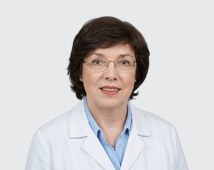
Professor Ulrike Blume-Peytavi is deputy director of the Department of Dermatology, Venereology and Allergology (Klinik für Dermatologie, Venerologie und Allergologie) at Charité – Universitätsmedizin Berlin. Patients see her about severe and rare hair disorders, and parents bring children with complex skin diseases. She heads the department’s research centre for skin and hair.
What Professor Blume-Peytavi treats
Professor Blume-Peytavi co-leads the department’s hair centre and its paediatric dermatology clinic. The hair centre (Kompetenzzentrum für Haare und Haarerkrankungen) specialises in rare hair disorders and those that resist treatment:
- severe alopecia areata (patchy hair loss);
- scarring alopecia, such as lichen planopilaris and frontal fibrosing alopecia;
- hair loss caused by chemotherapy;
- hair disorders in children.
Diagnostics include microscopic hair root analysis (trichogram), hair density and growth measurement (phototrichogram) and standardised photographs. The paediatric clinic helps with rare diagnoses and complex treatment of autoimmune skin diseases such as scleroderma, lupus and blistering conditions, rare inherited diseases such as ichthyosis and epidermolysis bullosa, and psoriasis and other chronic inflammation. See our pages on dermatology and children’s medicine.
Training and experience
Ulrike Blume-Peytavi is a university professor (Univ.-Prof.) at Charité. She is deputy director of the dermatology department and directs its Clinical Research Center for Hair and Skin Science (CRC). The centre studies how skin grows, matures and changes from childhood to old age; hair disorders and inflammatory skin diseases such as acne and rosacea are a major part of its research. It also produces systematic reviews and helps develop clinical guidelines.
The department and hospital
Charité’s Department of Dermatology, Venereology and Allergology works on two campuses, Charité Mitte and Benjamin Franklin. Besides general consultations it runs specialist clinics, including for allergies, psoriasis, acne inversa, skin tumours, wounds and scars, vein disorders, paediatric dermatology and sexually transmitted infections. It has its own diagnostic laboratories and research centres, and patients can join clinical trials of new treatments. Read more about Charité Hospital in Berlin.
Frequently asked questions
What conditions does Professor Blume-Peytavi treat?
Professor Blume-Peytavi treats rare and hard-to-treat hair disorders: severe alopecia areata, scarring alopecia, hair loss after chemotherapy and hair disorders in children. The paediatric clinic she co-leads sees children with autoimmune, inherited and chronic inflammatory skin diseases. For androgenetic alopecia and hair loss not yet diagnosed, the centre asks patients to see their own dermatologist first.
How can I see Professor Blume-Peytavi from abroad?
Gather your dermatologist’s reports and copies of earlier test results, which the clinic asks patients to bring. AlenMed translates the documents into German and forwards your request; the hospital confirms a date and decides which of the centre’s doctors sees you.
How much does treatment with Professor Blume-Peytavi cost?
The exact amount is set by the hospital in a written estimate (Kostenvoranschlag) prepared before you travel. It depends on the examinations and treatment: a consultation with a trichogram and long-term treatment of a severe skin disease are priced differently. Payment goes directly to the hospital.
How to see Professor Blume-Peytavi through AlenMed
AlenMed translates your records into German, agrees a date with the hospital and, if needed, arranges a medical interpreter and personal support. To start, send a request through our form.
This information is for reference only and is not an offer. A doctor decides whether and how to treat after an in-person examination.