 EN
EN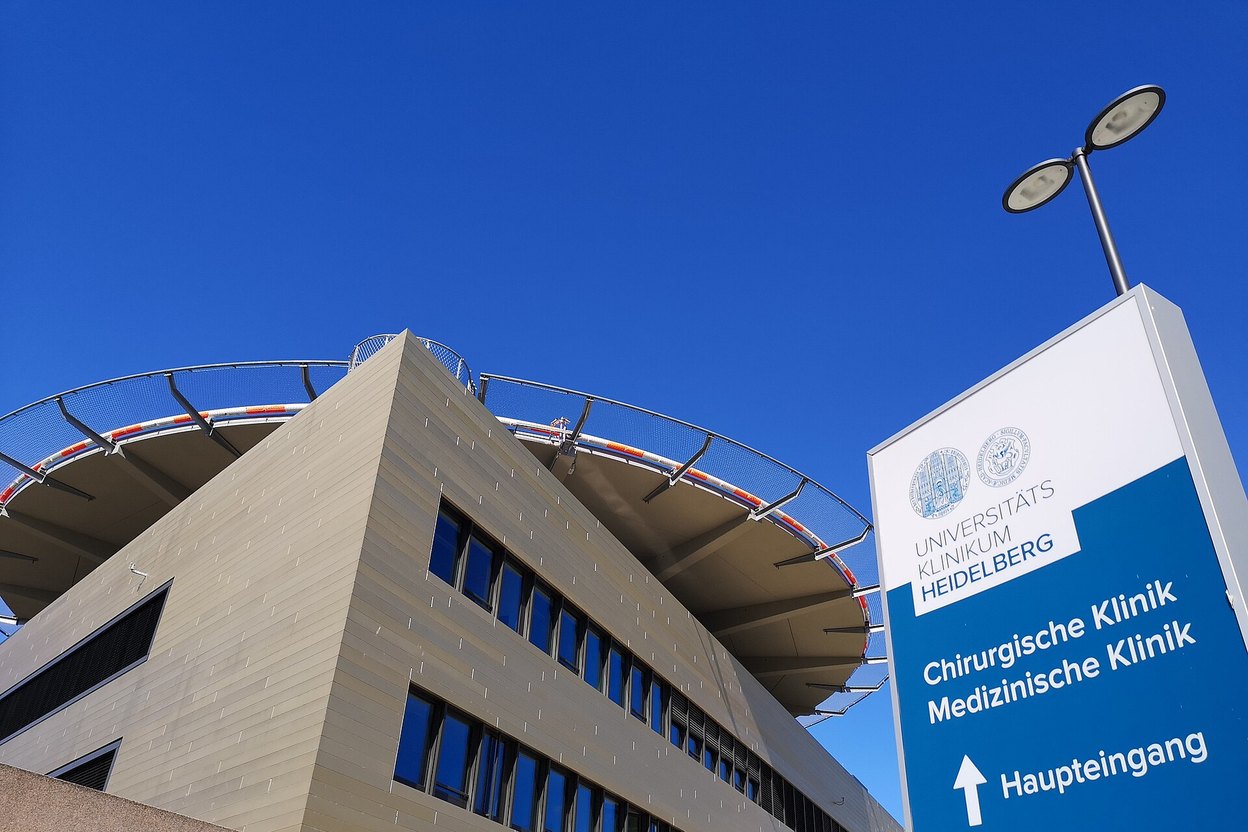
Heidelberg University Hospital is one of the largest and most established medical complexes in southwestern Germany, situated in the historic city of Heidelberg within the state of Baden-Württemberg. The medical centre encompasses 50 specialized clinical departments, 11 theoretical institutes, and offers approximately 2,599 inpatient beds. Patients facing complex diagnoses, rare medical conditions, or cases requiring interdisciplinary board evaluations frequently seek care at such comprehensive academic institutions. While various hospitals in Germany provide high standards of healthcare, university medical centres are particularly distinguished by their direct integration of advanced clinical research into daily patient management. Preparing for a medical journey to such a facility requires a clear understanding of its organizational structure, diagnostic capabilities, and administrative procedures.
History and Year of Foundation
The history of the medical faculty and its hospital predecessors in Heidelberg dates back to 1388, making it the oldest university medical institution in Germany. Over the centuries, small hospital wards gradually transformed into a modern academic health system where scientific research and practical clinical care progress hand in hand. For international patients, this long-standing historical background translates primarily into continuity of clinical experience, refined diagnostic protocols, and structured interdisciplinary cooperation. Every department has developed its clinical guidelines over generations, fostering optimal conditions for precise differential diagnosis in complicated medical cases.
Today, the academic medical complex in Heidelberg unites clinical inpatient facilities with specialized research institutes. This integrated organizational framework facilitates the immediate application of scientifically grounded therapeutic protocols when managing severe or multifaceted health conditions. In university hospitals, clinical trials and laboratory discoveries are rapidly translated into routine patient care standards. Individuals seeking comprehensive diagnostics in Germany benefit directly from these rigorous academic standards and structured quality control mechanisms. The high level of organization across all departments ensures transparent medical coordination between surgical, diagnostic, and therapeutic specialties.
Departments and Specialisations
- Department of Anaesthesiology (Klinik für Anästhesiologie)
- Department of Diagnostic and Interventional Radiology (Klinik für Diagnostische und Interventionelle Radiologie)
- Department of Palliative Medicine (Klinik für Palliativmedizin)
- Centre for Child and Adolescent Medicine (Zentrum für Kinder- und Jugendmedizin)
- Centre for Orthopaedics, Trauma Surgery and Paraplegiology (Zentrum für Orthopädie, Unfallchirurgie und Paraplegiologie)
- Institute of Human Genetics (Institut für Humangenetik)
- Centre for Infectious Diseases (Zentrum für Infektiologie)
- Centre for Personalised Medicine (Zentrum für Personalisierte Medizin)
- Centre for Rare Diseases (Zentrum für Seltene Erkrankungen)
- Heidelberg Institute for Cardiomyopathies (Institut für Cardiomyopathien Heidelberg)
The multidisciplinary structure of the medical centre encompasses key branches of contemporary clinical practice. Within the Centre for Orthopaedics, Trauma Surgery and Paraplegiology, surgical teams perform complex interventions on the musculoskeletal system, a major area of interest for patients inquiring about orthopaedics and joint replacement in Germany. Specialized pediatric care is delivered in the Centre for Child and Adolescent Medicine, structured to support young patients alongside their families. Specialized units such as the Institute for Cardiomyopathies focus on complex cardiac conditions, developing targeted treatment strategies based on genetic and advanced diagnostic evaluation.
Cross-departmental institutions, including the Centre for Rare Diseases and the Centre for Personalised Medicine, enable the thorough evaluation of non-standard clinical presentations that require tailored therapeutic concepts. In the Department of Diagnostic and Interventional Radiology, precise imaging technology allows high-definition visualization of oncological, vascular, and neurological conditions. When patients seek options for complex medical treatment in Germany involving oncology or complex systemic disorders, treatment strategies are developed during regular interdisciplinary medical boards where surgeons, radiologists, and oncologists collaborate to plan every phase of therapy.
Where the Hospital is Located
The main campus of Heidelberg University Hospital is located in the western part of Heidelberg, on the right bank of the Neckar River in the Neuenheimer Feld district. This designated medical and scientific district brings together clinical departments, theoretical institutes, and research buildings in close geographic proximity. This unified campus design offers significant convenience for patients undergoing multi-stage evaluations, as moving between specialized departments does not require lengthy travel across the city. Heidelberg itself provides a calm environment and pleasant natural surroundings, creating favorable conditions for recuperation during inpatient stays or outpatient appointments.
Traveling to the hospital is straightforward from major international transport hubs such as Frankfurt Airport or Stuttgart Airport, both connected to Heidelberg by high-speed rail and regional train connections. From Heidelberg Central Station, public trams and buses run directly to the Neuenheimer Feld campus at frequent intervals. Dedicated parking facilities are available across the campus grounds for those arriving by personal car or taxi. Patients receive exact building locations and travel instructions directly in their official clinic invitation letter. When preparing for travel, the AlenMed team assists in planning convenient routes and arranging airport transfers.
Catering, Rooms, and Leisure
Inpatient accommodation in German university hospitals is designed to maintain a quiet, functional, and supportive environment for recovery. Patients are accommodated in standard double or single rooms equipped with modern adjustable hospital beds, private sanitary facilities, television, and wireless internet access (WLAN). Upon request and subject to availability, enhanced accommodation options (Wahlleistung) can be arranged, offering comfortable single rooms with additional personal amenities. Cafeterias and dining options located throughout the campus provide daily meals and refreshments for patients and accompanying relatives.
During their stay, patients can utilize the green park areas and gardens located within the campus grounds for relaxing walks in the fresh air. In the pediatric departments, dedicated playrooms are available to help children maintain a comfortable routine between medical treatments. Visiting hours for family members are governed by departmental schedules, ensuring that proper rest periods are maintained for all patients during evening hours. Balanced medical supervision, organized nutrition, and accessible outdoor spaces combine to support emotional well-being throughout complex diagnostic or post-operative phases.
How to Access Treatment
The process of organizing medical care begins with gathering complete clinical documentation, including physician summaries, histology reports, and digital imaging files such as MRI or CT scans. By submitting these records through an international coordinator, the case is presented to specialized medical heads for detailed preliminary review. Based on this evaluation, the hospital issues an official preliminary cost estimate known as a Kostenvoranschlag. The advance payment deposit is paid by the patient directly to the hospital’s official bank account. To ensure professional arranging medical treatment in Germany, AlenMed assists in translating records and submitting them directly to the appropriate department.
Following confirmation of the deposit payment, the hospital issues an official medical invitation required for obtaining a medical entry visa. To ensure effective communication during consultations, diagnostic procedures, and ward rounds, patients can be accompanied by a qualified medical interpreter in Germany. The interpreter assists during doctor discussions, helps translate discharge documentation, and ensures clarity regarding treatment plans. The AlenMed team coordinates all administrative details, including airport meetings, transfer arrangements, local housing options for accompanying family members, and ongoing support throughout the patient’s stay.
Send Documents
If you or your family member require medical evaluation, diagnosis, or treatment at Heidelberg University Hospital, you can send your existing medical records and diagnostic images for review. Please submit your request through our free application form. Our medical coordination team will assist in translating your documentation into German, submitting your case to specialized department doctors, obtaining an official cost estimate, and organizing every step of your medical journey with comprehensive personal support.
The information on this page is provided for general reference purposes only and does not constitute a public offer or direct medical recommendation. Financial calculations and final treatment costs are determined exclusively on the basis of an official cost estimate (Kostenvoranschlag) issued directly by the German medical facility after reviewing the patient’s medical documentation.