 EN
EN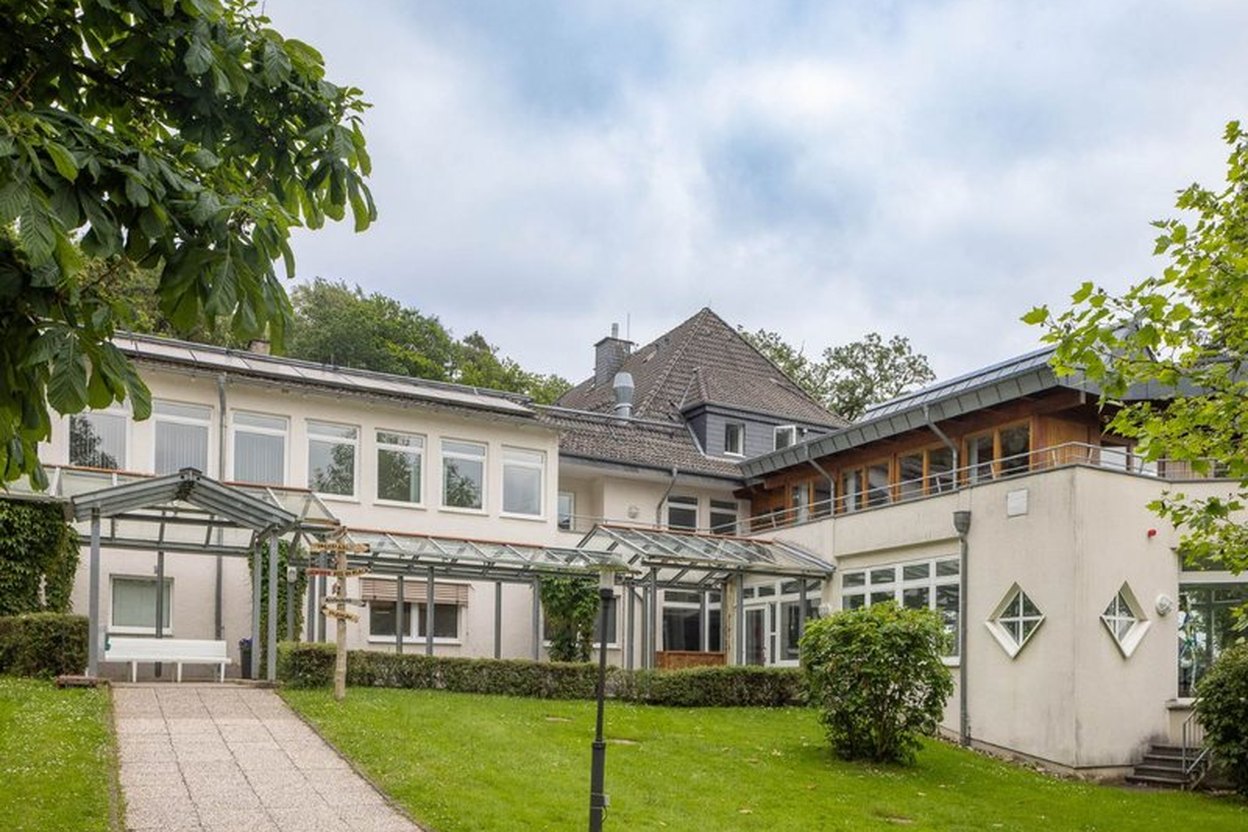
Median Rehabilitation Clinics represents one of the largest networks of specialised rehabilitation centres and specialized medical facilities operating across Germany. Headquartered in Berlin, this extensive healthcare group manages numerous inpatient clinics and treatment centres, providing comprehensive restorative care for domestic and international patients recovering from acute medical conditions, complex operations, or long-term chronic illnesses. The primary mission of this clinical network centers on restoring lost physical, cognitive, and sensory functions caused by surgical procedures, traumatic injuries, or vascular events. Receiving rehabilitation in Germany within these specialised facilities relies on structured evidence-based therapy, multidisciplinary medical teams, and modern diagnostic and training equipment. For patients traveling from abroad, the network offers an established clinical structure capable of addressing complex neurological, orthopaedic, and cardiovascular conditions.
History and Founding Year
The clinical history of the healthcare enterprise dates back to 1970, when the first foundational structures of the current medical group were established in Germany. Throughout the initial forty years of operation, the development and growth of the organization were shaped by its founders and long-standing managing directors, Erich Marx and Axel Steinwarz. Under their leadership, the group grew from localized health institutions into a modern, structured system of specialized rehabilitation hospitals. In 2009, the founders transferred their financial equity to international private equity organizations Advent International and Marcol. This strategic transaction facilitated a planned management succession while providing substantial private capital to upgrade clinical technology, renovate inpatient facilities, and expand specialized medical departments across multiple regional locations.
A new phase of institutional expansion began in 2014, when private equity firm Waterland Private Equity acquired controlling shares in the group. Following this transaction, the enterprise merged with RHM Klinik- und Altenheimbetriebe, an established provider of acute hospital services and nursing care facilities. This consolidation significantly expanded the total capacity of the group, increasing its network to over 120 rehabilitation clinics, specialized acute hospitals, outpatient therapy centers, and residential care facilities with approximately 18,000 beds. Today, the organization employs roughly 17,000 healthcare professionals and support staff across Germany. This historical trajectory reflects a clear transition from traditional health resort medicine to highly regulated clinical rehabilitation based on standardized treatment guidelines.
Departments and Specialties
- Neurological rehabilitation (Neurologische Rehabilitation)
- Orthopaedic rehabilitation and traumatology (Orthopädie)
- Cardiac rehabilitation (Kardiologische Rehabilitation)
- Psychosomatic medicine and psychotherapy (Psychosomatik)
- Addiction medicine and re-integration (Suchtmedizin)
- Oncological rehabilitation (Onkologische Rehabilitation)
- Pulmonology and respiratory recovery (Pneumologie)
- Schmannewitz Rehabilitation Centre (Zentrum für Rehabilitation Schmannewitz)
- Bad Dürkheim Psychosomatic Clinic (Klinik für Psychosomatik Bad Dürkheim)
- Bernkastel-Kues Psychosomatic Clinic (Klinik für Psychosomatik Bernkastel-Kues)
Each specialized division within the hospital group is tailored to resolve specific medical challenges and help patients regain functional independence. In dedicated neurological units, comprehensive care is provided to individuals suffering from acute or progressive central nervous system damage. In particular, neurological rehabilitation in Germany supports patients in rebuilding motor skills, speech articulation, and daily living capabilities after ischemic strokes, brain trauma, or major neurosurgical interventions. Multidisciplinary medical teams—including neurologists, occupational therapists, speech therapists, and neuropsychologists—utilize advanced robotic equipment, sensor-assisted training units, and structured exercise regimens to stimulate neuroplasticity and prevent secondary complications.
The orthopaedic departments specialize in early post-operative restoration after major joint replacements, complex fractures, spinal surgery, and severe sports injuries. Undergoing structured orthopaedic rehabilitation in Germany helps restore joint mobility, correct gait biomechanics, and manage post-surgical pain under expert supervision. Similarly, dedicated cardiovascular units offer targeted cardiac rehabilitation in Germany for individuals recovering from acute myocardial infarction, coronary artery bypass surgery, or valve repair procedures. Furthermore, specialized oncology departments deliver comprehensive rehabilitation after cancer treatment in Germany, addressing post-chemotherapy fatigue, physical weakness, and functional impairments.
Location and Accessibility
While the administrative headquarters of the company is situated in the city of Berlin, its actual rehabilitation centers and specialized hospitals are located across numerous federal states throughout Germany. A large number of these inpatient clinics are built in recognized health resort towns, adjacent to extensive forest parks and natural landscapes. This environment is intentionally chosen because fresh air, low noise levels, and natural surroundings contribute significantly to psychological calm and physical recuperation. The selection of a specific branch for an individual patient depends on their medical condition, mobility requirements, and the availability of specialized diagnostic machinery and medical experts at that particular clinic site.
International patients planning their medical travel to Germany usually arrive through major international aviation hubs, including Berlin, Frankfurt, Munich, or Düsseldorf. From these airports, comfortable ground transportation or medical transfers are arranged to bring the patient directly to their assigned rehabilitation facility. The precise street address, travel routes, public transport connections, and hospital parking instructions are provided in the official clinic invitation letter sent prior to departure. Receiving these travel details in advance allows patients and their accompanying family members to organize their trip smoothly and without unnecessary stress.
Accommodation, Dining, and Leisure Facilities
The accommodation facilities in these rehabilitation centers are engineered to balance clinical safety with daily personal comfort. Inpatient rooms feature electronically adjustable medical beds, emergency call buttons accessible from both the bed and the bathroom, and barrier-free sanitary facilities adapted for patients with reduced mobility or wheelchair reliance. Rooms are equipped with high-speed wireless internet access, television screens, and quiet seating areas. Depending on individual preferences and medical requirements, accommodation can be booked in single or double rooms, with additional arrangements available for accompanying relatives or caregivers upon advance request.
Dining services are organized around balanced daily menus created in close cooperation with clinical nutritionists to support healing and adhere to specific medical diets. Patients and visitors also have access to on-site cafeterias, reading areas, and quiet lounges designed for relaxation between therapy sessions. The outer grounds of the clinics typically feature manicured parks and flat walking trails designed for graduated gait exercises in the open air. This calm and therapeutic atmosphere reduces emotional stress throughout extended inpatient stays, supporting psychological recovery alongside intensive physical rehabilitation.
How to Arrange Treatment
The process of arranging inpatient rehabilitation begins with submitting recent medical records, including detailed medical histories, surgical summaries, discharge letters, and diagnostic imaging scans like CT or MRI. Medical specialists examine these documents to evaluate the patient’s rehabilitation potential and choose the optimal facility branch. Following this review, the hospital issues an official preliminary cost estimate (Kostenvoranschlag), detailing planned diagnostic tests, daily therapy schedules, nursing care levels, and accommodation costs. Understanding the expected cost of treatment and payment in Germany gives international families full financial clarity before traveling.
All medical fees are paid directly to the official bank account of the clinic group, ensuring total financial transparency without intermediate markups or hidden surcharges. Once payment or official cost coverage is confirmed, the hospital issues a formal invitation letter required for obtaining a medical visa at the German embassy. The team at AlenMed takes care of administrative support, coordinating arrival dates, arranging airport transfers, and assigning an experienced medical interpreter in Germany. This personal assistance ensures seamless communication during medical consultations, therapy explanations, and daily administrative matters.
Submit Documents for Free Medical Review
If you or your family member need professional inpatient rehabilitation after a complex operation, traumatic injury, or severe medical illness, submit your latest medical records for review. German medical experts will evaluate the case, confirm treatment feasibility, and request a preliminary cost estimate from the appropriate specialized clinic. You can upload your medical documents for a free preliminary evaluation using the contact form on our treatment request page.
This article is provided for informational purposes only and does not constitute a formal medical offer or clinical diagnosis. The final treatment program, stay duration, and total cost are determined individually by the treating medical institution based on the complete medical records provided.