 EN
EN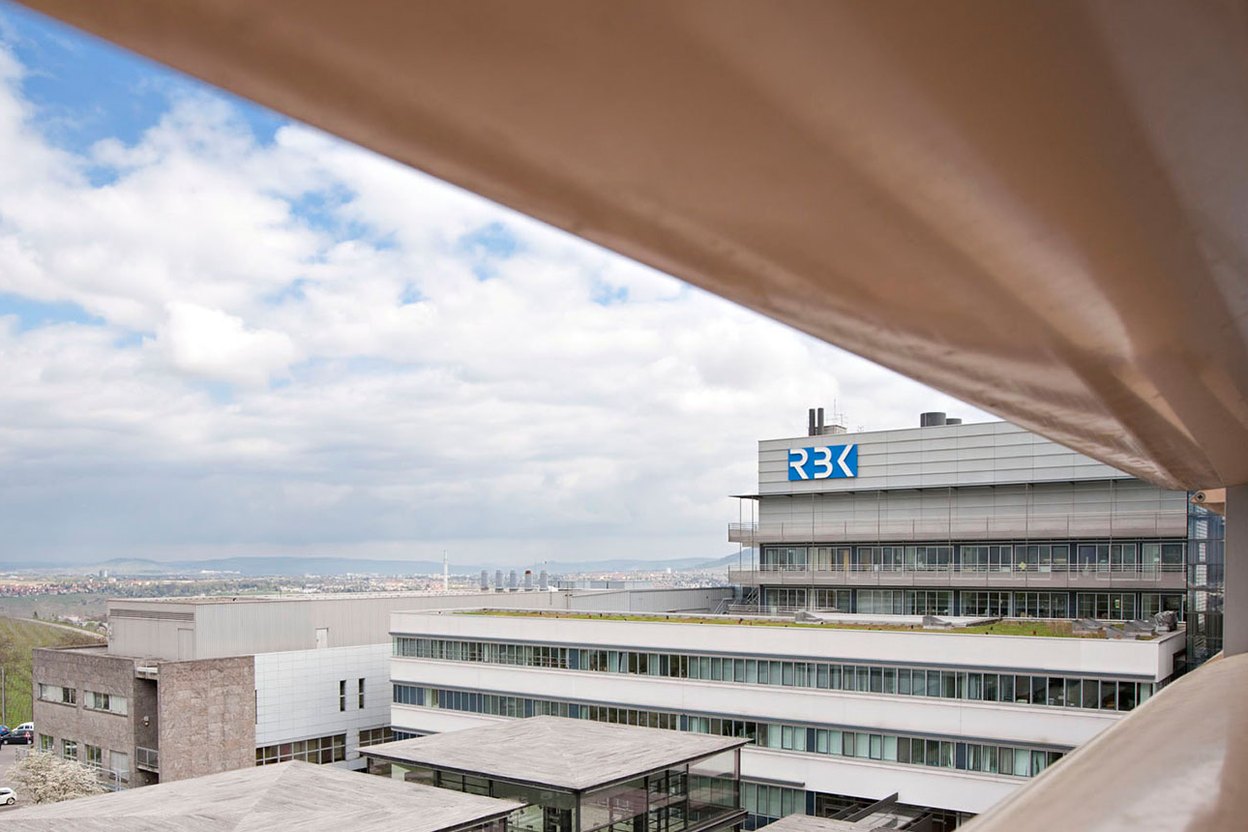
The Robert Bosch Hospital in Stuttgart represents a major academic teaching medical center established through a private foundation initiative in Baden-Württemberg. Situated in the Bad Cannstatt district of the city, this institution combines traditional academic medicine with modern standards of comprehensive clinical care. International patients exploring Hospitals in Germany for planned treatment or specialised surgical procedures value this hospital for its multidisciplinary approach and expertise in cardiovascular surgery, joint replacement, and internal medicine. The clinical process here relies on systematic collaboration between various specialist departments, ensuring that treatment plans are thoroughly evaluated by interdisciplinary teams. This cooperative structure allows for precise diagnostic pathways and tailored therapeutic strategies without unnecessary procedural delays or redundant diagnostic testing.
History and Foundation
The history of the hospital began in 1915 when the industrialist and philanthropist Robert Bosch established a foundation initiative for a homeopathic hospital in Stuttgart, providing three million marks to close a regional care gap. In 1921, a temporary facility with 70 beds opened in Marienstraße to serve local patients. By 1936, coinciding with the founder’s 75th birthday and the 50th anniversary of his company, detailed plans were launched for a new foundation complex on the Pragsattel. The new hospital on Hahnemann-Straße officially opened on 10 April 1940 with over 300 beds. As postwar medical demands expanded, construction of a larger modern complex began in 1969 on the Bergheide height.
The contemporary hospital complex on Bergheide was formally inaugurated on 28 March 1973, allowing the former building to be repurposed for municipal public services. In 1978, the hospital was appointed an Academic Teaching Hospital of the University of Tübingen, solidifying its commitment to medical research and physician training. A dedicated cardiac surgery department was added in 1984, significantly expanding the facility’s capacity for complex cardiovascular interventions. Today, the hospital continues to bridge academic scientific findings from Tübingen with daily clinical practice, ensuring high standard diagnostic precision, patient safety, and structured professional development for all attending medical personnel.
Departments and Specialties
- Center for Main Artery and Aortic Diseases (Zentrum für Erkrankungen der Hauptschlagader)
- Center for Knee and Hip Replacement (Zentrum für Gelenkersatzoperationen an Knie und Hüfte)
- Heart Center (Zentrum für Herzerkrankungen)
- Center for Geriatric Traumatology (Zentrum für Alterstraumatologie)
- Center for Oesophageal Diseases (Zentrum für Speiseröhrenerkrankungen)
- Center for Weaning from Mechanical Ventilation (Zentrum für Beatmungsentwöhnung)
- Clinic for Geriatric Rehabilitation (Klinik für Geriatrische Rehabilitation)
- Department of Psychosomatic Medicine (Abteilung für Psychosomatische Medizin)
The specialized centers within the hospital provide targeted care for complex vascular, cardiac, and musculoskeletal conditions. In the Heart Center and vascular departments, physicians offer comprehensive diagnostic evaluations and advanced interventions, including complex aortic and coronary procedures within Cardiology in Germany. The joint replacement center focuses on primary and revision endoprosthetic procedures for severe osteoarthritis or traumatic joint damage using modern principles of Orthopaedics and joint replacement in Germany. Furthermore, the specialized center for oesophageal diseases handles intricate surgical and endoscopic procedures for upper gastrointestinal tract conditions, supporting full post-operative functional recovery.
Specialized units for geriatric rehabilitation and mechanical ventilation weaning cater to elderly patients and individuals recovering from major surgical interventions. Patients seeking targeted oncological evaluations receive thorough diagnostic workups, similar to protocols used for Cancer Diagnosis in Germany, ensuring precise staging and tissue identification. The integration of specialized centers guarantees seamless continuity of care, guiding patients from initial diagnostic testing through surgery to structured physical rehabilitation. Every individual remains under the continuous supervision of an interdisciplinary team comprising operating surgeons, internists, physical therapists, and rehabilitation specialists.
Location and How to Get There
The medical complex is located in Stuttgart, within the Bad Cannstatt district’s Birkenäcker area, right next to the Burgholzhof neighborhood. Situated on a scenic green elevated site, the hospital environment offers a peaceful atmosphere conducive to recovery and healing after major surgical procedures or intensive therapy programs. Stuttgart’s public transportation network makes reaching the hospital straightforward from the central railway station or the international airport. For patients and accompanying family members traveling by private or rental car, a multi-level parking garage (Parkhaus) is available directly on the hospital grounds. Its convenient connection to key highways makes arrival straightforward for local and international visitors alike.
The exact street address, detailed routing instructions, and check-in procedures are provided to the patient alongside their official hospital invitation letter. When planning international travel for medical treatment, organizing arrival logistics, airport transfers, and family accommodation in advance remains essential. Whether you require a Full body examination in Germany or specialized surgical intervention, transfer coordination ensures smooth transit from the airport to the ward. The hospital administrative team is informed of your scheduled arrival time, eliminating registration delays and enabling the immediate commencement of planned medical evaluations.
Patient Comfort, Rooms, and Amenities
Inpatient accommodation at the hospital is designed to meet the practical and personal needs of patients and their accompanying relatives. The hospital grounds feature a comfortable cafeteria and kiosk offering hot beverages, fresh newspapers, and essential personal items for daily convenience. Patients select their daily meals from an updated menu (Speiseplan) tailored to specific dietary requirements and medical guidelines. Accommodation options include standard patient rooms as well as elective comfort rooms (Wahlleistung), featuring single or double rooms (Zweibettzimmer) equipped with adjustable hospital beds, television, and wireless internet access (WLAN). Visiting hours (Besuchszeit) are structured flexibly so that relatives (Angehörige) can comfortably visit and support their loved ones.
A well-maintained park and garden area on the hospital grounds provide pleasant surrounding space for gentle outdoor walks during recovery periods. The main hospital building also features a quiet chapel for reflection, an on-site hairdresser, and a library service. In German hospital infrastructure, patient comfort is considered an integral part of healing, as emotional well-being directly influences physical recovery and tissue healing after surgery. Staying in a well-equipped room with private sanitary facilities and digital amenities allows international patients to feel safe and relaxed throughout their stay. Routine daily requests, including meal choices for accompanying relatives, are efficiently coordinated by ward service personnel.
How to Arrange Treatment
Arranging medical treatment at the Robert Bosch Hospital requires submitting complete medical documentation, including recent diagnostic imaging, clinical summaries, and laboratory test results. German medical specialists carefully review the submitted files to formulate a preliminary diagnostic plan and cost estimate (Kostenvoranschlag). Understanding these detailed estimates helps patients clarify the expected Cost of Treatment and Payment in Germany before traveling abroad. Following plan confirmation and financial clearance, the hospital issues an official invitation letter necessary for securing a medical visa. All payments for hospital services are made directly to the hospital’s official account without third-party surcharges.
To navigate language barriers smoothly and ensure accurate medical communication, foreign patients often rely on professional administrative assistance. Working with experienced coordinators provides complete support, including a Medical interpreter in Germany who accompanies you during clinical rounds, diagnostic tests, and specialist consultations. Professional language assistance ensures precise understanding of diagnostic findings, treatment options, and post-discharge recommendations. Additionally, administrative coordinators assist with medical document translation, local transport arrangements, and ongoing communication with hospital ward staff throughout your stay.
Send Your Medical Documents
If you are planning diagnostic evaluation or specialized treatment in Stuttgart, submit your existing medical records, discharge summaries, and diagnostic images to AlenMed for a thorough preliminary evaluation. Our team will forward your medical documentation to experienced German specialists to obtain a tailored treatment proposal and an official cost estimate from the hospital. To request a free assessment of your case and receive guidance on the next steps, please fill out the contact form on our website, and a personal medical coordinator will contact you promptly to assist with all organizational details.
The information provided on this page is for informational purposes only and does not constitute a public offer or professional medical advice. The final diagnostic scope, treatment plan, and overall costs are determined exclusively after reviewing original medical records and are specified in the official cost estimate (Kostenvoranschlag) issued by the hospital.