 EN
EN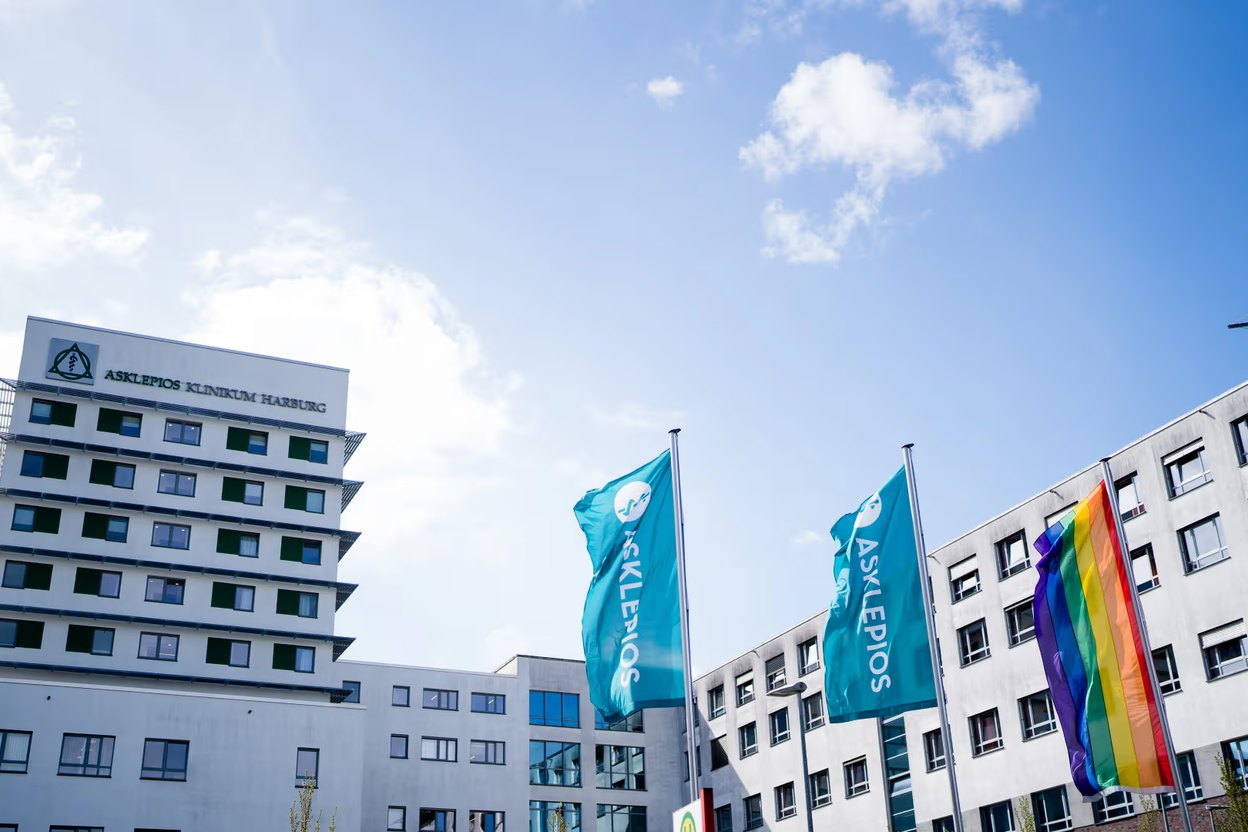
The Asklepios Hospitals group in Hamburg forms one of the largest regional medical hospital networks in Northern Germany, providing comprehensive inpatient and outpatient care across numerous medical disciplines. International patients seeking specialized medical evaluation or advanced surgical procedures often consider major hospital networks in Hamburg when local treatment options remain limited or when a complex diagnosis requires detailed clarification. Accessing therapy within this structured network allows foreign patients to undergo thorough diagnostic evaluations, receive modern therapeutic protocols, and benefit from the standardized quality management of German hospital care. By offering coordinated care spanning hematology, oncology, general surgery, and rehabilitation, the network addresses complex health conditions under rigorous clinical guidelines.
History and Founding Year
The history of the Hamburg branch of the network began in 2007 when Asklepios Kliniken acquired a 74.9 percent stake in the state-owned hospital enterprise Landesbetrieb Krankenhäuser Hamburg (LBK). This structural transition laid the groundwork for modernizing several existing municipal clinics across the metropolitan area and integrating them into a unified clinical infrastructure. Transforming public hospitals into a structured healthcare group enabled centralized procurement of advanced diagnostic technology, standardized treatment protocols, and extensive renovations of ward facilities. Today, the Hamburg division represents a fundamental pillar of healthcare in Northern Germany, operating numerous specialized departments and outpatient medical centers that serve thousands of local and international patients annually.
Since establishing this integrated structure in 2007, the medical network has continually expanded its surgical, diagnostic, and therapeutic capabilities across its Hamburg facilities. With annual revenues exceeding 1.5 billion euros, the network maintains significant operational strength, ensuring continuous investments in medical infrastructure and specialized physician training. For patients travelling from abroad, the scale of such a network offers structural stability, access to multidisciplinary medical boards, and seamless transfers between specialized clinical departments. As noted in medical articles on treatment in Germany, large hospital networks ensure uninterrupted care even when complex multi-organ conditions require immediate collaboration between specialists in different fields.
Departments and Specialties
The clinical structure of the network includes specialized outpatient centers and comprehensive hospital departments tailored for detailed diagnostics and therapy. Among its specialized units is the outpatient practice for internal medicine, hematology, and oncology (Praxis für Innere Medizin — Hämatologie/Onkologie Paul-Ehr), which focuses on managing systemic blood disorders and solid tumors. Beyond oncological care, the network encompasses surgical departments, cardiovascular centers, neurological units, and specialized rehabilitation facilities. Having multiple specialized disciplines under a single organizational umbrella facilitates efficient diagnostic pathways and streamlined interdisciplinary consultations.
- Department of Internal Medicine, Hematology, and Oncology (Praxis für Innere Medizin — Hämatologie/Onkologie Paul-Ehr)
- Department of General and Visceral Surgery
- Cardiology and Cardiovascular Surgery Center
- Department of Neurology and Neurosurgery
- Orthopedics and Joint Replacement Center
- Department of Urology and Nephrology
- Gynecology and Gynecological Oncology Center
- Department of Pulmonology and Thoracic Surgery
- Intensive Care and Resuscitation Unit
- Department of Diabetology and Endocrinology
When presenting with complex oncological or hematological conditions, patients undergo detailed diagnostic protocols to determine exact cellular types and molecular markers. Modern cancer diagnosis in Germany relies strictly on evidence-based medicine, ensuring that tissue biopsies, histopathology assessments, and advanced imaging scans are executed swiftly. Across the surgical and medical departments of Asklepios Hospitals, clinical emphasis is placed on minimally invasive surgical techniques, organ-preserving procedures, and individualized chemotherapy regimes tailored to current guidelines. When patients present with concurrent medical conditions, specialists from adjacent disciplines join the care team, minimising clinical risks during intervention.
Doctors at the Hospital
Medical departments across the network are headed by experienced senior physicians who direct diagnostic protocols and complex therapeutic plans. The senior medical leadership includes specialists such as Dr. Oliver Trapp, Prof. Dr. med. Daniel Perez, and Prof. Dr. med. Gunter Nils Schmidt. Clinical operations and specialized therapeutic sections are also supervised by Dr. med. Larissa Henze and Dr. med. Michael Hartwich. Each department head coordinates multidisciplinary medical boards, evaluates intricate case studies, and oversees patient management in complex clinical scenarios. Patients undergoing treatment under their guidance benefit from structured treatment pathways and close interdisciplinary coordination across all stages of care.
Location and Accessibility
The facilities of Asklepios Hospitals are distributed across Hamburg, a major economic and transportation hub in Northern Germany. Hamburg features excellent international connectivity through Hamburg Airport and a well-developed central railway station, making travel convenient for international patients and their accompanying family members. Because the network’s clinics are situated in various municipal districts, patients can be directed to the specific campus that specializes in their condition without unnecessary regional transfers. The city’s extensive public transit network, including underground lines, suburban trains, and bus routes, provides straightforward access to each hospital campus, while parking facilities are available on-site for personal vehicles.
The precise address of the designated hospital wing, along with detailed arrival instructions, is provided to the patient during the administrative enrollment process. When the official medical invitation is issued, it specifies the exact department name, building number, street details, and recommended transit routes from the airport or train station. Whether travelling for specialized evaluations or seeking gastroenterology treatment in Germany, all logistical details are prepared in advance. The medical organization team assists with scheduling airport transfers so that patients arrive punctually for their initial consultations and clinical admissions.
Meals, Rooms, and Leisure
Inpatient accommodation within the network’s hospitals follows standard German clinical guidelines, emphasizing patient comfort and medical safety. Wards feature modern functional hospital beds, direct nurse call systems, and private en-suite sanitary facilities designed for accessibility. Depending on personal preferences and clinical availability, patients can select single-occupancy or double-occupancy rooms as an optional service upgrade. To support patient comfort during recovery, rooms are equipped with wireless internet access (WLAN), television, and radio, allowing individuals to maintain contact with family members throughout their stay.
Daily meals in German hospitals are organized around customized menu options tailored to dietary requirements and medical indications. Patients select their daily meals from available menus, including vegetarian, hallal, or diabetic choices, provided these align with attending physician recommendations. Hospital campuses also offer on-site cafeterias and visitor lounges where patients and their families can relax between medical appointments. Landscaped green spaces and walking paths surrounding the hospital buildings provide peaceful outdoor environments that support physical recovery and general well-being during hospital stays.
How to Arrange Treatment
Organizing medical care at Asklepios Hospitals begins with collecting and reviewing medical reports, laboratory results, and recent CT or MRI imaging scans. The team at AlenMed helps prepare and translate the medical file for review by clinical specialists, who determine medical feasibility and formulate an initial treatment plan. Following case review, the hospital issues an official cost estimate (Kostenvoranschlag), detailing planned diagnostic measures, therapeutic interventions, and estimated hospital stay costs. Transparent financial management ensures that patients remit payment directly to the hospital’s official bank account without hidden surcharges.
Once the required deposit based on the cost estimate is confirmed, the hospital issues an official medical invitation required for travel documentation. Our service coordinates the application for a medical visa for Germany and handles all local travel arrangements. Upon arrival at the clinic, patients are accompanied by a qualified medical interpreter and support specialist from AlenMed to bridge language barriers during consultations and procedures. Comprehensive support in arranging medical treatment in Germany enables patients to concentrate entirely on their health and recovery.
Submit Your Medical Documents
If you or your family member require diagnostic evaluation or specialized medical therapy in a German hospital, you can submit your medical records for a preliminary review. Complete the contact form on our website and upload your current medical summaries, laboratory tests, and imaging reports. Our medical coordinator will contact you promptly to clarify details and forward your documentation to appropriate German specialists for an expert opinion and formal cost estimate.
The information on this page is for informational purposes only and does not replace professional medical advice. Final treatment plans and costs are established in the official cost estimate (Kostenvoranschlag) issued by the hospital after reviewing medical records.