 EN
EN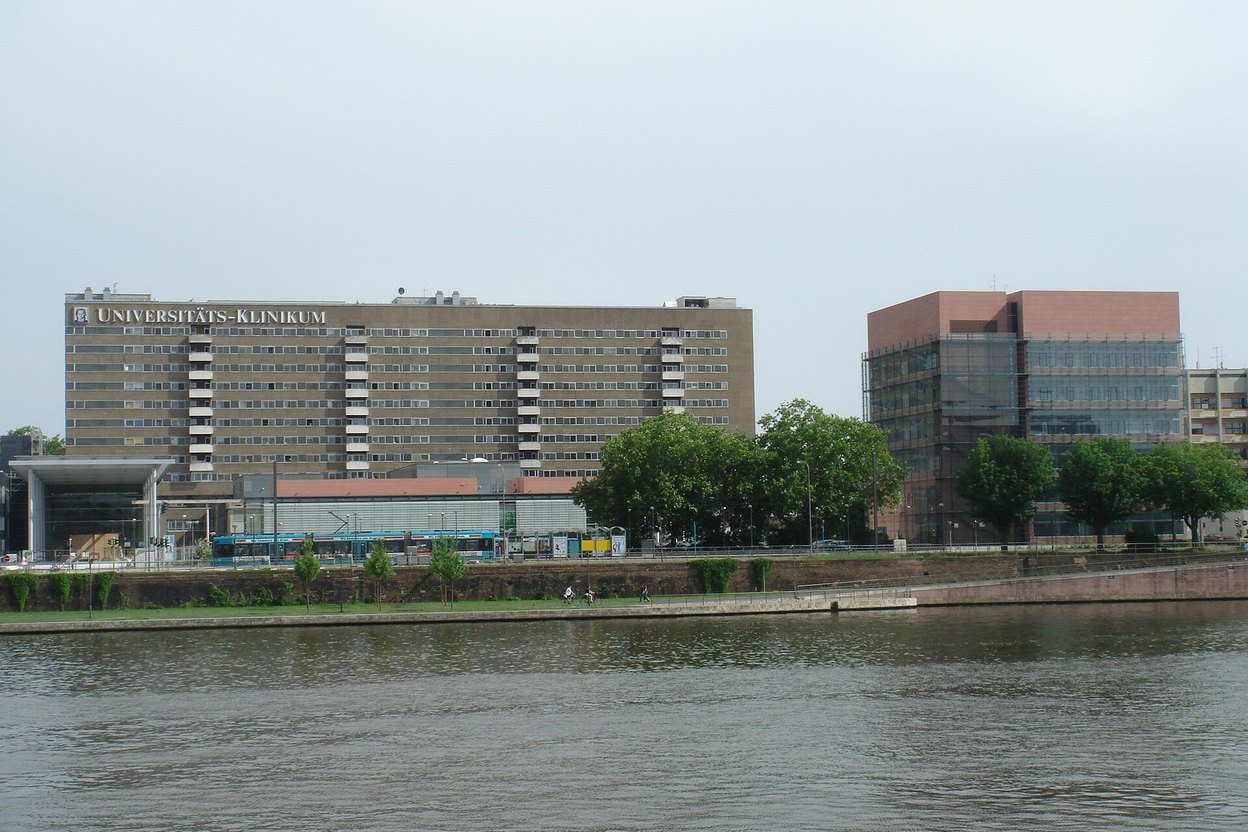
The University Hospital Frankfurt (Universitätsklinikum Frankfurt) is a major public medical center for maximum care, located in Frankfurt am Main, Germany. Operating under the official name Universitätsmedizin Frankfurt, this institution closely integrates clinical care, medical research, and academic education. International patients seeking specialized medical care frequently turn to major hospitals in Germany when facing complex medical conditions that demand interdisciplinary medical expertise. The medical complex provides specialized services in surgical oncology, organ transplantation, and emergency care. By connecting clinical departments directly with research institutes, the hospital applies modern, evidence-based diagnostic and therapeutic protocols in everyday clinical practice.
History and Foundation
The history of academic medicine in Frankfurt am Main spans over a century of continuous medical and scientific development. In 1890, the Carolinum dental institute was founded, serving as one of the key pillars for the future university medical center. A significant milestone was achieved in 1899 with the opening of the Royal Institute for Experimental Therapy under the leadership of Paul Ehrlich, establishing a strong scientific base in the city. Civic leaders and local foundations actively pursued plans to merge existing municipal hospitals and research institutes into an integrated academic institution. On September 28, 1912, the official founding agreement for the university was signed, and in 1914 the university and its medical faculty formally began operations.
The medical faculty was formed by combining the municipal clinical facilities in the Sachsenhausen district with several established research institutes. Philanthropic contributions from local citizens and foundations played a critical role in providing the necessary financial support for the institution’s establishment. Over the decades, the medical center expanded its clinical departments, updated its technological infrastructure, and enlarged its scientific research capacity. Today, operating under the brand Universitätsmedizin Frankfurt, the hospital maintains a strong commitment to integrating practical healthcare, medical education, and scientific research. This long-standing historical continuity supports high standards of patient care across all medical disciplines.
Departments and Specialties
- Department of Ophthalmology (Klinik für Augenheilkunde)
- Department of Dermatology, Venereology and Allergology (Klinik für Dermatologie, Venerologie und Allergologie)
- Department of Obstetrics and Gynaecology (Klinik für Frauenheilkunde und Geburtshilfe)
- Department of Otorhinolaryngology (Klinik für Hals-, Nasen-, Ohrenheilkunde)
- Department of Paediatrics and Adolescent Medicine (Klinik für Kinder- und Jugendmedizin)
- Center for Intensive Care Medicine (Zentrum für Intensivmedizin)
- Center for Congenital Malformations (Zentrum für Angeborene Fehlbildungen)
- Institute of Occupational, Social and Environmental Medicine (Institut für Arbeits-, Sozial- und Umweltmedizin)
- Center for Molecular Medicine (Zentrum für Molekulare Medizin)
- Institute of General Practice (Institut für Allgemeinmedizin)
The structure of the medical center encompasses specialized clinical departments and research institutes capable of addressing highly complex medical conditions. Patients consult the clinic for advanced surgical interventions, intensive care, and specialized treatment options, including modern cancer treatment in Germany. The Department of Obstetrics and Gynaecology manages female health and complex deliveries, while dedicated paediatric units provide specialized care for newborns, children, and adolescents. Furthermore, specialized units such as the Center for Congenital Malformations and the Center for Intensive Care Medicine provide critical care for patients of all ages suffering from life-threatening conditions.
An interdisciplinary structure guarantees that patients with complex secondary diagnoses receive evaluations from specialists in related disciplines. For example, clinical care for complex dermatological or ophthalmological conditions often involves close collaboration with experts from allergology and molecular medicine institutes. Before commencing complex treatments, patients undergo comprehensive assessments using advanced laboratory and imaging techniques available through detailed diagnostics in Germany. This centralized academic setup enables surgeons, oncologists, radiotherapists, and internists to coordinate therapeutic steps without requiring patient transfers to external healthcare facilities.
Medical Specialists
The management and medical coordination of the university health center are directed by experienced healthcare administrators and recognized specialists in German medicine. Currently, the position of Medical Director and Chairman of the Executive Board is held by Prof. Dr. Jürgen Graf. Under his administrative guidance, the hospital manages the ongoing modernization of clinical workflows, implements strict quality control measures, and fosters interdisciplinary collaboration between research laboratories and clinical wards. The executive board focuses on maintaining patient safety, incorporating research findings into daily medical practice, and maintaining compliance with international healthcare standards.
Location and Accessibility
The university medical campus is located in Frankfurt am Main, situated along the southern bank of the Main River on Theodor-Stern-Kai. The hospital complex stretches across the Niederrad and Sachsenhausen-Nord districts, providing a centralized site for clinical and academic activities. Frankfurt am Main is a major international transport hub in Central Europe, making travel straightforward for international visitors. The city is served by a comprehensive public transportation network, including tram lines and underground routes with stops located right near the campus grounds, allowing convenient connection to all parts of the city.
The close proximity of Frankfurt Airport and the city’s central railway station significantly simplifies travel logistics for patients arriving from abroad. Short travel times from the airport help reduce fatigue for patients traveling for serious medical consultations or treatment. Patients do not need to locate complex addresses independently upon arrival, as complete details regarding the exact building, ward location, and arrival directions are provided in advance with the official clinic invitation documents. This advance preparation helps patients reach the designated clinical department without unnecessary delays or confusion.
Facilities, Accommodation, and Visitor Care
Inpatient accommodation at university hospitals in Germany is organized according to strict guidelines regarding hygiene, patient comfort, and medical monitoring. Patient rooms are designed for single or double occupancy and feature functional medical beds, individual sanitary facilities, emergency call buttons, and wireless internet access (WLAN). Patients may request single-room accommodation as an elective service subject to availability and additional charges. Inpatient wards are arranged to ensure a quiet, resting environment that supports recovery following surgical procedures or intensive clinical therapies.
Catering services at the hospital are planned to meet dietary standards and therapeutic requirements prescribed by attending physicians. Patients are offered daily meal selections, including vegetarian options and modified diets for specific gastrointestinal or metabolic conditions. Cafeterias and designated visitor areas are located on campus, giving patients and visiting family members places to rest during regular visiting hours. Surrounding park areas and outdoor paths around the clinic buildings offer opportunities for fresh air and gentle walking during recovery periods.
How to Arrange Treatment
Organizing medical care begins with submitting medical documentation, including medical history reports, laboratory analyses, and imaging studies such as MRI or CT scans. German medical specialists review these documents to evaluate the patient’s condition and determine whether admission is appropriate. Based on this review, an official preliminary cost estimate (Kostenvoranschlag) is prepared, detailing planned procedures and estimated expenses. Payments are made directly to the official clinic account, and patients can review general pricing guidelines regarding the cost of treatment and payment in Germany prior to travel.
Once the required deposit is received by the clinic, an official medical invitation is issued to support the visa application process. The AlenMed team assists with organizational tasks throughout the preparation phase, helping assemble necessary documents and coordinating travel schedules. Upon arrival in Frankfurt am Main, patients receive organizational support during their stay. An experienced medical interpreter in Germany accompanies the patient to consultations and clinical procedures, facilitating clear communication with doctors and assisting with daily administrative tasks during the treatment period.
Submit Medical Documents
If you or a relative require diagnostic clarification, complex surgery, or a second opinion from German medical specialists, you can submit your medical records for review. The AlenMed team can help arrange an initial assessment of your files by medical specialists and help structure an appropriate diagnostic or treatment plan. To learn about available medical options in Germany, send your medical files for a free document evaluation today.
The information provided on this page is for general information purposes only and does not constitute formal medical advice or a public offer. Final diagnostic decisions, treatment plans, and exact costs are determined individually based on an official hospital cost estimate (Kostenvoranschlag) after the clinic reviews the patient’s medical documentation.