 EN
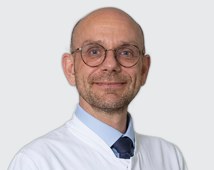
Professor Bastian Schilling is director of the Department of Dermatology, Venereology and Allergology (Klinik für Dermatologie, Venerologie und Allergologie) at University Hospital Frankfurt (Universitätsklinikum Frankfurt). Patients see him mainly for skin cancer, especially melanoma: he heads the hospital’s skin cancer centre and is qualified in the drug treatment of tumours.
What Professor Schilling treats
Professor Schilling is a specialist in skin and venereal diseases with an additional qualification in drug treatment of tumours (Medikamentöse Tumortherapie). His clinical and research focus is melanoma, skin and vascular tumours, tumour immunology and immunotherapy, and phase I–III clinical trials. He heads the skin cancer centre (Hautkrebszentrum) and runs a private clinic. The centre treats:
- melanoma (black skin cancer), one of the centre’s main areas;
- the most common skin cancers, basal cell and squamous cell carcinoma;
- skin lymphomas and rarer cancers of the skin and soft tissue, such as Merkel cell carcinoma and dermatofibrosarcoma;
- advanced tumours, with immune checkpoint inhibitors, targeted drugs, electrochemotherapy and other methods;
- operable tumours with surgery, including micrographically controlled surgery, in which the margins are checked under the microscope.
See also our dermatology and oncology pages.
Training and experience
Bastian Schilling studied medicine at the University of Duisburg-Essen (2000–2007), trained in dermatology at University Hospital Essen and was a postdoctoral fellow at the University of Pittsburgh Cancer Institute in 2010–2011. He became a specialist in skin and venereal diseases in 2014 and completed his habilitation in 2015. After working as a senior physician in Essen, he was professor of dermatological oncology in Würzburg from 2017 and lead senior physician (Leitender Oberarzt) there from 2020. Since 15 April 2024 he has headed the Frankfurt department and been professor of dermatology at Goethe University Frankfurt. He is secretary of the EORTC Melanoma Group.
The department and hospital
The department treats skin tumours, inflammatory and autoimmune skin diseases, urticaria and allergies (including insect venom and drug reactions), varicose veins and venous leg ulcers, chronic wounds and skin infections. The skin cancer centre was first certified in 2010 and belongs to the University Cancer Centre (UCT Frankfurt): cases are discussed at interdisciplinary tumour conferences, and in some situations clinical trials are offered. More on the University Hospital Frankfurt page.
Frequently asked questions
What conditions does Professor Schilling treat?
Professor Schilling mainly treats melanoma and other skin tumours, such as basal cell and squamous cell carcinoma, skin lymphomas and Merkel cell carcinoma, including advanced disease that needs immunotherapy or targeted therapy. His department also treats inflammatory skin diseases, urticaria and allergies, vein disease and chronic wounds.
How can I see Professor Schilling from abroad?
Gather all earlier findings: the department asks patients to bring all previous examination results. Skin cancer is diagnosed by examining tissue, so include the histology report if you have one. AlenMed translates the documents into German and forwards your request; the hospital confirms a date and decides which doctor sees you.
How much does treatment with Professor Schilling cost?
The exact amount is set by the hospital in a written estimate (Kostenvoranschlag) prepared before you travel. It depends on the examinations and treatment: a first consultation, surgery to remove a tumour and a course of immunotherapy are priced differently. Payment goes directly to the hospital.
How to see Professor Schilling through AlenMed
AlenMed translates your medical letters and histology reports into German, agrees a date with the hospital and, if needed, arranges a medical interpreter and personal support. To start, send a request through our form.
This information is for reference only and is not an offer. A doctor decides whether and how to treat after an in-person examination.