 EN
EN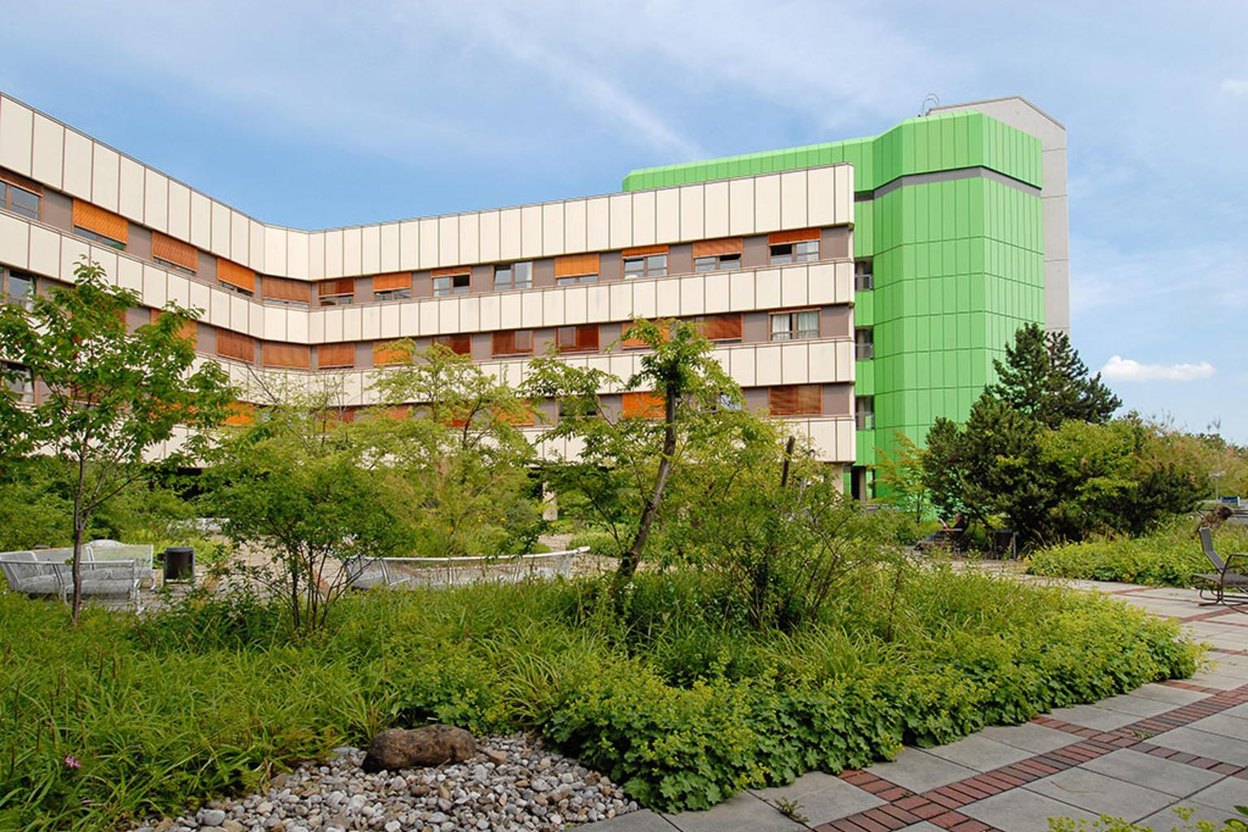
Munich Hospital Bogenhausen (München Klinik Bogenhausen) operates as a major academic medical center located in the eastern district of the Bavarian capital. As part of the municipal healthcare network München Klinik, this tertiary care facility receives patients with complex neurological, spinal, oncological, and traumatic conditions requiring multidisciplinary expertise. The clinical campus brings together specialized units, including neurosurgery, trauma surgery, urology, plastic reconstruction, and a certified center for haematological neoplasms. For international patients seeking high-level care in Bavaria, visiting established hospitals in Germany provides access to coordinated diagnostic pathways and structured treatment regimens. The hospital combines advanced clinical capabilities with structured inpatient protocols to ensure precise medical management across various disciplines.
History and Foundation
The establishment of the medical center dates back to municipal healthcare reorganization plans initiated in Munich during the late 1960s. On December 17, 1969, the Munich City Council formally approved the concept for a modern central hospital in the Bogenhausen district to replace aging medical structures, such as the temporary wooden barracks in Oberföhring. A comprehensive architectural design competition held in 1971 awarded first prize to architects Georg Alexander Roemmich, Hans-Joachim Ott, and Albert Zehentner. Their winning design focused on creating a functional, human-centered spatial layout that deliberately avoided the imposing, impersonal atmosphere typical of large historical institutions. Construction on the site commenced following the laying of the foundation stone in 1977, marking one of Munich’s largest municipal building projects of that era.
Throughout the construction phase, city health authorities continuously refined the operational profile of the facility to meet evolving clinical demands. Although initial plans envisioned a capacity of 1,300 beds, municipal decision-makers adjusted the allocation to 1,000 beds in 1976 to prioritize diagnostic technology and patient room comfort over sheer capacity. In February 1979, the city health committee made a strategic decision to incorporate a specialized severe burn injury unit rather than a standard obstetrics department. The building celebrated its topping-out ceremony in October 1979 and was completed for occupancy in July 1982. Full operational services began in 1983, establishing the facility as a core pillar of municipal medical care in Munich.
Departments and Specialties
- Department of Neurology (Neurologie)
- Department of Neurosurgery (Neurochirurgie)
- Spine Center (Wirbelsäulenzentrum)
- Department of Trauma Surgery and Orthopaedics (Unfallchirurgie)
- Clinic for Urology (Klinik für Urologie)
- Clinic for Plastic and Reconstructive Surgery (Klinik für Plastische Chirurgie)
- Center for Haematological Neoplasms and Metabolic Diseases (Zentrum für Hämatologische Neoplasien)
Each department at the medical center focuses on distinct clinical areas, adhering strictly to standardized German medical protocols and interdisciplinary consultation. The neurosurgery department and specialized spine center perform interventions for brain tumors, spinal cord compressions, degenerative disc disorders, and complex vertebral fractures. Patients presenting with acute stroke, multiple sclerosis, or progressive neurodegenerative conditions receive inpatient care within the specialized neurology unit. Comprehensive clinical evaluation and surgical interventions for kidney, bladder, and prostate pathologies are managed within the urology clinic. Patients interested in detailed urological care options can read more about urology in Germany and how specialized diagnostic workups are conducted.
The clinic for plastic and reconstructive surgery delivers specialized surgical care for defect reconstruction following trauma, severe burn injuries, or oncological tumor resections. In the certified haematology and oncology center, patients with blood disorders, metabolic conditions, and lymphatic malignancies undergo comprehensive diagnostic evaluations and systemic therapies. Treatment protocols include chemotherapy, targeted biological therapies, and modern immunotherapy tailored to specific pathological profiles. When evaluating complex multi-organ symptoms, patients often start with a comprehensive health assessment, as outlined on our page regarding diagnostics in Germany. Interdisciplinary tumor boards regularly review complex clinical cases to ensure unified treatment strategies across departments.
Where the Clinic Is Located
The hospital complex occupies a quiet, green area within the Bogenhausen district on the eastern bank of the Isar River in Munich. This residential and parkland environment offers a serene atmosphere that supports patient rest and recovery away from dense city traffic. For foreign visitors traveling to Bavaria for specialized care, the location provides straightforward access from Munich Airport (Franz Josef Strauss) as well as the main central railway station. The surrounding neighborhood features well-developed municipal infrastructure, including nearby hotels, pharmacies, and quiet park walkways suitable for gentle exercise during recovery periods.
Public transport connections to the hospital grounds are well developed across the Munich municipal transit network. Patients and visiting relatives can access the site easily via local underground lines (U-Bahn), urban railway connections (S-Bahn), and direct bus lines operating throughout the city. For those arriving by private car or medical transport, dedicated parking facilities and underground parking options are available on site. Please note that the exact street address, precise arrival routing, and registration instructions are issued together with the official medical invitation letter. Additional information regarding travel logistics and entry permits can be found in our guide on medical visa for Germany.
Meals, Rooms, and Patient Comfort
Inpatient accommodation at the hospital is designed to ensure safety, functional privacy, and physical comfort throughout the recovery process. Standard ward rooms feature functional hospital beds, direct nurse call systems, private sanitary facilities, television monitors, and wireless internet access (WLAN). Patients selecting optional elective services (Wahlleistung) can request single or double occupancy rooms offering increased floor space, upgraded amenities, and enhanced privacy. Nutritional catering offers daily meal choices tailored to prescribed therapeutic diets, clinical restrictions, and individual personal or religious dietary requirements.
During off-treatment hours, patients and accompanying family members can spend time in the landscaped hospital park, utilize the internal library, or visit the on-site cafeteria. The facility maintains structured visiting hours for relatives, balancing emotional family support with the quiet environment needed for medical rounds and rest. Paying careful attention to daily comfort helps reduce the psychological stress associated with hospital stays. Patients seeking detailed information regarding hospital cost structures and private accommodation options can explore our overview on cost of treatment and payment in Germany.
How to Arrange Treatment
Arranging inpatient admission at the hospital requires submitting a complete set of medical records for preliminary clinical review. This documentation includes detailed physician summaries, histopathology reports, laboratory results, and recent digital imaging files such as MRI or CT scans. German specialists evaluate these clinical facts to determine whether admission is appropriate and to outline an initial diagnostic and therapeutic strategy. Following this assessment, an official cost estimate (Kostenvoranschlag) is issued to cover expected hospital stay expenses, procedures, and medication. All payments for medical services are made directly to the official bank account of the clinic without hidden intermediary fees.
Once financial clearance or deposit payment is finalized, the hospital issues an official medical invitation required for visa processing at German diplomatic missions. AlenMed handles all organizational aspects of the medical trip, including document translation into German, appointment scheduling, airport transfers, and local coordination. Throughout the diagnostic and treatment process, patients are accompanied by a qualified medical interpreter who ensures clear communication with senior physicians and nursing staff. For patients seeking guidance on brain, nerve, or spinal conditions, further information is available on our page about neurology in Germany.
Submit Your Documents
If you or your family member require specialized diagnostic evaluation or hospital care in Munich, you can submit your medical records for review. AlenMed specialists will promptly transmit your medical history to qualified German clinicians, arrange preliminary cost estimates, and assist with all necessary travel arrangements. To receive a free initial case review, please complete the inquiry form on our site or contact our Munich office directly.
This article is for informational purposes only and does not constitute a public offer or professional medical advice. The final treatment plan and cost calculation are determined by the clinic following a comprehensive review of official medical documents.