 EN
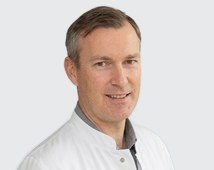
Professor Sven Kantelhardt is chief physician of the Department of Neurosurgery (Klinik für Neurochirurgie – Zentrum für Schädelbasis- und Wirbelsäulenchirurgie) and medical director (Ärztlicher Direktor) of Vivantes Klinikum im Friedrichshain in Berlin. Patients see him about conditions treated by surgery on the nervous system: brain and spinal cord tumours, slipped discs and spinal stenosis, brain haemorrhages and aneurysms.
What Professor Kantelhardt treats
Professor Kantelhardt is a neurosurgeon; his department operates on all surgically treatable diseases of the nervous system, from spinal disorders to tumours, inflammation and injuries. Its main areas are:
- tumours of the brain, spinal cord and their membranes, and metastases from other cancers – in a certified neuro-oncology centre where an interdisciplinary tumour board decides on treatment;
- pituitary tumours, most of which are removed through the nose using an endoscope and navigation;
- haemorrhages, aneurysms and other vascular malformations, bypass surgery for poor blood flow in the brain and microsurgery for trigeminal neuralgia;
- slipped discs, spinal stenosis, fractures and spinal instability, using small incisions, 3D imaging and navigation during surgery;
- paediatric neurosurgery for malformations and hydrocephalus (fluid on the brain), together with the children’s department;
- peripheral nerves: carpal tunnel and ulnar nerve compression, nerve tumours and injuries;
- vagus nerve stimulation for epilepsy that responds poorly to medication, pumps for pain and anti-spasticity drugs, and spinal cord stimulation (SCS).
For background, see our pages on neurosurgery and spine treatment in Germany.
The department and hospital
Vivantes Klinikum im Friedrichshain is a maximum-care hospital in central Berlin with 27 specialist departments and 12 centres. Its emergency department is one of the largest in Berlin, with about 84,000 consultations a year, and the neurosurgery department treats or co-manages patients with injuries to the nervous system around the clock (according to the hospital). Vivantes Friedrichshain Hospital is an academic teaching hospital of the Charité.
The operating theatres have a latest-generation surgical robot, fluorescence-guided tumour imaging, neuronavigation and neuroendoscopy, monitoring of brain function during surgery and stereotaxy. The decision to operate on the spine is made together with the patient, and the team also advises on treatment without surgery, such as pain medication, exercise therapy and injections.
Frequently asked questions
What conditions does Professor Kantelhardt treat?
Professor Kantelhardt treats tumours of the brain, spinal cord and pituitary gland, brain metastases, slipped discs, spinal stenosis and spinal instability. His department also treats aneurysms and brain haemorrhages, hydrocephalus, compression and injuries of peripheral nerves such as carpal tunnel syndrome, and epilepsy that responds poorly to medication.
How can I see Professor Kantelhardt from abroad?
Gather your medical records, test results – CT and MRI scans, ECG – and a list of the medicines you take; the hospital asks for these on admission. AlenMed translates them into German and forwards your request to the hospital, which confirms a date and decides which of its doctors sees you and operates.
How much does treatment with Professor Kantelhardt cost?
The exact amount is set by the hospital in a written estimate (Kostenvoranschlag) prepared before you travel, so you know the costs in advance. It depends on the examinations and treatment: a consultation, spinal surgery and removal of a brain tumour are priced differently. Payment goes directly to the hospital.
How to see Professor Kantelhardt through AlenMed
AlenMed translates your records and imaging reports into German, agrees a date for the consultation or operation with the hospital and, if needed, arranges a medical interpreter and personal support. To start, send a request through our form.
This information is for reference only and is not an offer. A doctor decides whether and how to treat after an in-person examination.