 EN
EN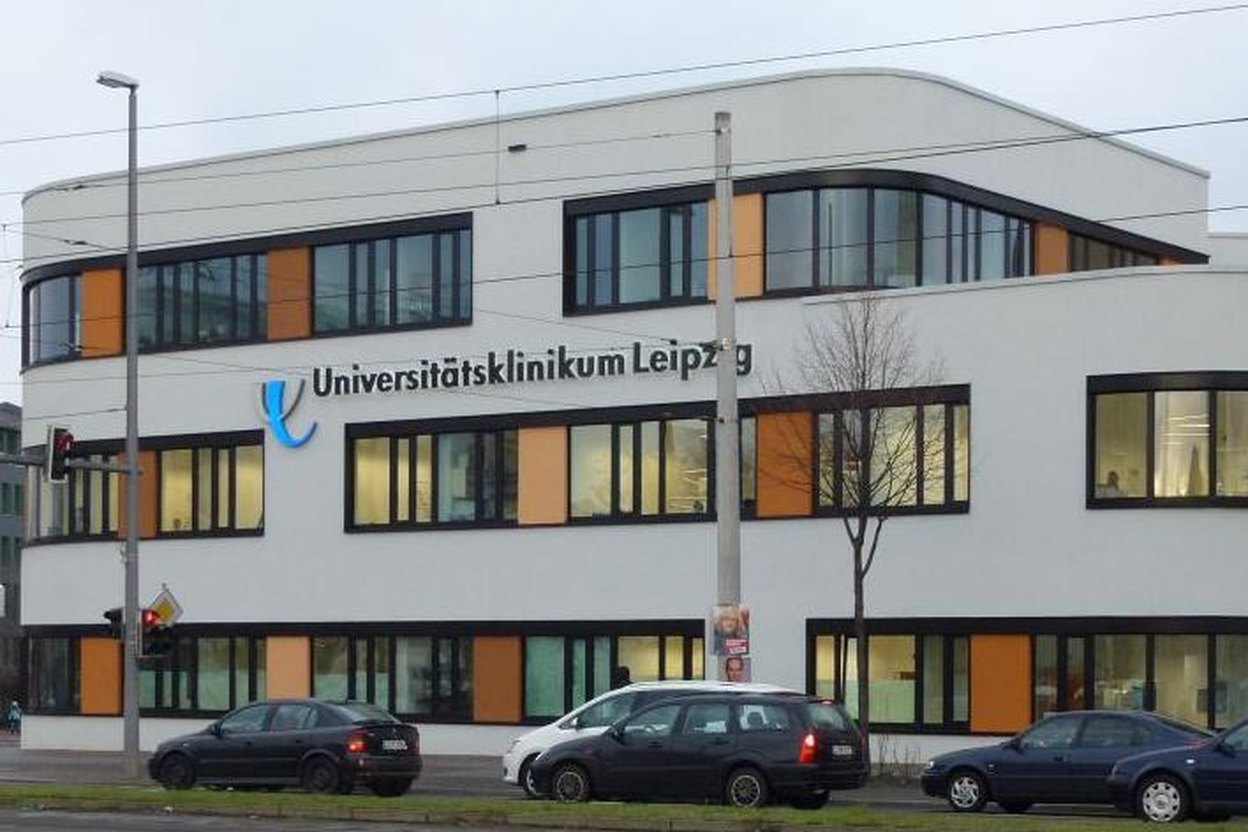
The Leipzig University Hospital stands as one of the oldest and most respected academic medical centers in Central Europe, seamlessly combining progressive university research with extensive practical patient care. The complex encompasses 1,451 hospital beds and employs over 8,000 specialists across its medical faculty, 61 specialized clinics and polyclinics, as well as 10 research institutes. As one of the prominent academic destinations when considering Hospitals in Germany, it provides tertiary medical assistance for highly complex, rare, and multi-system conditions. International patients travel to Leipzig to benefit from interdisciplinary diagnostic evaluations, specialized surgical interventions, and structured therapeutic protocols developed directly by academic specialists.
History and Academic Tradition
The origins of medical education and clinical practice in Leipzig date back to 1415, when the Medical Faculty was officially established shortly after the founding of the university itself in 1409. For nearly three centuries, medical training at European universities remained predominantly theoretical until 1704, when Johann Christian Schamberg established the city’s first anatomical theater to introduce practical instructional demonstrations. A pivotal transition toward modern bedside clinical training occurred in 1799 with the creation of the Institute for Clinical Instruction at St. Jacob’s Hospital, enabling structured patient examinations, surgical demonstrations, and pathological studies. In 1811, Johann Christian August Heinroth was appointed to the world’s first formal academic chair for psychiatric therapy, marking a key milestone in mental healthcare history.
The present-day central medical campus along Liebigstraße was founded in 1871 by Carl Reinhold August Wunderlich and Carl Thiersch as the Municipal Hospital of St. Jacob. In 1889, the iconic «Red House» opened its doors, quickly becoming an architectural and medical landmark for the entire hospital district. Between 1880 and the outbreak of World War II, Leipzig experienced an extraordinary golden era of scientific discovery, led by world-renowned researchers such as Paul Flechsig, Carl Ludwig, and Wilhelm His. In 1891, Otto Heubner established the University Children’s Clinic, laying the foundation for modern pediatric medicine in the region. Today, patients seeking thorough Diagnostics in Germany benefit from this centuries-long medical heritage combined with modern clinical infrastructure.
Clinical Departments and Research Institutes
The organizational structure of Leipzig University Hospital covers virtually all major branches of clinical medicine, supporting a structured multidisciplinary approach to complex patient care. By integrating specialized scientific institutes directly with clinical wards, the medical center ensures that diagnostic findings translated directly into precise treatment plans. Key clinical departments and institutes operating within the center include:
- Center for Operative Medicine (Zentrum für Operative Medizin)
- Department of Haematology (Klinik und Poliklinik für Hämatologie)
- Department of Cardiovascular Surgery (Klinik für Herz- und Gefäßchirurgie)
- Center for Mental Health (Zentrum für Psychische Gesundheit)
- Institute for Cell Therapy and Immunology (Institut für Zelltherapie und Immunologie)
- Institute of Human Genetics (Institut für Humangenetik)
- Institute of Clinical Immunology (Institut für Klinische Immunologie)
- Institute of Laboratory Medicine (Institut für Laboratoriumsmedizin)
- Institute of Medical Microbiology and Virology (Institut für Medizinische Mikrobiologie und Virologie)
- Institute of Pathology (Institut für Pathologie)
Patients admitted to the Center for Operative Medicine undergo planned and complex surgical interventions managed by specialized surgical teams. The Department of Haematology works in close collaboration with the Institute for Cell Therapy and Immunology to deliver targeted protocols for malignant and non-malignant blood diseases. For individuals seeking comprehensive Cancer treatment in Germany, interdisciplinary tumor boards meet regularly to evaluate histological reports from the Institute of Pathology alongside molecular analysis from the Institute of Human Genetics, ensuring that therapeutic regimens are tailored accurately to each patient’s individual diagnosis.
Department Heads and Specialists
Clinical departments and academic chairs at the hospital are led by experienced medical directors who combine routine patient care with ongoing academic research. The Department of Gynaecology and Women’s Health is headed by Prof. Dr. Bahriye Aktas. Prof. Aktas and her clinical team focus on operative gynaecology, gynaecological oncology, and the management of complex breast pathologies. When an international inquiry is submitted to the hospital, senior physicians and department heads review the complete medical dossier to determine treatment feasibility, outline required diagnostic steps, and prepare an appropriate clinical strategy before issuing an official admission confirmation.
Location and Accessibility
The hospital complex is situated in the city of Leipzig, a major cultural, economic, and transportation hub within the federal state of Saxony. International patients appreciate Leipzig for its well-organized urban infrastructure, peaceful surroundings, and strategic geographic location in central Germany. The city is served by Leipzig/Halle Airport, which offers regional and international flight connections, as well as a major central railway station providing frequent high-speed rail links to Berlin, Frankfurt, and Munich.
The primary clinical campus is concentrated near the city center and is conveniently accessible by public transportation, including local tram lines, buses, and the suburban S-Bahn railway network. The medical district is arranged to allow patients and visitors to walk comfortably between outpatient clinics, inpatient wards, and specialized diagnostic institutes. Patients receive full location details, building numbers, and ward directions together with their official hospital invitation. If necessary, professional ground transfers from the airport or railway station can be organized through Arranging medical treatment in Germany to ensure seamless travel.
Accommodation, Dining, and Amenities
Inpatient accommodation at Leipzig University Hospital is organized to meet modern standards of medical safety, clinical hygiene, and patient comfort. Standard patient rooms feature adjustable electronic hospital beds, emergency staff call buttons, private sanitary facilities, wireless internet access (WLAN), and personal television monitors. Patients opting for elective private accommodation (Wahlleistung) can request single or double occupancy rooms offering enhanced furnishings and additional personal comfort services during their hospital stay.
Meal preparation is coordinated according to nutritional requirements designated by the treating medical staff, accommodating clinical diet requirements as well as personal preferences. Across the medical campus, patients and their accompanying relatives have access to a cafeteria, bistro, and restaurant providing hot meals, fresh pastries, and beverages. For leisure and relaxation outdoors, the hospital grounds feature a landscaped park area, while a patient library is open for those seeking quiet reading. Visiting hours are structured to give family members ample time to support patients without disturbing therapeutic procedures or rest routines.
How to Arrange Treatment
Organizing medical care at Leipzig University Hospital begins with sending current clinical summaries, detailed diagnostic findings, and relevant diagnostic imaging scans (such as MRI or CT). Once reviewed by university specialists, a preliminary treatment plan or diagnostic schedule is created. The hospital then issues an official cost estimate (Kostenvoranschlag), which helps patients understand the overall financial framework and expected Cost of Treatment and Payment in Germany prior to scheduling their travel dates.
Following the deposit payment directly to the hospital’s official bank account, the clinic issues a formal medical invitation required for visa processing. Patients needing expedited arrangements can access dedicated support for a Medical visa for Germany facilitated by AlenMed. Throughout their stay in Leipzig, foreign patients can rely on an experienced Medical interpreter in Germany who provides language support during doctor consultations, ward rounds, and administrative checks, ensuring clear communication at every stage of treatment.
Request a Free Evaluation
If you or your family member require an expert evaluation from the medical specialists at Leipzig University Hospital, you can submit your medical records and imaging studies through the request form on our website. The AlenMed team will review your documentation, arrange professional medical translation into German, and forward the files directly to the appropriate clinical department to obtain a preliminary medical opinion and official cost calculation.
The information provided about Leipzig University Hospital and medical options is for informational purposes only and does not constitute a legal offer or personal medical advice. The final diagnostic and therapeutic plan, as well as binding costs, are determined exclusively after personal consultation and document review by the attending clinic doctors.