 EN
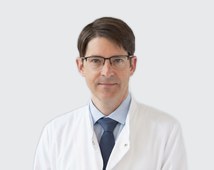
Professor Daniel Seehofer is managing director (Geschäftsführender Direktor) of the Department of Visceral, Transplant, Thoracic and Vascular Surgery (Klinik und Poliklinik für Viszeral-, Transplantations-, Thorax- und Gefäßchirurgie) at Leipzig University Hospital, where he heads the hepatobiliary surgery and visceral transplantation unit as well as the transplant centre. Patients see him for tumours and other diseases of the liver, bile ducts and pancreas, and when a liver, kidney or pancreas transplant is needed.
What Professor Seehofer treats
Professor Seehofer is an abdominal surgeon specialising in the liver, bile ducts and transplantation; he is also acting head of visceral (abdominal) surgery. One of his particular interests is minimally invasive liver surgery, including complex keyhole operations. He brought to Leipzig experience with living-donor liver transplantation and highly complex operations for bile duct tumours. His unit offers:
- liver surgery, including minimally invasive procedures;
- bile duct surgery for bile duct and gallbladder cancer and for gallstones;
- pancreatic surgery;
- kidney transplantation, including living kidney donation, and combined pancreas-kidney transplantation;
- liver transplantation, including partial liver transplantation and living liver donation.
See also our oncology and gastroenterology pages.
Training and experience
Daniel Seehofer worked at the Charité in Berlin from 1998, latterly as senior consultant (leitender Oberarzt) and campus head at the Virchow-Klinikum. In April 2016 he took over hepatobiliary and transplant surgery and the transplant centre in Leipzig; today he is also managing director of the whole department. His research covers liver regeneration, the development and treatment of cancers of the liver, bile ducts and pancreas, and the prevention and treatment of infections after organ transplantation.
The department and hospital
The department operates on the abdominal and chest organs and on blood vessels and is divided into five independent units. Transplant surgery has a special place: for patients whose liver, kidneys or pancreas are severely and irreversibly impaired, a transplant can offer the chance to lead a normal life again. The transplant centre dates from 1993; by 2023, Professor Seehofer said, more than 2,500 children and adults had received a new kidney, liver or pancreas there. Treatment of malignant tumours is discussed at interdisciplinary tumour boards. More on the University Hospital Leipzig page.
Frequently asked questions
What conditions does Professor Seehofer treat?
Professor Seehofer treats tumours of the liver, bile ducts and gallbladder, gallstones and diseases of the pancreas. His unit also sees patients whose liver, kidneys or pancreas are severely and irreversibly impaired when transplantation is being considered, including living-donor transplantation. Complex tumour cases are discussed with other specialists at a tumour board.
How can I see Professor Seehofer from abroad?
Gather your medical letters, test results and scans with their written reports: the department reviews existing findings, gives detailed advice and orders further tests if needed. AlenMed translates the documents into German and forwards your request; the hospital confirms a date in the liver surgery or transplant clinic and decides which doctor sees you and operates.
How much does treatment with Professor Seehofer cost?
The exact amount is set by the hospital in a written estimate (Kostenvoranschlag) prepared before you travel. It depends on the examinations and treatment: a consultation, further tests and liver surgery are priced differently. Payment goes directly to the hospital.
How to see Professor Seehofer through AlenMed
AlenMed translates your medical letters and imaging reports into German, agrees a date with the hospital and, if needed, arranges a medical interpreter and personal support. To start, send a request through our form.
This information is for reference only and is not an offer. A doctor decides whether and how to treat after an in-person examination.