 EN
EN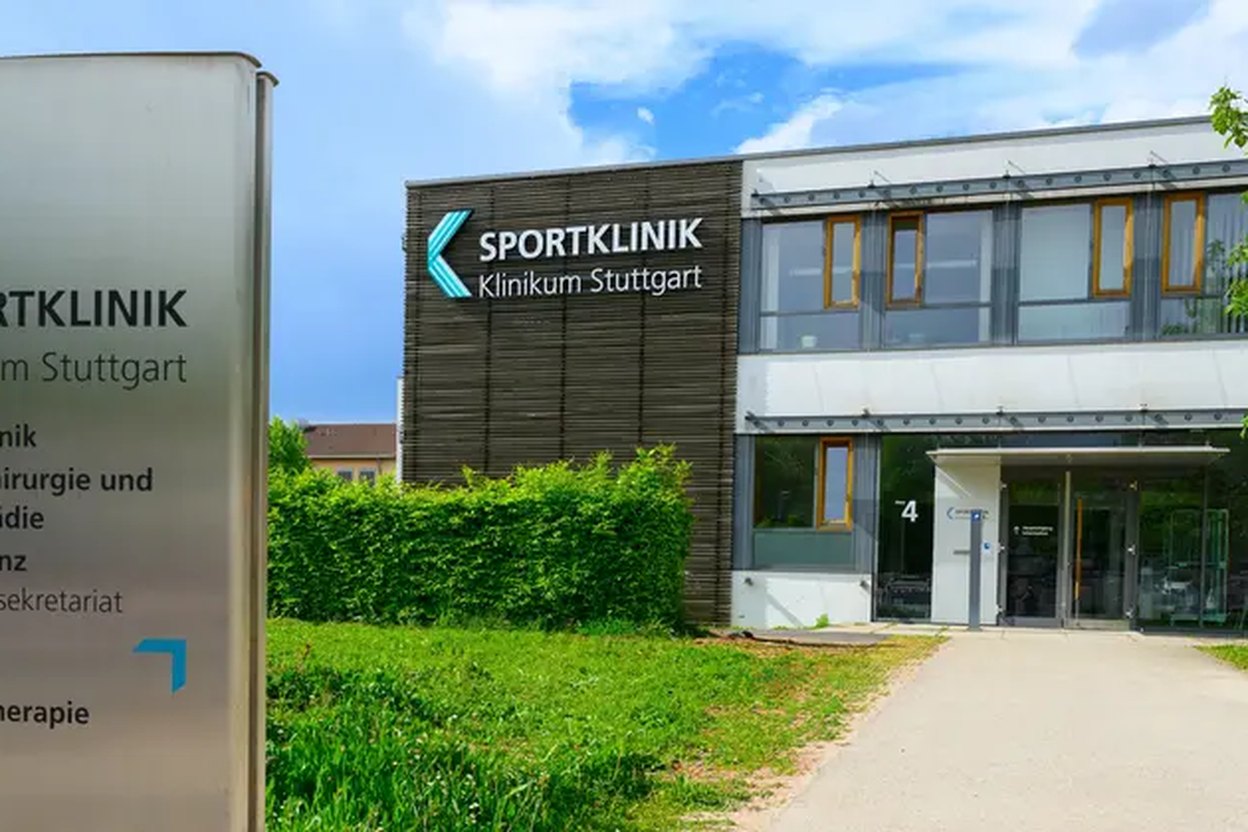
Sportklinik Stuttgart is a highly specialized medical center dedicated to sports orthopaedics, joint surgery, and reconstructive traumatology located in Stuttgart, Germany. Situated in the capital city of Baden-Württemberg, this institution combines long-standing surgical traditions with modern restorative techniques for the musculoskeletal system. Recently integrated into the expansive network of Klinikum Stuttgart, the clinic benefits from enhanced diagnostic infrastructure and comprehensive interdisciplinary cooperation. The facility regularly accommodates professional athletes suffering from complex sports injuries as well as patients seeking treatment for degenerative joint diseases or traumatic conditions. For international patients evaluating Stuttgart hospitals, this center represents an established destination for targeted orthopaedic interventions.
History and Year of Foundation
The historical origins of the hospital network to which the clinic currently belongs date back to the late eighteenth and early nineteenth centuries. In 1817, King Wilhelm I decreed the establishment of a modern municipal hospital, a project that gained definitive momentum in 1819 following the unexpected death of Queen Katharina. Between 1820 and 1827, the initial complex, known as the Catharinen-Hospital, was constructed according to designs by architect Nikolaus Friedrich von Thouret, initially offering two hundred and thirty hospital beds. This foundational development created a structured municipal healthcare infrastructure in Stuttgart, laying a permanent groundwork for systematic inpatient care and clinical administration across the region.
A major structural reorganization occurred on July 1, 1999, when four municipal hospitals consolidated to form the modern umbrella organization known as Klinikum Stuttgart. Over the years 2022 and 2023, the municipal system expanded further by formally integrating Sportklinik Stuttgart along with other specialized healthcare facilities. Functioning as an academic teaching hospital for the Eberhard Karls University of Tübingen, the broader medical group manages a substantial portion of inpatient care throughout the metropolitan area. The integration of specialized sports traumatology into this academic network allows clinical teams to draw upon extensive interdisciplinary resources when managing complex musculoskeletal disorders and surgical restorations.
Departments and Specialisations
- Foot and Ankle Surgery Center (Zentrum für Fuß- und Sprunggelenkchirurgie)
- Rheumatoid Orthopaedics Center (Zentrum für Rheumaorthopädie)
- Department of Sports Orthopaedics and Arthroscopy
- Department of Joint Replacement and Arthroplasty
- Department of Traumatology and Reconstructive Surgery
The core clinical emphasis of the center revolves around restoring mobility and performing complex surgical interventions on bones, ligaments, and articular structures. In the Foot and Ankle Surgery Center (Zentrum für Fuß- und Sprunggelenkchirurgie), surgical specialists focus on correcting congenital and acquired deformities, repairing chronic ligamentous instability, and restoring damaged weight-bearing joints. Simultaneously, the specialized Rheumatoid Orthopaedics Center (Zentrum für Rheumaorthopädie) provides structured care for patients suffering from chronic inflammatory conditions that require medical stabilization alongside targeted surgical procedures. When performing joint replacement in Germany, orthopaedic surgeons prioritize maximum tissue preservation, anatomical alignment, and accurate implant placement to foster durable clinical outcomes.
International patients frequently seek consultation for severe articular degeneration or sports injuries affecting the knees, shoulders, hips, and elbows. Within the clinical departments, surgeons routinely deliver comprehensive trauma surgery in Germany, addressing everything from arthroscopic ligament reconstruction to complex cartilage repair and fracture management. The implementation of minimally invasive surgical techniques helps minimize surgical trauma, lessen post-operative discomfort, and encourage early mobilization during the immediate recovery phase. Following the completion of the surgical stage, patients are typically advised to undergo structured orthopaedic rehabilitation in Germany to rebuild muscular strength, improve range of motion, and optimize long-term joint functionality.
Doctors of the Clinic
The clinical team is led by recognized specialists in trauma surgery and orthopaedic interventions who oversee patient care standards across all departments. Traumatology and interdisciplinary surgical care are directed by Prof. Dr. Christian Knop, who guides the implementation of updated surgical protocols for complex skeletal injuries. The orthopaedic division and joint surgery programs are headed by Dr. Patrik Reize, who focuses on reconstructive procedures and specialized joint treatments. Through meticulous preoperative evaluation and coordinated surgical execution, the department heads work to ensure that every patient receives a treatment strategy tailored specifically to their anatomical requirements and functional goals.
Location of the Clinic
The clinic is situated within the city of Stuttgart, the capital of Baden-Württemberg, offering advantageous infrastructure for international visitors. Stuttgart possesses a highly developed transport network, including a major international airport and a central railway station with direct regional and international connections. Patients can easily reach the clinical facilities using municipal public transportation, such as the local underground rail system and tram lines, as well as private taxi services. Detailed navigation instructions and the precise street address are provided directly to each patient within their official hospital invitation packet, enabling straight-forward journey planning prior to departure.
Residing in a major commercial and cultural center in southwestern Germany offers significant convenience regarding local accommodations and support infrastructure. Numerous hotels catering to diverse preferences are located within reasonable distance of the hospital grounds, ensuring comfortable lodging for accompanying family members. Should patients need preliminary diagnostic workups, such as an outpatient MRI scan in Germany, remaining within close proximity simplifies logistics and reduces physical exertion. The team at AlenMed assists in coordinating regional transfers, arranging local accommodation, and ensuring that transport between arrival points and clinical consultations proceeds without administrative delay.
Catering, Wards, and Leisure
Inpatient accommodations within German specialized centers are designed to prioritize patient safety, physical rest, and ergonomic comfort throughout the recovery process. Standard patient rooms feature adjustable hospital beds, dedicated sanitary facilities, personal storage options, and direct nurse call systems to maintain constant clinical oversight. As an optional elective service (Wahlleistung), patients may choose single or double occupancy rooms that offer higher levels of comfort, upgraded amenities, and expanded privacy. Daily meal service is structured around nutritional guidelines tailored to post-operative recovery, while patients are offered choices from daily menu options to accommodate personal dietary preferences.
Visiting hours at the facility are structured flexibly to allow family members to visit and offer support throughout the inpatient stay. The clinical facility features designated quiet areas and relaxation zones, while integrated wireless internet access (WLAN) enables patients to stay in continuous contact with relatives and friends back home. The overall organization of hospital environments in Germany emphasizes stress reduction and cleanliness, creating an atmosphere where advanced orthopaedics and joint replacement in Germany is coupled with professional nursing care and rigorous infection control protocols.
How to Access Treatment
Initiating medical treatment in Germany requires a thorough preliminary evaluation of the patient’s medical history and current diagnostic records. Patients submit recent medical reports, physician notes, and digital imaging studies such as X-rays or CT scans for expert review. The coordinators at AlenMed organize professional translation of all documentation into German and submit the file to the appropriate clinical department. Based on this thorough assessment, the hospital formulates an official treatment plan accompanied by a binding cost estimate (Kostenvoranschlag). All medical payments are made directly to the hospital’s official account without intermediary surcharges or hidden fees.
Once financial requirements are settled, the hospital issues an official medical invitation required for visa processing. The specialists at AlenMed assist with securing a medical visa for Germany, booking suitable accommodation, and coordinating airport transfers. Throughout consultations and ward rounds, qualified medical interpreters in Germany accompany the patient to ensure accurate communication of technical terminology and physician instructions. Complete assistance with arranging medical treatment in Germany removes administrative burdens, permitting patients and their families to focus entirely on health restoration.
Submit Medical Records
If you are seeking specialized surgical care or an expert second opinion regarding orthopaedic conditions, you can submit your details directly through our website. You are invited to submit your medical records for a free evaluation, allowing German medical specialists to review your diagnostic scans and recommend appropriate clinical options. Simply provide your contact information, a brief summary of your symptoms, and relevant diagnostic files, and our team will promptly contact you with detailed guidance and an initial cost estimate for your trip.
The information provided on this page is for informational purposes only and does not replace professional medical consultation. Financial estimates and preliminary plans are subject to change; the final cost of treatment and diagnostic procedures is determined by the hospital’s official cost estimate (Kostenvoranschlag) after evaluating individual medical records.