 EN
EN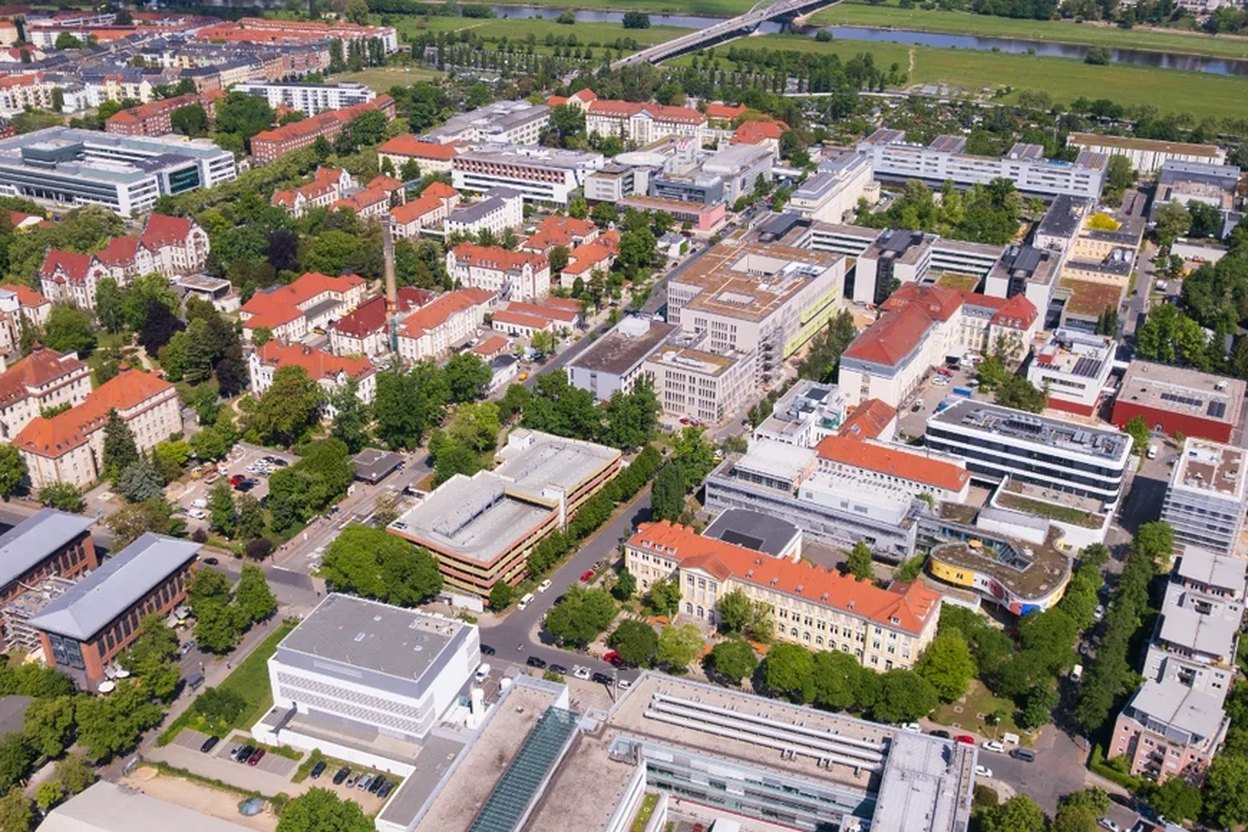
University Hospital Dresden, officially known as Universitätsklinikum Carl Gustav Carus Dresden, represents the highest level of tertiary medical care (Maximalversorgung) in the Free State of Saxony. As the university medical center associated with the Technical University of Dresden, the hospital integrates academic clinical research with patient treatment across various medical fields. The medical complex features specialized interdisciplinary units, an oncology center, and advanced radiation facilities such as proton therapy. International patients travel to Dresden to access comprehensive diagnostics in Germany, second opinions from medical faculties, and structured therapy protocols for complex conditions. Understanding how this academic hospital operates helps international patients plan their medical travel with clarity and confidence.
History and Foundation Year
The tradition of medical training and clinical practice in Dresden traces back to 1748 with the establishment of the Collegium medico-chirurgicum as a military medical training facility. In 1815, the Royal Surgical-Medical Academy was founded, establishing a formal foundation for higher medical education in Saxony. During this period, the renowned physician, painter, and natural philosopher Carl Gustav Carus was appointed as a professor, giving his name to the modern institution. The founding of the academy took place thirteen years prior to the establishment of the technical school that later evolved into the Technical University of Dresden. Until 1864, the medical institution operated within the historical Kurländer Palais near the city center.
In December 1901, the hospital relocated to its present location in the Johannstadt district, taking over the expansive grounds of the municipal hospital complex. Over the following years, the campus continued to expand, adding dedicated facilities such as the women’s clinic in 1903. The architectural layout features historical buildings arranged in a U-shape surrounding a central landscaped park, creating a serene environment that is currently preserved under historical heritage protection laws. In 1993, the institution officially transitioned into a public university hospital under the Technical University of Dresden, continuing its mission of medical innovation and patient care.
Medical Departments and Specialities
- Emergency Medicine Center (Zentrum für Notfallmedizin)
- Center for Internal Medicine (Zentrum für Innere Medizin)
- Center for Mental Health (Zentrum für Seelische Gesundheit)
- Center for Dentistry, Oral and Maxillofacial Medicine (Zentrum für Zahn-, Mund- und Kieferheilkunde)
The clinical spectrum of University Hospital Dresden encompasses wide-ranging disciplines organized within interdisciplinary clinical centers. Within the Center for Internal Medicine, patients receive comprehensive care for cardiovascular conditions, gastroenterological disorders, kidney diseases, and metabolic disorders. The emergency medicine center provides round-the-clock emergency care for acute trauma, severe conditions, and urgent clinical interventions. Furthermore, specialized surgical departments, neurology, gynaecology, and dermatology work together across integrated departments. Patients seeking advanced cancer treatment in Germany benefit from interdisciplinary tumor boards that evaluate individual clinical cases to establish precise therapeutic strategies.
Specialized divisions such as the Center for Dentistry, Oral and Maxillofacial Medicine provide surgical treatment for complex facial trauma, reconstructive requirements, and dental disorders. High-resolution diagnostic departments equipped with modern magnetic resonance imaging, computed tomography, and specialized laboratory infrastructure support clinical decision-making across all wards. Close cooperation between clinical units and university research institutes ensures that diagnostic methods and treatment protocols reflect contemporary scientific developments. International patients often seek treatment at university medical centers when complex, multi-system health conditions require joint consultations among specialists from multiple disciplines.
Doctors at the Clinic
The medical staff at University Hospital Dresden includes recognized clinical researchers and department heads who combine clinical practice with academic teaching at the medical faculty. Among the prominent department heads at the university hospital is Prof. Dr. Stefan Beissert, who leads specialized clinical services within his field of expertise. Senior physicians and department heads regularly lead interdisciplinary case conferences to review complicated medical cases and tailor treatment plans to specific patient needs. The combination of university-level research, strict clinical standards, and continuous professional training ensures structured and safety-oriented patient management across all departments.
Location and Accessibility
University Hospital Dresden is located in the Johannstadt district of Dresden, situated along the banks of the Elbe River. The district provides a quiet suburban atmosphere while maintaining convenient connections to the vibrant historical center of the city. Dresden features a well-developed municipal transport network and international transport links, including Dresden Airport and a major central railway station. Local public transport lines, including trams and buses, link the hospital campus directly to the central train station within a short travel time, making local travel straightforward for visiting families.
The expansive hospital grounds feature extensive green spaces, allowing patients and accompanying family members to take restful walks between consultations and therapeutic sessions. Surrounding urban infrastructure offers hotels, pharmacies, and essential support services for visitors staying near the campus during extended treatment periods. Ample parking options are available on site for private vehicles and medical transport services. The precise street address, campus building maps, and detailed directions from the airport or train station are provided directly to patients in their official hospital invitation documentation, ensuring seamless arrival planning.
Patient Facilities and Comfort
Inpatient accommodation at University Hospital Dresden reflects standard German university hospital care principles, emphasizing functionality, hygiene, and patient comfort. Inpatients receive tailored meal plans that cater to dietary requirements, nutritional needs, and personal dietary preferences agreed upon with attending physicians. Cafeterias located across the hospital campus offer light meals, snacks, and beverages for visiting relatives and outpatient visitors. Standard ward rooms are arranged to maintain privacy and comfort, while upgraded single or double rooms with private sanitary facilities and multimedia options can be arranged as elective services.
To support patient well-being during hospital stays, the campus maintains a quiet central park area with walking paths and resting benches. High-speed Wi-Fi access is available throughout patient wards, enabling patients to remain in contact with families and handle routine personal matters remotely. Visiting hours for family members are organized to accommodate personal visits while respecting medical treatment schedules and daily diagnostic routines. The peaceful atmosphere of the hospital grounds, combined with attentive nursing care, helps international patients experience a structured and reassuring healing environment throughout their stay.
How to Arrange Treatment
Organizing medical care at a university hospital in Germany begins with a thorough review of the patient’s existing medical records. Patients submit comprehensive medical histories, diagnostic imaging files, laboratory reports, and current physician assessments for evaluation by German specialists. Based on this information, the hospital formulates a detailed diagnostic or therapeutic plan accompanied by an official cost estimate (Kostenvoranschlag). Detailed explanations regarding medical expenses and administrative structures are available in our guide on the cost of treatment and payment in Germany. All medical fees are paid directly to the official hospital account without hidden surcharges.
Following the advance payment to the hospital’s official account, the medical center issues an official invitation letter required for visa processing. This documentation enables the patient and an accompanying individual to apply for a medical visa for Germany through the appropriate diplomatic channels. To overcome language barriers during consultations, AlenMed arranges professional medical interpreters and personal support in Germany throughout appointments and hospital procedures. Structured coordination through dedicated services for arranging medical treatment in Germany allows patients to focus completely on their health and recovery.
Send Your Medical Documents
If you or a family member require specialized evaluation or treatment at a German university medical center, submit your medical records, diagnostic reports, and imaging files for expert review. Our medical coordination team will submit your documents to specialists for preliminary evaluation and structured planning. You will receive a clear outline of prospective treatment steps alongside an official hospital cost estimate without unnecessary delays or hidden agency fees. To begin the evaluation process, please complete the contact form and upload your medical files on our application page for medical treatment.
This content is for informational purposes only and does not replace professional medical advice. Estimated costs are subject to change based on official hospital cost estimates.