 EN
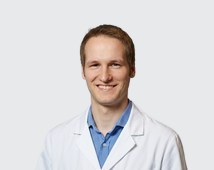
Dr Joseph Porrmann is a clinical geneticist and deputy medical director of the Institute of Clinical Genetics (Institut für Klinische Genetik) at University Hospital Carl Gustav Carus in Dresden. Families see him when an inherited condition is suspected or confirmed, such as developmental delay in a child, a complex syndrome or several cancers among relatives.
What Dr Porrmann treats
Dr Porrmann advises patients and families on genetic questions and is the institute’s contact for genetic counselling. The doctor takes the medical history of the patient and relatives back to the grandparents, draws up a family tree, reviews reports and, if useful and agreed, arranges genetic testing; a session can last up to two hours. Typical reasons:
- developmental delay and intellectual disability;
- malformations and suspected genetic syndromes;
- muscle diseases, neurodegenerative diseases and inherited metabolic disorders;
- several cases of cancer in a family;
- infertility, recurrent miscarriage or pregnancy planning with a genetic condition in the family.
See also our pages on oncology and children’s medicine.
Training and experience
Dr Porrmann is a specialist in human genetics (Facharzt für Humangenetik). At the institute he is a senior physician (Oberarzt), head of the genetics outpatient clinic and deputy medical director; the institute is directed by Professor Diana Le Duc.
The department and hospital
The institute cares for families with genetic diseases, focusing on intellectual disability, complex syndromes and hereditary tumours. Its outpatient clinic sees more than 1,200 patients and families a year and provides about 250 consultations in other departments on the campus. Its methods include next-generation sequencing under a DIN EN ISO 15189 quality system.
It is the Dresden centre of two German consortia on familial cancer (breast and ovarian; bowel). Every patient is discussed at a weekly case conference, and counselling ends with a written report. If a hereditary tumour syndrome is found, healthy relatives can be tested and referred for close cancer surveillance. The institute is part of University Hospital Dresden.
Frequently asked questions
What conditions does Dr Porrmann treat?
Dr Porrmann sees people when an inherited cause of illness is suspected: developmental delay in a child, an unexplained complex syndrome, malformations, muscle diseases, several cancers in a family, infertility or recurrent miscarriage. Counselling helps to decide whether genetic testing is needed and what the result means for the family.
How can I see Dr Porrmann from abroad?
Gather your medical reports, any previous genetic results and details of illnesses among relatives back to your grandparents; the institute asks for a family tree in advance. AlenMed translates the documents and forwards your request; the hospital confirms a date and decides which doctor counsels you.
How much does treatment with Dr Porrmann cost?
The hospital sets the price in a written estimate (Kostenvoranschlag) prepared before you travel. It depends on the services needed: genetic counselling and laboratory testing are separate services, and the cost of testing depends on which analysis is required. Payment goes directly to the hospital.
How to see Dr Porrmann through AlenMed
AlenMed translates your records into German, agrees a date with the hospital and, if needed, arranges a medical interpreter and personal support. To start, send a request through our form.
This information is for reference only and is not an offer. A doctor decides whether and how to treat after an in-person examination.