 EN
EN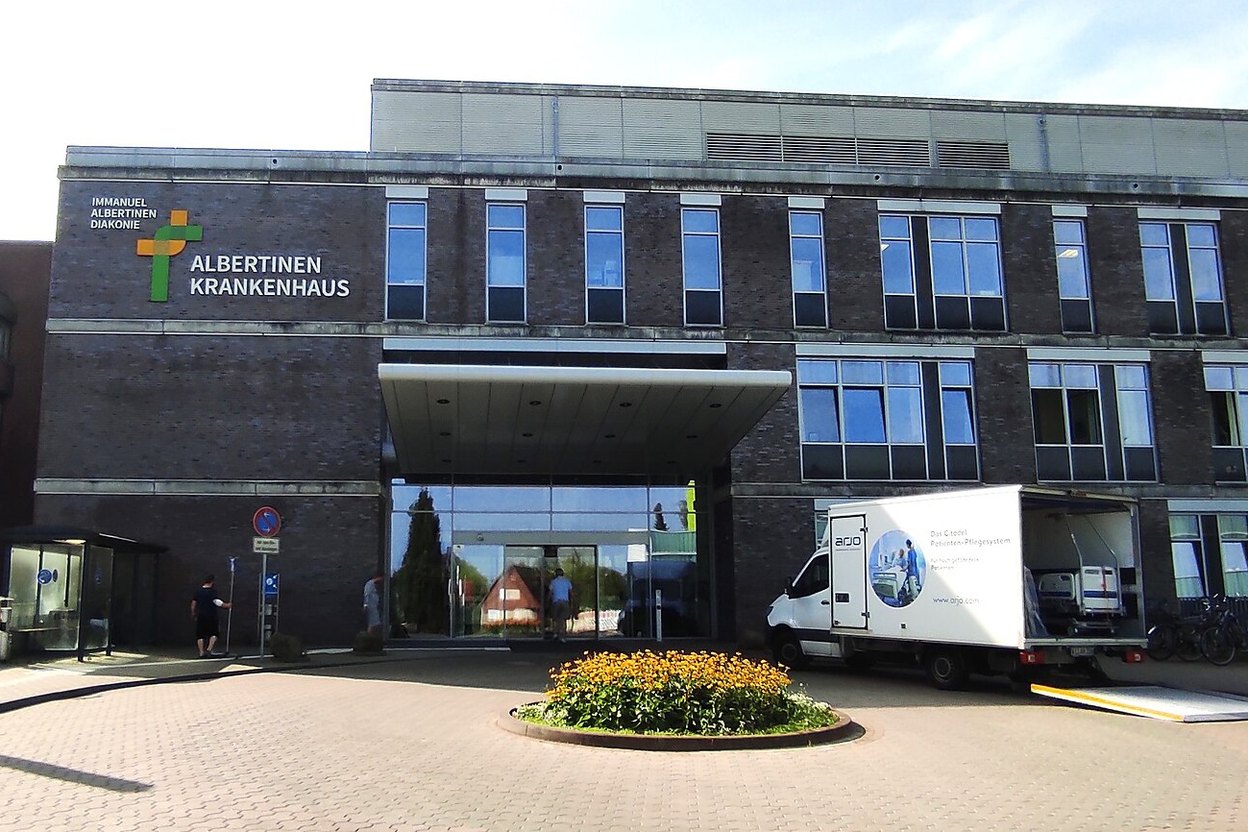
Albertinen Hospital (Albertinen Krankenhaus) is the largest non-profit medical complex in Hamburg, serving as an academic teaching hospital for the University Medical Center Hamburg-Eppendorf (UKE). Managed under the Immanuel Albertinen Diakonie group, the facility delivers structured inpatient and outpatient medical care to approximately 68,000 patients every year. The medical center combines modern diagnostic infrastructure with diaconic care traditions, offering clinical expertise in cardiac surgery, oncology, obstetrics, and endocrine surgery. For international patients seeking thorough diagnostics in Germany, the facility provides multidisciplinary evaluation, specialized surgical departments, and comfortable inpatient accommodation in a quiet suburban environment.
History and foundation
The origins of the medical center date back to May 1, 1907, when matron Albertine Assor founded the Siloah Deaconess Association alongside eight sisters. Operating initially with very modest financial resources, the association focused on providing home nursing care and social support for young working women across Hamburg. As the demand for organized medical care grew in the region, the deaconesses sought to establish dedicated clinical facilities. In 1927, the sisterhood leased its first hospital, known as «Am Weiher», which established the foundation for systematic nursing and clinical treatment. Over subsequent years, two additional hospitals were integrated into the organization’s network to meet municipal healthcare needs.
In 1940, the organization was renamed Albertinen-Haus, later becoming Albertinen-Diakoniewerk e.V. in 1986. The modern hospital complex located in the Hamburg-Schnelsen district was constructed in 1964, initially providing 210 inpatient beds before expanding to 420 beds. The largest expansion project in the facility’s history was completed in May 2014 with the commissioning of a new functional wing featuring central operating suites and surgical wards. Today, the hospital maintains a capacity of 770 beds. Since 2019, the institution has operated under Immanuel Albertinen Diakonie, continuing its tradition of non-profit diaconic hospital care in northern Germany.
Departments and specialties
- Emergency and Acute Medicine Centre (Zentrum für Notfall- und Akutmedizin)
- Centre for Nerve and Muscle Diseases East Brandenburg (Zentrum für Nerven- und Muskelerkrankungen Ost-Brandenburg)
- Endocrine Surgery Centre, Hamburg (Zentrum für Endokrine Chirurgie, Hamburg)
- Centre for Mental Health, Hamburg (Zentrum für Psychische Gesundheit, Hamburg)
Alongside its specialized centers, the hospital operates major clinical departments in cardiac surgery, oncology, and obstetrics. The cardiac surgery division performs surgical valve repair, bypass procedures, and vascular interventions. Patients who require specialized cardiology in Germany benefit from hybrid operating rooms equipped for minimally invasive cardiovascular procedures and temporary circulatory support systems. In the oncology department, interdisciplinary clinical teams manage gastrointestinal, thoracic, and pelvic malignancies. Diagnostic assessments and treatment protocols are discussed in weekly multidisciplinary tumor boards to coordinate surgical, chemotherapeutic, and targeted treatment options for each individual patient.
The Endocrine Surgery Centre specializes in surgical management of benign and malignant thyroid, parathyroid, and adrenal disorders utilizing continuous intraoperative neuromonitoring to safeguard vocal nerve function. The Emergency and Acute Medicine Centre operates around the clock to provide acute stabilization for critical traumatic and cardiovascular conditions. For complex tumor pathologies, targeted cancer treatment in Germany follows structured German clinical guidelines. Additionally, the obstetrics department offers clinical care for standard and high-risk pregnancies, serving as a established option for families considering giving birth in Germany in a supportive hospital setting.
Medical team and department heads
Clinical departments at the hospital are directed by senior medical specialists who oversee inpatient care and academic research standards. The team of department heads includes Prof. Dr. med. Till Orla Klatte, Dr. med. Thies Daniels, Dr. med. Lars Kock, and Prof. Dr. med. Rüdiger Klapdor. Specialized clinical divisions are also led by Prof. Dr. med. Thorsten Hanke, Prof. Dr. med. Guntram Lock, Prof. Dr. Karsten Sydow, and Prof. Dr. med. Sönke Arlt. Historically, from January 2006 until April 2025, Friedrich-Christian Rieß served as the chief physician of the Department of Cardiac Surgery and chairman of the Albertinen Heart and Vascular Centre, guiding the clinical development of cardiovascular surgery at the hospital.
Where the hospital is located
The hospital is situated in Schnelsen, a quiet district located in the northern area of Hamburg. This suburban location offers patients a calm environment conducive to recovery following major surgical interventions or intensive drug therapy. Landscaped grounds surround the clinical buildings, insulating patient wards from heavy urban traffic noise while maintaining direct connections to municipal transport infrastructure. Bus routes, underground train lines, and major roadways connect the hospital directly to central Hamburg, and designated parking spaces are available on the facility grounds for visiting family members and personal vehicles.
For international visitors traveling to Hamburg, transport is facilitated by Hamburg Airport (Flughafen Hamburg) and Hamburg Central Station (Hauptbahnhof), both offering regular international connections. Detailed directions, local transport options, and arrival instructions are included in the official medical invitation letter generated prior to travel. When organizing travel arrangements, AlenMed assists patients with airport pick-up, specialized ground transfer, and local logistics to ensure convenient arrival at the hospital’s admission desk without navigating unfamiliar public transportation systems independently.
Accommodation, meals, and leisure
Inpatient accommodation follows modern German clinical standards regarding medical ergonomics, hygiene, and patient privacy. Through optional elective service options (Wahlleistung), patients can request single or double comfort rooms equipped with electronically adjustable hospital beds, en-suite bathroom facilities, television, safe storage, and complimentary high-speed Wi-Fi access. Dietary requirements are managed by the hospital culinary team, which provides daily selectable meal plans designed to accommodate specific therapeutic diets, vegetarian preferences, and cultural dietary guidelines under medical supervision.
The hospital grounds include a quiet garden area (Garten) designed for outdoor walking and relaxation during the post-operative recovery phase. Flexible visiting hours allow relatives (Angehörige) to spend regular time supporting the patient throughout their hospital stay. On-site facilities include a patient cafeteria, quiet reading areas, and lounge spaces. This integration of clinical efficiency, comfortable rooming options, and peaceful outdoor surroundings reflects the standard approach of German hospital care, where personal comfort and emotional stability are considered integral parts of the healing process.
How to organize treatment
To arrange medical evaluation or surgical treatment at the hospital, international patients must submit initial medical documentation, including detailed medical histories, diagnostic laboratory reports, and digital imaging files such as CT or MRI scans. Hospital physicians review these documents to evaluate treatment feasibility and determine required procedures. Following clinical review, an official cost estimate (Kostenvoranschlag) is issued, detailing expected charges for diagnostics, surgery, therapeutic medication, and inpatient hospital days. Payment of the required deposit is transferred directly to the hospital’s official account without intermediate handling fees.
Upon receipt of the deposit, the hospital issues an official medical invitation required for obtaining a entry visa at the German embassy. Professional arranging medical treatment in Germany includes translating medical documents into German, coordinating diagnostic appointment times, and managing hospital admission schedules. Throughout the stay in Hamburg, qualified medical interpreters and personal support in Germany provided by AlenMed accompany the patient during physician consultations, daily medical rounds, and diagnostic examinations to ensure clear communication with attending medical personnel.
Submit documents for evaluation
If you require diagnostic clarification, specialized surgical treatment, or a second opinion in Germany, you can submit your medical records and imaging files via our secure contact form. The AlenMed team will review your submitted documents, provide a preliminary organizational consultation free of charge, and assist you in requesting an official cost estimate directly from the hospital administration.
The information provided on this page is for general informational purposes only and does not constitute a public offer or professional medical advice. The final scope of required diagnostic procedures, surgical interventions, and precise treatment costs are determined exclusively in the hospital’s official cost estimate (Kostenvoranschlag) after German physicians evaluate the patient’s original medical documentation.