 EN
EN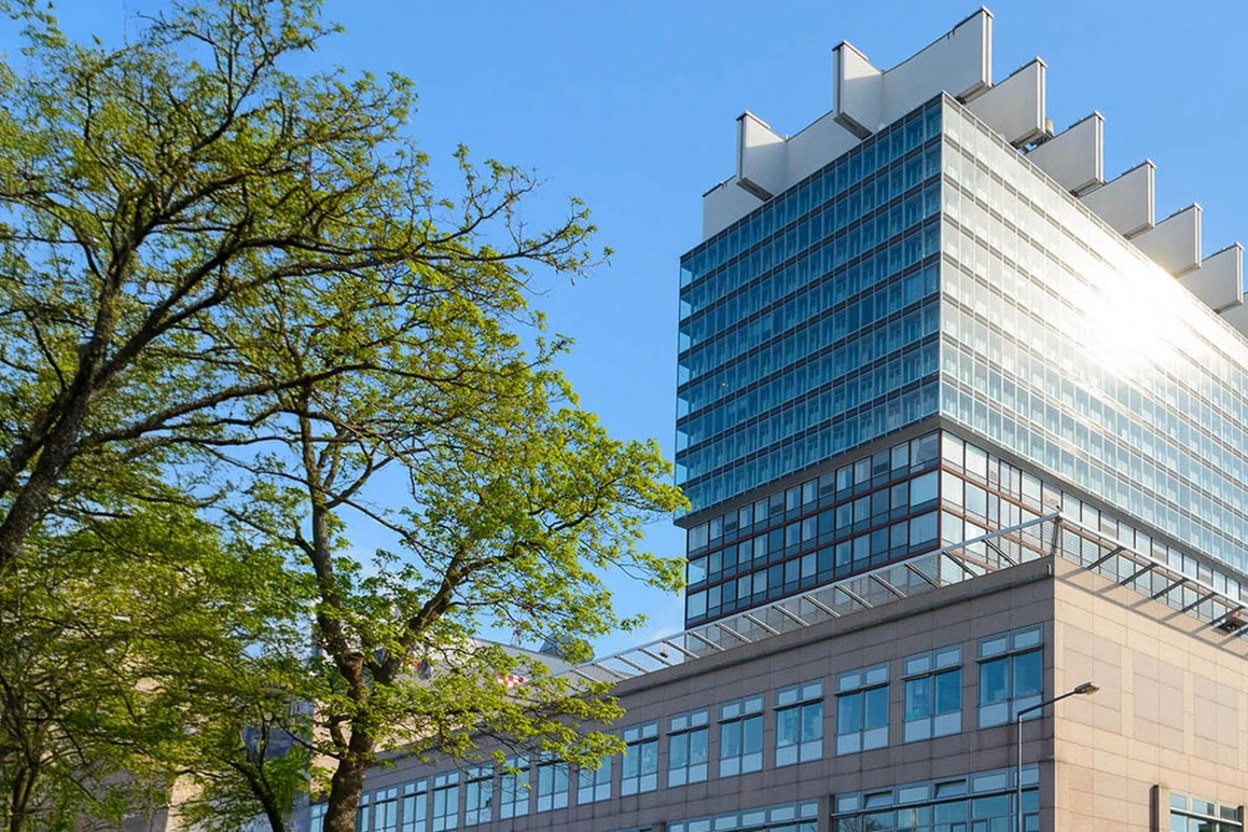
Cologne University Hospital (Universitätsklinikum Köln) is a tertiary care medical center where advanced academic research is directly integrated with daily patient care. Located in the Lindenthal district of Cologne, this hospital carries out essential public duties in medical research, university education, and specialized healthcare delivery. International patients seeking comprehensive diagnostics in Germany often consider university medical centers because they bring together multidisciplinary clinical expertise, specialized laboratory facilities, and evidence-based therapeutic options. Navigating complex medical decisions requires a structured approach, clear clinical protocols, and precise organizational support at every step. Planning a trip to Cologne for diagnostic evaluation or specialized treatment involves thorough preparation of medical records and seamless communication with clinic departments.
History and Foundation
The roots of university medical education in Cologne trace back to medieval academic traditions, beginning when Albertus Magnus established a general study center for the Dominicans in 1248, where medicine and natural sciences were taught alongside philosophy. The formal University of Cologne was later founded in 1388 under Pope Urban VI with a dedicated medical faculty. Academic medicine continued to evolve in the city over the centuries, marked by the creation of an anatomical theater (Theatrum Anatomicum) in 1715 and the cultivation of medicinal herbs in the botanical gardens near Cologne Cathedral. Although the university closed during the Napoleonic era in 1798, medical training maintained its continuity through dedicated clinical institutions in the region.
In 1904, the Academy for Practical Medicine was established in Cologne as a municipal institution, focusing on practical clinical training and postgraduate physician education. Later in 1919, under the leadership of Mayor Konrad Adenauer, the university was re-established as a municipal institution under Prussian supervision, incorporating the city hospital built in 1855 into the medical faculty. Over the following decades, this municipal facility expanded into a modern university medical center with numerous specialized institutes and clinical departments. Today, international patients exploring hospitals in Germany benefit from this historical foundation, which combines centuries of academic medical tradition with modern tertiary care practices.
Departments and Specialisations
- Center for Operative Pediatric Medicine (Zentrum für Operative Kindermedizin)
- Center for Molecular Medicine (Zentrum für Molekulare Medizin)
- Institute for Biomedical Informatics (Institut für Biomedizinische Informatik)
- Center for Clinical Trials (Zentrum für Klinische Studien, ZKS)
- Center for Neurosurgery (Zentrum für Neurochirurgie)
- Center for Palliative Medicine (Zentrum für Palliativmedizin)
The organizational structure of the university hospital encompasses specialized clinical centers and research institutes designed to address complex diagnostic and surgical challenges. Within the Center for Neurosurgery, medical teams focus on brain and spinal cord pathologies that require micro-surgical precision and sophisticated intraoperative monitoring systems. The Center for Operative Pediatric Medicine provides specialized surgical treatment for congenital and acquired conditions in children of all age groups. Meanwhile, the Center for Molecular Medicine and the Institute for Biomedical Informatics analyze genetic and biological mechanisms, helping physicians tailor complex medical protocols based on precise diagnostic data.
Multidisciplinary collaboration across specialized departments plays a key role when patients undergo cancer treatment in Germany or seek management for rare chronic conditions. The Center for Clinical Trials (ZKS) facilitates the implementation of verified international treatment guidelines and evaluates new therapeutic protocols under controlled scientific standards. In addition, the Center for Palliative Medicine focuses on comprehensive supportive care for patients with advanced illnesses, aiming to alleviate severe symptoms and maintain patient comfort. Through this integrated approach across diverse clinical fields, medical treatment in Germany emphasizes structured care coordination and thoroughly vetted therapeutic strategies.
Clinic Doctors
The medical leadership within the hospital’s specialized clinical and research divisions includes experienced physicians and department heads who oversee clinical standards and scientific research. Among the key medical professionals practicing at the institution are Dr. Simon Lennartz and Dr. Matthias Heldwein, who participate in diagnostic evaluation, patient care, and clinical studies. Department leaders at university hospitals are responsible for maintaining adherence to established national guidelines, integrating validated clinical findings into daily practice, and coordinating multidisciplinary team consultations for patients with complex medical conditions.
Location and Accessibility
The campus of Cologne University Hospital is located in the Lindenthal district of Cologne, a green and quiet area that offers a calm setting for patient recovery and outpatient visits. Cologne is a major transportation hub in Western Germany, boasting well-developed infrastructure that simplifies travel for international patients and their accompanying family members. Public transit connections directly serve the hospital campus, with regular tram lines (Straßenbahn) and bus routes (Buslinie) stopping nearby. For individuals traveling by personal or rental vehicle, dedicated parking facilities (Parkhaus) are available on and around the clinical grounds.
The hospital’s proximity to Cologne Bonn Airport and the city’s central railway station minimizes travel time and logistical stress for arriving patients. Patients do not need to locate exact building numbers or clinical reception desks independently, as precise travel instructions and campus coordinates are provided in the official medical invitation letter. When arranging medical travel, receiving detailed route maps and arrival guidelines ensures that patients can comfortably reach their assigned department without confusion or unnecessary delays upon arriving in the city.
Accommodation, Catering, and Amenities
The infrastructure on campus is organized to support the daily comfort of both inpatients and visiting relatives. On-site facilities include a cafeteria and a newsagent kiosk where patients and visitors can purchase meals, refreshments, reading material, and personal essentials. The hospital grounds feature a park area that provides outdoor space for quiet walks between diagnostic procedures or treatment sessions. Inpatient policies accommodate visits from family members (Angehörige) during scheduled visiting hours, offering valuable emotional support to patients during their hospital stay.
Inpatient accommodations at German university hospitals adhere to established medical, safety, and hygiene standards. Patient rooms are equipped with functional medical beds, climate adjustments, and nurse call systems to ensure patient safety throughout the stay. Daily meals are prepared according to dietary recommendations and medical prescriptions, with patients choosing from daily menu options. Single or double occupancy rooms with upgraded amenities are typically available as optional elective services, subject to availability and specific hospital billing arrangements.
How to Arrange Treatment
Organizing care at Cologne University Hospital begins with a detailed review of the patient’s existing medical records. Patients submit comprehensive medical histories, laboratory findings, and diagnostic imaging files such as CT, MRI, or PET-CT scans for review by hospital specialists. Based on this evaluation, the medical team determines the preliminary diagnostic or therapeutic strategy, and the hospital issues an official cost estimate (Kostenvoranschlag). Once the required deposit is processed, the hospital issues an official medical invitation, which is required to apply for a medical visa for Germany.
All medical fees are paid directly to the hospital’s accounting department according to the official itemized invoice. AlenMed assists throughout the organizational process, including document translation, appointment coordination, airport transfers, and local logistics. During clinical visits and physician consultations, a qualified medical interpreter assists the patient to ensure accurate communication of medical instructions, diagnostic results, and treatment plans. This structured support allows patients and their families to focus entirely on health management without administrative concerns.
Submit Medical Documents
If you require expert medical evaluation or are planning travel for diagnostic testing and therapy in Germany, you can submit your medical reports for preliminary review. Please complete the contact form on our website and attach your medical summaries, diagnostic reports, and imaging files. AlenMed coordinators will review your documents, explain the step-by-step process, and assist in requesting a cost estimate from the hospital. You can upload your medical files directly through our request for treatment form.
The information provided on this page is for informational purposes only and does not constitute a public offer or medical advice. The final scope of diagnostic procedures, treatment plans, and exact costs are determined by the official cost estimate (Kostenvoranschlag) provided by the hospital after medical review of patient records.