 EN
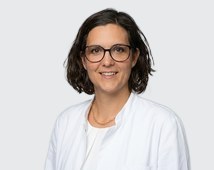
Professor Beate Müller, a specialist in general practice (Fachärztin für Allgemeinmedizin), directs the Institute of General Practice (Institut für Allgemeinmedizin) at Cologne University Hospital (Uniklinik Köln). She is on the medical team of its outpatient clinic (Hochschulambulanz), where patients see family doctors for check-ups and vaccinations, chronic conditions and questions about medicines.
What Professor Müller treats
Professor Müller heads an institute that brings general practice into teaching, research and patient care; its clinic focuses especially on prevention and the health effects of climate change, such as allergies and heat-related illness. It offers:
- health check-ups and lung cancer screening for smokers;
- care for diabetes, coronary heart disease, heart and kidney failure, asthma, COPD and obesity;
- medication reviews for people on many medicines, including advice for hot weather;
- vaccinations following Germany’s Standing Committee on Vaccination (STIKO), including travel vaccinations;
- ultrasound of the abdomen and thyroid, ECG, long-term blood pressure monitoring, spirometry and laboratory tests.
Read more on our internal medicine page.
Training and experience
Beate Müller studied medicine at Goethe University Frankfurt and Jichi Medical University in Japan (2004–2011), trained at hospitals in Düren and a general practice in Iserlohn, and completed her doctorate in 2013 on measuring patient safety culture in family practice; in 2020–2021 she worked as a specialist in Offenbach.
From 2015 to 2022 she led the patient safety unit at the Institute of General Practice in Frankfurt and since 2022 has been professor (W3) and institute director in Cologne. She sits on the Standing Committee on Vaccination (STIKO) and the German Medical Association’s Drug Commission (AkdÄ) and led the ADAPT-HEAT project, which produced the CALOR list on medication safety in hot weather.
The department and hospital
The institute’s research focuses on general practice and climate change, patient safety and e-health. Students learn family medicine from their first semester alongside practising family doctors, and the institute is part of HAFO.NRW, a network of research practices.
The outpatient clinic is open to all patients without a family doctor; taking part in its studies is voluntary. The institute belongs to the Centre for Infection Medicine (CIM) and, since October 2026, to the founders of the Centre for Prevention at Cologne University Hospital.
Frequently asked questions
What conditions does Professor Müller treat?
Professor Müller and her outpatient clinic colleagues work as family doctors: patients come for check-ups, vaccinations and prevention advice, and with diabetes, heart, kidney or lung disease or obesity. The clinic also reviews medicines, treats and stitches wounds and offers psychosomatic care, manual medicine and sports medicine.
How can I see Professor Müller from abroad?
First gather your medical records and previous test results. AlenMed translates them into German and forwards your request; the hospital confirms a date and decides which doctor sees you. As the clinic trains future doctors, medical students may be present during your appointment.
How much does treatment with Professor Müller cost?
The hospital sets the exact amount in a written estimate (Kostenvoranschlag) before you travel. It depends on the examinations and treatment: a check-up, vaccinations and ongoing care for a chronic condition are priced differently. Payment goes directly to the hospital.
How to see Professor Müller through AlenMed
AlenMed translates your records into German, agrees a date with the hospital and, if needed, arranges a medical interpreter and personal support. To start, send a request through our form.
This information is for reference only and is not an offer. A doctor decides whether and how to treat after an in-person examination.