 EN
EN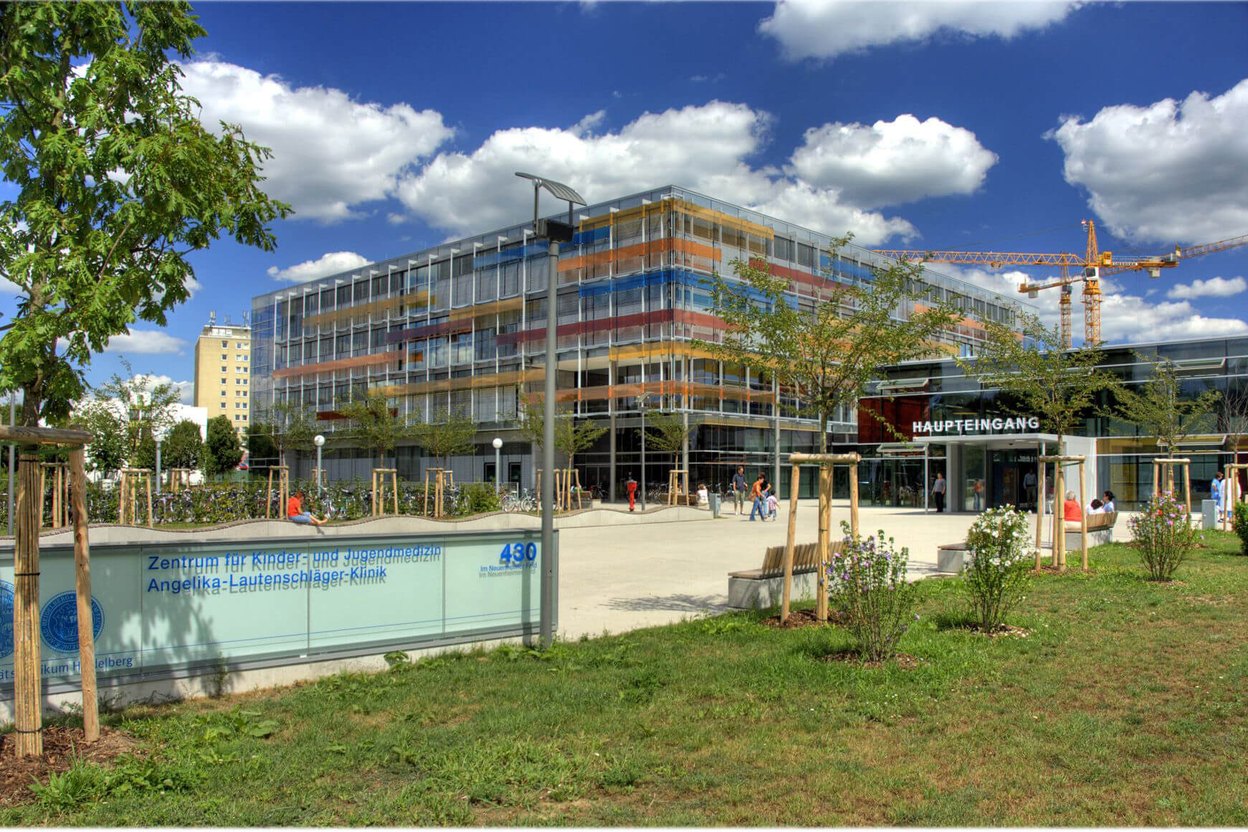
The Center for Child and Adolescent Medicine Heidelberg operates as a specialized pediatric medical unit within one of the largest university medical centers in the state of Baden-Württemberg. Choosing an international clinical center for a child requires careful consideration, complete clarity regarding specialized medical capabilities, and an understanding of how complex pediatric conditions are evaluated and managed. In this hospital, comprehensive medical care is provided to young patients facing diverse health conditions, ranging from rare metabolic disorders to severe oncological and cardiological diagnoses. Through structured interdisciplinary cooperation, children’s medicine in Germany brings together pediatricians, surgeons, geneticists, and rehabilitation specialists to build tailored diagnostic and therapeutic strategies. AlenMed assists international families in organizing medical evaluations, obtaining official cost estimates, and navigating all practical aspects of treatment in Germany.
Departments and Specialisations
Pediatric medical care within the academic structure in Heidelberg is distributed across specialized departments that work in close clinical and scientific synergy. Special priority is given to pediatric oncology, cardiology, and complex metabolic disorders, where precise diagnostic protocols and multidisciplinary medical conferences are critical for establishing an accurate clinical roadmap. For children presenting with multisystem conditions, specialized units focus on rare diseases, autoinflammatory conditions, and personalized medical approaches. When a child requires comprehensive diagnostics in Germany, clinical physicians collaborate closely with laboratory geneticists, radiologists, and functional specialists to clarify complex clinical presentations efficiently and thoroughly.
- Center for Child and Adolescent Medicine (Zentrum für Kinder- und Jugendmedizin)
- Department of Anesthesiology (Klinik für Anästhesiologie)
- Department of Diagnostic and Interventional Radiology (Klinik für Diagnostische und Interventionelle Radiologie)
- Department of Palliative Medicine (Klinik für Palliativmedizin)
- Center for Orthopedics, Trauma Surgery and Paraplegiology (Zentrum für Orthopädie, Unfallchirurgie und Paraplegiologie)
- Institute of Human Genetics (Institut für Humangenetik)
- Center for Infectious Diseases (Zentrum für Infektiologie)
- Center for Rare Diseases (Zentrum für Seltene Erkrankungen)
- Center for Personalized Medicine (Zentrum für Personalisierte Medizin)
- Heidelberg Institute for Cardiomyopathies (Institut für Cardiomyopathien Heidelberg)
Clinical management in pediatric hematology and cardiology relies heavily on integrated support from affiliated research institutes, including genetic laboratories and specialized interventional radiology suites. The presence of an onsite Institute of Human Genetics enables direct molecular testing without unnecessary delays, which is crucial when investigating suspected inborn errors of metabolism or hereditary syndromes. If a child is diagnosed with hematological malignancies or solid tumors, cancer treatment in Germany involves pediatric oncologists, transplant specialists, and radiation oncologists coordinating treatment plans according to validated international protocols. This collaborative structure helps maintain precise therapeutic standards even during challenging clinical scenarios.
Specialized orthopedic and traumatological care addresses structural, developmental, and traumatic musculoskeletal conditions in infants, children, and adolescents. The inclusion of a dedicated paraplegiology unit allows the clinical team to coordinate structured rehabilitation programs for patients recovering from severe spinal injuries and neurological deficits. Pediatric anesthesiology services ensure patient safety and effective pain management during surgical interventions and complex diagnostic examinations that require precise sedation in young children. Simultaneously, the palliative medicine unit offers supportive care for families dealing with chronic, life-limiting conditions, aiming to preserve quality of life throughout every stage of clinical care.
Location of the Hospital
The medical complex is situated in the city of Heidelberg, located in the northwestern region of Baden-Württemberg. The primary clinical buildings of the university hospital are concentrated on the right bank of the Neckar River in the specialized academic district known as Im Neuenheimer Feld. This dedicated medical campus integrates hospital wards, research laboratories, and diagnostic institutes in close physical proximity, facilitating rapid clinical consultations and seamless diagnostic workflows. The city features well-organized public transportation links, allowing patients and visiting family members to reach the medical campus conveniently using regional trams, buses, or private road vehicles.
For international families travelling from abroad, convenient transportation routes are accessible via nearby major international transport hubs, including Frankfurt Airport and Stuttgart Airport. Regular express trains and direct shuttle services connect these international airports with Heidelberg central train station. When preparing for travel, parents do not need to navigate the sprawling university campus independently, as the exact building address, department entrance details, and registration instructions are provided in the official hospital invitation document. AlenMed organizes private transfers from the airport directly to the designated ward or accommodation, helping families travel comfortably without unnecessary orientation stress.
Accommodation, Dining, and Facilities
Inpatient accommodations in German pediatric facilities are designed to support the physical and emotional well-being of young patients and their accompanying family members. Standard ward arrangements include comfortable single or double rooms equipped to accommodate a parent alongside the child throughout the stay. Through optional elective medical services (Wahlleistung), families can request enhanced single-room accommodations featuring additional comfort amenities and dedicated private facilities. Hospital rooms offer access to wireless internet (WLAN) and television services, helping young patients stay connected with their friends, family, and educational activities during their hospital stay.
Patient nutrition is structured according to tailored dietary guidelines that account for age-specific nutritional requirements, medical directives, and specific dietary restrictions related to gastrointestinal or metabolic disorders. The hospital campus includes green outdoor spaces, landscaped gardens, and quiet walking paths that provide welcoming environments for restful outdoor breaks. Families also have access to patient libraries, recreational play areas, and comfortable cafeterias on the hospital grounds. Visiting hours are kept flexible so that relatives can spend meaningful time with the child, and AlenMed helps coordinate rooming-in arrangements or nearby hotel accommodations for accompanying family members.
How to Arrange Treatment
Arranging medical evaluations or inpatient treatment at a German university hospital begins with a detailed review of the patient’s existing medical records. Parents need to submit comprehensive clinical summaries, recent laboratory test results, and diagnostic imaging scans, such as MRI or CT files in standard DICOM format. Upon reviewing these clinical materials, Heidelberg medical specialists evaluate the clinical presentation and determine whether inpatient or outpatient medical care is indicated. Timely arranging medical treatment in Germany ensures that diagnostic reviews are completed promptly and a clear treatment strategy is formulated without unnecessary delays.
Following the clinical review, the hospital issues an official preliminary cost estimate (Kostenvoranschlag). The patient or family transfers the required deposit directly to the university hospital’s official bank account without intermediary surcharges. Once the deposit is received, the hospital issues an official medical invitation required for visa processing. AlenMed assists families with administrative details, including securing a medical visa for Germany, arranging a qualified medical interpreter for all appointments, and managing final financial reconciliations after treatment completion. Detailed financial information can be reviewed under cost of treatment and payment in Germany.
Send Medical Documents for Review
If your child requires specialized diagnostic evaluation or medical therapy at the university center in Heidelberg, you can submit current medical reports and diagnostic images for expert review. AlenMed coordinators will process your request promptly, assist in translating medical documents into German, and forward the complete clinical record to appropriate medical specialists. Submit your request using our free evaluation form to receive preliminary guidance regarding diagnostic options, appointment scheduling, and official cost estimations.
The information provided on this page is for educational purposes only and does not constitute a formal medical consultation or binding offer. Final treatment recommendations and costs are determined individually by the hospital based on an official cost estimate (Kostenvoranschlag) following thorough review of medical documentation.