 EN
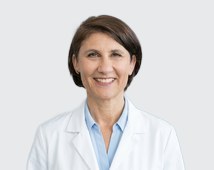
Professor Luise Poustka is medical director of the Department of Child and Adolescent Psychiatry, Psychosomatics and Psychotherapy at Heidelberg University Hospital. Her speciality is autism spectrum disorders and other neurodevelopmental conditions in children, their causes, early detection and early intervention, and she aims to advise and train families as early as possible.
What Professor Poustka treats
Professor Poustka is a child and adolescent psychiatrist and a trained behavioural therapist and supervisor. Autism affects how a child communicates and relates to others. She studies how to detect developmental disorders from infancy, especially with a genetic predisposition, and how to intervene early. Her department’s particular focuses are:
- self-harm and emotionally unstable personality development;
- early detection of psychosis and adolescent schizophrenia;
- school absenteeism.
More on psychiatry and children’s medicine.
Training and experience
Born in Vienna, Luise Poustka studied acting and directing, then medicine in Heidelberg, and trained in Heidelberg and at the University of Cambridge. She was senior physician and senior consultant at Mannheim’s Central Institute of Mental Health, completing her habilitation in 2012.
In 2015 she took the chair of child and adolescent psychiatry at the Medical University of Vienna, in 2017 she moved to head the department in Göttingen, and in October 2023 she took over in Heidelberg. She is first vice chair of the Scientific Society Autism Spectrum (WGAS) and in 2024 joined a federal government expert council on health and resilience.
The department and hospital
The department at Heidelberg University Hospital offers guideline-based diagnosis and treatment for all child and adolescent mental disorders. Its Spatzennest ward treats children up to 12, for example with behavioural problems, ADHD, depression, anxiety or eating disorders.
The STEP ward offers psychotherapy, including DBT-A (dialectical behaviour therapy for adolescents), to teenagers aged 12 to 17, and the TAZ day centre includes hospital schooling. The AtR!Sk clinic helps teenagers who self-harm or have suicidal thoughts, and an early treatment centre run with adult psychiatry serves people aged 14 to 28.
Frequently asked questions
What conditions does Professor Poustka treat?
Professor Poustka and her department treat mental health problems in children and teenagers; her own speciality is autism and other neurodevelopmental conditions, with early detection and intervention. The department focuses on self-harm, early psychosis and school absenteeism and also treats behavioural problems, ADHD, depression and anxiety.
How can I see Professor Poustka from abroad?
Prepare reports on your child’s diagnosis and treatment and any specialist assessments. AlenMed translates them into German and forwards your request; the hospital confirms a date and decides which of the department’s doctors sees you. On the children’s ward, close work with parents is part of therapy.
How much does treatment with Professor Poustka cost?
The exact amount is set by the hospital in a written estimate (Kostenvoranschlag) prepared before you travel. It depends on the examinations and treatment: outpatient assessment, day-clinic care and a stay on a ward are priced differently. Payment goes directly to the hospital.
How to see Professor Poustka through AlenMed
AlenMed translates your reports into German, agrees an appointment with the hospital and, if needed, arranges a medical interpreter and personal support. To start, send a request through our enquiry form.
This information is for reference only and is not an offer. A doctor decides whether and how to treat after an in-person examination.